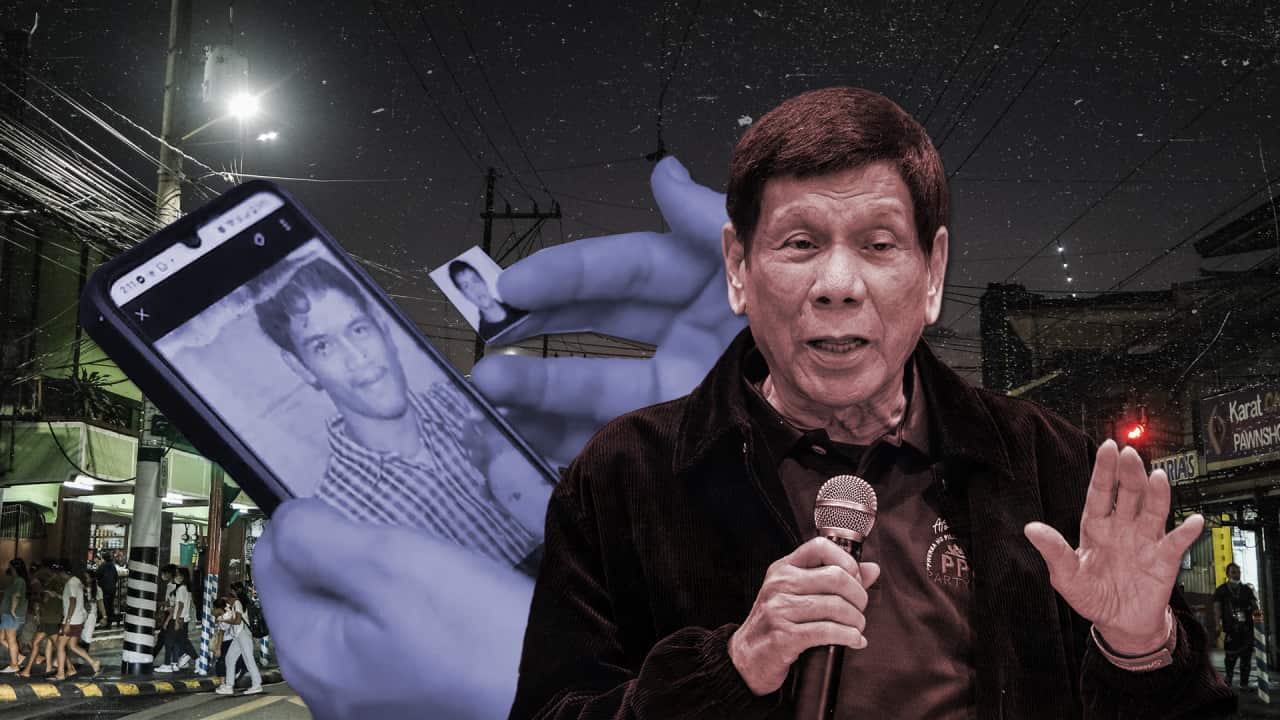
Watch Dateline's latest episode, The Unfinished Drug War, now on SBS On Demand.
In the densely packed shanty towns of the Philippines capital, Manila, 19-year-old Joan de Juan recalls her 10th birthday: 6 December 2016.
"My dad was cooking spaghetti for us to celebrate. He didn't have money at that time, all we had was pasta ... My grandmother went out to buy ketchup so our spaghetti would have sauce," Joan says.
Joan was happy to be spending time with her father, Constantino, who worked three jobs to provide for his seven children. She remembers there being music, dancing and play.
News that makes sense
Your trusted source for staying up-to-date with the world around you. Get free daily news updates and analysis, straight to your inbox.
"Then there was some running outside. Suddenly, police officers came in, and they told my dad: 'Kneel down. Stay right there.'"
Masked and dressed in plain clothes, Joan says unidentified officers forced her father to lie face-down on a chair.
"My father said [to the police]: 'Do not hurt me, I still have many children.'"
Joan and her young siblings ran to cling to him. But as her father showed the police his identification, Joan says they pulled her and her siblings away from him.
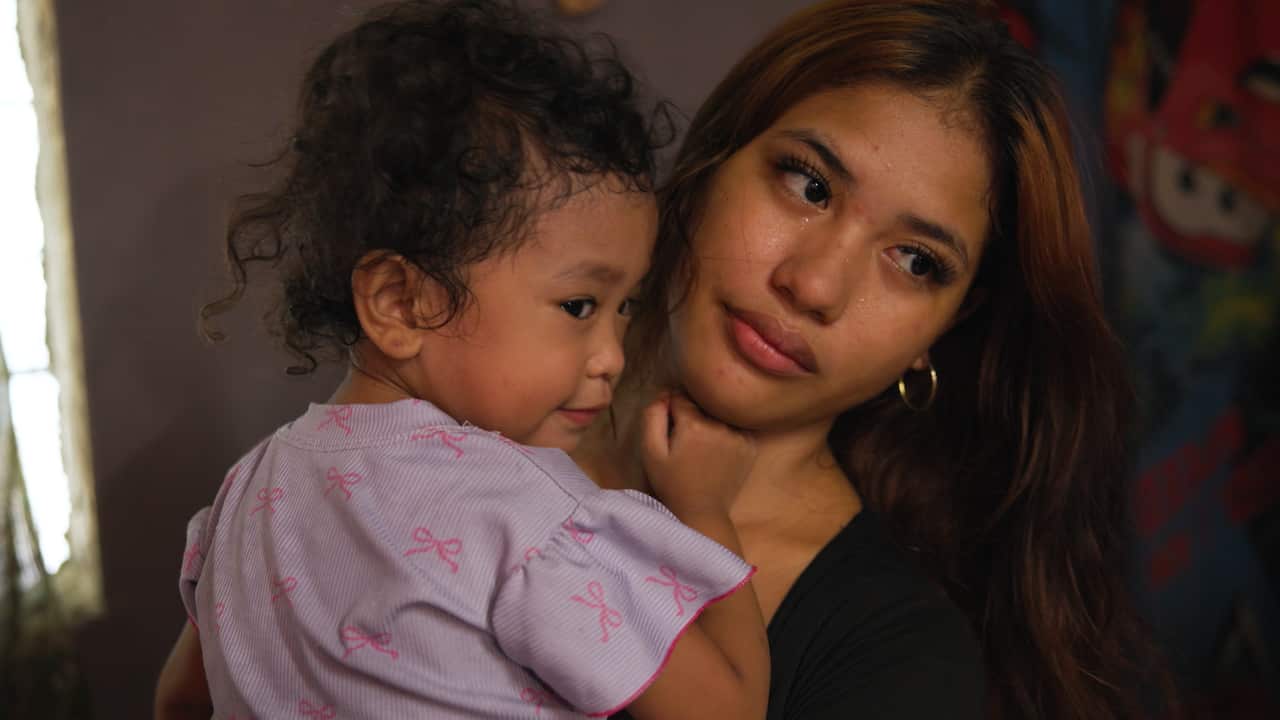
"As they were dragging my sister out and pushing her, my dad was suddenly shot. Here, here and here," she says, pointing twice to her chest and, finally, to her forehead.
Joan's family is among the many victims of former Philippines president Rodrigo Duterte's brutal war on drugs.
The war on drugs
A three-time mayor of Davao City in the southern Philippines, Duterte was elected president in 2016. He held the position until the 2022 elections, when he retired.
During his presidency, he led an aggressive anti-drug crackdown, known as Oplan Tokhang, which granted police shoot-to-kill orders. This resulted in thousands of extrajudicial killings, the dead branded as drug dealers or users.
Police put the death toll at more than 6,000. Human rights groups estimate it could be 12,000 to 30,000. There were also hundreds of thousands of arrests — with tens of thousands incarcerated — many without fair trial.
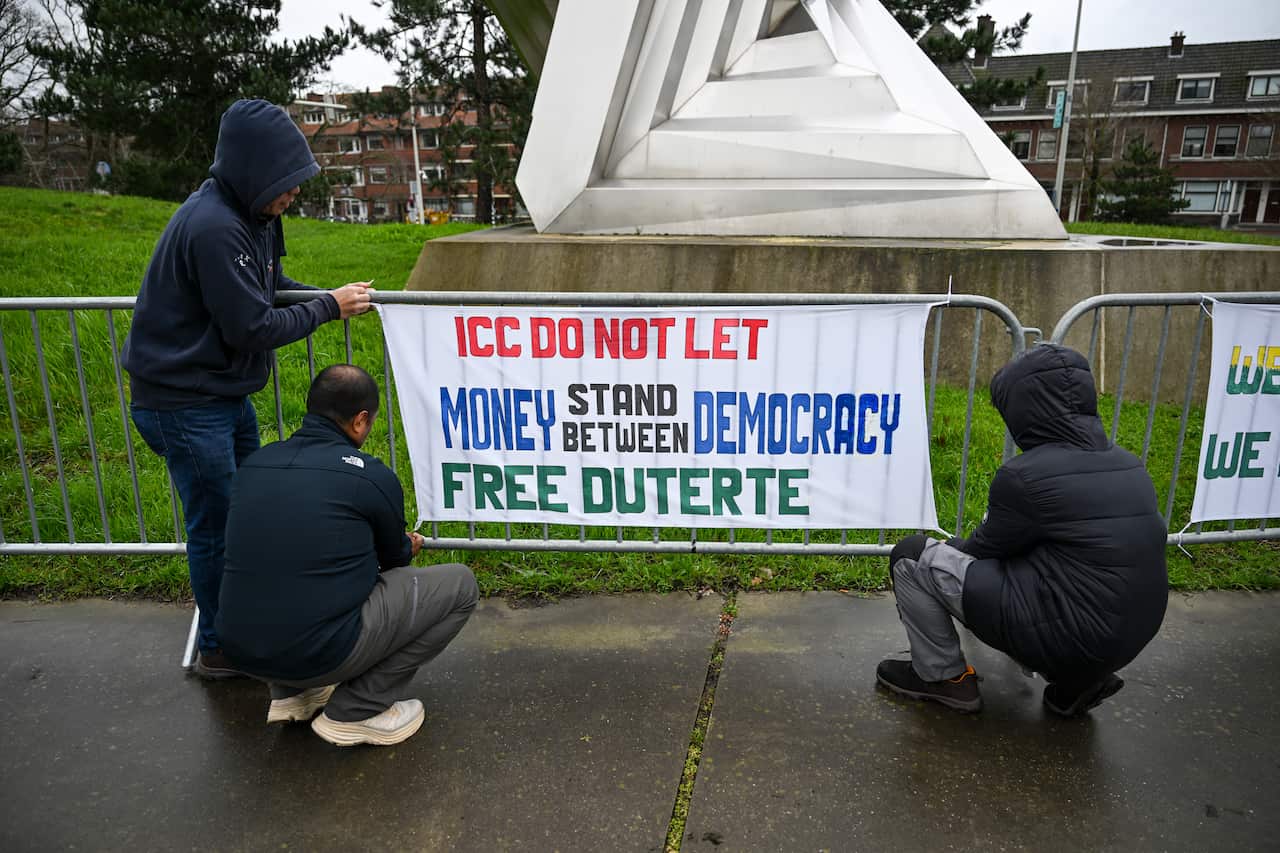
Last year, Duterte was arrested for alleged crimes against humanity and transferred to The Hague in the Netherlands.
Now in prison, he is facing charges that include murder and attempted murder as an alleged "indirect co-perpetrator" in dozens of deaths carried out by police and so-called 'death squads' during his administration.
Despite being detained, the former president won a landslide vote in 2025 to become mayor of Davao City again. He couldn't be sworn in due to his detention, and his son, Sebastian, is now mayor.
As Duterte awaits trial at the International Criminal Court (ICC), Joan's family is among the many victims still searching for answers.
Constantino was shot dead at the age of 33, after being identified as a drug user and placed onto a government watchlist without his knowledge.
The family says he'd been clean for over a year when he was killed.
His murder has never been investigated. His death certificate states he died of a heart attack.
"Our father was shot right in front of us. The bullet that was used to shoot him even got stuck in the chair where he was killed. It is not fair," Joan says.
"Justice is hard to fight for when you are poor, especially when the other side is more powerful than you."
Lasting support for Duterte
Duterte's trial is set to commence in November.
But across the Philippines, the Duterte dynasty maintains a formidable and enduring base of support.
A 2025 survey found 63 per cent of Filipinos still trust the ex-president.
Today, in Manila, many Filipinos take to the streets, calling for the dynasty's return to the presidency — and for a return of his anti-drug crackdown.
"We feel that we are no longer safe to walk outside. We are scared," one supporter tells Dateline. He is among a group that has travelled from various provinces across the country to camp outside the nation's Senate in support of the Dutertes.
"You walk on the street full of drug addicts and they will kill you. You think it's good [to have] that?" says another, who has travelled from Visayas.
From the dusty window of a small mechanic shop in Manila, 25-year-old Mark Terte pulls a life-size cardboard cutout of Ronald dela Rosa, Duterte's former police chief and right-hand man, who is now a senator in the current Ferdinand Marcos Junior administration. The ICC has issued a warrant for dela Rosa's arrest, accusing him of crimes against humanity.
"He is a good example to people," Mark says.
"My friends use [drugs], and during Duterte's time they stopped. There was a big difference. Because of course they were scared to be killed."
One of Mark's friends was killed by police when he was 22, at the height of Duterte's crackdown. But he still supports a return of Duterte's war on drugs policies.
"It was his fault. He did it," says Mark. "He was in a situation where he didn't listen to those around him. For me, I don't think there was any innocent who died."
An unfinished war
Today in the Philippines, the government has promised a more humane campaign against drugs. But local outreach workers, criminal justice organisations and human rights groups say the drug war hasn't stopped.
After winning the 2022 election, Marcos promised to address the issue of drugs through "rehabilitation and socioeconomic development". Yet in 2025, there was a return to local anti-drug operations.
There have been 1,298 drug-related murders across the country since the start of Marcos's presidency, according to independent monitors at the University of the Philippines, called the Dahas Project. 153 were recorded between January and July of this year.
The monitors report 330 of these killings to be at the hands of Marcos-era state officials.
Human Rights Watch says masked gunmen, believed to be linked to the authorities, are responsible for many others.
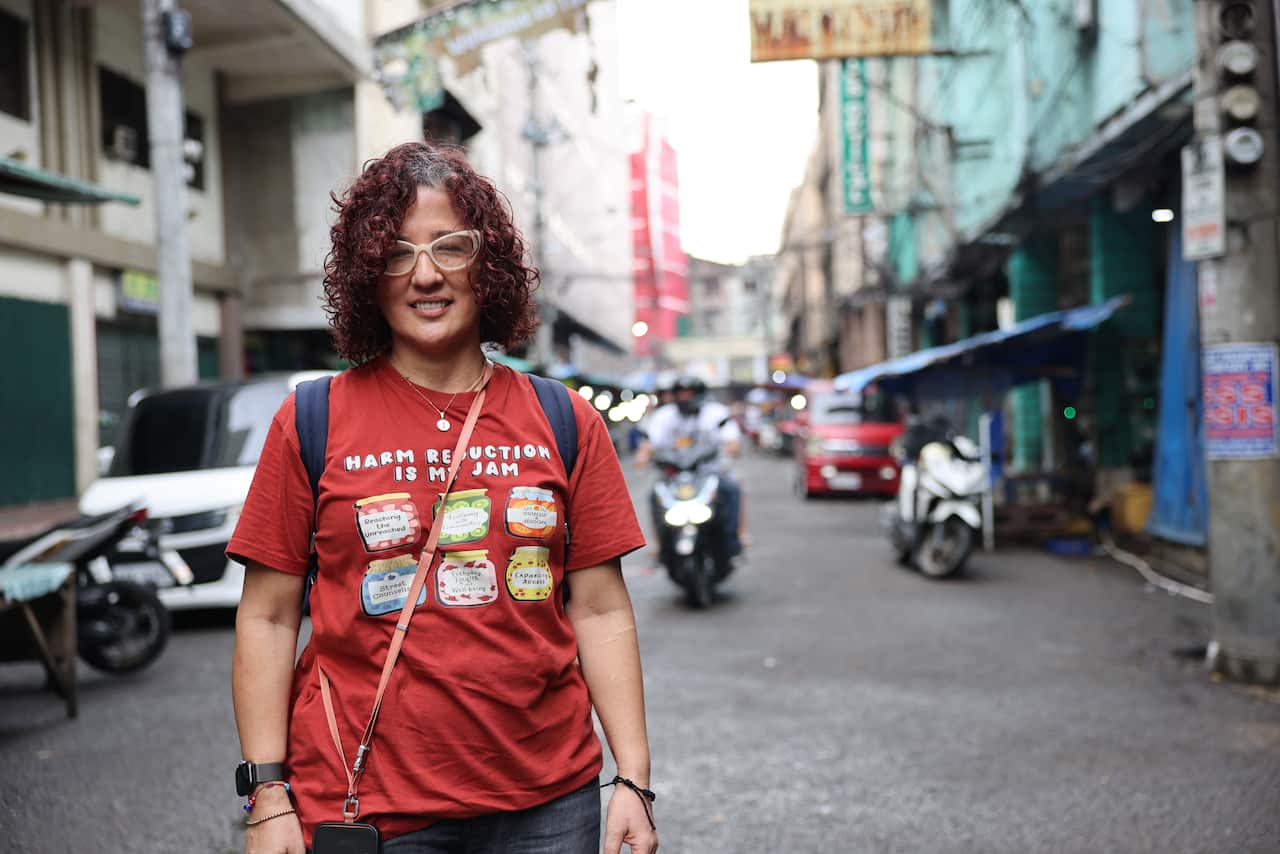
Inez Feria is the founder of NoBox Philippines, a criminal justice reform organisation focused on drug policies.
She said the "punitive actions, the punitive nature of our policies and programs, didn't end."
Inez says many of the policies exploited by the Duterte administration to enact his war on drugs are still in place. That includes the Barangay Drug Clearing Program, now at the centre of charges being brought against Duterte by the ICC.
The program was initially conceived to measure the extent of drug use in every neighbourhood in the country — and a way to connect users to support. But it was weaponised under Duterte and used to carry out targeted killings.
Inez said people who were using drugs or associated with drugs were put on a list.
"That they cannot challenge, a list that they don't even know sometimes that they're there."
According to Inez, people's names are on the list "forever" which makes them "easy preys" for arrest.
"It's a very dangerous thing because as long as these policies are still in place ... anyone who has that frame of mind to use it to weaponise against people can do it. "
'They were hunting me'
Outreach worker Aire, from the non-government organisation IDuCare, knows first-hand what it's like to end up on one of these watch 'lists'.
Now drug-free, at age 18 she was a sex worker and drug user living in Davao City during the Duterte administration.
A gunman visited her home after a bounty was placed on her head for 5,000 pesos — roughly $100. She says she fled Davao and lived in hiding for years.
She eventually arrived in Cebu, an island in the south of the country. According to the Dahas Project, Cebu has now overtaken Manila as the new hotspot for drug-related murders.
Since 2022, 230 out of 1273 drug-related killings have been in Cebu City. That's nearly 20 per cent of cases, even though this island accounts for only 2 to 3 per cent of the country's population.
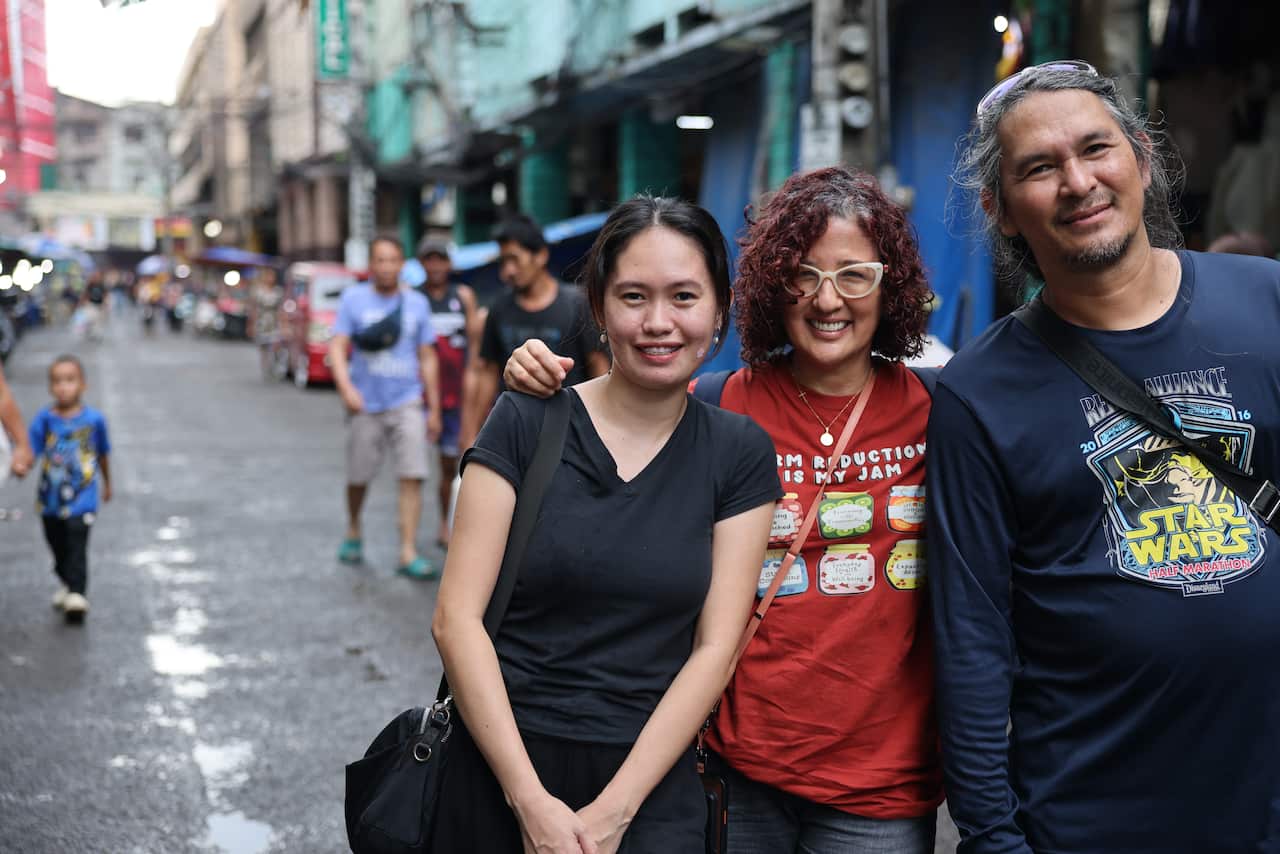
Aire recalls disguising her appearance so she wouldn't be found.
"They were hunting me. I put moles [on my face]. I wore heavy make-up. I wore contact lenses. I wore a wig," says Aire.
The trauma still haunts her.
"I'm very paranoid. It never leaves you."
Inez and Aire both say the war on drugs hasn't ended the drug crisis.
"As long as the [anti-drug] policies are not looking at the conditions that lead to the challenges ... then this [drug problem] is going to continue," says Inez.
What does the future hold?
With national elections in two years, the Duterte dynasty is now preparing to re-take the presidency.
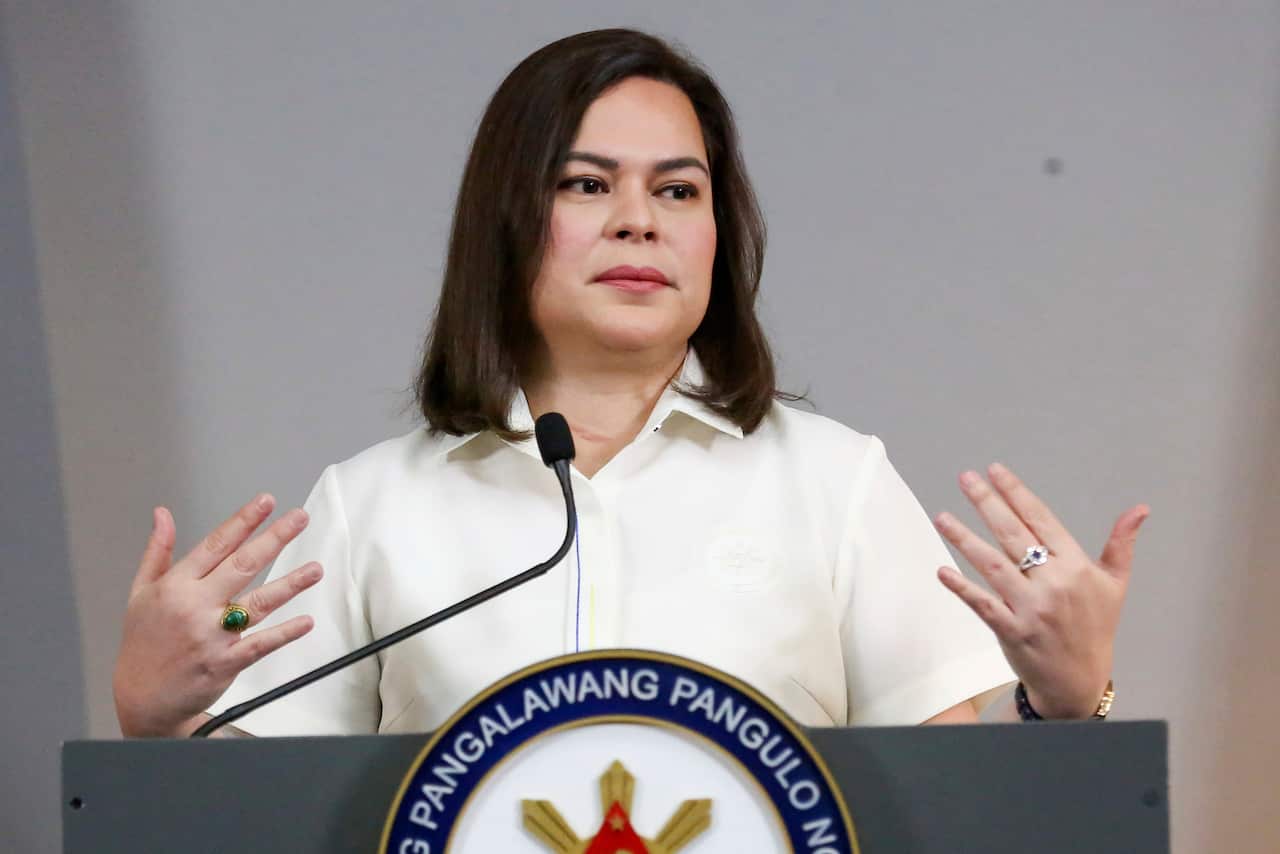
Sara Duterte, Rodrigo's daughter, is the country's vice president. She's already announced her candidacy, and has quickly become the frontrunner, according to public polls.
It's spelling fear among the country's poor, who dread becoming targets in an unfinished drug war yet again.
That includes Joan de Juan and her mother Lourdes, who don't believe their father and husband's murder under Duterte has made any difference to the country's drug crisis.
"The drugs didn't even disappear," says Lourdes.
"That's why it's so hard. The pain doesn't go away, it stays, and it will never disappear."
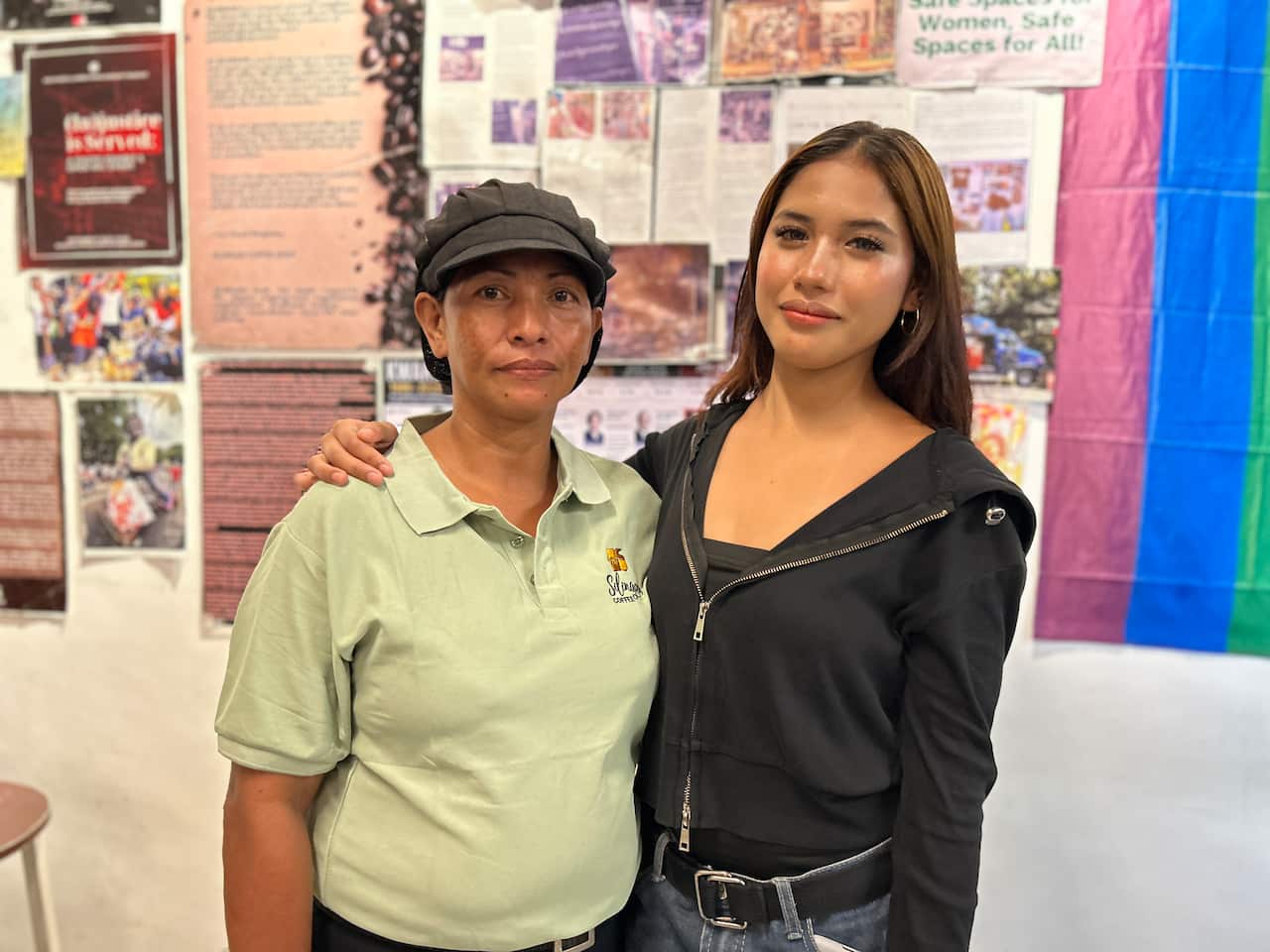
They're among the thousands of Filipinos now looking to Rodrigo Duterte's November trial at the ICC as their last hope.
"If [Duterte] is charged guilty, this could be a lesson for all presidents so hopefully this won't happen again to victims like us," says Lourdes.
"There are a lot of parents and families suffering; it's pain that we will carry all our lives. We just hope it won't happen again. That's all we want."
Watch your favourite Dateline episodes around the clock on SBS On Demand's dedicated Dateline channel. For the latest from SBS News, download our app and subscribe to our newsletter.

Dateline is an award-winning Australian, international documentary series airing for over 40 years. Each week Dateline scours the globe to bring you a world of daring stories. Read more about Dateline

Have a story or comment? Contact Us







