Watch Châteaux For Sale now on SBS On Demand.
While inheriting property might make one the subject of envy in today's housing market, it can also be "overwhelming".
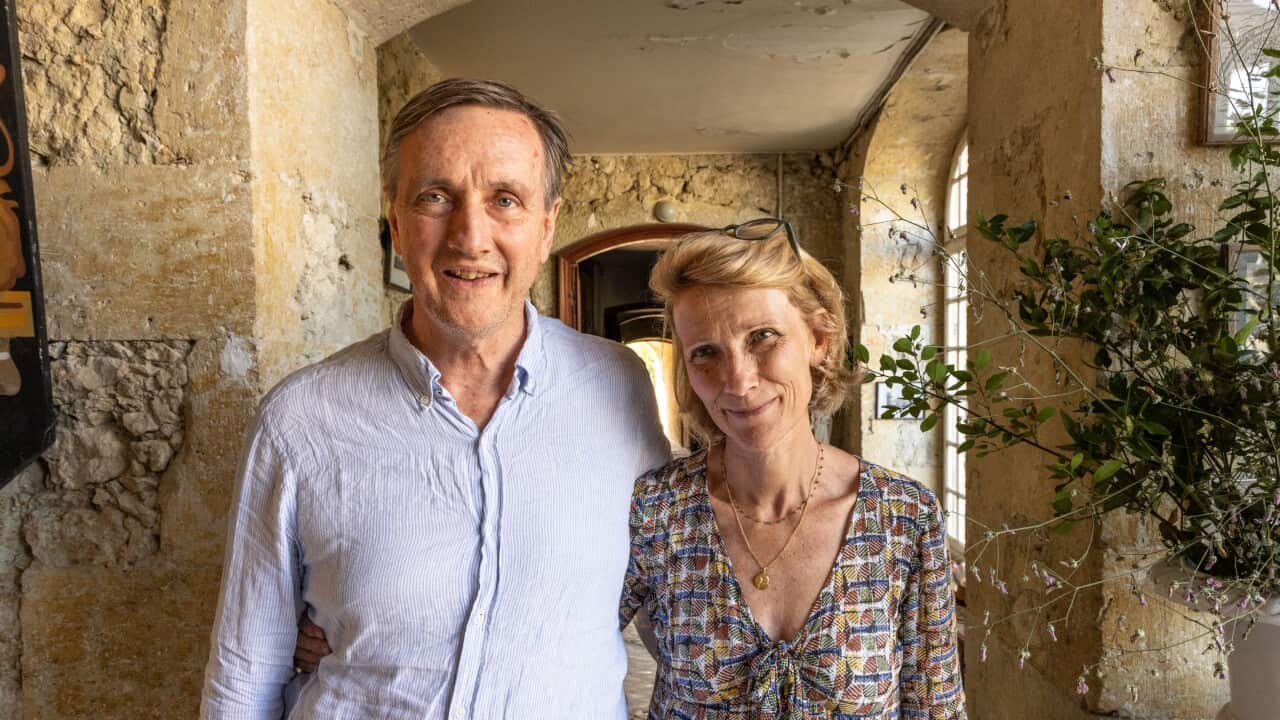
That's how Anne-Sophie De Galard felt when she and her husband Olivier inherited property from his family.
Inheritance can be legally, financially and emotionally complex, but for this couple, their new property presented a unique set of challenges: it was a château in France.
News that makes sense
Your trusted source for staying up-to-date with the world around you. Get free daily news updates and analysis, straight to your inbox.
Château de Magnas sits on 20 hectares of land just south of Bordeaux in the country's south-west. Anne-Sophie and Olivier, who are both French, inherited the property six years ago and they live between the château and another home near Paris.
The château dates back to the 16th century and, according to the French Heritage Society, it also had extensive renovations in the 19th century.
For Olivier, living in a property like this is "not extraordinary, it's normal". He grew up here.
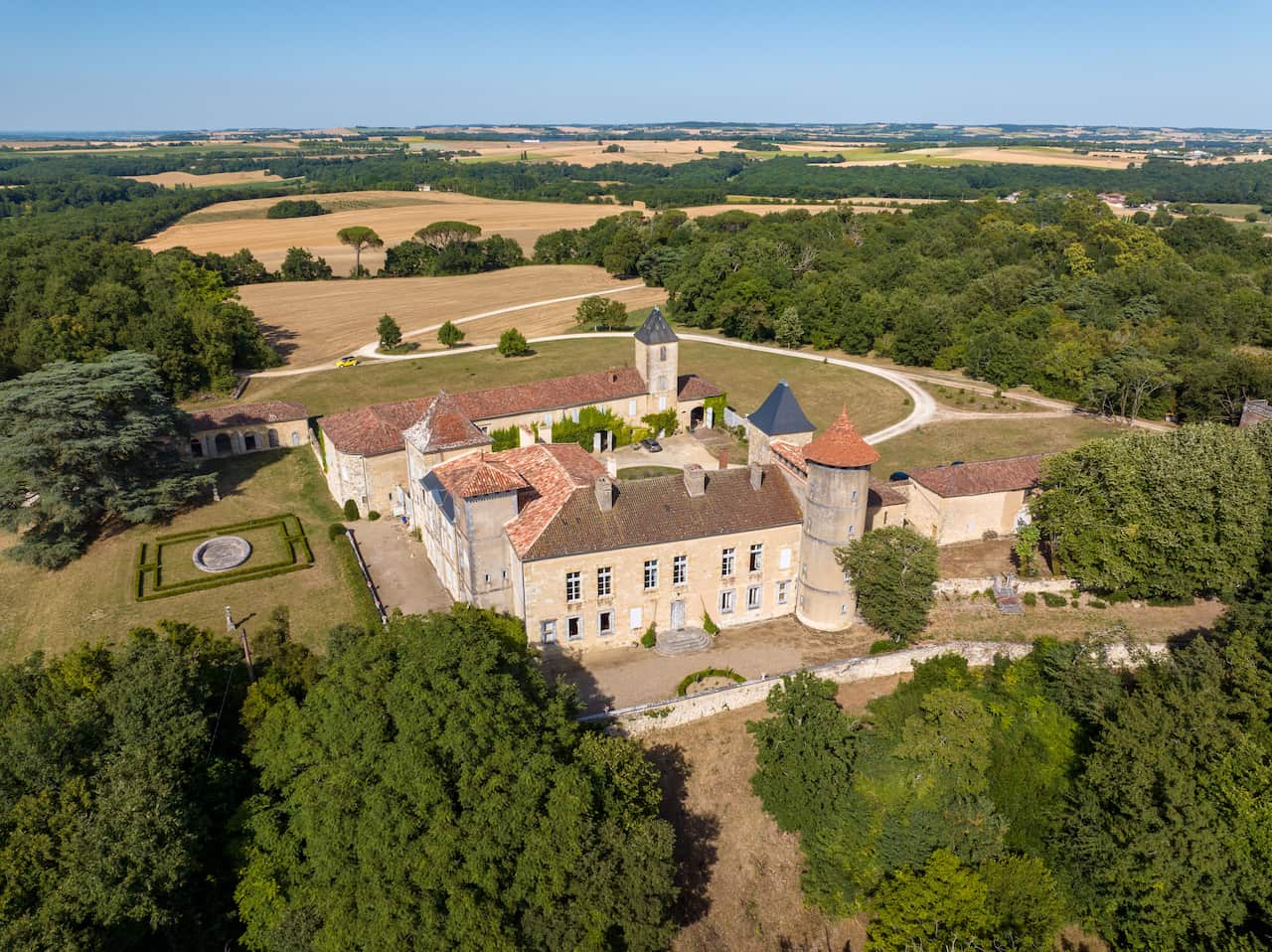
Château de Magnas has been in the De Galard family for more than seven centuries — and it's one of approximately 45,000 châteaux across France, all in varying states of repair and habitability. There are more than 1,000 châteaux up for sale on luxury property websites.
The idea of inheriting a castle in the idyllic French countryside has captured imaginations around the world.
Last year, US channel HGTV launched a reality TV show called Castle Impossible. It follows two high school sweethearts from California who inherit and restore a 500-year-old château near Paris.
Restoring properties like these might sound like a fairytale, but in reality it's a time-consuming, expensive and often-never-ending project.
In 2025, France's Ministry of Culture published its latest five-year assessment of registered historical monuments.
This is a special designation meaning the building has historical importance and is protected by law. Château de Magnas has been classed as a historical monument since the 1980s.
The government's assessment found 23 per cent of the 36,512 historical monuments assessed were in 'poor condition' or 'in danger'.
Nearly 1,000 of the 1,789 monuments classified as 'in danger' are privately owned. Over 6,000 monuments were assessed as being in 'poor condition', and more than 2,600 of those were privately owned.
'At first, it was overwhelming'
According to July 2025 research by financial comparison site Finder, one in 10 Australians say they're depending on inheritance to achieve significant financial goals, like retirement or home ownership.
But inheritance can also come with a costly price tag — particularly if the property you're inheriting is a château.
Historically, the De Galard family were aristocracy. At various points in history, the family were close allies with French royalty, Anne-Sophie said.
In the present day though, the De Galards are closer to middle class.
Anne-Sophie said people "think we're billionaires and that we can put in a lot of money". Instead, they've had to "find intelligent ways of doing things".
For Olivier, approaching the restoration means being "reasonable" about what they can achieve.
Château de Magnas requires significant upkeep and financial investment. One essential resource for the château's restoration has been the couple's five children, who are aged between 19 and 29.
"I admit that at first, it was overwhelming because there were so many things that my husband and I had to really think about whether we were even capable of this," Anne-Sophie told SBS Dateline.
"Luckily, we had our team of five children who were super involved and who said, 'go for it parents, we're with you'."
Restoration is a family affair
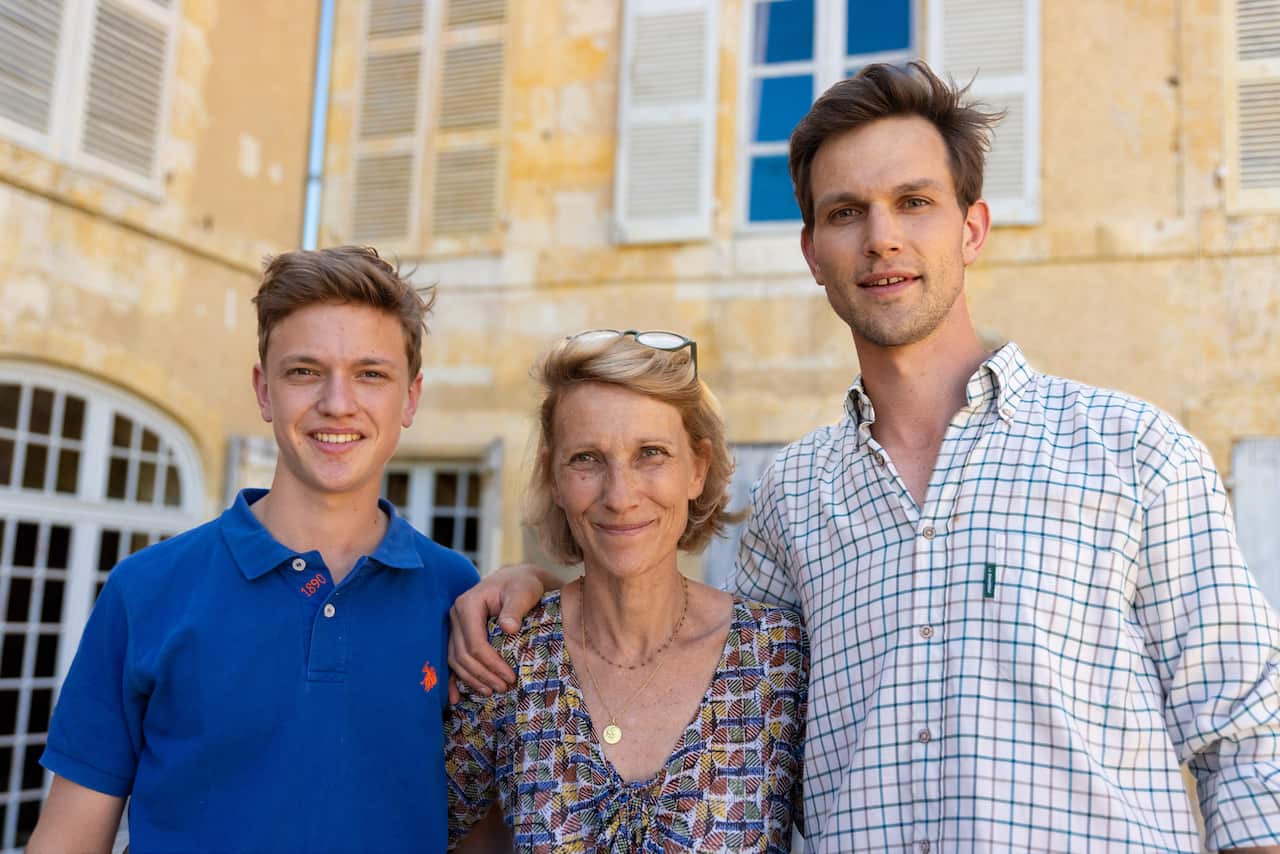
Each summer, the De Galard family comes together to contribute to the restoration of the château.
François, the eldest child, told SBS Dateline they spend one or two months over summer every year at the château, working on projects such as reconstructing the property's stone fence.
"At the beginning of every summer, we do a list. And if we don't do it well, you put in danger some of the buildings," he said.
"It's very important for us because, I mean, lots of generations have kept this in the family. We don't want to be the ones that let it go."
Châteaux are seen by many French people as an essential element of the country's history and culture.
"As soon as a buyer considers a property as a commodity, something he can buy and resell, it destroys all the historic side of it," François said.
But while many young people respect this heritage, they don't necessarily want to take ownership of the buildings themselves.
Eléonore is François' wife. The couple held their wedding at Château de Magnas in 2025.
She believes young people in France don't fantasise about owning châteaux.
"If you ask yourself what it means to succeed in life; it is not going to be to buy a château," she said.
"It will be different now, like a dream villa."
'Really magical' financial support
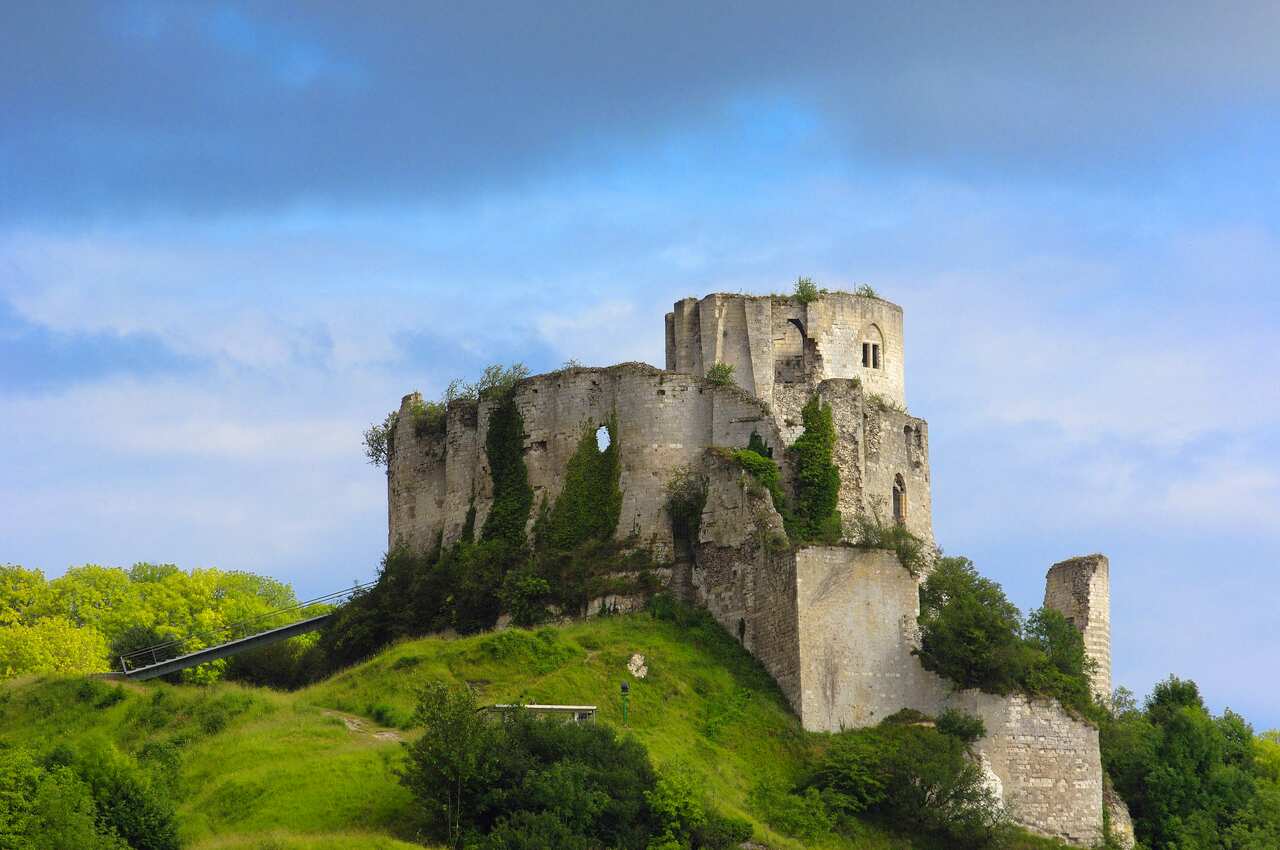
To help keep châteaux alive, the French government launched the Heritage Lotto in 2018.
Proceeds from scratch cards and lottery tickets go towards the fund, which is used to support the restoration of buildings.
The De Galards received €250,000 ($442,000) from the lottery, which Anne-Sophie described as "really magical" and "wonderful".
They are putting money towards the property's 200 square metre stables.
"It's enough to completely secure and restore this room of the stables. But then there are other rooms and there's a lot of work. And restoration is always very expensive," she said.
"Unfortunately, the budget won't be enough. But we're going to find other solutions so we can keep fighting and carry on."
An investment in history
Frederic Didier, France's chief historical monuments architect, told SBS Dateline he believes every château should be saved.
"We shouldn't even ask the question. We must act as if ... with every destruction, every loss, it's as if we are amputating something that belongs to all of us."
He also supports private and foreign investment in châteaux.
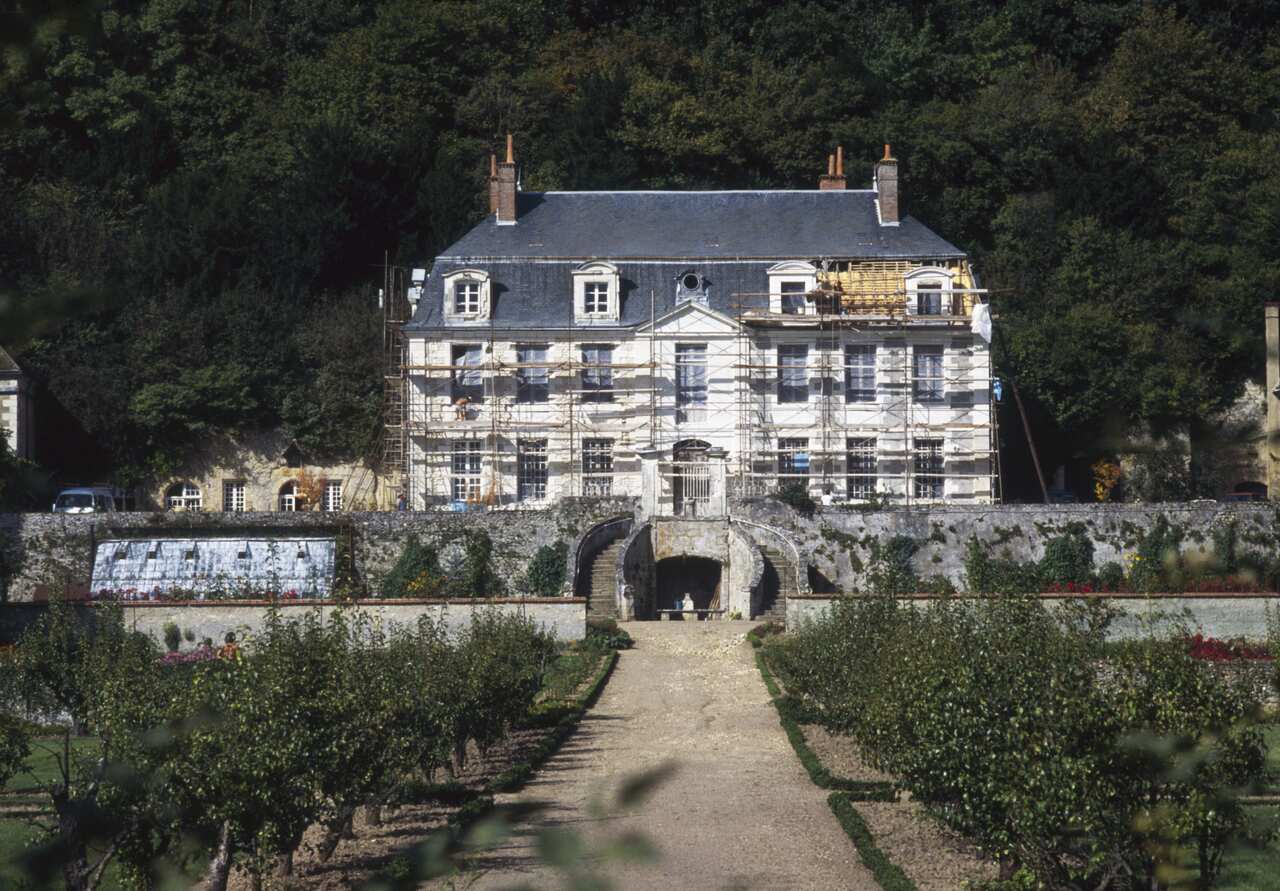
"The state is not a bottomless pit with bottomless pockets. It already has trouble maintaining its own properties," he said.
"First of all, we need to have more private owners, more goodwill that actually drives the initiatives."
Investing in the property doesn't mean there will be financial returns for the owner.
Olivier said that the value of the château doesn't increase with "the proportion of money you put in".
The purpose of the family's financial investment into the property is maintaining it, rather than increasing its value.
But part of their investment is also about preserve the building's history.
"It's not just our house, it belongs to France," said Anne-Sophie.
"And we are very proud to preserve something for our French heritage."
Watch your favourite Dateline episodes around the clock on SBS On Demand's dedicated Dateline channel. For the latest from SBS News, download our app and subscribe to our newsletter.

Dateline is an award-winning Australian, international documentary series airing for over 40 years. Each week Dateline scours the globe to bring you a world of daring stories. Read more about Dateline

Have a story or comment? Contact Us







