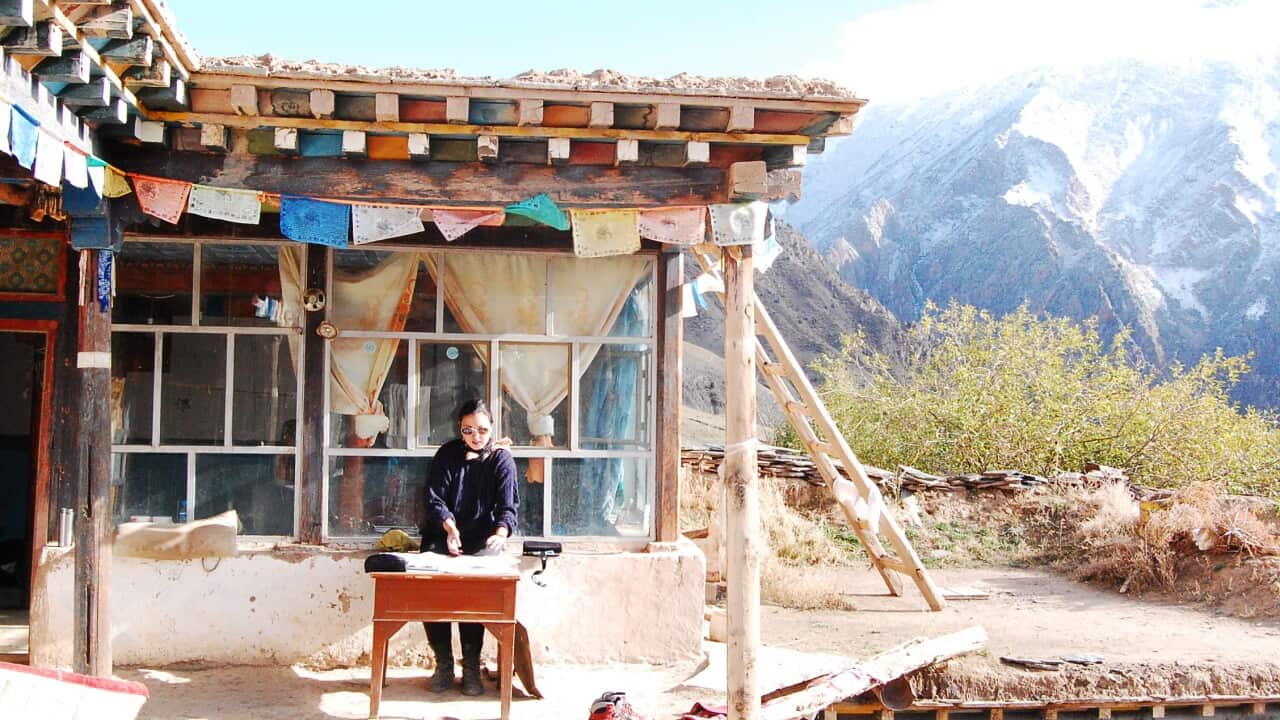
Working with the Tibet Heritage Fund for three months confronted us with the basic life of people in Yushu, our main base and a Tibetan autonomous prefecture in China’s Qinghai province, a village that had been severely damaged by an earthquake a year before our arrival.
In no time we were absorbed by the simple life among tents and dust, with no proper streets, reliable electricity or water system. The more we suffered from the cold and dust during night, lack of a warm shower and proper hygienic sanitary facilities, the closer we got in touch with the local people and started to adapt to their way of living and sincere attitude.
Officially, we were travelling tourists that were prolonging their visa every 30 days.
This week’s Dateline looks at attempts to preserve Tibetan building practices in China. Find out more here:
News that makes sense
Your trusted source for staying up-to-date with the world around you. Get free daily news updates and analysis, straight to your inbox.
Unofficially, we were participants of a German development policy program for young professionals, who were sent abroad for three months to work with a NGO, learn about global contexts, ask critical questions and explore topics that are worth speaking out about in our western world.
Our task in this time was to support and preserve the Tibetan architecture approach and traditional construction methods by taking measurements and drawing accurate plans of hidden old villages, such as Layew.
Many of these traditionally build homes are under threat, as modern Chinese housing methods are favoured when replacing housing in damaged Tibetan villages.
These are some diary entries from my time in Yushu and Layew:
September 28, 2011
“Yushu must have been a beautiful city before the earthquake in 2010 destroyed most of the buildings. It turned into a tent-city sunken in mud.
We’re living in one of only three brickearth buildings in Yushu, which stand in resistance to the Chinese process of housing deconstruction and resettlement of Tibetans. Sad to know that in a couple of years this city will be reborn in cement solitaires.
I am not sure if I should feel amazement, compassion or anger for that what is happening in this province in south Qinghai.”
October 2, 2011
“Last week Anne – who is also working here – woke up with the words ‘I would love to have a croissant with jam and butter, a hot cappuccino and a glass of orange juice for breakfast.
It ended with a bowl of tsampa and salty tea. Tsampa is a traditional Tibetan breakfast food – it’s simply flour made from roasted barley, mixed with sugar and salted black tea.
Well, we have to admit we’ve started to fantasise about chocolate brownies, roasted potatoes and a good cup of warm coffee.”
October 2, 2011
“Don’t try to Google Layew, it’s too tiny.
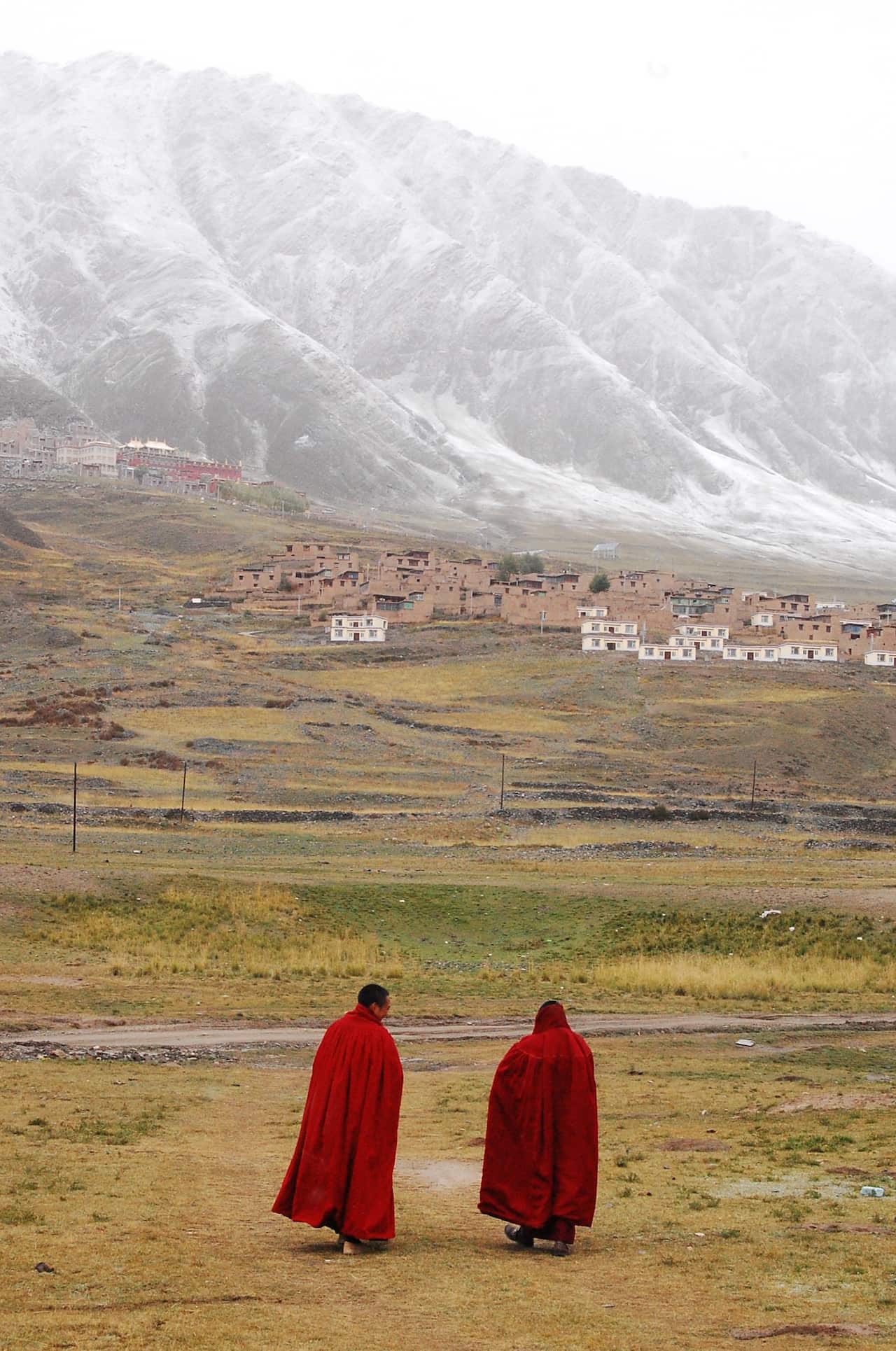
It’s a small village 200km southwest of Yushu hidden in between the mountains. We were sent to document three old Tibetan buildings.
By car it might take five or six hours ride for the distance of 200 kilometres and an additional rise in altitude of 600 metres. Packed with a lot of food and an additional guest, plus his video equipment, it got tight in the car.”
October 5, 2011
“High altitude: approximately 4,500 metres above sea level. Everything is suddenly more exhausting, even the ten steps up to the terrace make you breathe heavier. And, of course, I have a headache.
But did I mention the peaceful view? Layew is the limit of isolation. Our two Tibetan ladies have to walk 15 minutes to fetch water. There is one village phone ten minutes’ walk down the valley.
We take a shower at night time on the terrace and live from the food we brought and the generosity of the neighbours. We tasted yak milk, self-made yoghurt and planted spinach.
Also, my camera charger stopped working.”
October 10, 2011
“Ten days in Layew make you feel relieved and lost. It’s the simple life that we start to appreciate here: brushing your teeth under a bright moonlight, spitting on the terrace; using a wooden toilet; washing your hair and clothes at the water source ten minutes walk from our house.
A traditional oven, heated by yak dung, provides the best warm plates for self-made bread. And our Tibetan girls pampering us with french-fries, momos, vegetable hot soup, spicy yummy food.”
October 13, 2011
“We have the impression that we are quite famous now here in Layew.
The ‘yakboys’ bring fresh yak milk, which makes the coffee taste more unique.
The village people come around more often for a chat or a quick meal than they did when we first arrived and invite us for a walk to the monastery nearby.
Next Sunday seems to be a good day for a ride back ‘home’ to Yushu. Considering the Tibetan calendar considered the 15th day of each month a Day of Miracles, we’ll take our fortune and plan our ride back to Yushu on the 16th.”
October 14, 2011
“Final work: we finished two weeks of measuring, climbing into caves, and getting dirty and dusty.
We produced: 29 plans in A2 format, accurate pencil drawings, photos and made new Tibetan friends.
Left blessings: Sunburned brown hands, dry peal and an aching back from our self-built chairs and inconvenient drawing position.”
October 16, 2011
“We were supposed to leave at 7am but then we had to say goodbye to the neighbours, drink a tea with the village people next to our house, pass the monastery and ask the monk to pray for the long trip back, and visit the place where the grandparents and sister of our Tibetan driver and acquaintance live.
There we got dry yak meat lunch and nomads’ yoghurt, before heading to a natural fount of holy water on our way back to Yushu – finally.”
Juni Vuong is an architect based in Germany.
Read more about the rammed earth building practice here:

Dateline is an award-winning Australian, international documentary series airing for over 40 years. Each week Dateline scours the globe to bring you a world of daring stories. Read more about Dateline

Have a story or comment? Contact Us







