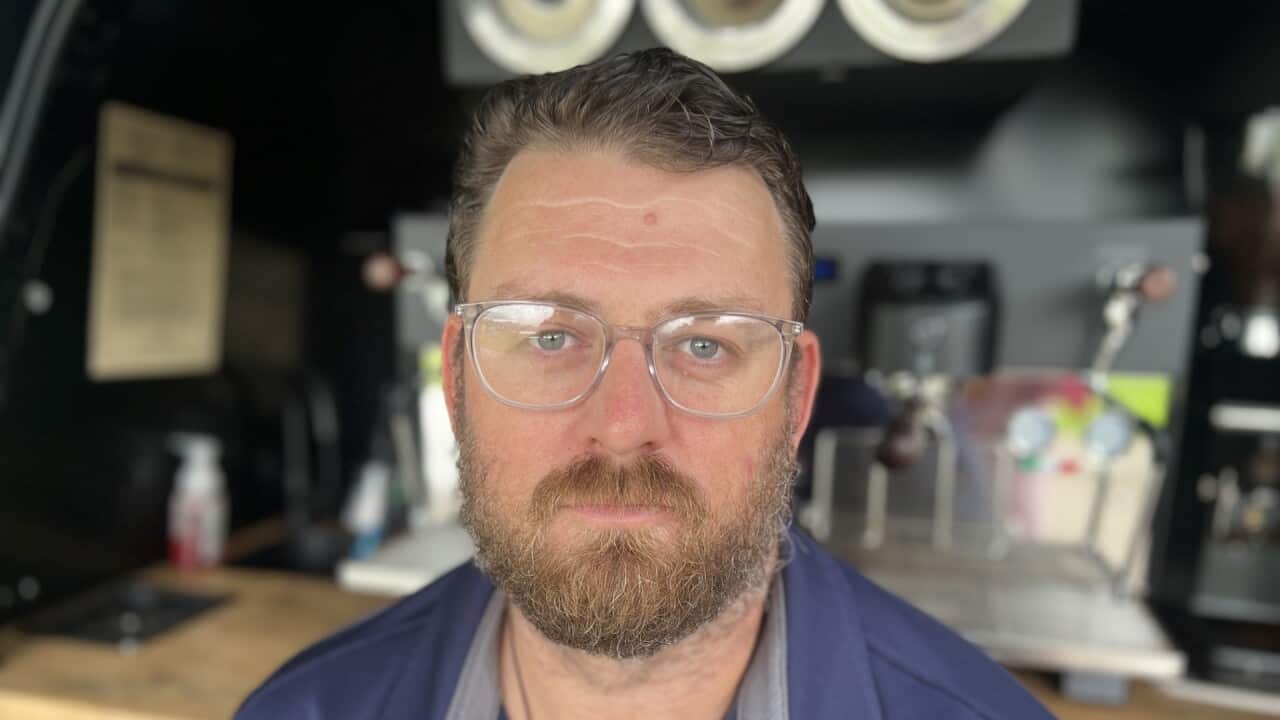
The unrelenting pursuit of climbing the career ladder and achieving success has many questioning if the rat race is still worth running. Insight looks at why some of us prefer the rat race, why some are opting out, and asks: Is there a way to still run the race, without it running us? Watch Insight episode The Rat Race on SBS On Demand.
From the start of my career, I carried a quiet fear that I was not enough.
I believed that success would make me happy. And somewhere, along the way, that became an obsession.
News that makes sense
Your trusted source for staying up-to-date with the world around you. Get free daily news updates and analysis, straight to your inbox.
I did not feel like I had the same standing as the engineers around me. I wanted to prove I belonged.
I told myself that if I could become a manager, everything would make sense. People would listen to me. People would respect me. I would finally be someone.
So, I worked hard, sacrificed, and climbed. After nine years, I got there, but it came with consequences.
From the outside, I had what I thought I wanted. I had the title, I had the income, I had my wife, Bec and our children.
I had reached the place I had spent years chasing. But inside, I was miserable.
The job I had worked so hard for was not what I thought it would be, but if I hated the thing I had built my identity around, who was I?
'Men carried the load quietly'
I was working away in a Monday-to-Friday mining drive-in, drive-out role. I told myself I was doing the right thing: I was providing, being responsible, doing what a man was meant to do.
I felt trapped between two versions of myself. One version wanted to be home; he wanted to be the dad who played on the floor and the husband who still had something left to give at the end of the day.
Instead, I was the person who came home at the end of the week tired, distracted and carrying a version of myself I did not know how to put down.
This version of me believed that: men pushed through, men did not complain, men carried the load quietly, and men did not make their problems someone else's.
I always measured myself against my dad, who provided for his family and never complained about the hand he was dealt — even when he lost a finger on the job.
I didn't tell my wife how miserable I had become. I told myself I was protecting her, but really, I think I was scared.
Scared she would see me differently. Scared, I would have to admit I was not coping. Scared that if I opened the door even slightly, everything I had buried would come out.
My children avoided me
It became harder to get out of bed during that year, and by the end of it, I reached a point where I could not do it anymore.
It was around that time that I discovered my children avoided me when I was home because I was stressed and cranky, which crushed me.
They were tiny — three years old and 18 months old — and they would rather stay away than be near Dad.
I loved them more than anything, but love does not stop your stress from consuming the people closest to you. It does not undo the damage of being physically home but emotionally unreachable.
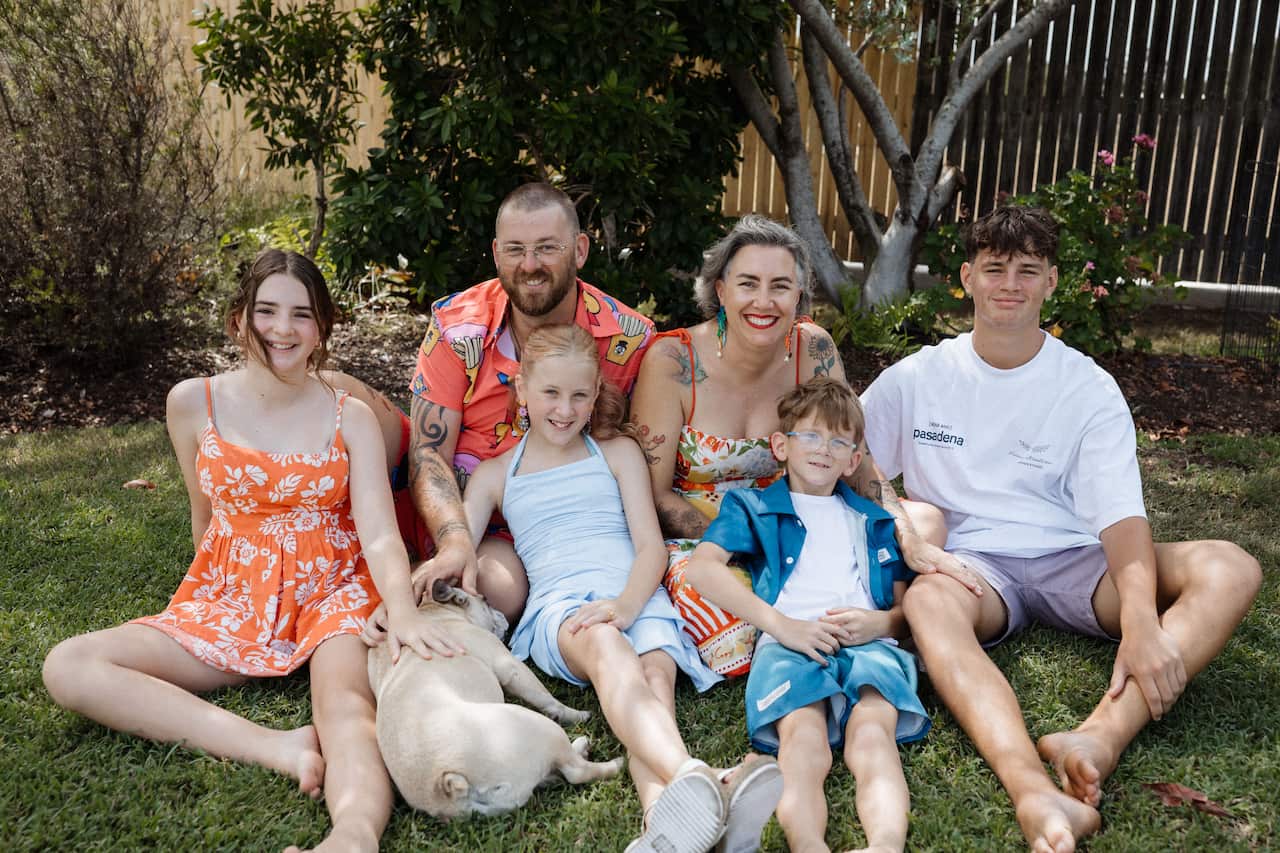
After a couple of months off, I parted ways with the company, and I became a stay-at-home dad for a while.
I was rebuilding my relationship with my children and was trying to be a visible parent again. That period was one of the best in my life.
I went back to work when our third child was born, and because I couldn't find the kind of job I wanted, I went back to engineering.
The work and money were good, but I was working away from my family during the week, and I hated being away from them.
Then two things happened that changed everything. The first was a miscarriage, which was a devastating loss that left us not knowing where to put our grief.
And the second was that my son drew a picture of our family at kindergarten without me in it.
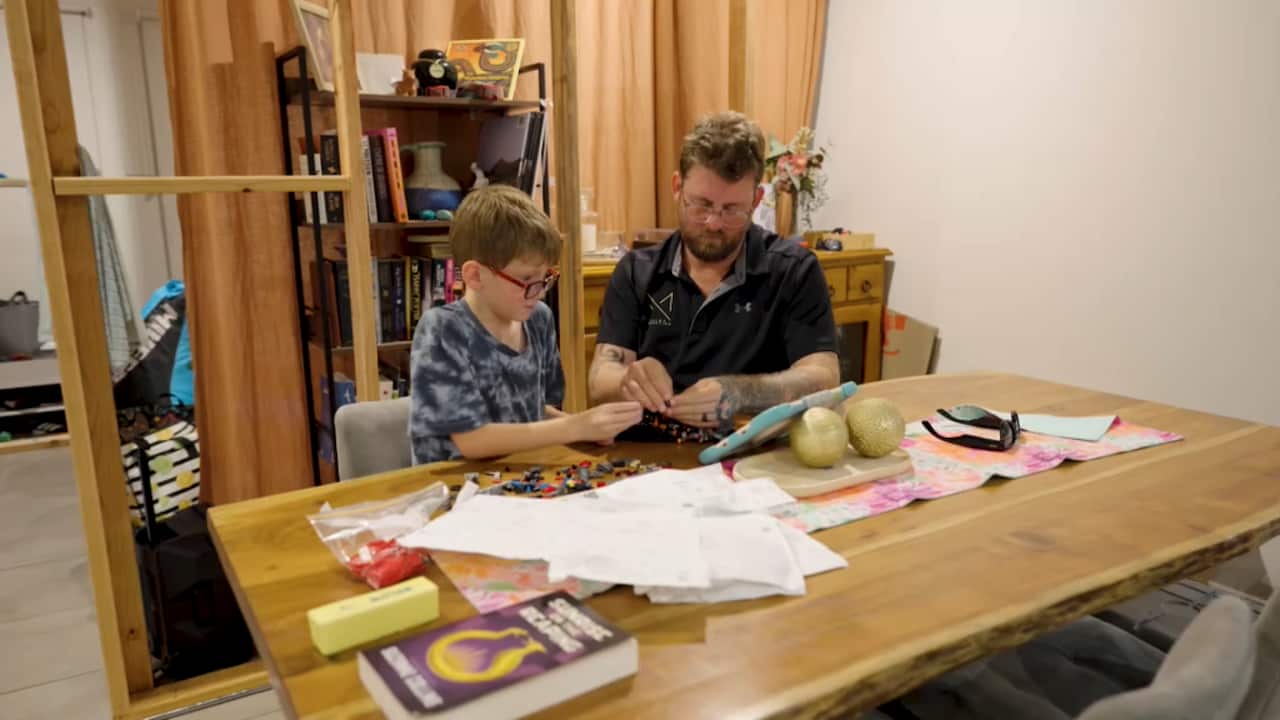
Seeing it broke me — I felt confused, hurt and ashamed all at once. While I was trying so hard to be a good provider, I was disappearing as a father.
I was not there for the school mornings, the dinners, the bath times, the bedtime stories — the small ordinary moments that make a child feel safe.
I thought I was working so hard all for the family, but deep down, I knew that if I kept going, I would risk losing it all.
Reaching breaking point
One day, shortly after seeing the photo, I woke up crying.
I dropped the kids off at school before arriving at work. But as soon as I pulled into the car park, I burst into tears and could not get out of the car.
I called my wife, who was away for work, and told her I needed professional help. This led to the period where I learnt how to express my feelings again.
We had some tearful conversations mounting to the point of her being ready to leave.
To me, it felt like everything fell apart in a week. For her, I now understand it had probably been building for months — maybe years.
Shifting priorities
Through therapy, I came to understand that I had spent years bottling everything up.
I was not processing what I was feeling; I was freezing. I would come home from work and doomscroll on the couch. While I thought I was holding everything together, the people I loved most were experiencing me as absent, angry, shut down and unreachable.
I realised my obsession with climbing the corporate ladder had stopped me from being the father and husband I wanted to be.
I could not be both the man work demanded and the man my family needed.
At night-time, I went to war with my thoughts: "You are useless. No one loves you. Your family is going to leave you. You are going to be alone."
But therapy helped me to realign my priorities and to leave the traditional career path, which helped to improve my mental health.
Learning to be present
When I describe this period, I say my therapist saved my life, but my wife brought me back to life with her support and love.
Now, we are building something as a family. We are working towards opening a cafe and creating a future that does not rely on someone else's ladder. We also operate a coffee van on the side, and I still consult for the mining sector.
Our lives are still busy and stressful, and there are still days when I worry about money, responsibility and whether I am doing enough.
But the difference now is that I am here.
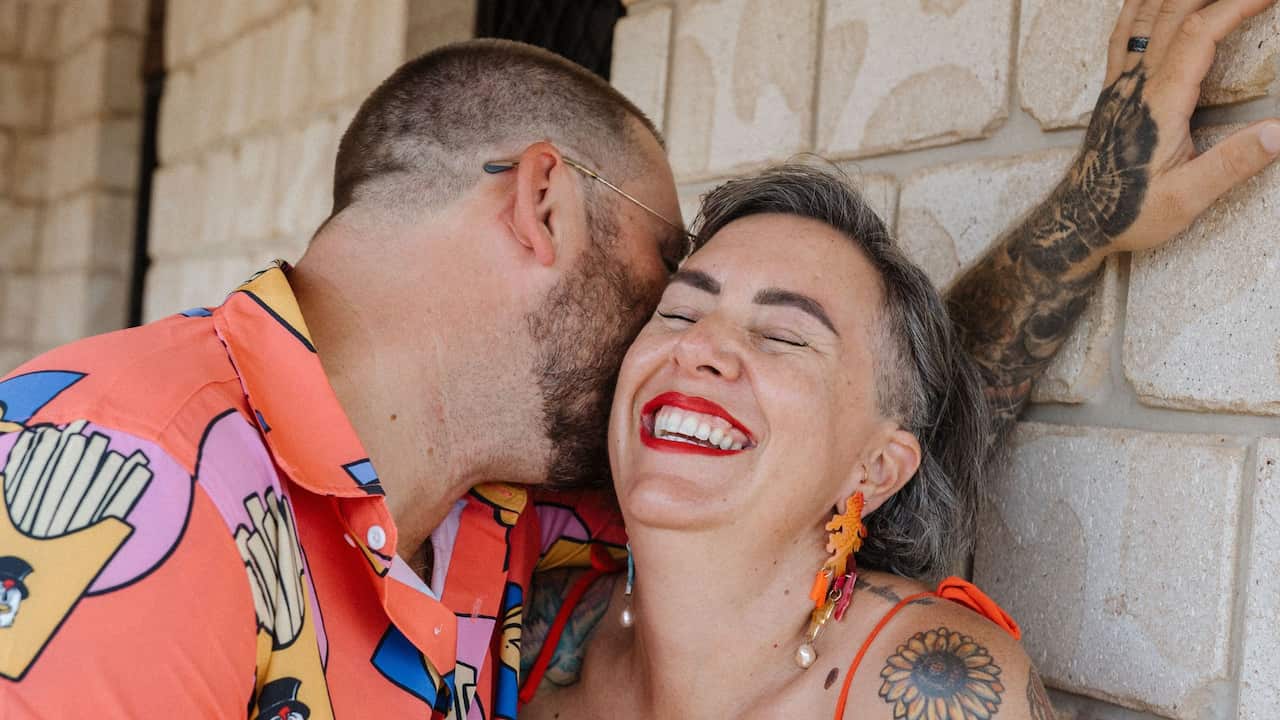
I do not have enough memories of my children when I look back on my years in the corporate rat race, which is one of the deepest pains of my life.
I feel like I lost part of their childhood, and I cannot get those years back or redraw the picture my son made in kindergarten.
But I can try every day to make sure that when my children picture their family now, they know Dad is there.
For crisis and mental health support, contact Lifeline (13 11 14), SANE Australia (1800 187 263) or 13Yarn (139 276), a 24/7 Aboriginal & Torres Strait Islanders crisis support line.
Watch your favourite Insight episodes around the clock on SBS On Demand's dedicated Insight channel. For the latest from SBS News, download our app and subscribe to our newsletter.

Insight is Australia's leading forum for debate and powerful first-person stories offering a unique perspective on the way we live. Read more about Insight

Have a story or comment? Contact Us







