
This audio is voiced by AI and may occasionally mispronounce words.
Share your feedback and help us improve this feature. Read more about how we use AI at SBS here.
The unrelenting pursuit of climbing the career ladder and achieving success has many questioning if the rat race is still worth running. Insight looks at why some of us prefer the rat race, why some are opting out, and asks: Is there a way to still run the race, without it running us? Watch Insight episode The Rat Race on SBS On Demand.
Nine years ago, Nicole Lindner and her partner Nic were struggling in the rat race — commuting five hours a day, five days a week.
They loved their jobs in the public sector, but this commute between Newcastle — two hours north of Sydney — and Parramatta in western Sydney had been occurring for five years.
News that makes sense
Your trusted source for staying up-to-date with the world around you. Get free daily news updates and analysis, straight to your inbox.
"It was essentially working a part-time job just in travel alone — on top of a full-time job ..." Nicole told Insight.
Nicole says that this commitment to the rat race meant they developed burnout, had dips in mental health and had no work-life balance.
"We used to joke that we'd be zombified on a weekend, and then come Sunday, we'd turn around to do it all over again."
The couple decided they had two options: stay in their jobs and move closer to Sydney (where a mortgage would be more expensive) or pursue their dream of living sustainably in a regional area.
"We had a lot of planning to do to leave the rat race," Nicole said.
"We were leaving our salaries — so we saved up for a few years."
The couple then sold their Newcastle unit, which allowed them to buy four hectares of land and have a farm in Nimbin, in northern NSW.
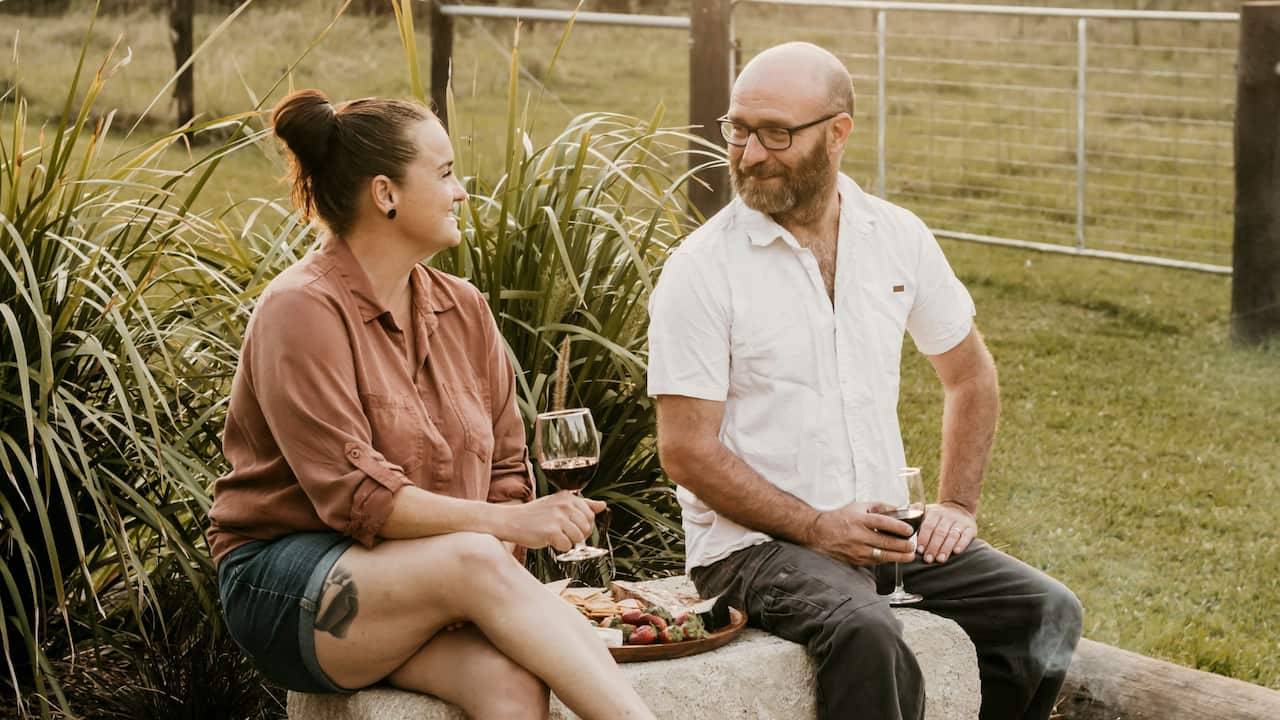
"When we did move, we were able to have a rest for a few years and raise our children," Nicole said.
"And then we invested the money that we had saved, and also built rural tourist accommodation on our farm, which is now an award-winning business."
The cost of choices
Max Phelps doesn't believe the cost of living is what's keeping many people in the rat race. He says it is more so the "cost of choices".
"I think when we break it down to what we actually need to survive, the cost-of-living crisis is a complete misnomer ..." Max said.
"The cost of things now compared to 50 years ago; we are so well off ... But we've upgraded all of our little choices so that everything costs us more than it needs to."
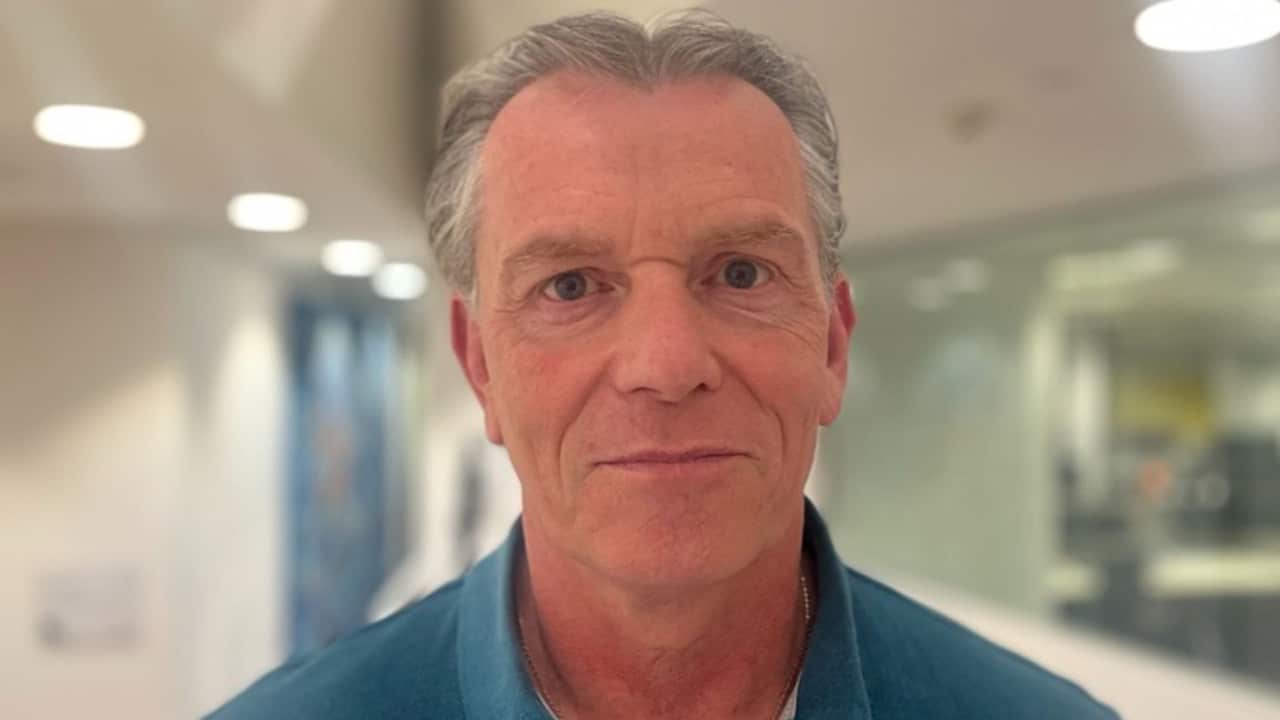
Having grown up in a family of nine, Max always strived for a career that would allow him "not to be broke".
He climbed the corporate ladder and eventually became a director in a multinational company's sales and marketing department. But he struggled to save, even while being a high earner.
"It was actually access to money that was the problem ..." Max told Insight.
"The more money that I earned ... spending just matched."
Max found it easier to get ahead financially when he, his wife and their three children relocated overseas for his work.
He was being paid in two bank accounts, so he learned to live on just the local Asian portion of his salary, which taught him to control his spending. He didn't touch the money being deposited into his Australian account.
"It was only when we got moved to Asia ... and made it work on the local salaries that we realised that saving was actually about controlling the spending, and then saving," Max said.
An inflated idea of a 'normal life'?
Sunshine Coast-based Lisa, who is an aged care customer engagement manager, says that social expectations and lifestyle choices have kept her in the rat race.
"I feel like we've all unconsciously agreed to this idea that we'll measure success — and even sometimes who we are as people — based on our homes, our cars, our holidays ..." Lisa told Insight.
"I think we've inflated what a 'normal' life is supposed to look like."
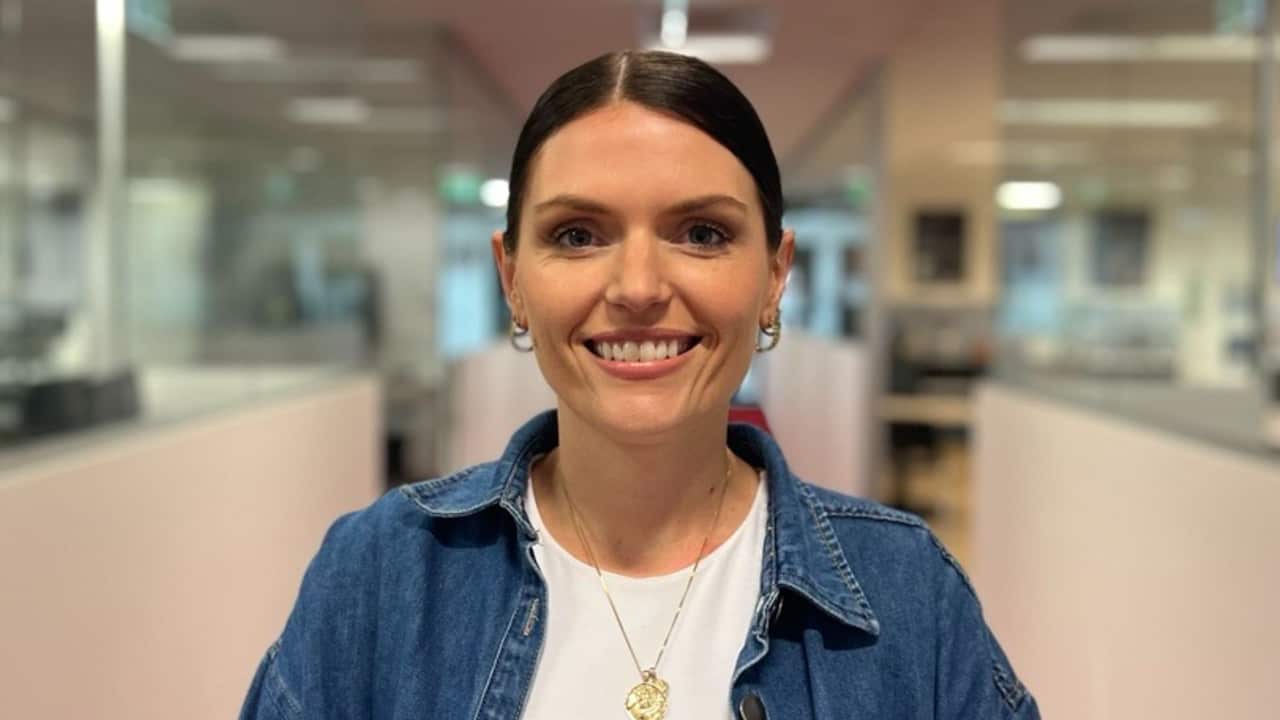
She says that the cost of living is a pressure point for her and her husband, and they've cut a lot of discretionary spending, including takeaway coffees and social activities.
"I feel like I'm relating less to my friends," Lisa said.
"They're talking about overseas trips, house renovations, and [they are just not things] we're spending on at the moment."
Finding the right work-life balance has also been a tricky spot for Lisa and her husband, who both work full-time and have two young children.
"I always feel like I'm dropping something somewhere.
"I'm doing really well at work, I'm missing out on things with the kids and vice versa."
Flexible working arrangements
One in every two Australians is experiencing workplace burnout, according to a 2025 poll conducted by Beyond Blue.
Across all ages surveyed, primary drivers of burnout included: inappropriate workload (49 per cent), lack of management support (32 per cent), and inflexible working conditions (21 per cent).
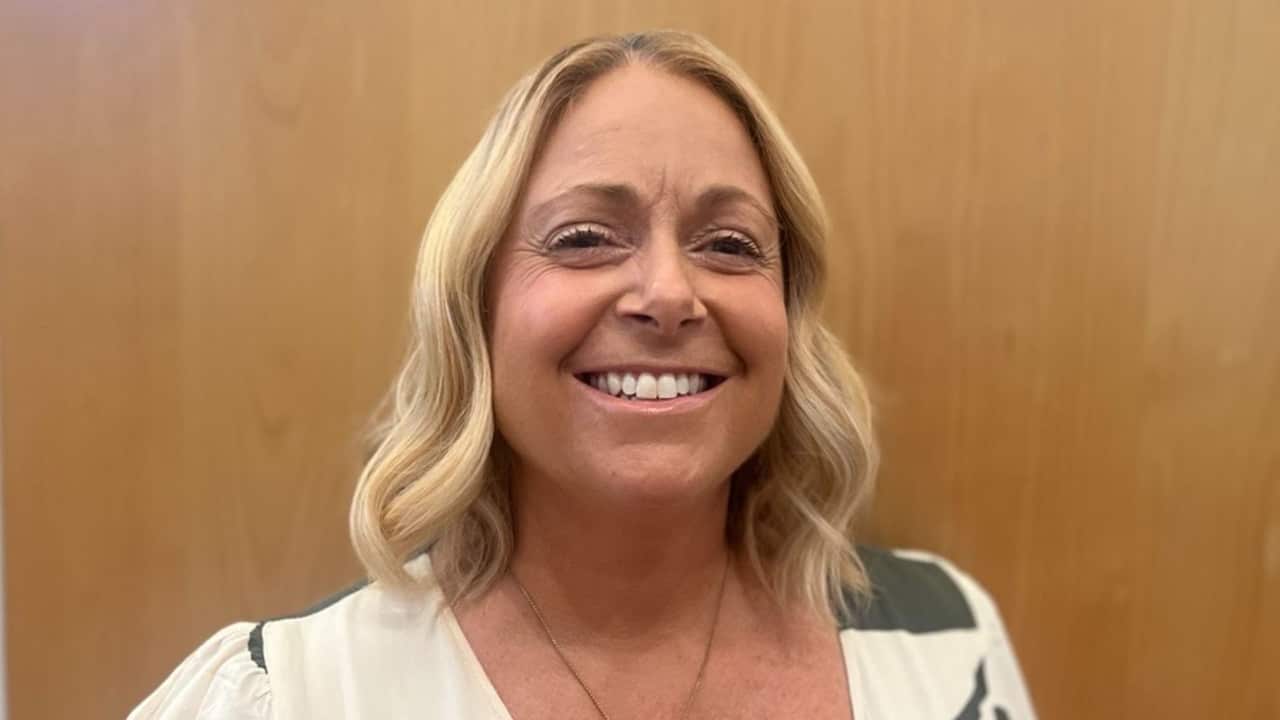
Kath Blackham, a founder and CEO of a Melbourne-based AI consulting business, introduced flexible working conditions to her staff, including a four-day work week.
"The way that we work is 100/80/100, so 100 per cent productivity over 80 per cent of the time for 100 per cent of pay," Kath told Insight.
" ... The effects were immediate: staff were happier, there was less attrition and less sick leave taken, profits increased — and so did productivity."
Kath says that her company retains an office space for employees who prefer to work in an office, but they also have the choice of working remotely.
The working from home model
Recently, the Victorian government mandated that employees who can reasonably work from home be allowed to do so for two days a week, starting in September.
While working from home was a necessity during the COVID-19 pandemic, some employers like Graham Wynn question the effectiveness of that work culture in today's context.
Graham, who worked as an HR recruiter for over three decades and now runs a recruitment agency in Melbourne, disagrees with the state government's move.
"Worst decision ever. Governments shouldn't interfere ... in workplaces like this," Graham told Insight.
"Employers and employees will work it out themselves."
Graham believes businesses that have white-collar and blue-collar workers will face a unique challenge.
"They can't all work from home. It's impossible." Graham said.
"You're going to create angst in that workplace where the white-collar can work from home, the blue-collar can't. They're going to get disgruntled with each other."
A personal rat race
The pandemic started the notion of working from home, but for Sydney couple Pragna Bhavsar and Sahil Bhandula, it shifted their view of the rat race.
"It really switched up the gears for me — in terms of thinking what I really wanted to do for the rest of my life," Pragna told Insight.
In 2020, they started a side hustle, a modern Indian catering company, while working full-time roles. Pragna then left the corporate rat race in 2024 for a personal one — working full-time on hers and Sahil's business.

She says she works more now than she ever did while working a nine-to-five in HR, but that she is better off in the long-term for it.
"When you run your own business, all the accountability falls on you.
"There's no one else completing your tasks. There's no one else wearing the different hats that you have to wear."
Sahil has continued to work full-time as a lawyer and helps the catering business part-time. And while the couple agree they've never been busier, they know it's worth it to build something they can call their own.
Pragna says having his stable income has helped the couple to structure their long-term goals.
"I do think [the rat race] is something that we all, at some point, will be part of — or need to be part of to get on to the other side.
"I don't think I would have been able to do my business if I [hadn't been] part of the corporate world and learned what I did."
Controlled spending
Like Pragna, Max swapped a corporate rat race for a self-employed one. After 15 years in the corporate world, he left when he no longer felt his values aligned with his work.
Having learnt to control his spending while in the rat race, he felt he was able to take a 93 per cent pay cut to work as a mathematics teacher, before becoming a self-employed mortgage broker.
Now also working as a financial coach, he still lives by the principles he learned in his early career.
"As soon as we start to create a spending plan to say, 'this is how much I'm going to spend each week ... our spending drops, and our ability to save goes up dramatically'.
"It is possible to save for the holiday and the home, but you can't do it in the same bucket."
'Chalk and cheese'
While Max remains in a lane of the rat race, Nicole and Nic have escaped it.
The couple manages their working farm, where they grow their own food, raise their animals, take dips in the creek, and the kids are picked up by the school bus at the farm gate.
"Our lifestyle has completely changed on its head," Nicole said.
" ... It's chalk and cheese compared to what we were doing."
Watch your favourite Insight episodes around the clock on SBS On Demand's dedicated Insight channel. For the latest from SBS News, download our app and subscribe to our newsletter.

Insight is Australia's leading forum for debate and powerful first-person stories offering a unique perspective on the way we live. Read more about Insight

Have a story or comment? Contact Us







