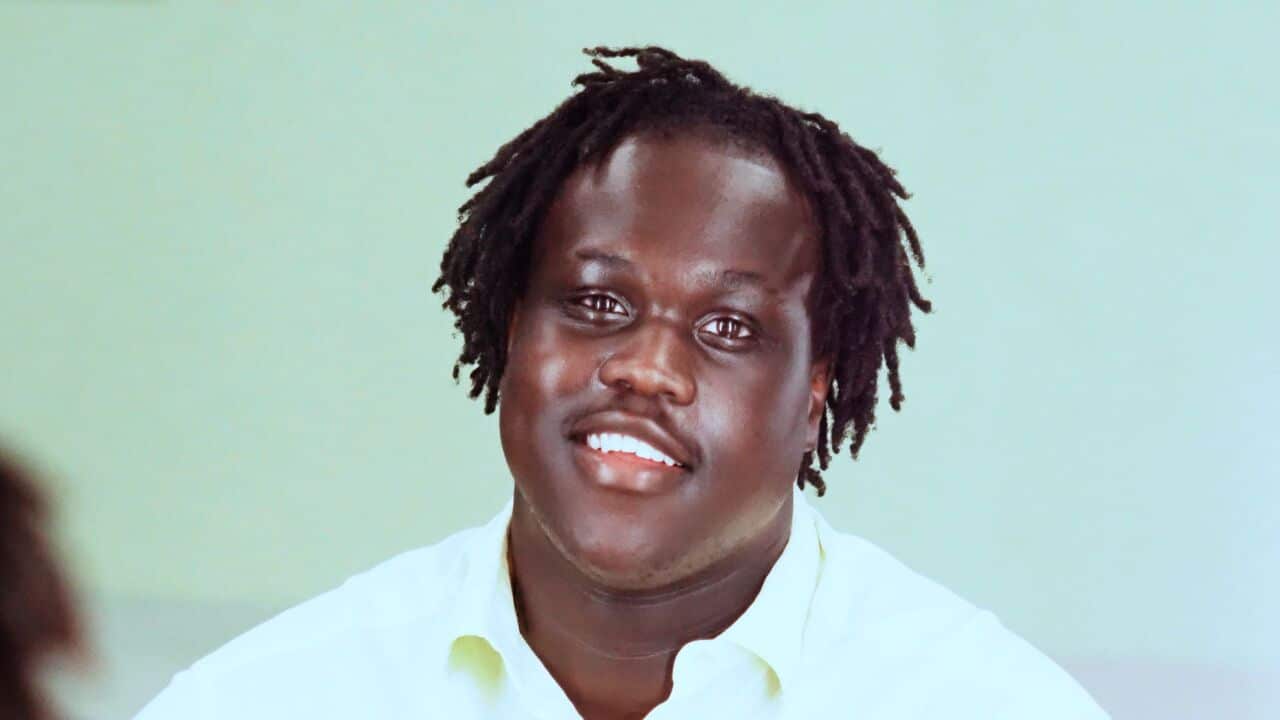
More than half of Australians think migration rates are too high. What's behind the numbers? Watch Insight episode High on Immigration on SBS or SBS On Demand.
Growing up as a South Sudanese Australian, I thought the other kids and I were all the same — just different colours.
It wasn't until I was about seven or eight years old that I realised I was considered different by some people.
My first direct encounter with racism was when I was in Year 2, and the white Australians didn't let me play football with them in the schoolyard. They let every other race play except Africans.
News that makes sense
Your trusted source for staying up-to-date with the world around you. Get free daily news updates and analysis, straight to your inbox.
I felt disempowered and helpless in that moment. And I believe it marked the beginning of the separation I experienced between Africans and the rest of the schoolkids.
My second major encounter with racism was when a Melbourne criminal gang, which happened to have some South Sudanese members, gained attention. I remember there being warnings about South Sudanese kids hanging out in groups together.
It felt unjust, and I was puzzled as to why it was only we who were singled out.
We kept hanging out in large groups, but even as a young boy, it raised questions for me about our country.
Joining the gang
As a preteen, I thought my teenage years would be spent either preparing to pursue a basketball career and a tertiary education — or accumulating wealth in the streets.
When I was 13 years old, I joined a street gang, which happened to be mostly made up of other first-generation Australian kids. '
I thought I'd finally found my group, my people, my tribe.
Outside of sports, it was hard for us young Black boys to find a home. Many of us grew up in single-parent households or absent-parent households — often with a lot of displacement and trauma.
Every member joined the gang for different reasons.
For me, having a group where I felt I belonged, had purpose and brotherhood, was deeper than being on any sports team.
The gang had a 'ride or die' type of ethos, and it felt like a place of honour and respect at the time.
Severing gang ties
However, there were a couple of factors that led me to leave the gang later that same year.
Soon after becoming a member and partaking in gang activities, I experienced a moral dissonance with my identity and my actions.
I realised I had no viable future as a member of the organisation, and figured I was better off alone — and not as an inducted member.
I still wanted to go to university after school, but I felt I was going in the opposite direction by being in the gang. So, I prioritised my own future and chose to leave.
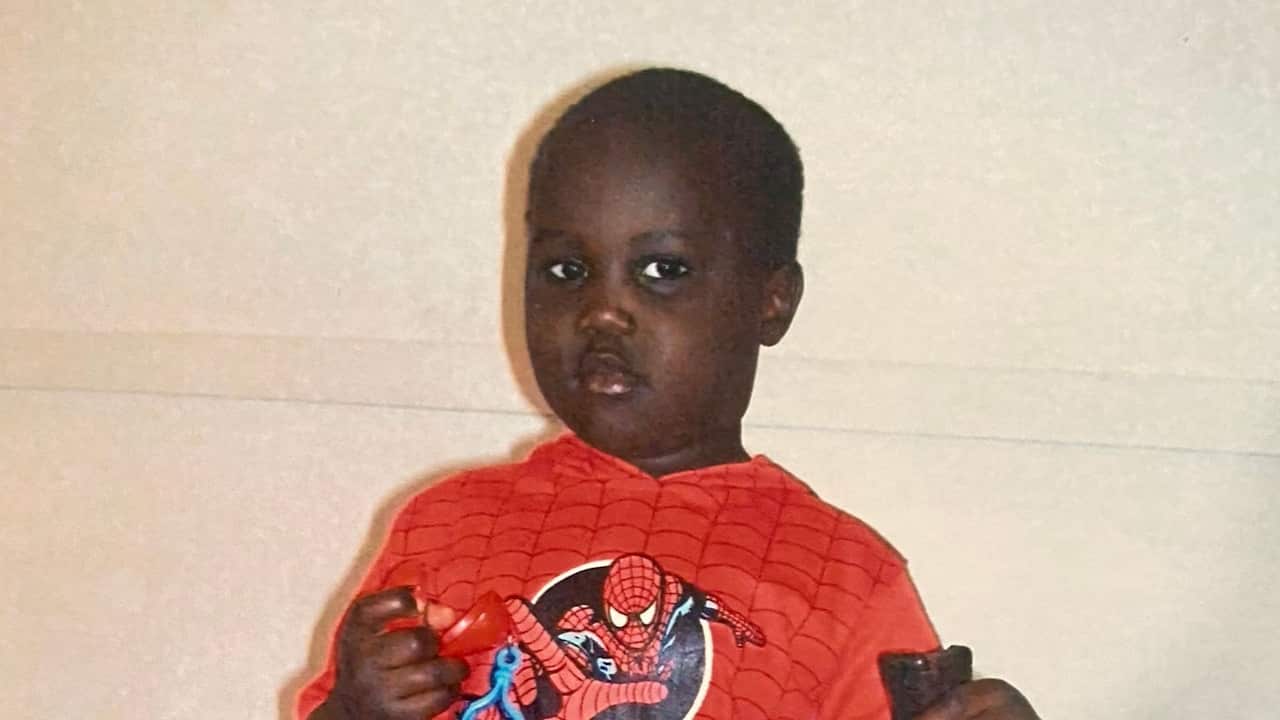
I was still affiliated after I left the gang, but I wasn't a fully pledged member.
This allowed me more agency to be involved only in events I saw as necessary. I also had a rule with myself: only defend, never attack.
I still had love for members of the gang and still felt obliged to protect them the best I could, which meant that, if there were serious threats to their lives, I'd intervene and put myself at risk.
Having one foot still in the world of the gang felt confusing. I'd always tried to be a gentleman and a leader, but in the darkness of night and on the streets, I was still affiliated and, to some extent, active.
'I felt incredibly guilty for his death'
My final straw with the streets and my gang affiliations came after my friend was attacked and killed alongside his friend in 2025.
I was no longer a gang member when he died, and I was trying hard to stay on the straight and narrow, but this was sometimes challenging.
Although I had nothing to do with his death and was not even there at the time, I still felt incredibly guilty about it.
I was a part of a youth gang culture that ultimately inspired — indirectly or not — a younger generation to take part in this lifestyle.
And ultimately, this underworld lifestyle was what took my friend's life.
Knowing before judging
Speaking of teething issues of fitting into a community, I feel like it's a struggle for anyone who's moved from overseas.
But I think when you add in the background of coming from a war-torn country or a vastly different culture, it's only natural for children of refugees (and other immigrants) to find it difficult fitting into Australian society at first.
I've been on the receiving end of xenophobia in Australia and have witnessed others from other culturally diverse groups — Vietnamese, Italians, Arabs, Afghans — experience it too.
Some might argue that it's only human to 'fear' a race which isn't yours; so, I can see where some white Australians are coming from.
But at the end of the day, Africans and the South Sudanese diaspora are not coming here to take over the country.
Ultimately, we come to seek a beautiful, fruitful and peaceful life.
And I encourage those who are 'fearful' to spend time in South Sudanese Australian communities to get to know people before you judge them.
My own South Sudanese Australian culture
There are some aspects of South Sudanese culture I won't continue in my own life. I also date outside of my race — I don't limit my partners to being the same ethnicity as me.
And I prioritise celebrating our beautiful South Sudanese dances, language and dishes.
Cooking has often been seen as a 'woman's job' in many cultures — including the South Sudanese one — but I strongly disagree with this cultural expectation.
I believe that preparing food is an essential part of the human experience, and I highly recommend that other men take the time to learn and take on the task, as I have done.
Bloody proud to be Australian
Due to racism, forms of societal neglect and incorrect media representation, I felt anything but Aussie as a teenager.
In a sense, this is funny, because being 'Aussie' is all I know; I was born in Sydney, raised in Melbourne and have never left the country.
However, I often identified with Black Americans, because they were some of the only Black people I saw in Western pop culture.
I felt their pain, struggle and hardships, which in turn allowed me to pick up their culture — their lingo, music, arts, sports, fashion and 'swagger'.
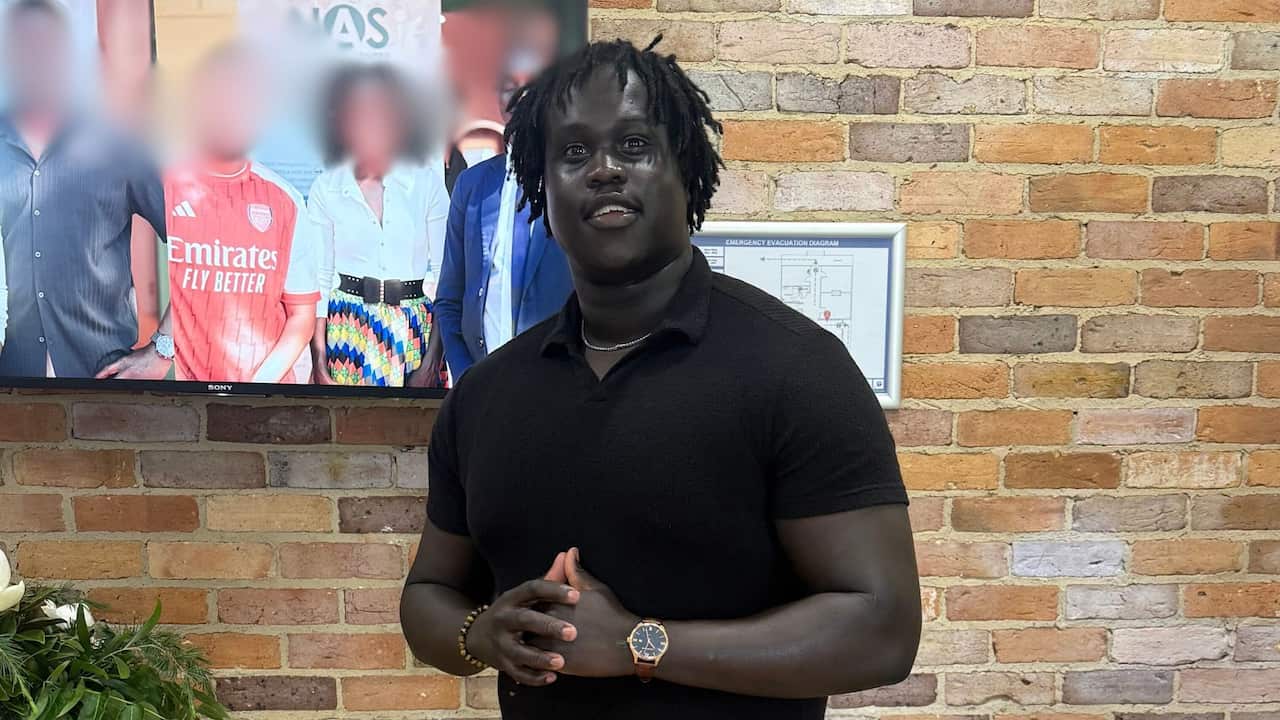
Nowadays, I do feel Australian, and I'm bloody proud.
I love my Australian Sudanese accent. It's distinct and unique to this sacred land we live on and from.
I feel proud, encouraged and welcome seeing many of my South Sudanese Australian brothers and sisters playing sport at high levels and representing our people.
I've also seen a rise of Australian Sudanese activists, community leaders and politicians, which helps to remind ourselves and the world that we can pursue and achieve greatness.
To me, being Australian is the best possible human one can be. Although you are bound to make mistakes, I've learnt that this country loves a good comeback story.
Watch your favourite Insight episodes around the clock on SBS On Demand's dedicated Insight channel. For the latest from SBS News, download our app and subscribe to our newsletter.

Insight is Australia's leading forum for debate and powerful first-person stories offering a unique perspective on the way we live. Read more about Insight

Have a story or comment? Contact Us







