
The business of making babies is worth more than $820 million in Australia. What are the issues, risks and ethics that arise when making money and making a baby mix? Watch Insight Baby Business on SBS On Demand.
I knew I was dipping into money meant for 'future me' when I accessed my superannuation to freeze my eggs at 25.
But giving myself a potentially stronger chance for motherhood felt like an investment in my future as well.
News that makes sense
Your trusted source for staying up-to-date with the world around you. Get free daily news updates and analysis, straight to your inbox.
Last year, I was diagnosed with the hormonal condition Polycystic Ovary Syndrome (PCOS). Although it can be treatable, PCOS can lead to irregular periods and reduced fertility, among other symptoms.
I always knew I wanted to freeze my eggs at a younger age if I hadn't met the right person yet — getting the PCOS diagnosis was the extra nudge forward.
I thought: "If my fertility is uncertain now, what will it look like in ten years"?
Understanding the costs
At the time, I was a single 25-year-old university student, and freezing my eggs felt financially out of reach. But one appointment with my gynaecologist changed everything.
It was when I found out I could request from the Australian Taxation Office (ATO) a compassionate release of my superannuation to cover the costs of a cycle of egg freezing.
I took some time to have further conversations about my options for egg freezing with my gynaecologist.
I also spoke with a company that helps people access their superannuation, and I learned I would also need a psychiatric evaluation as part of the ATO application process.
After weighing it up carefully, I made up my mind.
Not everyone around me understood my decision to freeze my eggs at 25.
Some people were supportive and told me I was brave. Others questioned it: "Aren't you too young to worry about this?" or "Why not wait until you meet the right person?"
It made me realise how much pressure society still puts on women: have a career, but don't wait too long to have kids; be independent, but don't stray from the 'normal timeline'.
A lonely process
The process was much more emotionally taxing and lonely than I anticipated.
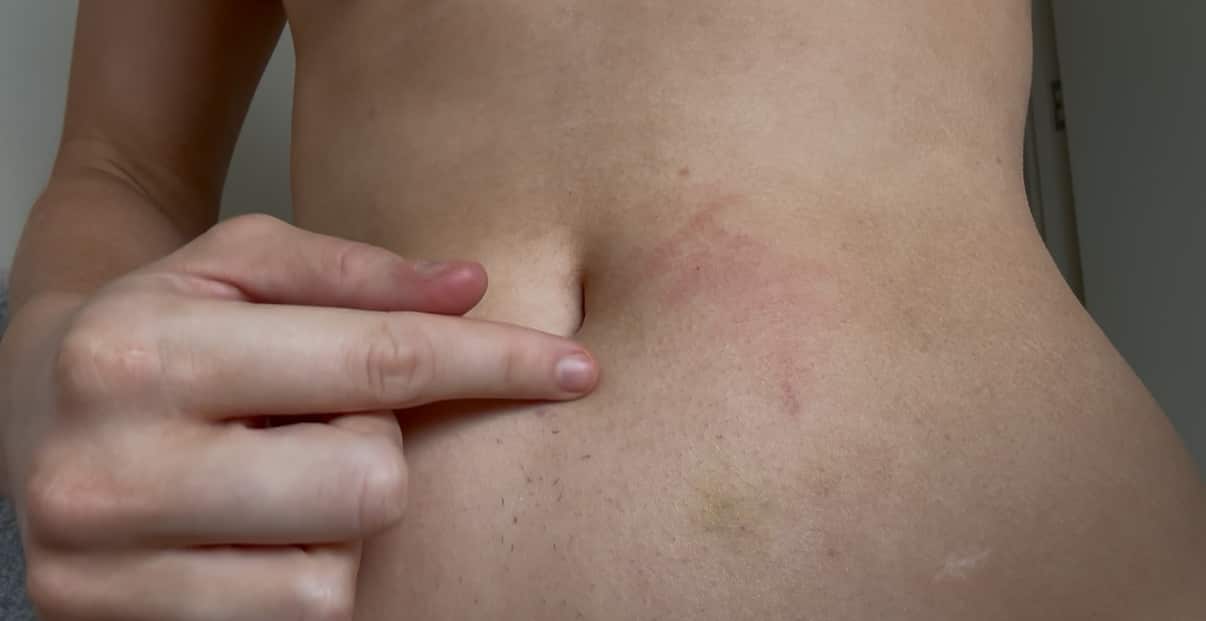
Many people undergo fertility treatments in a couple — leaning on a partner for support. But through every mood swing, at every moment of doubt and every time I injected my stomach with hormones, I was on my own.
Some days, I cried for no reason at all, and the only person there to pull me together was me.
Yes, I had the unwavering support of my friends and my family. But it was still a deeply individual journey, and I think not having a partner made it harder.
But I kept reminding myself why I was doing it: for my future and my potential kids.
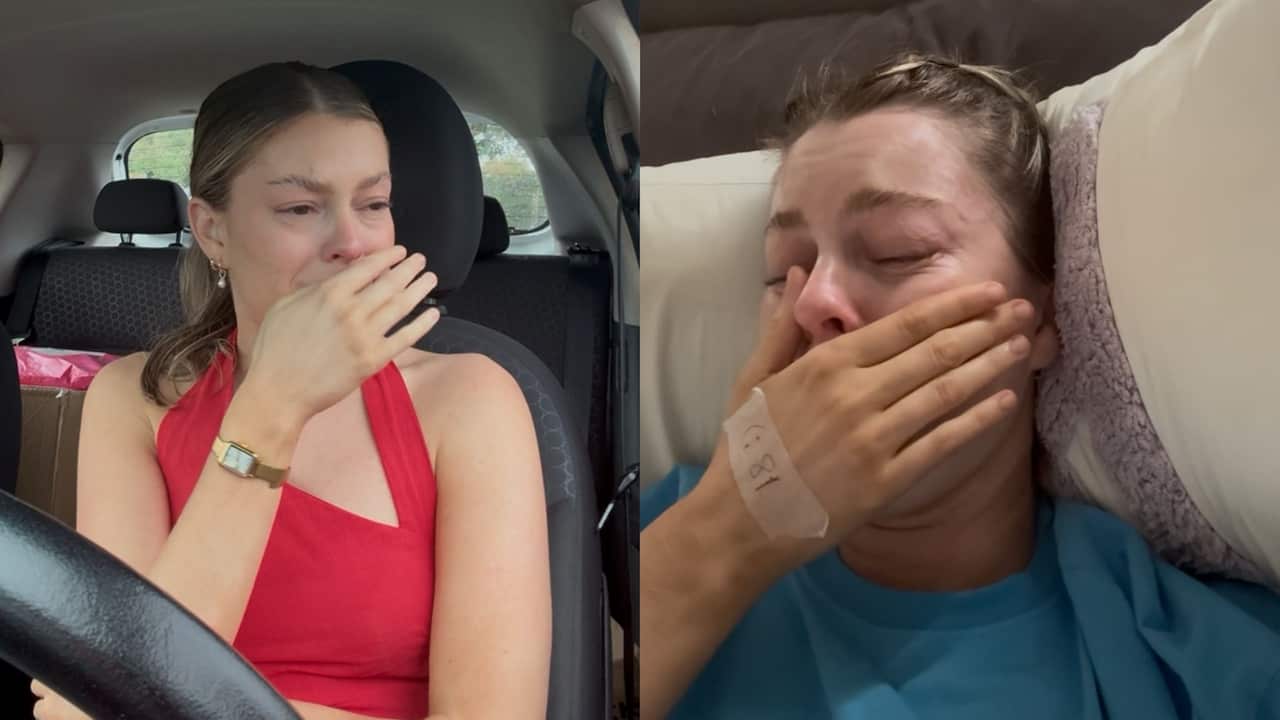
The week of the egg collection was especially tough.
Considering how my body was responding to the medication, I was warned that I should prepare to potentially end up with no eggs — and possibly have to go through the entire process again.
When I started the process, I never thought I'd hear those words. I went in with so much hope, but I was reminded of the reality that nothing is guaranteed.
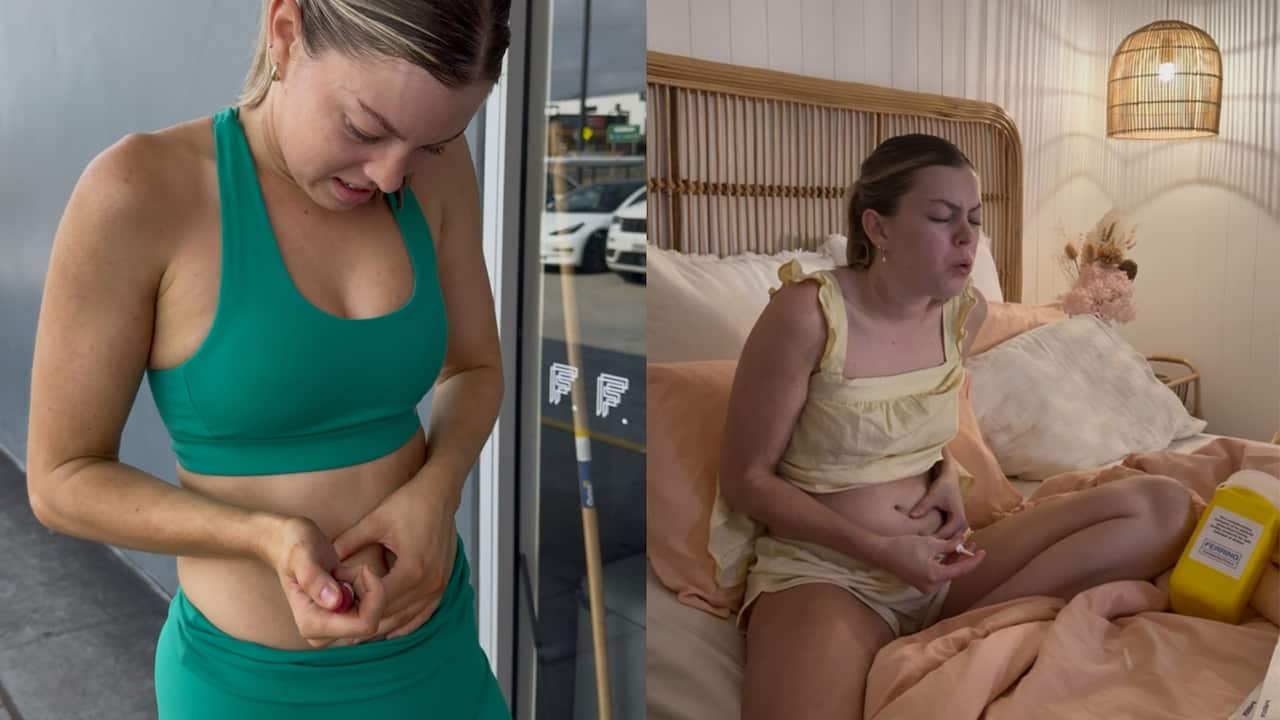
I cried for hours on the day my eggs were collected.
When I woke up from the anaesthetic, my doctor told me they'd collected 18 eggs — 16 of which were mature enough to be frozen.
I burst into tears of pure relief.
After all the injections, the hormones, the loneliness of doing it on my own, I finally felt like it had been worth it.
Not a guarantee
Of course, I know my frozen eggs aren't a guarantee.
No doctor can promise a baby to anyone, and the nature of PCOS can make egg quality unpredictable.
But to me, these collected eggs are a safety net.
I didn't have a partner when I made the decision to freeze my eggs, and I didn't want to rush into a relationship just because of my 'biological clock'.
To me, there's a big difference between someone who wants to be a husband and father, and someone who just wants a wife and kids. I want to give my children a caring father who wants to be a parent just as much as I do.
I felt like freezing my eggs took the pressure out of dating. It also gave me peace of mind that, if I never found that person, I would still have options — like becoming a mother on my own.
Thinking ahead
Freezing my eggs was about reclaiming control over a part of my life that, with a PCOS diagnosis, felt more uncertain.
I feel it allowed me to focus on my career and personal growth without the constant background noise of ticking clocks and 'what-ifs'.
I see it as the best investment I've ever made.
That said, even with access to my superannuation, the process was still a financial burden and came with extra out-of-pocket costs, such as the psychiatric evaluation and gynaecologist appointments.
I also think young people need better education about fertility, reproductive health, and conditions like PCOS.
Too many women find out about the impact of these conditions and their options when it feels 'too late'.
If I hadn't had a gynaecologist who mentioned egg freezing and compassionate super release, I might never have considered it at all.
Now, at 26, I can breathe a little easier.
My eggs are safely stored and my future is still full of possibilities. While there are no guarantees, I feel more at peace than I did the day I got that diagnosis.
For me, freezing my eggs hasn't been about giving up hope; it's been about protecting it.
Watch your favourite Insight episodes around the clock on SBS On Demand's dedicated Insight channel. For the latest from SBS News, download our app and subscribe to our newsletter.

Insight is Australia's leading forum for debate and powerful first-person stories offering a unique perspective on the way we live. Read more about Insight

Have a story or comment? Contact Us







