
Are some of us born bad, or is harmful behaviour shaped by experience? How do nature and nurture influence our choices and morals? Watch Insight episode Born Bad? on SBS On Demand.
I was 20 years old when I learned an individual's actions could forever change the lives of many.
I grew up on farms in NSW and had lived a very sheltered life. I believed people were generally good, the world was generally safe, and I had never really been exposed to violence.
But that would soon change when I grew tired of farm life and decided to move interstate.
News that makes sense
Your trusted source for staying up-to-date with the world around you. Get free daily news updates and analysis, straight to your inbox.
On the night of 18 August 1983, I arrived at the Inland Motel at Uluru/Ayers Rock for a friends' farewell around 11pm — after finishing my shift at the nearby Uluru Hotel.
I remember the Inland's bar being very busy.
There were locals, workers from the other motels and people from the now-resort town Yulara, which was then under construction.
It was a small, remote community where most of us knew each other.
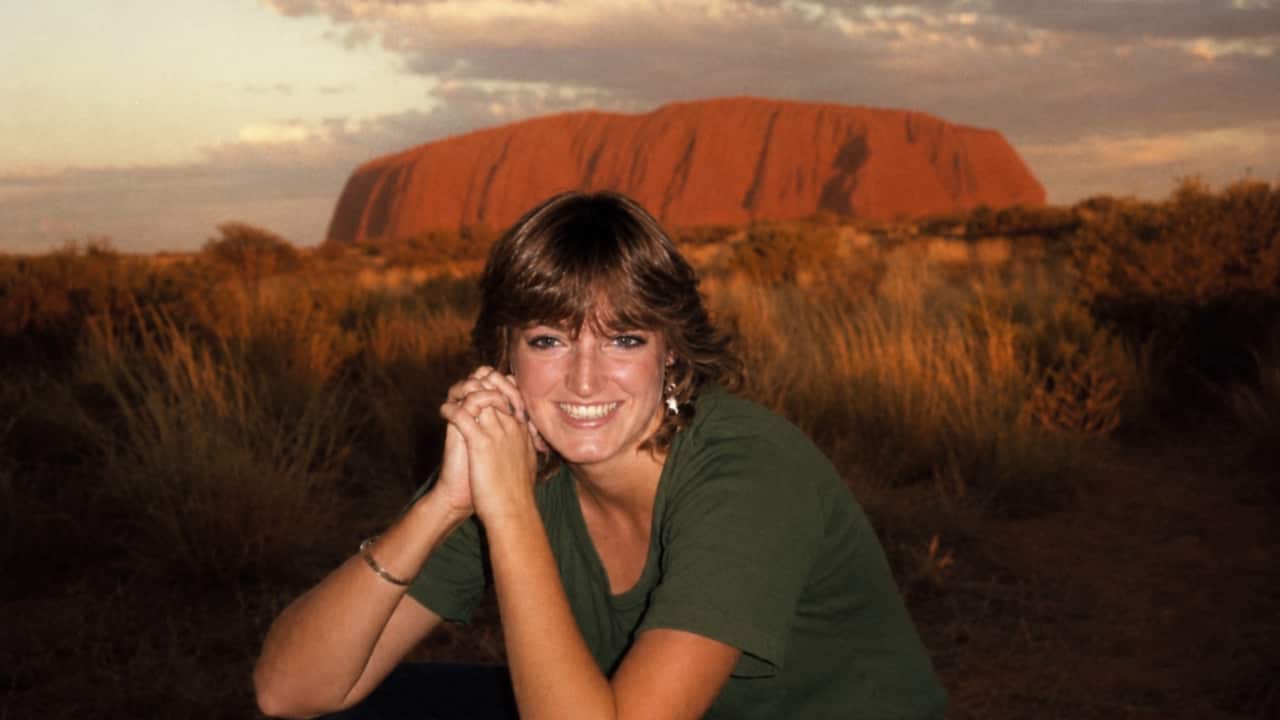
Travelling along the winding dirt road that night, I remember seeing Douglas Crabbe's road train parked in the middle of the road on a bend. Several of us in the pub had commented that somebody could easily hit it and be killed.
Crabbe was not a stranger to me. He was a delivery driver and made weekly deliveries to my work, where I had spoken and eaten lunch with him on numerous occasions.
I had seen different sides to him. He could be charming, but he also had a very quick temper and could suddenly snap.
And that night at the Inland, Crabbe was combative and behaved badly towards several people.
He approached me at the bar and groped me inappropriately. At one point, he jumped over the bar, and a scuffle ensued.
Eventually, he left — about half an hour past midnight.
I remember the glare he gave us as he walked away. But I didn't think anything more of it.
'It was like a bomb exploding'
Approximately 40 minutes later, I heard a truck engine roar.
I saw the hotel lights reflect off Crabbe's truck and a split second later it came crashing through the bar.
The only way I can describe what followed is that it was like a bomb exploding: Besser blocks and sections of the ceiling collapsed, and I was struck to the floor.
I remember seeing the enormous wheels only millimetres from me.
When the truck finally stopped, its engine was still running. And there were five dead and 16 seriously injured people among the rubble.
I watched Crabbe get out of the truck. To leave, he had to climb over people who had been killed or injured.
I remember him smiling and laughing as he left.
That image has never left me.
Life divided into 'before' and 'after'
My life changed forever in those few minutes, and I no longer recognised the world I thought I knew.
Before that night, I had never seriously considered whether evil existed.
Afterwards, I had to reconcile the person I knew as our delivery driver with someone capable of deliberately driving a huge road train into a crowded bar.
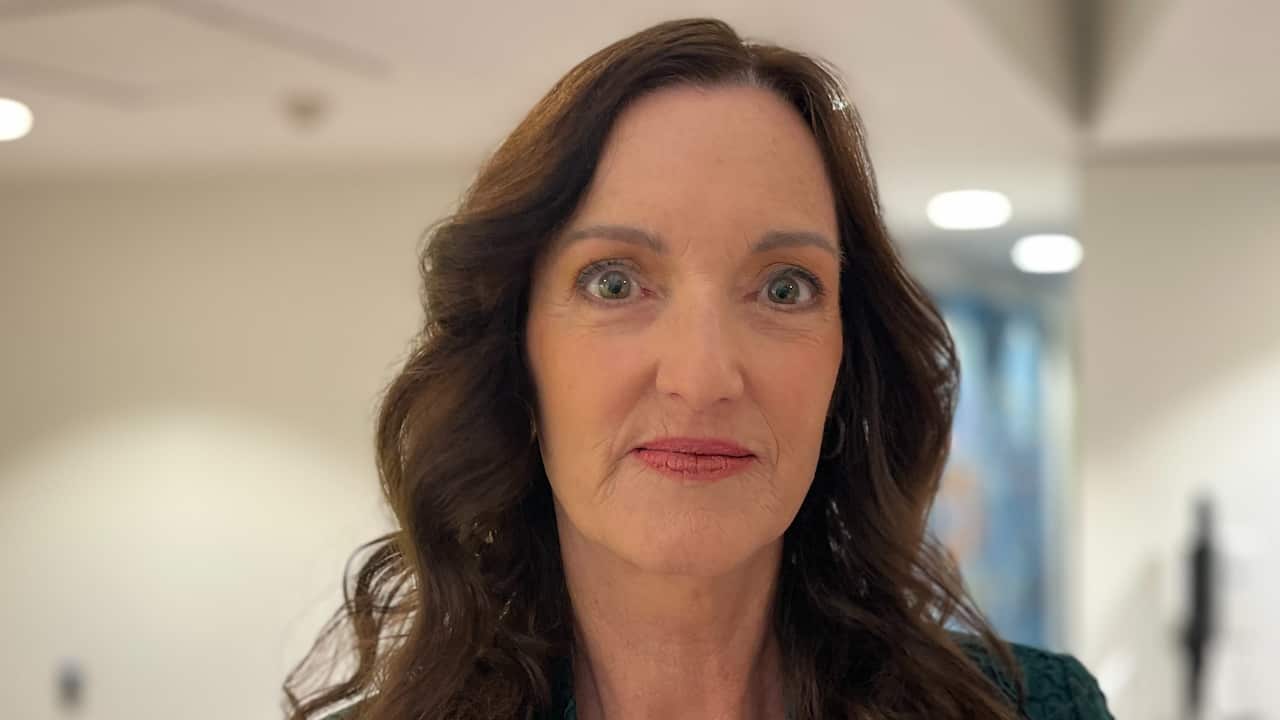
My life became divided into "before" and "after".
The cuts, bruises, broken ribs, sprained ankle, internal bruising and back injury may have occurred in a matter of seconds, but their consequences have followed me throughout my adult life.
Even now, 43 years later, I continue to require psychological support and pain-management procedures because of what happened.
My internal alarm system also seemed to change.
A loud noise, a crowded room, a sudden movement or seeing a truck on the road can make my body react to danger even when logically I know I am safe.
When I enter a crowded room, I automatically notice the exits and the people around me.
It's exhausting to be constantly automatically assessing your surroundings.
Living with PTSD
Trauma was not understood or spoken about in 1983 the way it is today.
I moved back to my family in the Tweed Valley in northern NSW for two years to recover. My family heard my nightmares — my screams would wake them up during the night.
But none of them really understood what was happening to me or what to do about it.
I don't say that to blame my family; there just simply wasn't the understanding or support that exists now. So, I put it away and tried to get on with my life.
Thirty years later, I finally sought psychiatric help, received a post-traumatic stress disorder (PTSD) diagnosis and began dealing with what had happened.
'Mass murder is permanent'
Five people were killed that night; five people with lives, relationships, families and futures, just enjoying a night out. Those futures were stolen from them.
What I witnessed that night has shaped my opposition to Douglas Crabbe ever being released on parole. It is not about revenge.
For me, it is about protecting the community, respecting the enormity and permanence of what happened, and speaking for people who no longer have a voice.
More than four decades have now passed, but the passage of time does not undo what happened. Mass murder is permanent.
The people who died cannot walk out of a prison door after serving enough years. Their families don't get their loved ones back. The injured and traumatised don't suddenly return to the people they were before that night.
The justice system understandably looks at the imprisoned perpetrator and asks what has changed when their parole is considered.
I want it to also look backwards.
Look at the victims. Look at the lives that ended. Look at the families who were changed forever. Look at the survivors who are still carrying that night with them 43 years later.
In my view, Crabbe has never demonstrated any remorse or accountability that I would need to see to change my position.
I do not believe the risk is one society should ever be asked to take.
No excuses for evil
Despite everything I have witnessed, I don't believe people are born bad; I believe we are born with free will.
People experience terrible childhoods, trauma, disadvantage and unimaginable struggles.
Those things can profoundly shape a person, and they deserve understanding. But experiencing hardship cannot automatically excuse violence.
Children can grow up in the same family, exposed to the same circumstances and trauma, and make very different choices as adults.
What survival has given me
The effects of that night did not stop with me; trauma can travel through a family without anyone intending it to.
I became a mother to three children, and looking back, I recognise that some of my fear and hypervigilance affected the way I raised them.
I think the 20-year-old me would be sad to see that I sometimes have unwittingly projected the trauma I've carried onto our children. But I also think she would be proud of me.
Today I provide peer support to families affected by homicide through a victims' support group in Queensland.
I support them through court proceedings and trials, and I speak on the telephone when they need someone who understands — whether it is daytime or in the middle of the night.
I cannot take away their grief — nobody can. But I can make sure they don't have to walk through it completely alone.
Using evil for good
Surviving a massacre changed me completely, but it does not define me.
I will never leave that night entirely behind; it is part of me.
There are still difficult days, memories, reminders and ongoing physical and psychological treatments.
I don't think of myself as having "moved on". Instead, I have learned to walk beside what happened.
And I have learnt to use something unimaginably evil for good — helping others find their way through the darkest moments of their lives.
For crisis and mental health support, contact Lifeline (13 11 14), SANE Australia (1800 187 263) or 13Yarn (139 276), a 24/7 Aboriginal & Torres Strait Islanders crisis support line. For PTSD support, contact Forum of Australian Services for Survivors of Torture and Trauma (FASSTT).
Watch your favourite Insight episodes around the clock on SBS On Demand's dedicated Insight channel. For the latest from SBS News, download our app and subscribe to our newsletter.

Insight is Australia's leading forum for debate and powerful first-person stories offering a unique perspective on the way we live. Read more about Insight

Have a story or comment? Contact Us







