This article references suicidal ideation.
To explore more about Australians finding identity and liberation in subcultures and escapism, watch Insight episode Escaping Reality on SBS On Demand.
I was a very weird little ginger child who always felt very out of place growing up in Perth in the late 80s.
News that makes sense
Your trusted source for staying up-to-date with the world around you. Get free daily news updates and analysis, straight to your inbox.
I didn't fit what I saw as the bill for the 'typical' West Australian; I wasn't slim or sporty, I didn't like the sun and I didn't like surfing.
As a teenager, I was bookish, arty and had low self-worth. I experienced bullying and periods of extreme depression — as well as suicidal ideation.
However, I believe joining the goth community helped save me — along with professional support — by providing me with a sense of belonging.
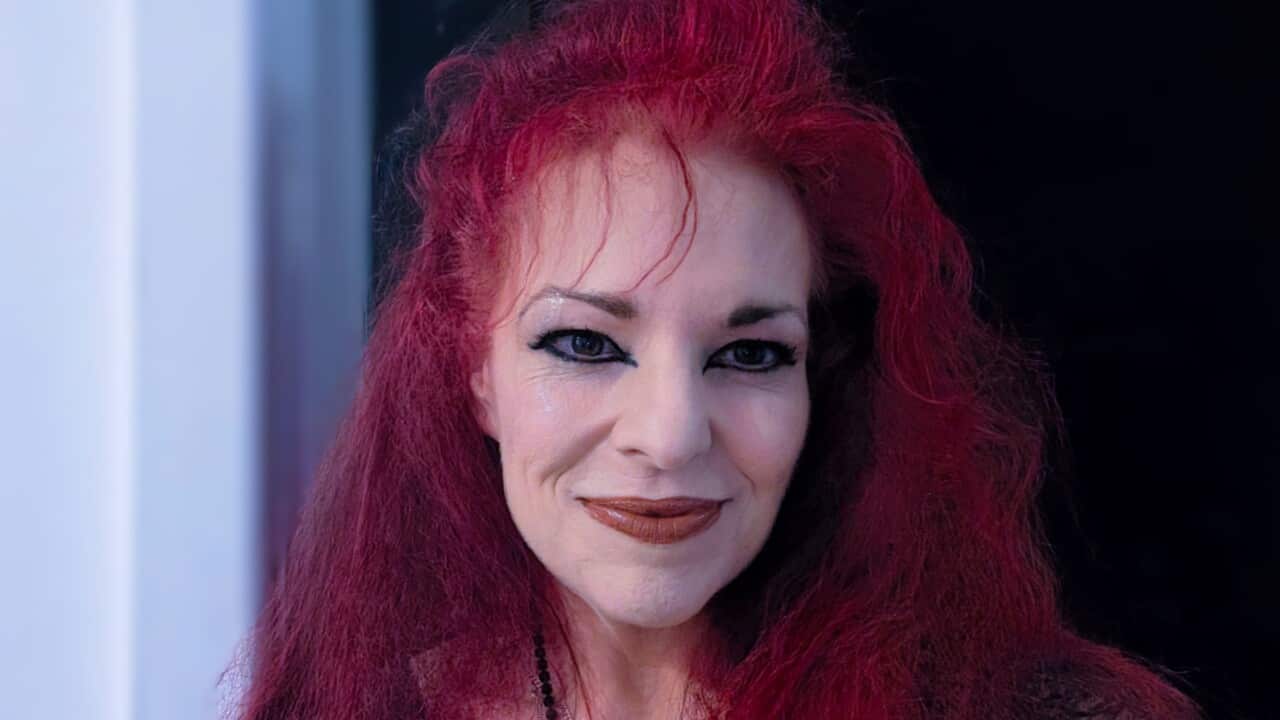
Now in my early 50s, I continue to be connected to goth and consider it an integral component of my identity.
What is goth?
Goth emerged from punk culture and the excesses of glam rock of the 1970s, eventually coalescing in the 1980s as an alternative music, anti-mainstream fashion community of outsiders. It's theatrical, embraces the macabre and challenges beauty standards.
I was first introduced to the subculture by my cousin, who played me mixtapes of atmospheric and emotional goth music in the late 80s.
But it wasn't until I watched music videos of bands such as The Cure, The Sisters of Mercy and Siouxsie and Banshees and saw the accompanying fashion that I realised I had found 'my thing'.
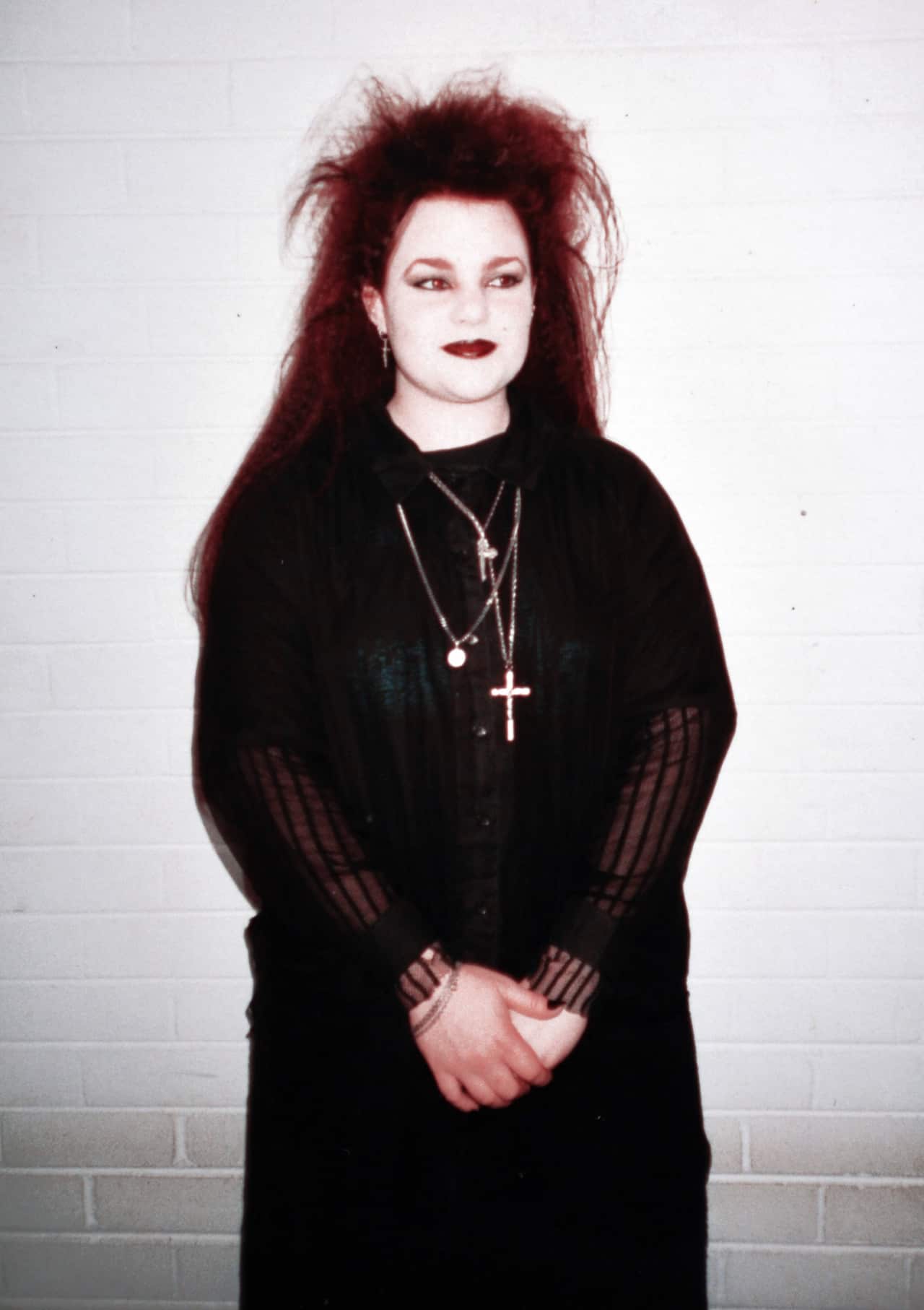
The fashion draws on elements of the Victorian era, and is typified by decadent black clothing, dyed hair, and heavily ornamented accessories and footwear.
I was always a larger person, and I never fitted into the funky clothes that other young women of the 80s and 90s were wearing.
So, the idea of draping black velvet and lace clothing was extremely appealing to me because it gave me layers. I felt it gave me some kind of aesthetic attraction that at the time wasn't available to me via 'normal' clothing.
I also so clearly remember the days I bought Doc Martens and winklepickers — boots with very pointed toes — as a young teenager from the tiny alleyway shop in the middle of Perth's CBD. These boots remain the greatest treasures of my youth and I still have them.
Finding friendship in goth
I felt quite isolated from the world living in Perth, which is still one of the world's most remote metropolitan cities.
But this feeling of isolation was a blessing in disguise as it led me to respond to adverts in British music magazines that promoted goth zines, which are mini magazines.
I wrote short pieces for obscure publications about goth bands in hopes of making connections with like-minded people throughout my teens.
I felt connected to community by being involved in something bigger than myself and made some pen pals with other goths in different parts of the country and world.
As I got older in the 90s, I helped set up goth club nights, art events and other social occasions — as well as continuing contributing to publications, which I then helped run.
I enjoyed the intimacy of the smaller venues, the familiar faces and even the familiar nightclub set lists.
The goth club scene was where I met my husband in my late teens and made my small but solid friendship group that I still have today. Some thought we were freaks with wild hair, black clothes and make-up.
But I didn't care what people called us — we were having a ball.
Confidence in clothes
Even now, I feel much more confident with coloured hair and when I'm wearing goth make-up. If I'm not dressed in goth fashion, I don't feel like I'm dressed like myself.
I have worked very corporate jobs and have held fairly senior roles at universities. So, wearing 'normal' work clothes is just a part of life, and I amend my work wardrobe to be professional and fitting to the environment without compromising my sense of who I am.
Goth events provide an opportunity for me to wear my favourite things in an environment I feel safe and empowered in.
Whether it's at an intimate gig or international festival, I feel most at home in my skin wearing black and velvet.
The international goth scene
Discovering the broader community of goths all over the world has been a magical experience.
Huge goth festivals occur regularly in Europe — particularly in the UK and Germany. Some of these festivals have been running for over 30 years, with sometimes more than 25,000 attendees at each.
The largest goth festival in Germany — Wave-Gotik-Treffen, for example — has live bands playing throughout the city, fashion shows, film screenings, art exhibitions, balls and markets.
I have been fortunate to travel to many as a participant and as a part of my PhD, which explored the goth subculture as a continuing identity beyond youth into older age.
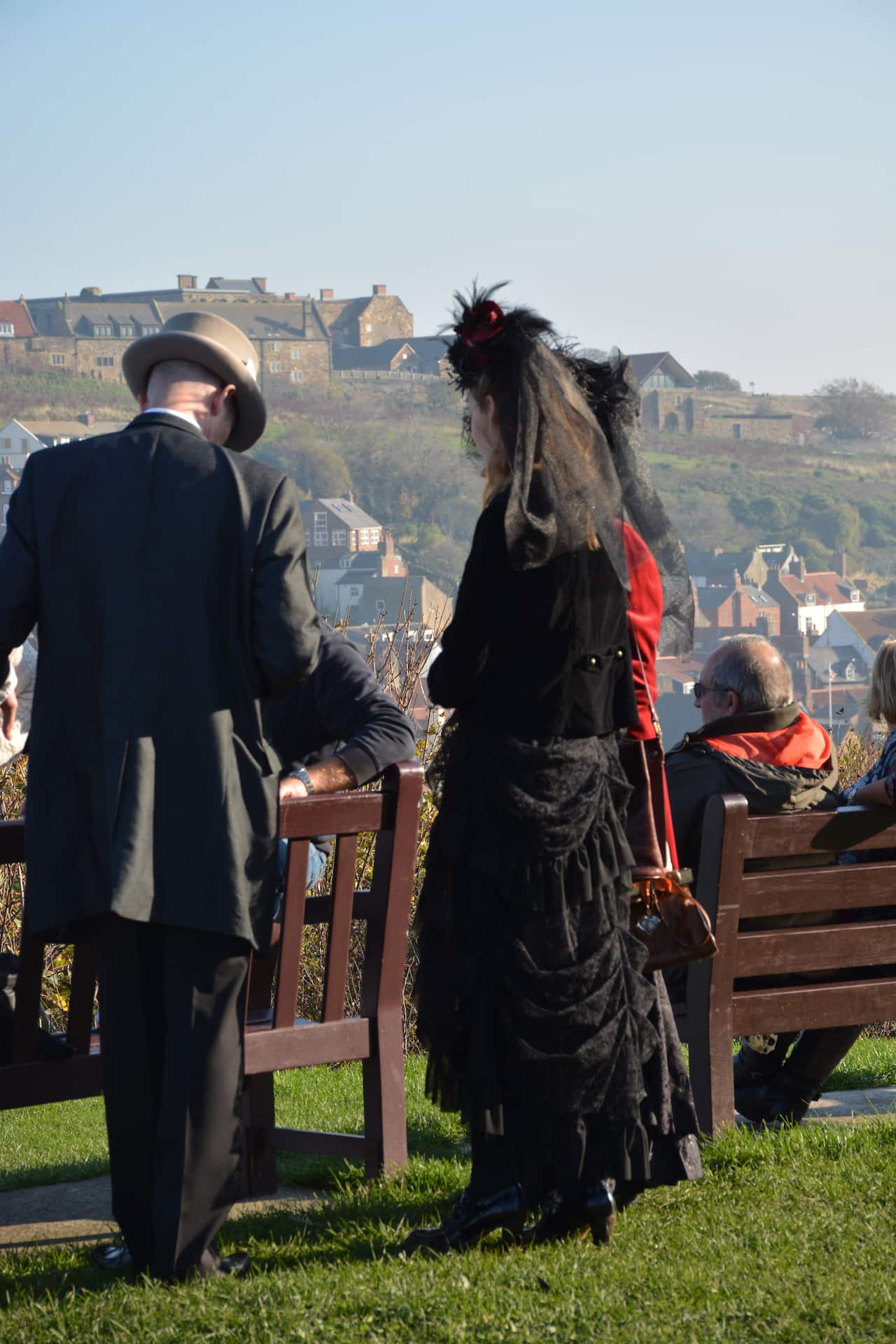
I often feel myself feeling homesick for these festivals — particularly Whitby Goth Weekend in the UK.
It's not just the festival I often long for, but the broader sense of welcoming in the town from locals and the other visiting goths.
This acceptance is something that I feel is often missing in Australia, as I believe that 'difference' and 'standing out' are sometimes framed negatively here.
The importance of difference
Goth has provided me with a rich research career, lasting personal relationships and an understanding of the importance of celebrating difference.
Looking back on my youth, socialising in a community I felt safe within gave me the confidence to explore who I was.
Finding like-minded goth friends in high school and later life entirely changed how I thought about myself, which I believe then changed my life.
Readers seeking crisis support can contact Lifeline on 13 11 14, the Suicide Call Back Service on 1300 659 467 and Kids Helpline on 1800 55 1800 (for young people aged up to 25). More information and support with mental health is available at beyondblue.org.au and on 1300 22 4636.
Watch your favourite Insight episodes around the clock on SBS On Demand's dedicated Insight channel. For the latest from SBS News, download our app and subscribe to our newsletter.

Insight is Australia's leading forum for debate and powerful first-person stories offering a unique perspective on the way we live. Read more about Insight

Have a story or comment? Contact Us







