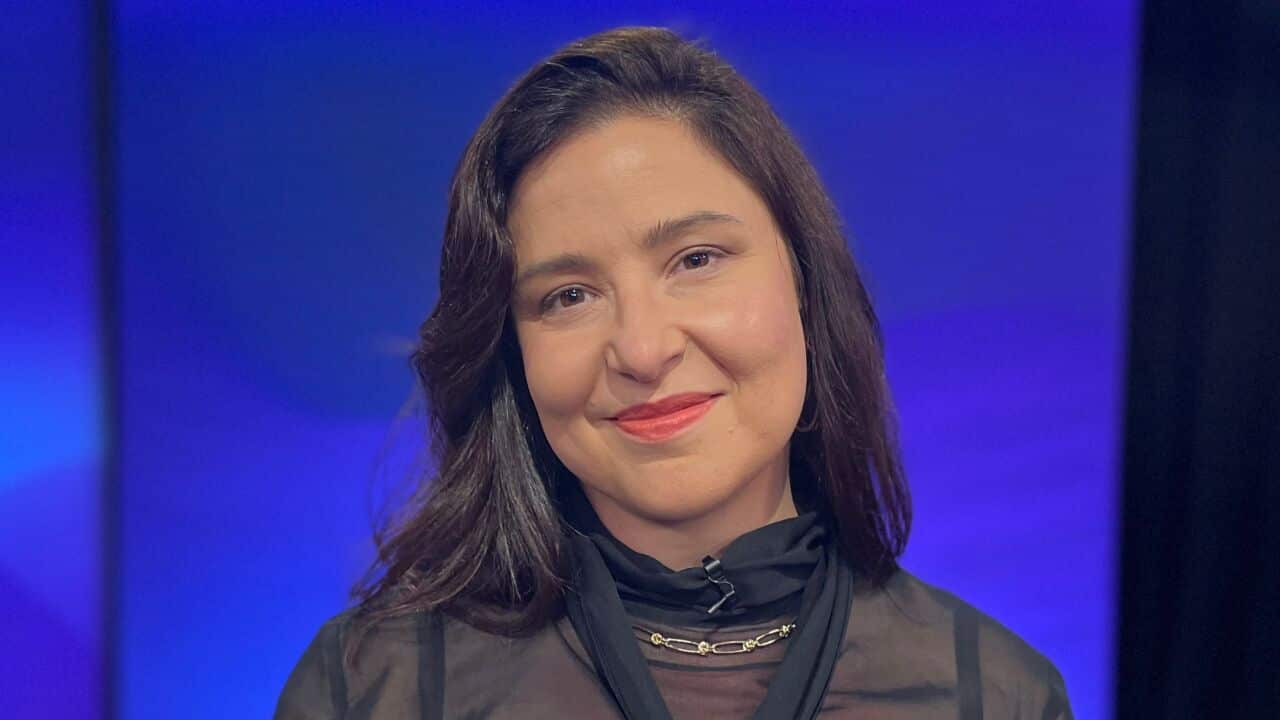
Would you tell a friend their partner is cheating? Are you prepared to turn someone's life support off? Should violent prisoners be offered voluntary assisted dying? Do you support the so-called IS Brides returning to Australia? To find out what happens when you're stuck between a rock and a hard place, watch Insight episode Moral Dilemmas on SBS On Demand.
Leagh and her partner were enjoying a lazy Sunday morning in bed, watching something funny on his phone, when he received a text message from a friend.
"[It was] his friend taking a selfie with a woman, who was not his partner, in a bed ... naked ..." Leagh told Insight.
News that makes sense
Your trusted source for staying up-to-date with the world around you. Get free daily news updates and analysis, straight to your inbox.
"My partner's reaction was split-second. He took a sharp intake of breath, threw the phone across the room and said: 'You didn't see that.'"
Leagh told him she did see it, and she was disgusted. The couple then argued as Leagh wanted to tell the man's girlfriend about the alleged infidelity.
Feeling consumed by the information and knowing the couple were about to move in together, Leagh asked her partner's friend to come clean.
She says that he refused to — and that if Leagh said anything to his girlfriend, "all hell would break loose".
" ... I felt so angry because it was a moral dilemma that had been dumped in my lap that I never asked for," Leagh said.
"It was a pure accident, and suddenly it was my decision."
'What would you do?'
Feeling the need to speak to someone about the situation, she turned to a mutual friend — who was close to the woman being cheated on.
"I said: 'If you had a partner and you found out they weren't the person that they said they were, what would you do?'" Leagh said.
"She knew that I was talking about our mutual friend and her partner. And she said: 'Tell me everything.'"
The mutual friend then told the woman about the photo Leagh had seen, and the couple ultimately broke up after at first trying to salvage the relationship.
Leagh's relationship with her partner didn't fare well either. She says the situation caused her to see a different side of him and his friend.
"I thought 'if this lovely guy — who I get along with so well — felt so free to send that photo to his friend ... what is my partner sending to him?' And it dented the relationship."
She says that she was shunned by the men in her partner's community and that their (female) partners also kept their distance, which Leagh believes was a factor in her breakup.
To tell or not to tell
Like Leagh, Anita found herself in a situation that required deciding whether to tell on someone's actions.
While working as a recruitment consultant, Anita was shocked to discover that her colleague had told two job applicants to lie to a client who was seeking First Nations candidates.
"My colleague was running [the recruitment], and I asked her to keep me up to date ..." Anita told Insight.
"She forwarded me an email, and I realised that she had actually advised a non-Aboriginal candidate to flag themselves as Aboriginal."
Anita decided to speak to the colleague the next day, which is when she learned the situation wasn't a one-off.
"She disclosed that she had done the same with another candidate, and the candidates know to say that they're Aboriginal when they start work on Monday," Anita said.
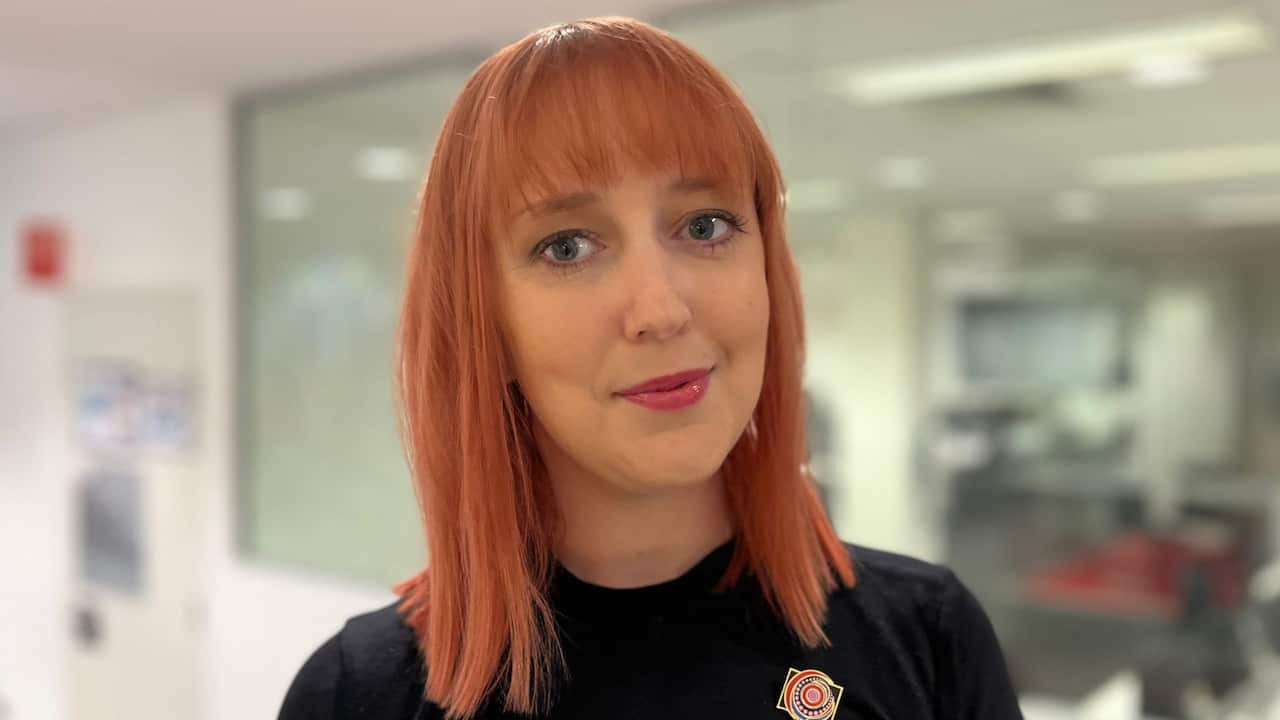
Anita was unsure whether to escalate the matter formally. But later that week, over drinks, two of her close friends helped her to decide.
"They were able to help me see it from a different perspective. And as a result, I realised that she may have done it before [and] she'd likely do it again."
That Monday, Anita brought her colleague's actions to her manager's attention.
"My colleague ... was still within her probation, so not a smart thing to do," Anita said.
"She terminated on Monday as soon as I escalated it."
The two candidates were also terminated on Monday, their first day as new hires, which was an outcome Anita had not anticipated.
"They were really eager to work in that role," she said.
"And so, to have a recruiter advise them to lie to a business that was very eager to recruit more Aboriginal candidates and close the gap in employment, that was just very disappointing."
At the time, Anita questioned whether she was making the right decision to blow the whistle on her colleague.
"However, that was maybe a decade ago — and now, I definitely do not."
Knowing when to engage
Tim Dean is a philosopher at The Ethics Centre in Sydney. He says doing the right thing can have consequences.
"A moral dilemma is one of those situations where no matter what we do, we feel like there's going to be some kind of compromise or trade-off," he told Insight.
He says we can often end up harming ourselves or others when we do choose 'the right thing'.
"So, we need to be really careful about knowing when it's safe to engage."
Dean says many things influence how we make decisions — and a lot of this moral decision making is done on an unconscious level, "where it's very enculturated".
"We're very influenced by our peer groups, by the expectations that are placed upon us by our upbringing ... of what we're supposed to do, and how we're supposed to behave."
We can also be influenced by those with high status, "and think if it's okay for them, it's probably okay for me as well".
The difference between moralising and being moral
However Dean said that there is a difference between being moral (having a clear set of values and principles that guide how one behaves) and moralising (projecting one's values onto others).
"Moralising can become a problem when we're imposing our particular view of 'right and wrong' onto other people — and sometimes that may not be entirely justified."
This practice can also lead some to concern themselves with issues they are not involved with, which is something Dean said often happens on social media.
"Somebody on the other side of the planet does something really terrible. We get outraged. We moralise. We project our values onto that. We want to see them punished."
To turn off life support or not
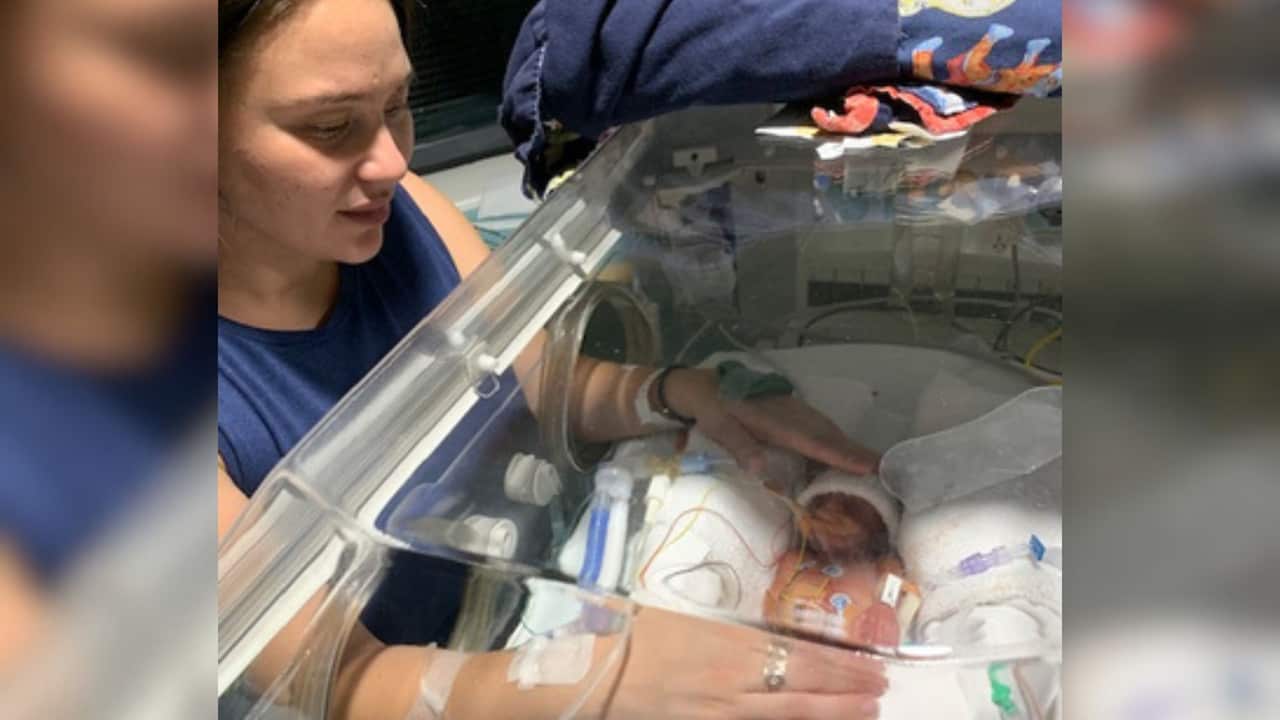
Nicole and Youssef were forced to decide the future of their premature baby, who was born at 25 weeks.
The couple's second child Jibreel weighed just 838 grams at birth — "the size of a Coke bottle" — and was given a 50 per cent chance of survival.
At one point, they were told Jibreel had only four hours to live and were asked if they would like to turn off his life support.
"That's really heavy to hold in your hands ... deep within our hearts, we couldn't make that decision," Nicole told Insight.
"We just wanted to give him the best chance possible and just leave it and see how he goes."
Youssef phoned his father, who then rushed to the hospital to be by their side.
"... And he just said: 'Well, if God is allowing him to take breath, wait until God takes away his breath before you make a decision to turn off that life support,'" Youssef told Insight.
The couple took Youssef's father's advice — turning the moral responsibility away from themselves.
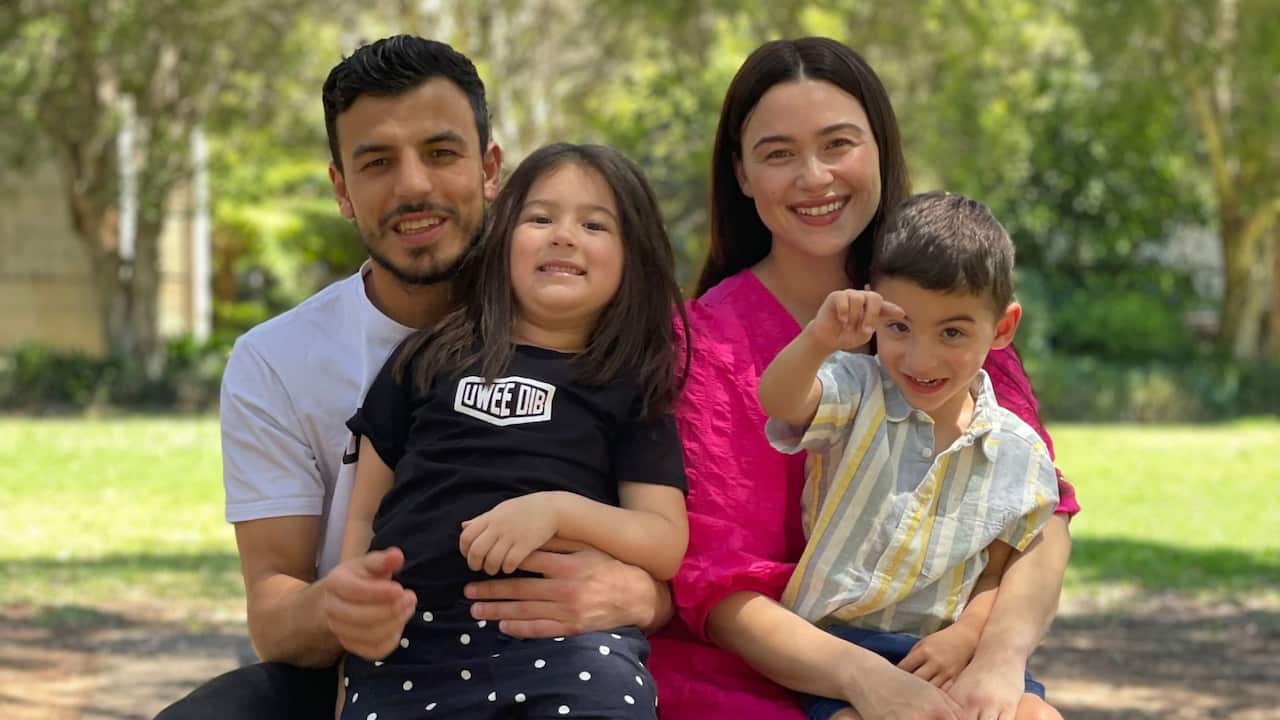
Jibreel was in the Neonatal Intensive Care Unit for five months, surviving organ failure and brain bleeds. He is now six years old.
"He loves basketball; he loves playing with his siblings," Nicole said.
"He's in Year One now in a mainstream class, and he's doing amazing."
Guided by morals
Unlike Nicole and Youseff, Leagh says there were no winners in her moral dilemma. However, she says she thinks she would make the same decision again.
"I'd been raised to support women," Leagh said.
"My own family, growing up, was devastated by infidelity — I'm sure that had a bearing on my decision that I made."
Watch your favourite Insight episodes around the clock on SBS On Demand's dedicated Insight channel. For the latest from SBS News, download our app and subscribe to our newsletter.

Insight is Australia's leading forum for debate and powerful first-person stories offering a unique perspective on the way we live. Read more about Insight

Have a story or comment? Contact Us







