I first sought advice about my period pain when I was a teenager at an all-girls school. Much like an initiation ritual, a group of girls sat around me offering up their own homebrewed wisdom.
One said a heat pack would work wonders. Another suggested yoga stretches. A third offered to go running with me. “Periods are always painful but this works,” she’d insisted. “You just have to try.”
Despite testing every piece of guidance I received over the years, my periods never improved. The pain gradually evolved from a dull throb into an insidious parasite. It would shoot down my legs and across my lower back before my period had even started, and I would find comfort only in bed or on the bathroom tiles. I often visualised a grenade detonating in my uterus, and shrapnel swimming around my pelvis. By the time I finished my high school exams, I was constantly fatigued and almost always sick. Like many others, I wrote this off as laziness or a poor pain tolerance. After all, my complaints continually elicited the same response that had been drummed out repetitively for nearly a decade: it’s normal.
As I got older, I reasoned this pain was the reality of my existence as a woman, regardless of the hours I spent crying, sweating or vomiting. Therefore, the best closure I could give myself was to accept that my experience was simply the norm. However, after two years at university, my ability to function finally began to disintegrate.
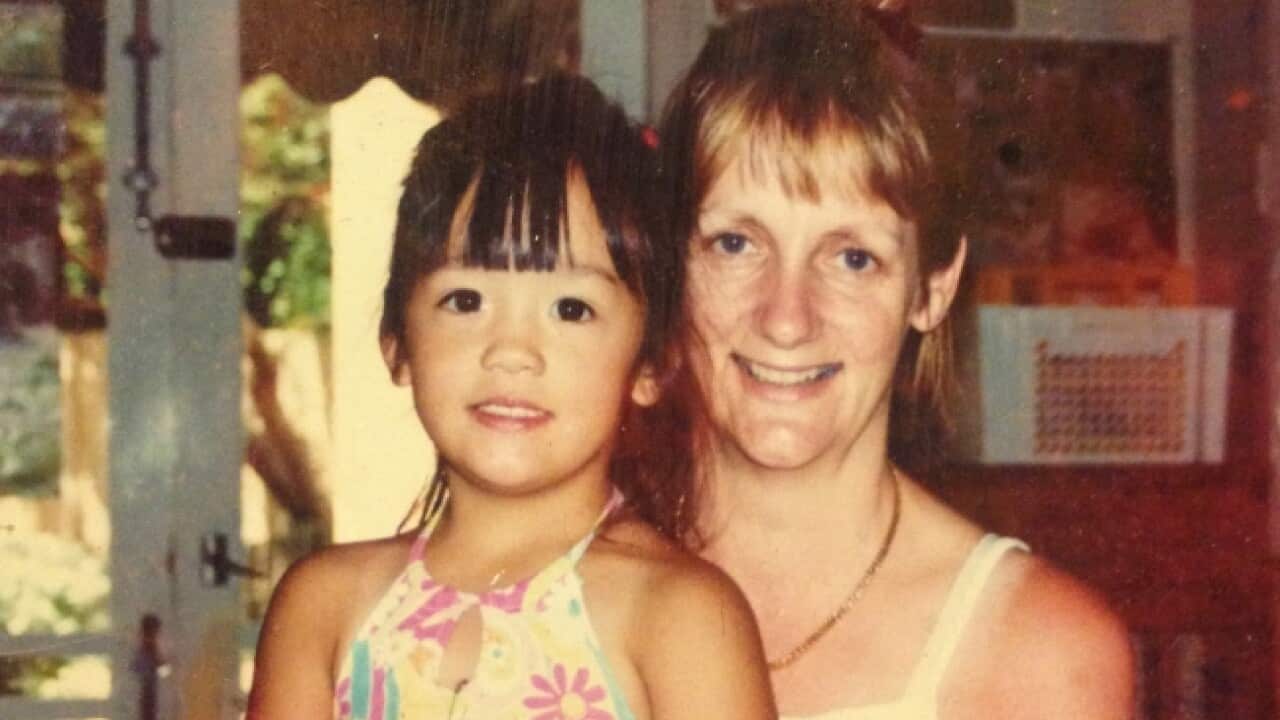
The word ‘endometriosis’ was first mentioned after my mum suspected my symptoms were indicative of something more serious. She herself had suffered from the condition and had raised it tentatively a couple of years earlier. Still, her pain had manifested differently to mine, and I found this point of difference a perfect excuse to resist the prospect that I had the disease. For me, seeking out help for period pain was humiliating. Being dismissed or accused of exaggerating was a possibility that cartwheeled excessively through my head. Suddenly, the fact that I’d been taking painkillers like Mersyndol Forte to sedate myself didn’t seem so excessive compared to any embarrassment I would feel at the doctor’s office. So, I told my mum I could cope, I was too busy, and that I had work that needed prioritising. A visit to the GP could wait.
News that makes sense
Your trusted source for staying up-to-date with the world around you. Get free daily news updates and analysis, straight to your inbox.
It was only later, when I collapsed during class after rupturing a cyst, that I was finally put on the path to diagnosis. The pain was excruciating. It was no longer a single grenade detonating—it was dozens.
In emergency, I was told that I probably had a UTI. It was then implied that I was constipated. When hearing these suggestions, I was mortified. My symptoms weren’t remarkable after all—I just couldn’t tolerate the pain I’d always been instructed to manage on my own. After pushing for an ultrasound and undergoing laparoscopic surgery a couple of weeks later, however, I was officially diagnosed with Stage IV endometriosis—the most progressive stage of the disease.
There is no doubt that this diagnosis was empowering. I could tangibly point to a source of my pain and my experience was finally validated. However, the verdict did little to soothe the isolation and self-doubt I felt during those years. My symptoms had always been interpreted as independent phenomenon; my constant fatigue was treatable with iron infusions, my pelvic pain could be eliminated by skipping my periods on the pill, and any other grievances were simply the effect of an overactive imagination.
My diagnosis can’t undo the reality that there are still people sceptical of my disease, that my relationships and grades irreversibly suffered, or that I feel as though my current pain-free existence has an expiry date. Although my diagnosis gave me the power to name my condition, it certainly did not give me the power to deal with the hurdles that accompanied it.
In retrospect, it’s clear that my fear was never endometriosis—it was humiliation. It was the dread of embodying the stereotype of the overly-emotional, hysterical woman who couldn’t distinguish the normal from the painful. My mother felt the same in the 80s, and many women with endometriosis still feel it today. Even after nearly three decades, there is a pervasive misunderstanding that our pain cannot be legitimised so long as it is attached to our womanhood.
Reaching an endometriosis diagnosis is very much an emotional labyrinth; it is traumatising and seemingly infinite. Rather than be treated with concern, we are forced to go above and beyond to prove our pain not only to others, but also to ourselves. For now, I hope that other women have more faith in their symptoms than I did. They should be confident knowing that their pain isn’t an illusion. It is real.

Insight is Australia's leading forum for debate and powerful first-person stories offering a unique perspective on the way we live. Read more about Insight

Have a story or comment? Contact Us







