
University students in Australia, including more than 800,000 from overseas, are preparing for a new academic year. However, many from Iran are facing financial hardship while also grieving lives lost during recent protests.
Listen to Australian and world news and follow trending topics with SBS News Podcasts.
TRANSCRIPT:
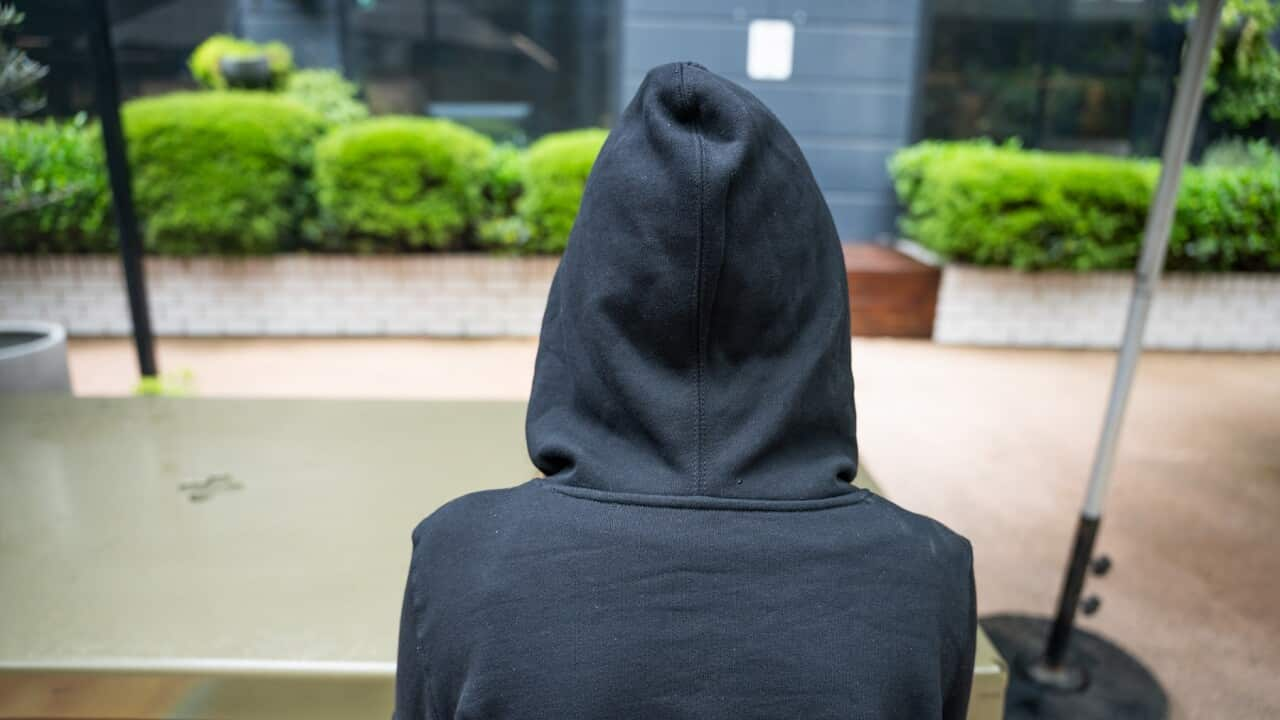
Aida is an international student from Iran in her late 20s.
She’s living in share accommodation while completing a PhD in science and working hard to make ends meet.
"You are always stressful and at the same time you have to work, you have to study. And it is really hard."
Juggling academic studies while working to pay for rent and food isn’t her only concern.
In recent weeks, nationwide protests triggered by Iran’s economic woes led to a brutal crackdown and mass arrests.
"This is something like stressful, very stressful for us. So, for example, I cannot sleep. It's been, like, more than 20 days that I couldn't sleep. I will wake up with notification on my phone to see if someone is killed, someone is arrested. Iranian students inside Iran are still fighting, and we Iranian students outside of Iran, we try our best to be the voice of people in Iran."
Aida – her name changed for safety reasons - took part in earlier protests.
The recent crackdown rekindles many painful memories.
"This is all of the traumas that I have, I am also still scared of fireworks because it actually, reminds me of bullets that I heard on the streets in Iran. And I know that this is Australia, we are all safe, but this is really hard for me."
More than 3,000 tertiary students from Iran are in Australia on study visas.
Academics say those dependent on family funds are finding it hard to pay tuition and living costs because Iran’s currency – the rial – has collapsed.
Parisa Glass fled Iran as a teenager and is now a senior lecturer at the University of New South Wales.
"Their families sell everything they have to send their children to get educated and with the rial basically collapsing with the economy being in shambles, essentially their money doesn't go far at all."
With the academic year about to begin, Ms Glass fears current challenges in Iran will impact students’ results.
"They are undergoing a lot of financial trauma as well as emotional trauma which puts the students under more stress and they have to get multiple jobs. And again, that impacts their academic ability to perform."
Ms Glass is a follower of the Baha’i faith whose adherents are persecuted in Iran.
She is trying to help students however she can.
"I personally supported at least one student in Australia who's been struggling financially help them to find jobs. And as well as mentoring them to be able to navigate the job market in Australia so they can earn a living."
Students in Iran who intended to study abroad were also impacted by lack of access to the internet.
Elli Irannezhad is a member of the International Community of Iranian Academics.
"The digital blackout in January, it prevented many potential students who were planning to apply abroad simply because they couldn't get access to internet to lodge their applications. Or again, because of financial issues that they face, they couldn't really afford application fees."
As tertiary students prepare for the new academic year, Ms Irannezhad is among those appealing to universities to show leniency.
"Specifically, the extension of some deadlines, for example, deadlines for lesson reviews, for admissions, providing financial support for students who are here, waiving some of the fees, for example, providing more flexibility for students in terms of private health insurance. But also providing counselling services at universities. Many students suddenly found themselves without financial support and facing the real risk of homelessness potentially, in countries where they have no family or safety net."
Recent rallies across Australia give the diaspora a chance to grieve lives lost and show support for the thousands of detainees still at risk in Iran’s prisons.
For international students like Aida, watching from afar is a private anguish.
"We are all ashamed that we are not in Iran. We are all ashamed that we cannot do anything for our loved ones in Iran. If I'm getting emotional I'm sorry. It is hard to talk about it. We wait every second, every moment for news from Iran, to see that whether our loved ones are still alive or not."