

A National Commissioner for Aboriginal and Torres Strait Islander children is being established, a move hailed by advocates as a milestone for independent accountability in closing the gap for youth justice and welfare. However, critics like Senator Lidia Thorpe warn that without federal power to penalise states or compel compliance, the role risks becoming a matter of optics over tangible safety.
Listen to Australian and world news, and follow trending topics with SBS News Podcasts.
TRANSCRIPT
Legislation has been introduced into Federal Parliament ((Thu Feb 5)) to establish a permanent and independent National Commissioner for Aboriginal and Torres Strait Islander children.
The move implements the government's announcement from last June and formalises the historic appointment of Sue-Anne Hunter as the first person to hold the full-time role.
The urgency of the position is underscored by a stark disparity in the justice and welfare systems: First Nations children are currently 27 times more likely to be in youth detention and 10 times more likely to be in out-of-home care than their non-Indigenous peers.
Presenting the bill to Parliament, Social Services Minister Tanya Plibersek noted that the framework responds to findings brought forward by 70 advocacy groups back in 2019.
"They described the levels of discrimination and disadvantage being faced by aboriginal and Torres strait islander children at the time as widespread, systemic and inter generational. Sadly, these sobering assessments have continued, but so too has the tireless advocacy to change them."
The latest Closing the Gap report is due to be released next week, with Minister for Indigenous affairs Malarndirri McCarthy congratulating adjunct professor Sue Anne Hunter on the appointment.
Senator McCarthy says Ms Hunter will be a fierce advocate for First Nations children.
She says the appointment is part of the government's commitment to turn around the high number of First Nation's children in out-of-home-care and youth detention.
Commissioner Sue Anne Hunter told the ABC her role is about holding the government to account.
"So part of my role will be to go out and talk to kids and get their voices. We can bring those back. We can do inquiries, make recommendations to Parliament around the systems from the voices of the children. What's really exciting is that bringing those young voices in to Parliament to hear the systemic about the systemic injustices that are happening and what they need and want to see changed."
Ms Hunter says the role will allow her to push the government further than it has been pushed before.
"I think that's significant, that we don't have that outside noise. We're able to go forward and make our own agenda, make those recommendations to Parliament. We can push further than we've ever done before. This is going to be a fully independent commission that can look into systemic injustices wherever we see fit. Look, I think there's a lot of things we can check, particularly if we look at youth incarceration and child removal. We can always look at those numbers that will take a long term, because it's been in place for a while, so over the five years, we hope to make a dent, particularly in those areas. I think one of the biggest things we want to see not that Aboriginal and Torres Strait Islander kids aren't thriving. We want to see more kids thriving."
However, the proposed bill applies civil penalties for failing to provide information to the Commissioner, yet it appears to exempt government entities.
In jurisdictions like the Northern Territory, where Indigenous children are jailed and removed at a disproportionate rate, Senator Lidia Thorpe says this is a massive loophole.
Senator Thorpe asks the question: why would states comply with a Federal Commissioner if they ignore their own?
An example is the Northern Territory’s recent dismissal of its local Children's Commissioner's advice, occurring while the Territory sanctions the use of spit-hoods on children as young as ten.
With states and territories holding jurisdiction over their own criminal laws and policies, Senator Thorpe warns the new role may prioritise intergovernmental relations over child safety, making the position about 'optics' rather than real protection.
"If you have a National Commissioner for anything, they need to have power. They need to be taken seriously. To restrict the powers of a commissioner is is problematic because you're not going to get to the core of the issue. To not hold states and territories and governments accountable in this process will mean nothing at the end of the day. We know, as I said, in the Northern Territory, 10 year old children are being locked up and tortured. If we can't have power over the Northern Territory Government to stop this ongoing assault on Aboriginal children through a National Children's Commissioner, then what's the point of it? "
Senator Thorpe says the Federal government needs to have the courage to penalise States and Territories, particularly the Northern Territory government.
She says one way of doing this is to cut their funding.
She says while Minister McCarthy promised to consider pulling states into line, $230 million was recently funnelled to Northern Territory police rather than to community-led solutions.
To see real change, Ms Thorpe says communities must keep the pressure on the Minister for Indigenous Affairs to move beyond rhetoric and deliver material results.
"So this Commissioner needs to have power. We can't continue to have these very well paid commissioners to just be a ticker box that writes a report and a number of recommendations that goes nowhere, and I only spoke to an elder yesterday who reeled off the number of reports and recommendations in her 50 years of working in youth justice and child protection, and she said, we are sick of it. Our people are dying. And I echo her sentiments because that that Commissioner's role needs to have teeth."
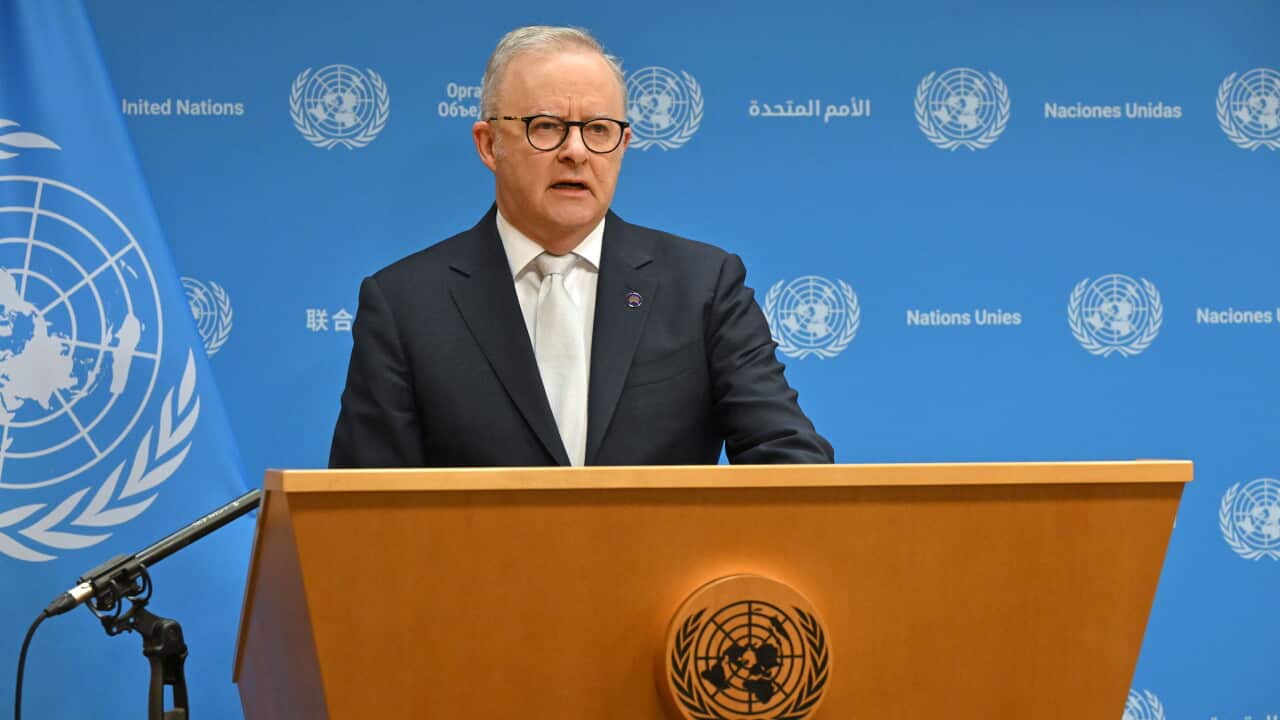
A recent review of Australia's human rights record by the United Nations has heard serious concerns about its low age of criminal responsibility and rising incarceration rates.
The Human Rights Council review is carried out by U-N member states every five years and this is the first one to land since the Albanese government took office.
Over 120 countries made more than 350 recommendations.
Australia's human rights record was brought up time and again, specifically regarding how human rights violations disproportionately affect Indigenous populations.
Caitlin Reiger, C-E-O of the Human Rights Law Centre, told the 7am podcast that the Federal government possesses a lever to intervene in criminal matters - one it has so far chosen not to pull.
"Probably the other piece that has to underpin all of this and that is one of our clearest failings and gaps is that we don't have clear legal human rights protections in Australia, we don't have a federal Human Rights Act and that was repeatedly called out by a number of countries."