
Public consultation has opened on a review into the management plan for the Murray–Darling Basin, Australia's largest river system. The announcement has come weeks after Environment Minister Murray Watt listed the lower Murray River region as critically endangered. Conservation groups have reacted cautiously, saying they hope the review leads to decisive action for a Basin that underpins public health, regional livelihoods, and cultural connection for millions.
Listen to Australian and world news and follow trending topics with SBS News Podcasts.
TRANSCRIPT
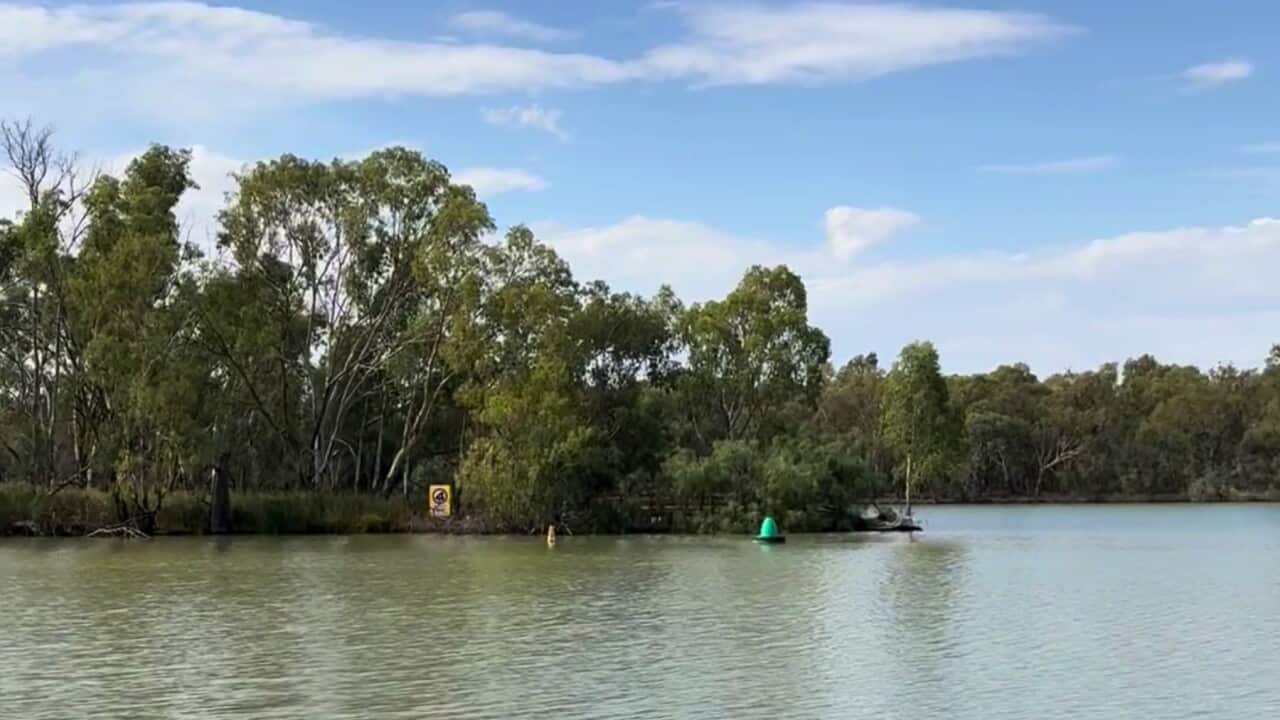
The Murray Darling Basin is one of Australia's biggest ecosystems.
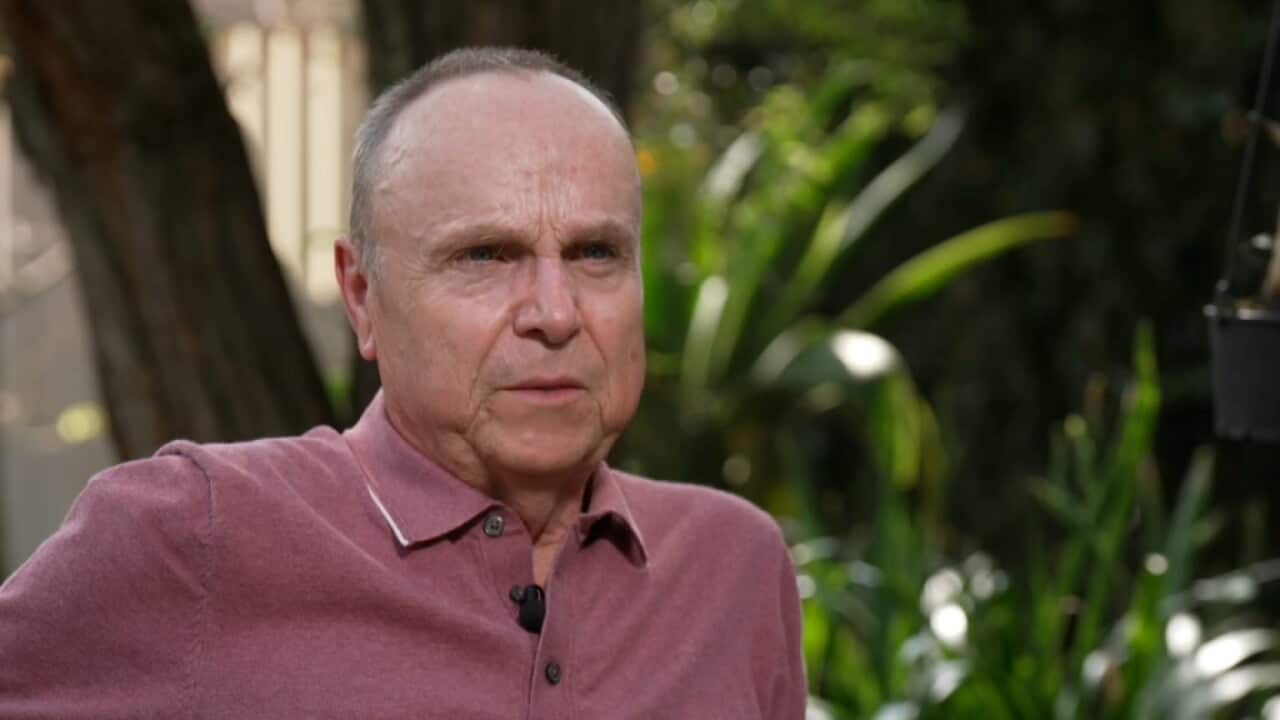
Murray Darling Basin Authority chief executive Andrew McConville says the basin features 24 rivers, in an area that's the size of France and Germany combined.
“It's a million square kilometres. You're talking about 35 billion dollars worth of agriculture production, 15 billion dollars worth of tourism. 2.3 million people live in the basin - but actually 3.2 million people, because Adelaide depend on it for drinking water. So it really is what I would call one of the agricultural and environmental engines of the nation.”
A plan to manage the Basin was introduced 14 years ago in response to the Millennium Drought - but it's not met all of its targets.
That was the finding of a 2024 report from a collective called the Wentworth Group of Concerned Scientists.
Spokesperson Matt Colloff said the report showed little improvement had been achieved since the launch of the plan - while there some areas that had actually gotten worse.
“We've seen waterbird populations decline overall in the Murray Darling Basin by about 60 per cent. We've also seen an increase in the frequency of fishkills.”
Craig Wilkins is the National Director of the Murray Darling Conservation Alliance.
Two years on, he says there are some regions that are still clearly more in need of help than others.
“The ones that seem to be struggling the most are the ones at the end of the major river channels... When we look at particularly in the northern Basin in New South Wales there are areas which are really doing it tough. So we're talking about around the Gwydir, around the Barwon... A lot of it is because climate change is biting, there is less consistent rainfall, and there is too much water being taken out for irrigation, and the landscape is essentially being sucked dry of the water it needs for its long-term health.”
Environment groups have blamed decades of engineering, over-allocation of water, and the drying effect of climate change for a significant reduction in runoff to rivers, creeks and wetlands within the basin.
Indeed, the Environment Minister Murray Watt has just reinstated protection provisions for a part of the Basin that many worried had been hard hit by these issues.
“I'm announcing that I have accepted a recommendation from Australia's Threatened Species Committee to list the lower Murray River as critically endangered under national environmental law.”
Andrew McConville doesn't dispute problems still exist.
He's just led a review of the Basin plan - the first in its almost 14 year history - that he says highlights what a massive task it is, and how far they have already come.
“It's both impressive, it's fragile, it's complex... We get a bit hard on ourselves here in Australia in terms of what we do. We are leading the world really in terms of managing a basin of this size and scale in the manner that we do.”
Still, concerns remain.
Craig Wilkins says conservationists worry that the review won't produce any meaningful improvements or change.
But he says it doesn't have to be that way.
“We are hopeful that this big moment in the life of the Murray Darling Basin is going to be embraced, and the review will do the hard work required.”
One area that many are hoping to see significant reform in relates to the involvement of Indigenous communities.
The review's discussion paper says they have been largely excluded from the management of the Basin to this point, despite their cultural connections and deep knowledge.
It's something that First Nations water science researcher Brad Moggridge has previously flagged to SBS.
“It's quite upsetting when you think about it. We've got done over. Again. And as indigenous people, there's 46 odd nations in the Murray Darling Basin and we don't really have a say into where water flows, and we don't really have access.”
But tackling all of these issues means wading into a political battleground.
Shadow environment minister Angie Bell says the government has been badly mishandling the needs of the Murray Darling Basin.
“What the Basin needs is infrastructure; it needs management of invasive species; it needs efficient water practices; it needs to improve the water quality. What it doesn't need is more regulatory uncertainty and burden, which could hinder that sort of investment that we would like to see.”
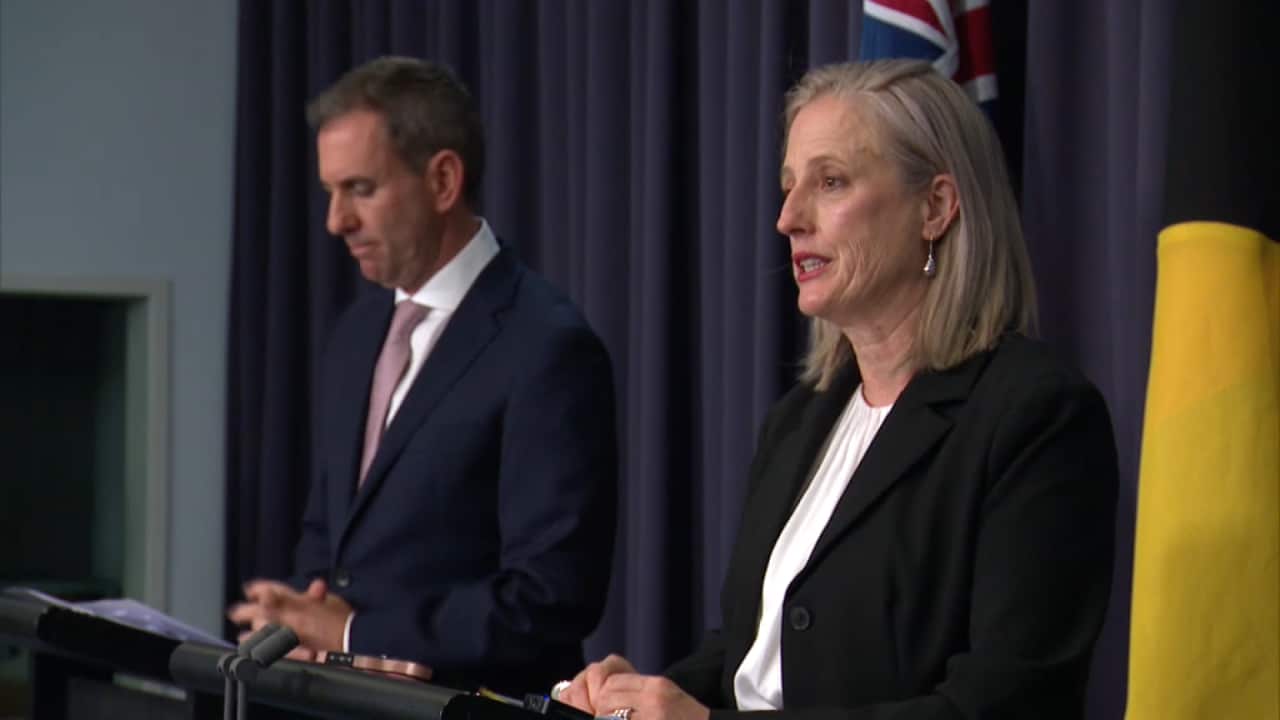
Murray Watt however argues the Labor federal government is simply trying to catch up, accusing the previous Coalition government of failing to act on the Basin's problems for years.
He says the government has implemented an aggressive scheme to buy water entitlements back from licence holders.
“They had 10 years to recover 450 gigalitres of environment. They recovered two gigalitres. Now in the couple of years since we've been in office we've already recovered something like 170 gigalitres towards that 450, and you would have seen towards the end of last year I announced we'd be acquiring another 130 to get us to 300 ((gigalitres)).”
South Australian Greens Senator Sarah Hanson-Young has her own agenda.
She has flagged her intention to push hard against the Basin falling deeper into crisis, especially in her state.
“Other states, of course - those with vested interests, the big corporate irrigators upstream, in upstream states - will be wanting to get more and more water for themselves at the cost of and the expense of our river system, our environment, and our state... And we'll be making sure we fight tooth and nail for our river, for our Murray, and for our Coorong.”
As that battle is waged, Andrew McConville says difficult decisions may need to be made at some point that are beyond the Basin Authority's scope.
Those decisions could address concerns that some crops are too water intensive for the environment - like almond farms in Victoria.
“Governments are often reluctant to intervene in a market to say well you can grow this and you can't grow this. That's not the way Australia works. They do it in other parts of the world. But I think there's a range of decisions that need to be made. And what we're trying to do in the context of the Basin plan is to make sure the Basin plan itself has a range of tools that can be called upon to achieve certain environmental outcomes.”
But Craig Wilkins says the Murray Darling Basin Authority still has a crucial role to play.
“We are really calling on the Basin Authority to make sure that they are not second guessing the Minister, and not assuming that the Albanese government will be afraid to do the hard things everyone knows is required and to make those tough choices. The community needs the unvarnished truth.”