
Mon, 28, says there are a lot of things that make her concerned about the idea of having a child.
When she thinks about becoming a parent, she feels the weight of global issues, including climate change, as well as the immense task of raising a child and centring her life around them.
"If I’m already anxious about what the Earth will be like in 50 years, I don’t think it's right to bring another person into it and expose them to that anxiety," she tells the Feed.
"The older I get, the more I mourn the idea of not having kids, but I still don’t think that's a good enough reason to have them."
However, Mon's 26-year-old partner, Brad, feels differently.
News that makes sense
Your trusted source for staying up-to-date with the world around you. Get free daily news updates and analysis, straight to your inbox.
"He has always seen himself as having kids," she says.
While Brad says he's in "two minds" about having children and he's concerned about what he sees as the selfishness of having a child in an unstable world, he thinks he ultimately still wants to start a family.
"I'd love the opportunity to be a parent, I'd love to give my parents a grandkid and the joy I feel within me thinking about the moments I had with my parents," he says.
The Gen Z cluck gap
Gen Z men and women are showing a divergence in their desire to have children, according to international research.
Among young adults who didn’t have children, 57 per cent of men said they wanted to have children someday, compared to 45 per cent of women, according to one 2024 study from the Pew Research Center in the US.
Australian research has also registered a difference between gen Z men and women in their attitudes towards having kids.
The 2021 Australia Talks survey conducted by the ABC found 74 per cent of Australian women disagreed with the idea that having children is necessary for life fulfilment, while less than half (48 per cent) of men disagreed with the statement.
The reasons why men might express a desire for parenthood could be changing, according to some experts.
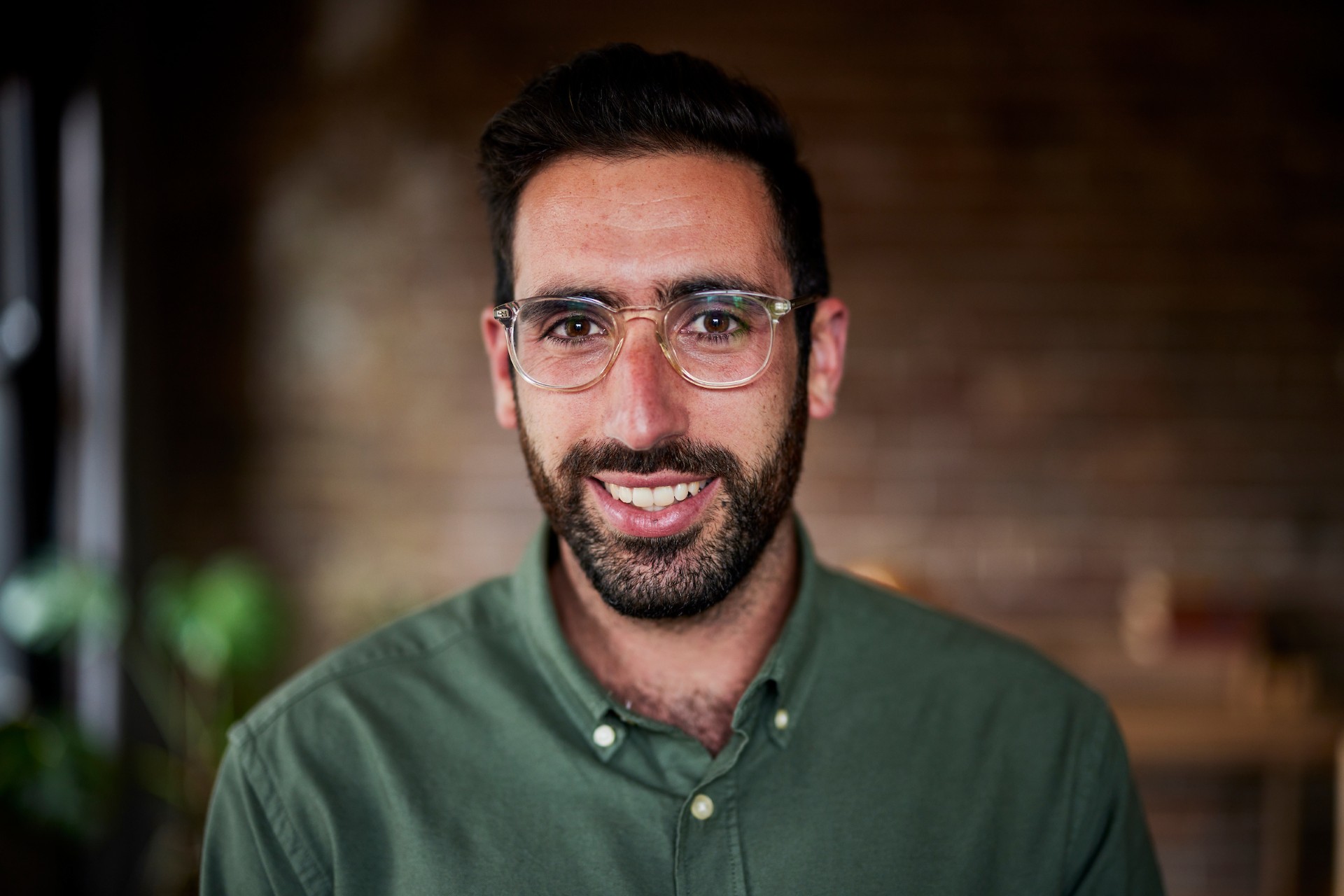
Dr Zac Seidler, a psychologist and men's mental health researcher, says the desire to become a parent may be a response to an increasingly uncertain world where young men are looking to establish a strong sense of identity and purpose.
"Lots of gen Z men are going 'What am I aiming for? What am I aspiring to? Well, fatherhood in this extremely uncertain and unpredictable time is maybe one of the few things I can work towards or attempt to control.'"
'Men want kids like kids want a puppy'
The difference in desire to become a parent is causing resentment among some young women, with the phrase 'men want kids like kids want a puppy' gaining traction on TikTok for the implication that men's desire to have children is impulsive and lacks consideration.
"A lot of them see having kids the same way they see acquiring a car or a boat or something," one TikTok commenter writes.
Kriti, 29, says she's noticed a steep drop-off in enthusiasm for having children among her female friends.
"'I think I'd like to have children one day' is a phrase that used to be mentioned quite heavily. Now the weight has tipped to 'I don’t know if I want to'", she tells The Feed.
While she once believed strongly she would have children, she now feels a lot more apprehensive about the idea due to career considerations and the anxiety of caring for another person.
However, she's sceptical that the men in her life think deeply about consequences like this about having children.
"They share that 'Yeah I’ll definitely have kids one day' sentiment instead and don’t share, express or seem to think beyond that statement," she says.
Brooke, 29, says that while she is single, she has given up on dating altogether because she is adamant she does not want to have children and finds this too difficult to navigate with the men in her age bracket.
"It’s always 'I will eventually have kids but I’m either not read to settle down yet' or they aren’t in a financial position to just yet," she says.
"Every guy I’ve spoken to is very chill about it and acknowledge they want kids but they just haven’t thought that far ahead yet."
Brad says the accusation that young men are failing to think through the consequences of having children may be "fair to an extent" and says he may be guilty of it himself.
"Growing up in a small town, it was the 'done thing' for people to get together, buy a house and eventually have kids. Because of this I always figured I'd have kids but I had never thoroughly considered the impacts of having one until recently," he says.
"I could only imagine how many people, men in particular, who have had kids or are planning to because it was the done thing to do rather than something they actually wanted".
Kevin, a university student, says that while he is keen on starting his own family and 'settling down' he feels anxious about time and financial constraints.
"I definitely need a good job in the future to be able to start my own family," he tells the Feed.
A return to traditional gender roles
The gender disparity in wanting children may also reflect the disparity in beliefs between gen Z men and women about traditional gender roles in general.
Seidler says young men could be aspiring to fulfil the traditional breadwinner role in households because it provides them with clear "motivation and intention" in their lives.
"Lots of these guys go 'Alright, I need to provide. So, I’m going to go and get a really good job, so I can provide for my future children'".
This tendency to equate fatherhood with provision is instilled in men from a young age.
Joshua Glover, a senior facilitator at the Man Cave, a Melbourne-based mental health charity, says that in his work with students, he sees a strong tendency for boys to value their father's ability to provide for the family.
"A really strong value that still comes through quite clearly is this real sense of, 'I appreciate that my dad sacrifices so much in order to provide', so there’s a strong sense of the value of sacrifice, I think, and then what that offers in terms of creating safety and a support base for them as kids," he tells the Feed.
Evidence of this belief in maintaining traditional gender roles within family units among gen Z men is borne out in the research.
Gen Z men hold some of the strongest beliefs about assuming traditional gender roles compared to other generations, including one large-scale study from King’s College in London published this year that found 31 per cent of young men reported believing a wife should always obey her husband, while only 18 per cent of women in the same age bracket agreed.
Recent research commissioned by the Australian organisation The Fathering Project, which aims to promote positive fathering behaviour, found 72 per cent of gen Z Australian fathers believe a father's responsibility is to provide financially for his children and 61 per cent believe a mother's main responsibility is to provide emotional and daily care.
In Australia, gen Z beliefs around parenting also tend to mirror broader beliefs about gender equality and gender norms.
Gen Z men buck the trend of a declining belief in traditional gender roles over time and show strong agreement with statements like "men make better political leaders than women" according to the Household, Income and Labour Dynamics Australia (HILDA) survey.
The unequal burden of parenting
Australia’s fertility rate hit a historic low in 2024, at 1.481 births per woman.
The rate has been declining for several decades. While the fertility rate required for population replacement is around 2.1, Australia has not seen those levels since 1976.
While the factors affecting fertility are complex and interconnected, increases in education among women, labour force participation, housing market changes and changes in social norms and values are all thought to contribute to this decline, according to a report prepared for the Australian Centre for Population.
Young women are also making clear that the prospect of having children is more daunting for female partners.
"It’s because men having a child and a woman having a child are two completely different experiences in society, physically and mentally and honestly, socially too," one TikTok user said in response to research about younger men desiring children more than young women.
"If I could assume the position of the father societally, I’d have tons of kids," another user said.
The concept of taking time out of work to care for young children is a highly gendered activity in Australia, with women not only taking more parental leave but also experiencing reduced work hours and longer-term withdrawal from employment compared to men.
Women are also increasingly facing the demands associated with balancing employment and raising children.
In 2000, both parents were employed in 56 per cent of Australian couple families with children under 15. By 2022, that number had shot up to 71 per cent, according to the Australian Institute of Family Studies.
Seidler says that young men may not only be not taking into full consideration the burden on female partners, they may also be underestimating the amount of work and complexity that having a child will add to their own lives.
He says the demands of having children are communicated with far more clarity among women than they are among young men and they would benefit from clearer dialogues around the expectations of fatherhood.
"Men do not get anything tangible about how their life is going to change, what they need to do, how it's going to look," he says.
Seidler says his own experience of becoming a parent has demonstrated to him that men talking about the realities of parenthood is "not a socially condoned conversation".

Through award winning storytelling, The Feed continues to break new ground with its compelling mix of current affairs, comedy, profiles and investigations. See Different. Know Better. Laugh Harder. Read more about The Feed

Have a story or comment? Contact Us







