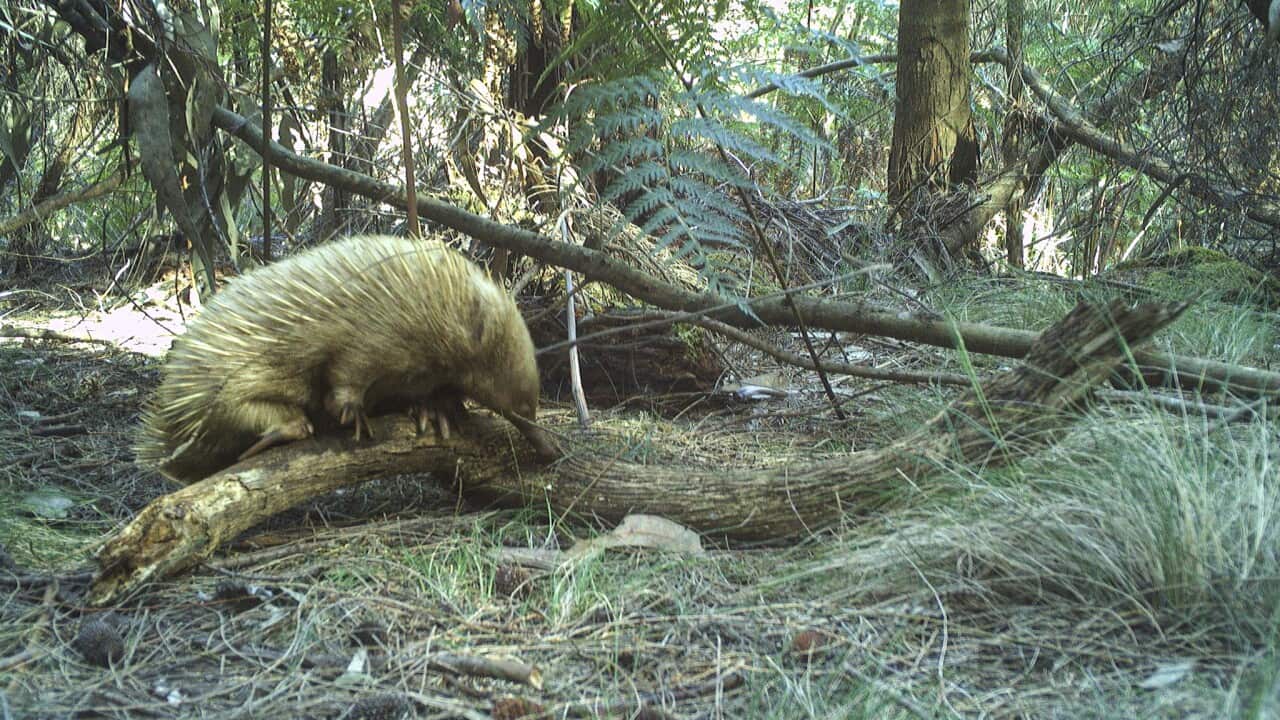
Two rarely seen native animals have been spotted in the first camera survey study on lutruwita's Truwana/Cape Barren Island.
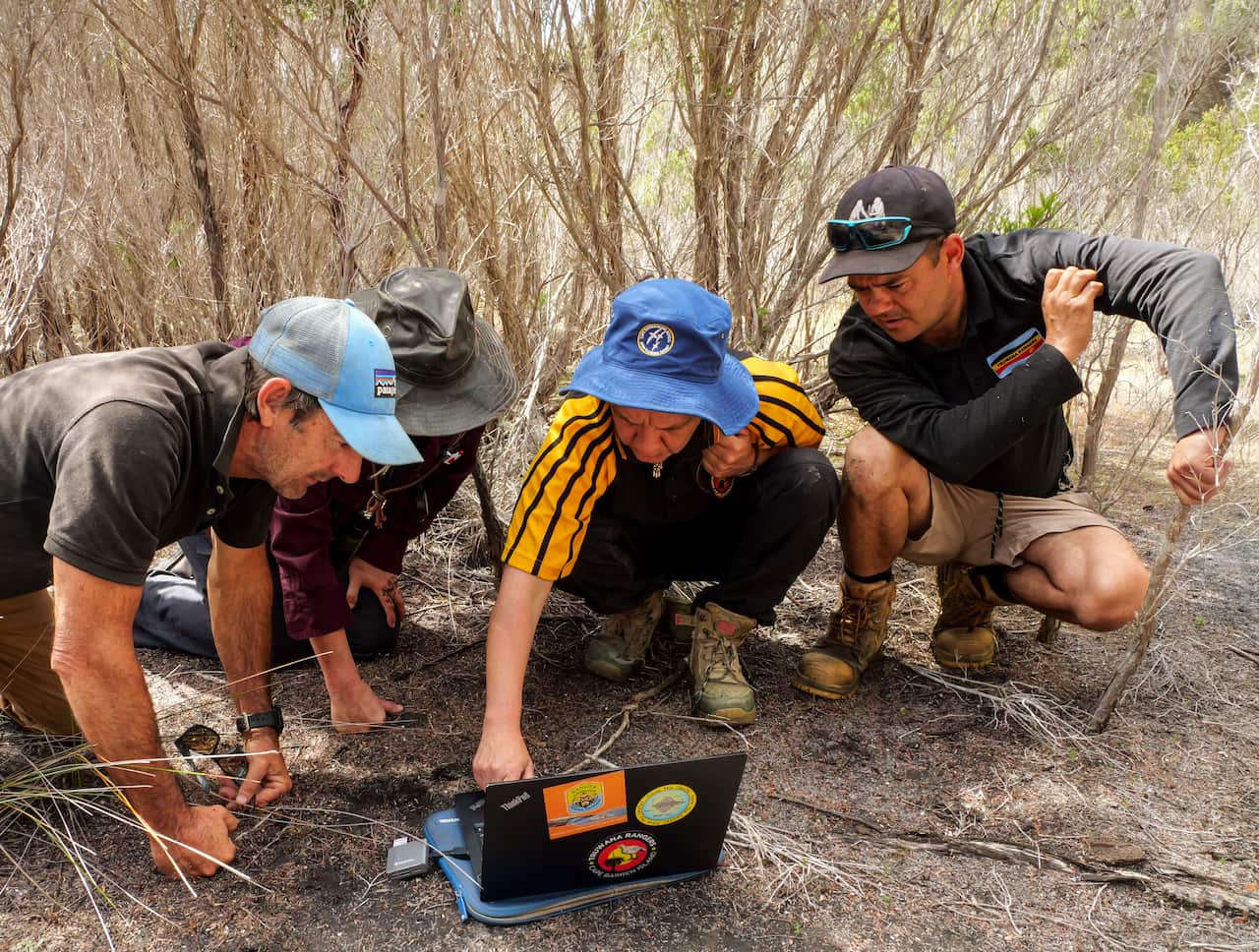
The study, led by Truwana Rangers and supported by World Wide Fund for Nature (WWF) Australia's Eyes on Country program, recorded white-footed dunnarts and blonde echidnas in the region.
The sightings were recorded by the 30 motion-sensor cameras station at seven sites across Truwana between November 2024 and May 2025.
Retrieving the photographs, rangers found almost half a million photographs of various animals including the dunnarts, echindas and the Latham's Snipe, a vulnerable shorebird.
The footage was a success, a sign that despite feral cats on the island, small mammal populations were thriving.
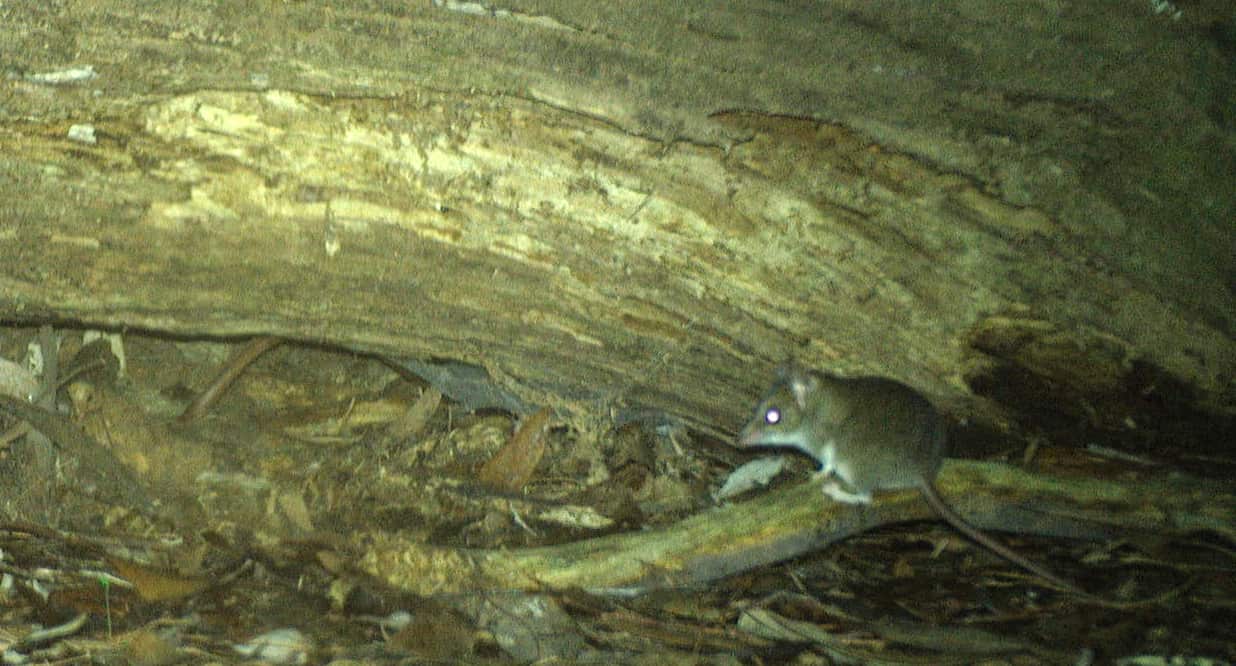
White-footed dunnarts, which are a threatened species in New South Wales, were spotted at six of the seven locations. While there haven't been many recorded sightings in the past, there's now an estimated 5,000 living in lutruwita.
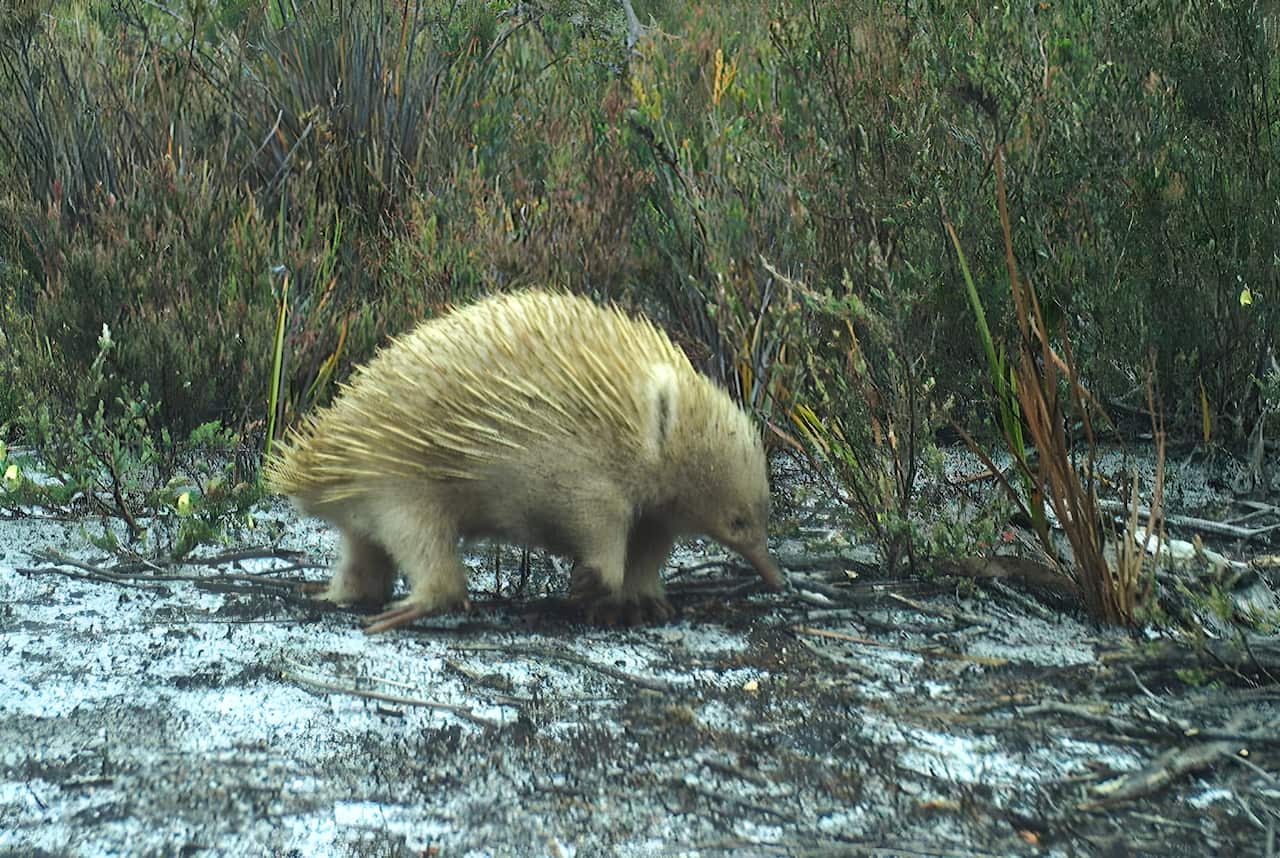
Multiple echidnas were spotted, including two rare blonde echidnas. Echidnas on Truwana are a special subspecies that have thicker fur suited to the cold environment.
Rangers believe the pale echidnas are not albino echidnas but rather have leucism, a genetic mutation that causes a reduction in pigment.
The Tasmanian subspecies of long-nosed potoroo, the eastern pygmy possum and the threatened Latham's Snipe were also spotted in the recordings.
Truwana Fire Project Ranger Roy Thomas said the sightings were a validating sign the ranger's hard work is paying off.
"Knowing we have these small animals in particular landscapes on Truwana encourages us to keep working hard on managing our island for healthy communities," he said.
The more we know, the better we can manage for Community and Country.
For Truwana Ranger Shane Hughes, it's a proud moment.
"Our Elders told us stories of some of these small secretive animals," he said.
"To see them surviving on the Country we live on and manage as rangers, makes us proud of how we look after it."
Indigenous management key to success
Unlike other islands in the Bass Strait region, Truwana avoided mass deforestation and habitat loss that came with colonisation and retains a strong population of native vegetation.
The island was returned to Aboriginal ownership in 2005, and has since been cared for by Truwana Rangers who perform regular weed and feral pest control and cultural burning.
Charles Sturt University academic and project researcher Dr Elizabeth Znidersic believes much of the study's success can be attributed to the Rangers.
“Working alongside the Truwana Rangers has fundamentally shaped this research. Their understanding of the land and its species has helped us interpret what the cameras are showing in a much more meaningful way," she said.
"These camera arrays are revealing a level of biodiversity that other survey methods often miss, especially for shy or nocturnal birds and mammals.”
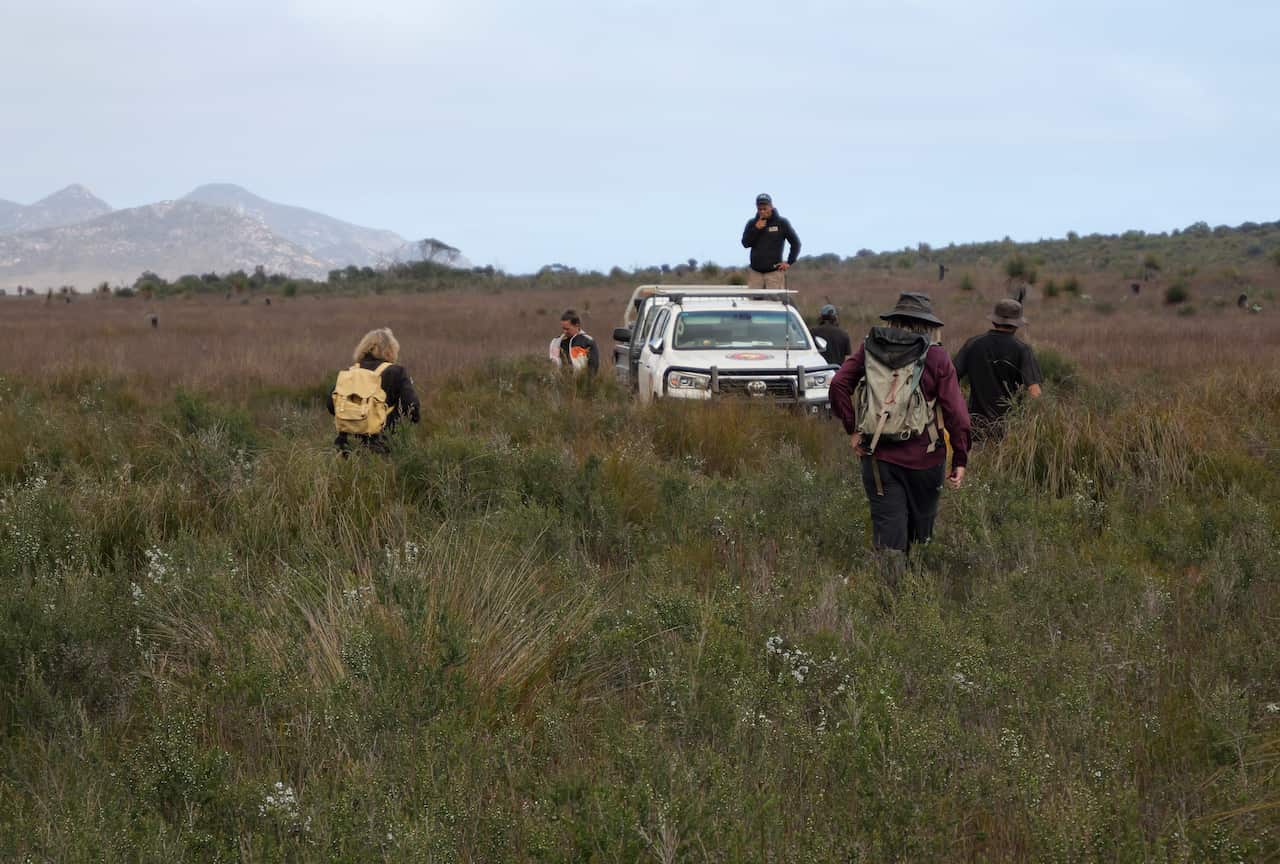
WWF-Australia's Eyes on Country coordinator, Emma Spencer said it reinforces the role of Indigenous knowledge and cultural practices.
"These results reinforce what we see again and again — where Traditional Owners are leading management of their Country, native species have a better chance of surviving, even with pressures like feral animals and climate change," she said.
While the study confirms what the rangers already know, Senior Ranger Buck Brown said it's an important step forward for their Country.
"I’ve seen some of these small animals before, but it’s important to have them named and confirmed on Truwana with our western science partners."