An intimate and deeply personal contemporary work exploring identity, adoption and the enduring impacts of the Stolen Generations will open this week in Meanjin, Brisbane.
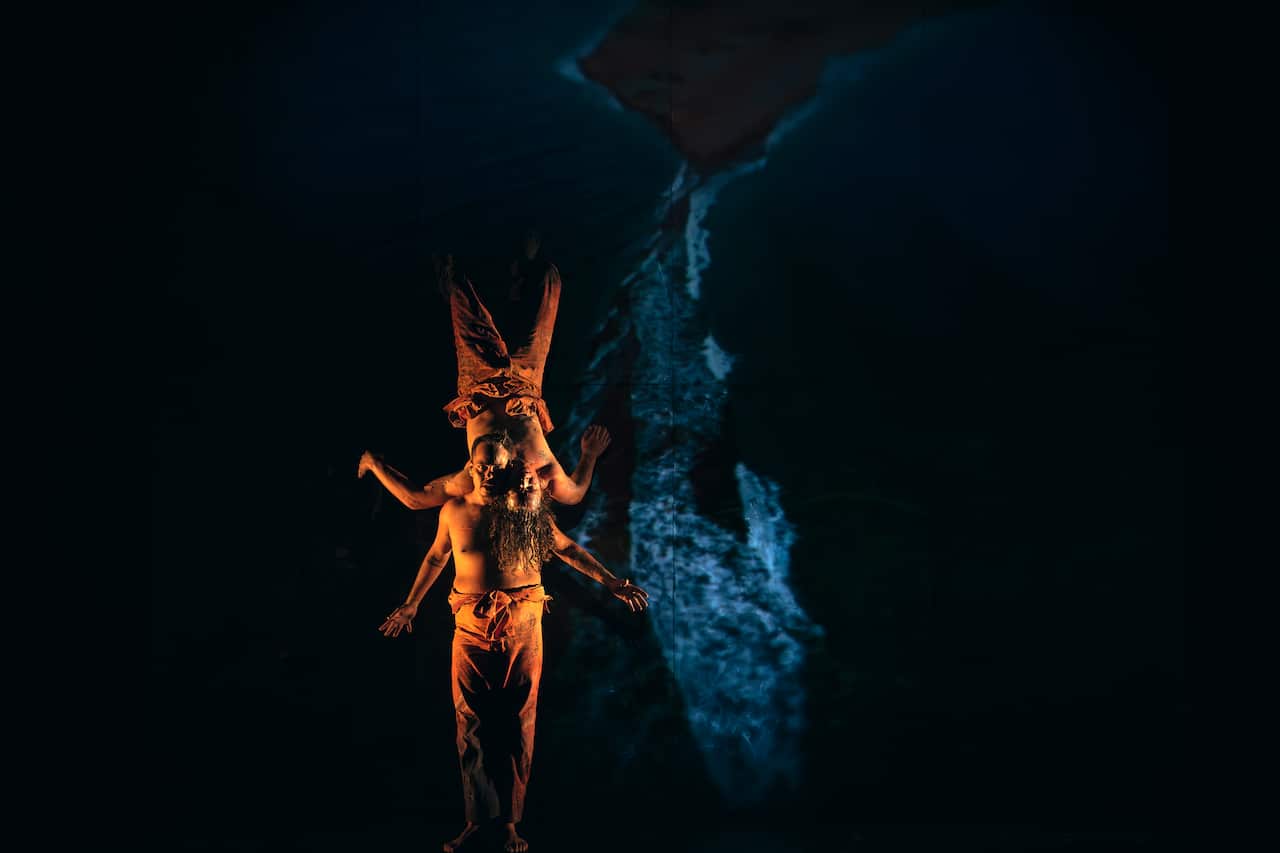
Created by acclaimed Larrakia choreographer Gary Lang, The Other Side of Me translates lived experience of one man into movement.
The two-man work draws on the letters and poetry of an Aboriginal man born in the Northern Territory in the 1960s, adopted by a white English family and raised in the United Kingdom.
For Lang, the unnamed man's story is deeply personal and long resonant.
“It’s a story that needs to be told,” he said.
He recalls his grandmother’s warnings as a child, words shaped by fear and lived reality.
“She used to say, ‘You come on before dark.’ She’d tell us, don’t stay out too late, because they’ll take you away and we’ll never see you again.
"The more we’ve done this work, it just resonates, what my grandmother used to say.”
While the piece centres on one man’s experience, Lang is clear it reflects a much broader truth.
"It’s an Australian story. It’s our story. It’s a Blackfella story, but it’s also a story people might be uncomfortable with [or] people might resonate with it," he said.
"Sometimes I think people in the audience don’t realise they’re sitting next to someone that it could have happened to.”
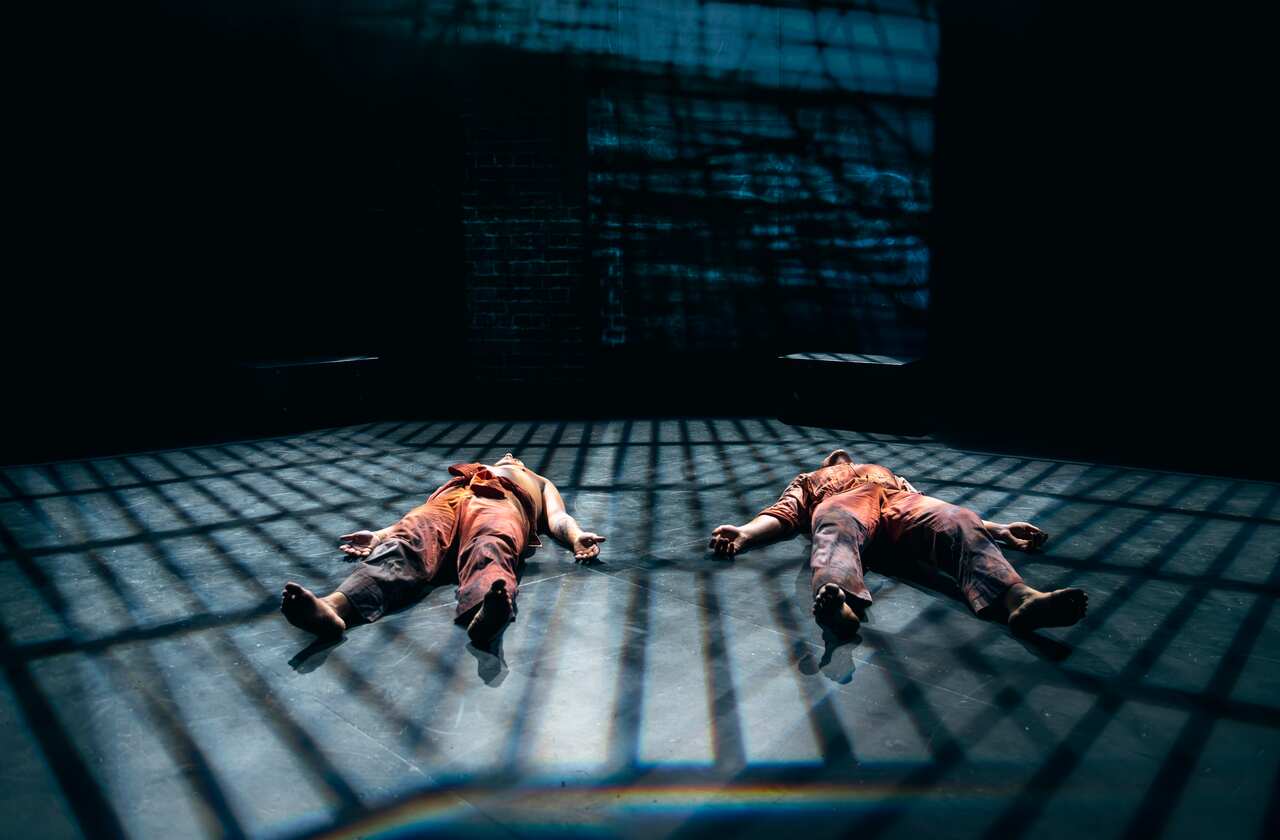
Through stripped-back staging and physically demanding duets, the two dancers embody internal conflict, grief and the search for belonging.
Reading the letters was transformative for dancer Alexander Abbot.
“I really got an insight into what he was going through,” Abbot said.
“He was an incredible artist, his drawings, his poetry. But it’s heavy. It’s heavy to get that emotion out and portray it on stage.”
That emotional depth comes at a cost.
“The next time I do the show, if I dig to that same level, I’m kind of numb to it because I’ve already experienced that. So I have to dig deeper and deeper and deeper.”
Abbot says the performance isn’t about telling audiences what to feel.
“I don’t have an ulterior motive of what I want people to feel. People are going to react differently — and that’s the beauty of contemporary arts. Just get out of it what you get out of it.”
For Lang, the creative process is not about guilt, it’s about recognition and truth.
“The biggest crime was changing their name, their identity and where they’re from before you take them away. That’s the crime,” he says.
As survivors age and communities continue to call for meaningful action beyond symbolic recognition, The Other Side of Me offers a deeply personal lens into the human cost of past government policies.
Lang hopes audiences come with open minds.
“Don’t come with preconceived ideas. Come for the journey. Find your space, your place or just be aware of what’s going on. Things are still happening.”
For Abbot, the responsibility of carrying another man’s story is profound.
“This story is much bigger than me. I don’t feel like it’s Alex on stage. I become that man. I’m just sharing his story.”
The Other Side of Me opens at QPAC later this month.