10 min read
Feature
The Yolngu war hero who went on to change the nation
On Gumatj Country in Arnhem Land’s north east, the rustle of gadayka, the stringybark eucalypt, is a constant, green-leafed murmur.
As a little girl, Djapirri Mununggirritj sat under those trees, not far from the sacred plateau of Gulkula on the Gove Peninsula, while her father made lipa lipa (canoes).
Carving lipa lipa alongside her father was Narritjin Maymuru.
“I grew up with him,” Djapirri tells NITV.
A Mangalili Elder, Narritjin was an artist and loreman, but despite his stature as a leader amongst his people, he always made time for the young Djapirri.
“He had a gentle heart,” says the Gumatj woman. “He would call the children, he never pushed [them] away.
“In that time, he would tell a story: ‘I’ll tell you this story, stories that you’ll never forget.’”
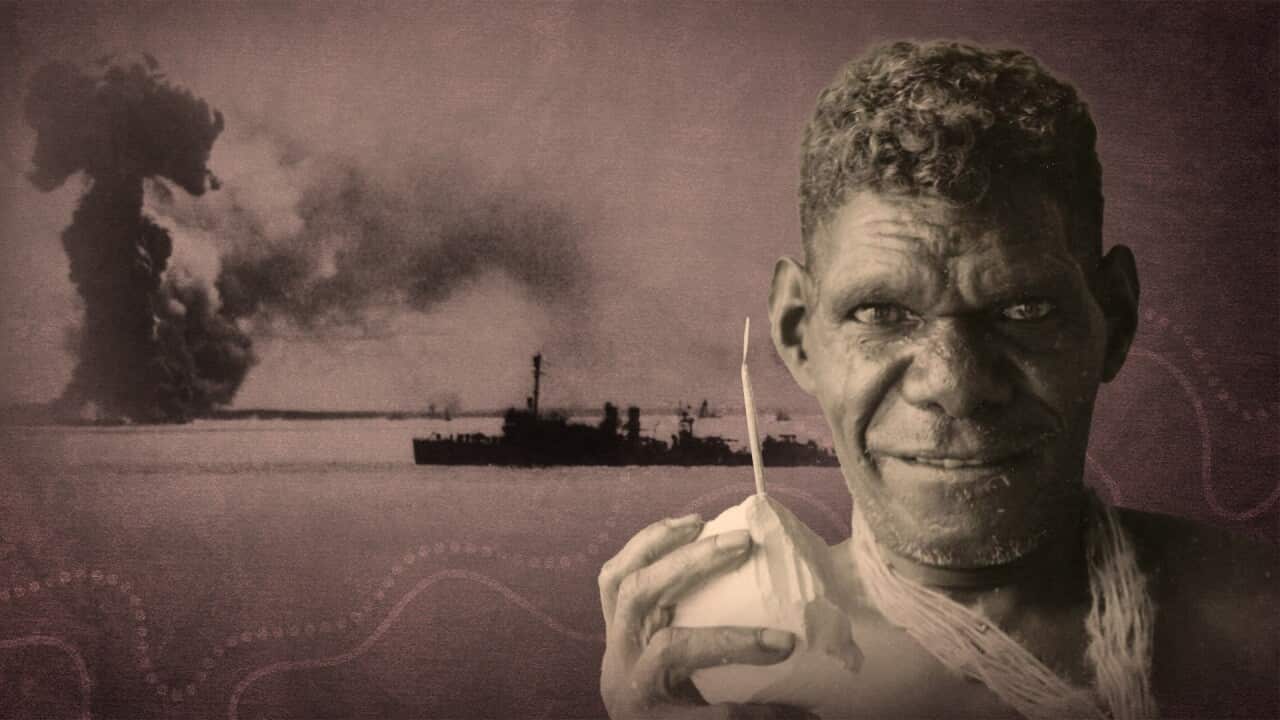
One of those stories is a little known tale of war-time heroism, in which Narritjin played the central role, saving the lives of 12 men in the wake of a devastating bombing attack.
“I don’t think he was ever recognised to be the person who rescued those men,” says Djapirri.
A theatre of war
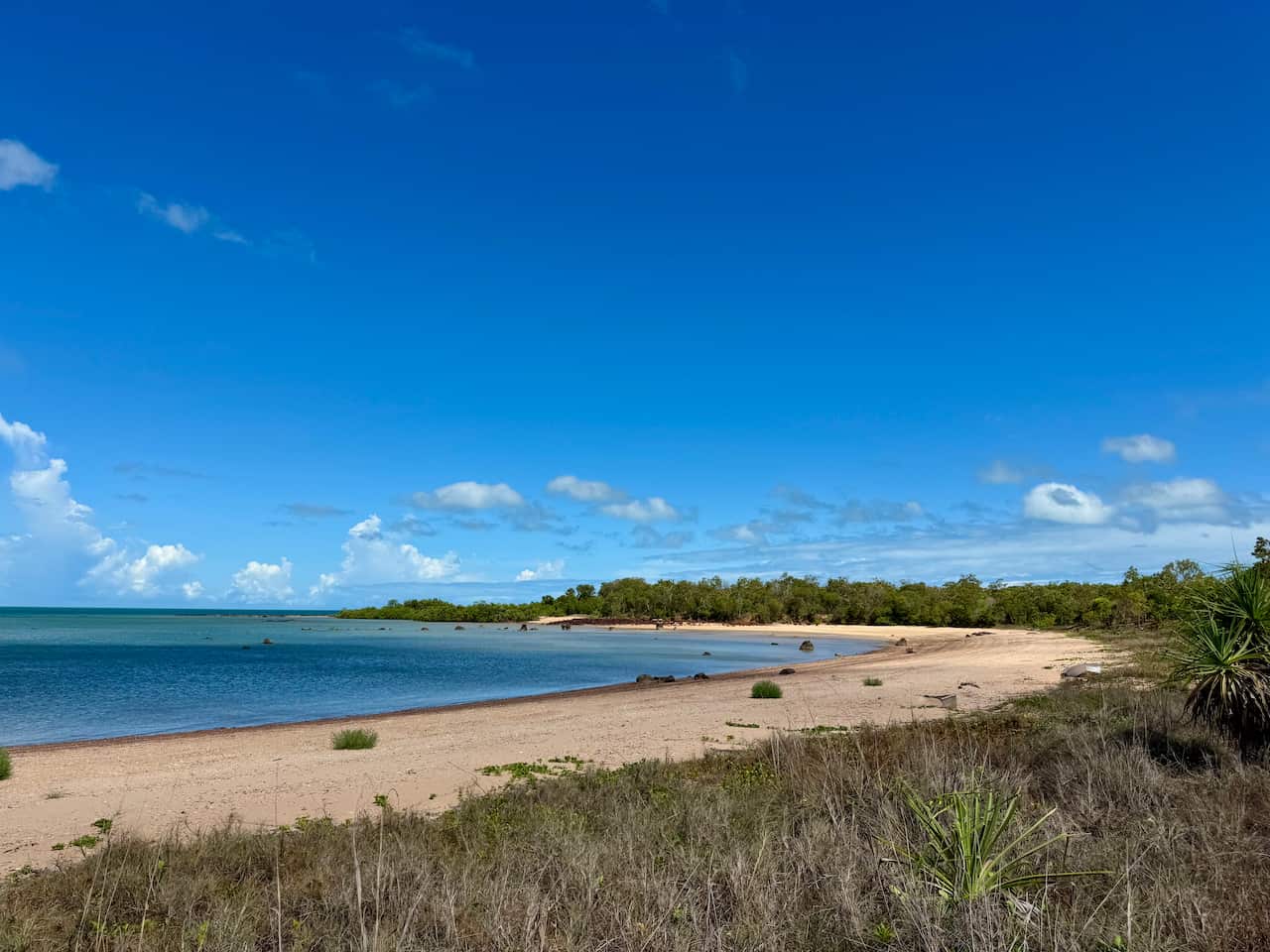
On January 13 1943, Narritjin pushed a lipa lipa, no doubt made by his own hand, into the crystal waters of the Arafura Sea.
The beauty of his home belied a perilous reality: war had come to the Top End.
More than three years into the Second World War, Japanese aerial attacks on the Australian mainland were in full flight.
In the 18 months between February 1942 and November 1943, over 100 such attacks were carried out, and while Western Australia and Queensland were also struck, it was the Northern Territory, its coastline harbouring warships and airstrips, that bore the brunt.
Narritjin was paddling into a theatre of war.
He and two other Yolŋu men, Milirrma Gitjbapuy Marika and Djimanbuy Yunupingu, were travelling to Galiwin’ku (Elcho Island) to collect mail and new codebooks, one of the many ways Yolŋu people assisted with the war effort.
On the island they were picked up by HMAS Patricia Cam, a wooden-hulled minesweeper and supply ship bound for Yirrkala, Narritjin’s home.
Paddy Babawun Wanambi, a Yolŋu man from Milingimbi, was also aboard, providing essential navigation.
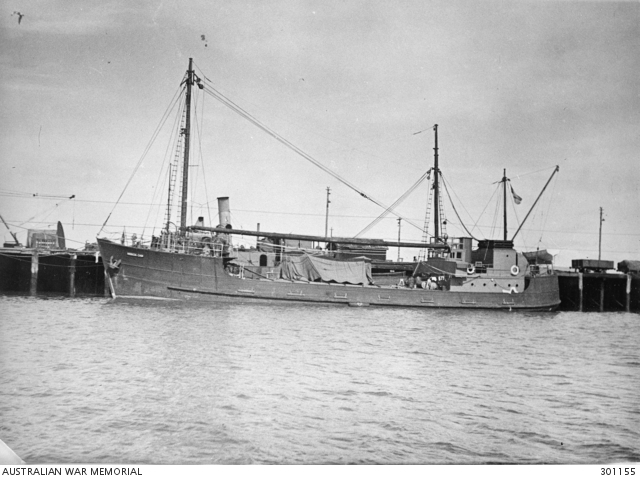
With their lipa lipa lashed to the ship’s stern, the Yolŋu joined the 20-odd seamen aboard the doomed vessel.
By lunchtime on January 22, the ship was off the west coast of Guluwuru. The cloud cover of the previous day had receded, and the temperature reached into the 30s.
Narritjin was sitting on the deck of the Patricia Cam, teaching the Reverend Len Kentish, a Methodist missionary also headed for Yirrkala, a few words of Yolŋu Matha, unaware of the stalking presence in the skies above.
With its engines cut, a Japanese attack plane emerged silently from the blinding territory sun, dropping a devastating bomb directly onto the Patricia Cam.
Narritjin was knocked unconscious by the blast. He awoke in the water, trapped under a canvas tarpaulin. As the ship sank, dragging him down with it, the Mangalili man tore a hole in the fabric with his teeth, freed himself and swam to his canoe, still tethered to the ship.
The warplane made three more passes, dropping another bomb and sweeping the water, now strewn with detritus and desperate men, with machine gun fire.
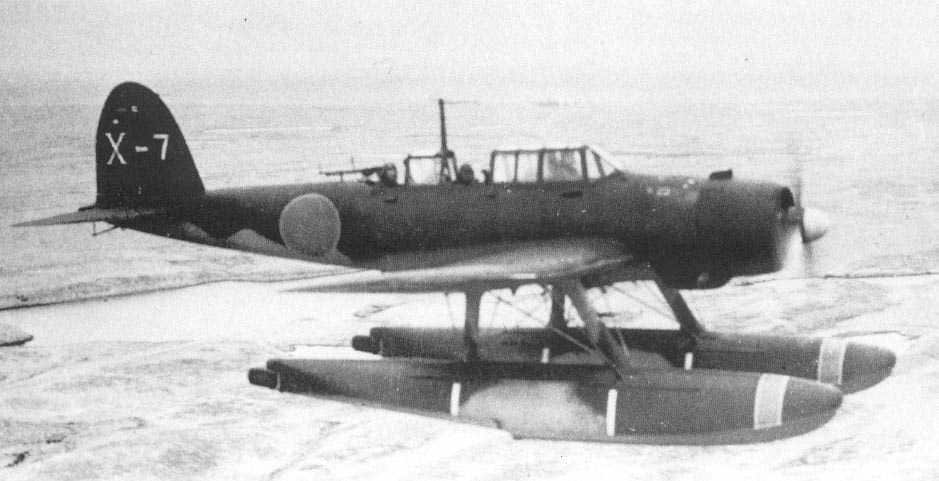
Several men tried to climb aboard Narritjin’s canoe, but it was destroyed by the second bomb.
Narritjin and Reverend Kentish found each other bobbing amongst the wreckage, clinging to flotsam.
Amid horror and destruction, the men reflected on the good lives they had been blessed with, making peace with their impending ends, which they presumed to be God’s will. Their grim talk made the survivors around them swim away, leaving them alone with each other.
The attack plane landed on the water. Narritjin and the Reverend swam closer, but suddenly shots rang out. Shielding themselves behind debris, the two men raised their hands in surrender.
A ladder was let down from the plane and the men were beckoned over by the Japanese airmen.
The Reverend Kentish was hauled aboard, but a swift boot kicked Narritjin back into the water.
The captors drove their craft back into the sky, the Reverend Kentish, the only person to be captured on the Australian mainland during the war, their prisoner.
Narritjin was suddenly alone. Nearly a kilometre away, the remaining survivors clung to a makeshift raft. Swimming the distance, Narritjin was finally hauled aboard, exhausted.
Night fell.
Oysters and yams: a Yolŋu rescue
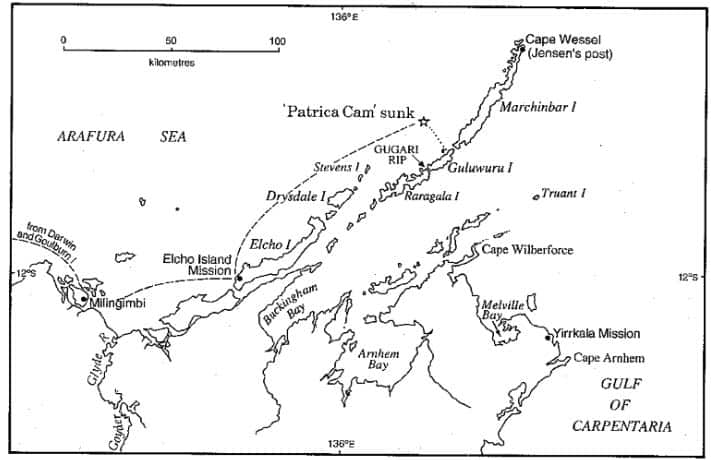
Sometime in the early morning of January 23, adrift on the waters of Manbuynga ga Rulyapa, the men heard the sound of birds.
Their makeshift raft, carrying the sick and dying, washed ashore on Guluwuru, an island in the archipelago that stretches northwest from Arnhem Land.
The Yunupingu brothers Djinipula and Djimanbuy had been killed in the attack; several crew had gone missing in the ocean overnight.
Gitjbapuy Marika and another crewman died from their injuries on the island, buried side by side in shallow graves.
15 men were stranded, their situation dire.
Narritjin and Paddy Babawun, the surviving Yolŋu men, were the men's saviours.
Within minutes of landing, Paddy had a fire going on the shore, its warmth lifting the men's spirits. Narritjin foraged for food, sourcing yams and wild fruit, showing the others how to find oysters at low tide.
But these were wounded men in a war zone: the ingenuity of the Yolŋu could sustain them only so long.
Narritjin stayed for two days, showing the men which foods could be eaten raw and which had to be cooked, before he and Paddy set out for help.
Journey for help
Leaving the survivors at their makeshift camp, the two men walked south along the Guluwuru's west coast in search of rescue.
Swimming the Gulgari Rip, a 70 metre strait with a powerful current that separates Guluwuru and neighbouring Raragala, the men discovered a Yolŋu canoe.
Despite their own desperate situation, the men knew how vital the craft was to its owner, and pressed on.
In a bay not far from the canoe, Narritjin and Babawun found its owner, a Galpu man named Dika, and his son Militjbi.
Militjbi was sent to provide guidance to the stranded men back on Guluwuru, while Narritjin and Dika continued their leapfrog journey across the archipelago's islands, strewn like loose pearls across the Arafura: Djeergaree Island, Drysdale Island, Elcho Island.
On Elcho they met a large cohort of Yolŋu men; together the party walked the length of Galiwin'ku, finally arriving at the Methodist missionary station to report the sinking of the Patricia Cam.
A rescue ship was dispatched from Darwin, and the survivors were rescued on January 29.
"He did that for those white men," says Djapirri.
"There was this Black man who swam to rescue men, amongst crocodiles and stingers and sharks.
"He made it happen because of his passion to others. He was that kind of person."
Narritjin had touched the lives of the men he helped save.
But the Yolŋu man was to make an even greater contribution, one that would touch everyone, his influence running to the heart of Australian democracy.
The Bark Petitions
What followed would cement Narritjin’s place not only in Yolŋu history, but in the story of the Australian nation itself.
Long after the war, his leadership and cultural authority would again be called upon - this time not in a theatre of conflict, but in a moment of profound political transformation.
“He was really a leader of that movement,” said Clare Wright, Professor of History at La Trobe University.
He was chosen to help guide a new kind of expression - one that fused Yolŋu law, story and identity into a form the Australian state could not ignore.
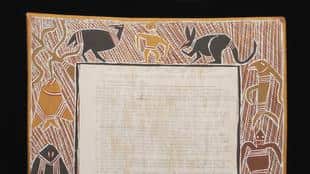
That role found its most powerful expression in the Näku Dhäruk - known more widely as the Bark Petitions.
Narritjin was among the senior figures entrusted to help bring them into being, drawing on a tradition in which art was never ornamental, but deeply political.
“You could call him a diplomat. You could call him an ambassador of the Yolŋu people,” says Wright, author of 'Näku Dhäruk', the acclaimed history of the Bark Petitions.
“He was a very powerful diplomat entrusted by his community, by the Elders, through the Yolŋu people’s own governance systems, he was collectively appointed to be an ambassador for the nation.”
Presented to Federal Parliament in 1963, the Naku Dharuk marked a turning point in Australian democracy.
“The Näku Dhäruk petitions were the first time that the petition had ever been put to the Australian Parliament in an Australian [Aboriginal] language,” Wright explains.
“It was the first petition that wasn’t presented only in English.”
They were also “the first petition that included any First Nations symbolism in painting,” and “the first petition ever put to an Australian Parliament that led directly to a parliamentary inquiry.”
In that moment, Yolŋu voices compelled the nation to listen.
But their meaning runs deeper still.
“Näku Dhäruk means the bark and the words or the word written on the bark, but not a petition,” Wright says.
“It implies that they were subservient people begging up to a higher power, but that’s not what the Yolŋu law had intended.”
Instead, “the Yolŋu law were sending a message to the Australian Parliament from the sovereign nation of the Yolŋu to the sovereign nation of the Australian people.”
It was, in essence, an act of diplomacy - an invitation to recognise, to negotiate, and to coexist.
In that light, Narritjin’s life reveals a remarkable continuity.
The same man who, in the chaos of war, risked his life to save others, would later help carry his people’s law, sovereignty and aspirations into the heart of the nation’s political system.
The courage took a different form - but its impact was no less profound.
Through the Näku Dhäruk, that legacy endures.
“The bark petitions are really the spark that lit the wick, the flame of the land rights movement,” Wright says.
They reshaped the relationship between First Nations peoples and the Australian state, and helped redefine the possibilities of Australian democracy.
And at their centre stands Narritjin: not only a survivor, a rescuer, and a keeper of culture - but a figure whose influence continues to echo through the nation he helped change.