Bringing together two knowledge systems is at the heart of what GBR Biology and Reef Unlimited does at the country’s largest world heritage listed site, the Great Barrier Reef.
Natalie Smith, a Darkinjung descendant, Senior Marine Biologist and Master Reef Guide says utilising cultural knowledge together with science to inform their conservation work and educate visitors will protect the reef for future generations.
“We have such good close ties with both the Yirrganydji (Irukandji) and Gunggandji mobs,” she said.
“First Nations people were the first scientists. They cared for Country long before Europeans came along and it’s really about showcasing how those two knowledge systems can go hand in hand when protecting the reef.”
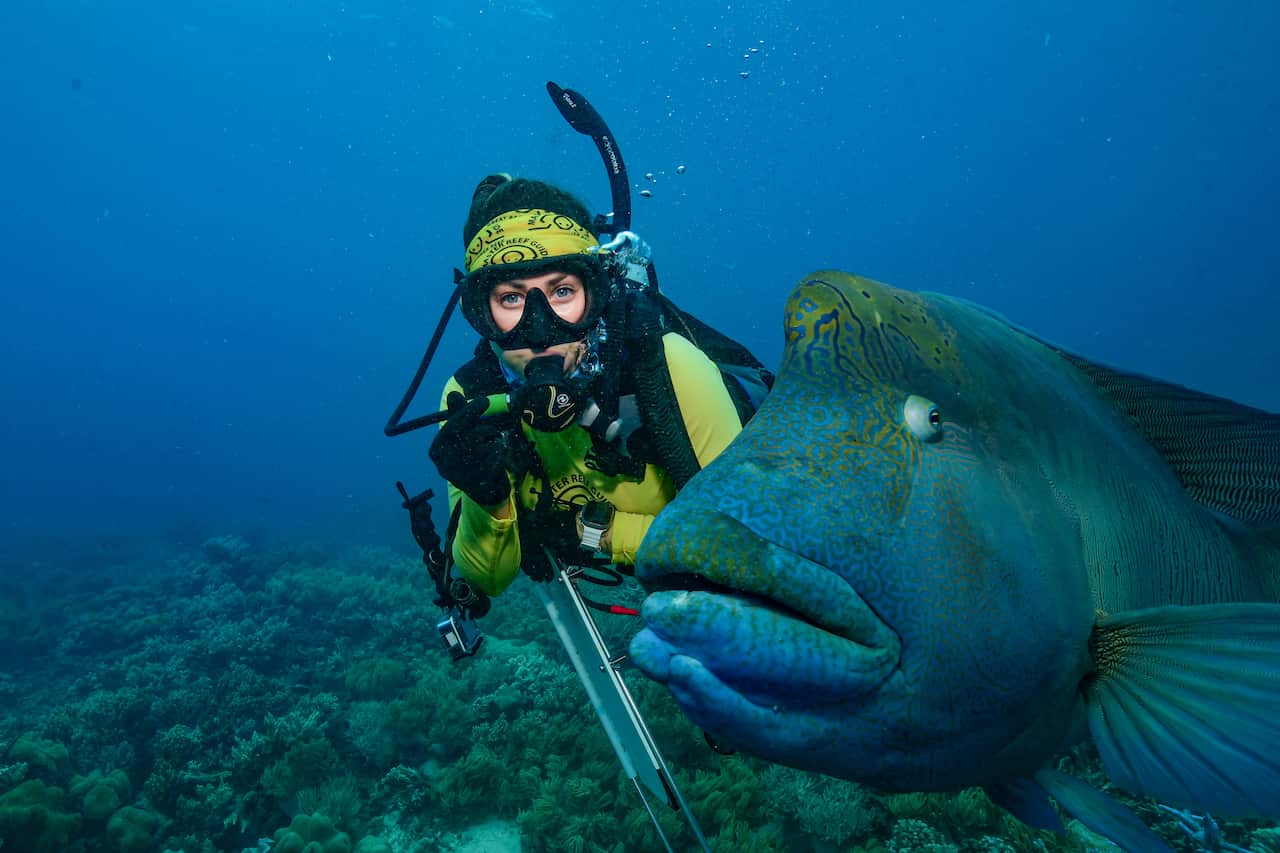
GBR Biology is the largest team of marine biologists and First Nations cultural guides working on the Great Barrier Reef. They work across a fleet of vessels including Dreamtime Dive and Snorkel where they incorporate culture within their tours.
In the last two years their team has grown significantly with 17 First Nations cultural guides which now includes five women.
Smith credits Reggie Morey, the first Indigenous female Master Reef Guide, with paving the way for others.
“Reggie has been a massive first for the industry in a lot of sense and she is an incredible mentor and guide for a lot of the young women who are coming through,” she said.
“A few of [the young women] we’ve had as work experience kids and then they’ve gone on to really enjoy the job and want to learn more, so I think props go to Reggie a lot on this one.”
Morey, a Mandingalbay Yidinji woman with ties to Saibai and Papua New Guinea said it is one of her biggest goals to see more mob working on Sea Country.
“We’re slowly getting that knowledge and that culture out there and paving the way and showing children and the younger generation that it’s possible to be able to change your lifestyle and get into an industry like this and be on a platform like I am on,” she said.
“I think in the future we’re definitely getting out there and we’re being heard, we’re being seen and it’s just about leading by example so hopefully in the near future we’re going to have a lot more mob working out on Country.”
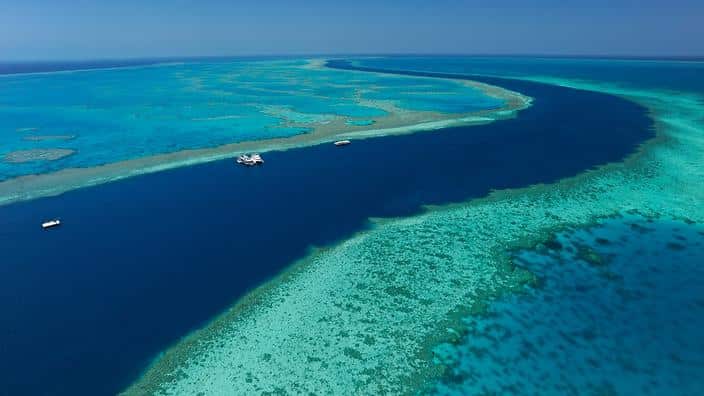
For both Morey and Smith, aside from playing a part in caring for Sea Country, one of the most rewarding parts of their job is sharing knowledge and the beauty of the reef with guests from all over the world.
“It’s hard to put into words, it’s just this feeling, but I have the biggest, goofiest smile on my face when I witness guests putting their face in the water for the first time and seeing the reef and the joy that sparks in them,” said Smith.
“It still inspires me the same way it did the first time I saw it.”
Morey said it’s a privilege to be able to surprise people with a new perspective on the reef.
“A lot of people when they come out, they don’t exactly come out for the culture, which is totally fine because it’s not that well known, but it also plants a seed and then they’re like ‘wow, I never even knew’,” she said.
“It just opens their mind so much more when they can take such a beautiful structure and put the science and the culture to it, it gives it that much more meaning and depth.”
The Great Barrier Reef attracts more than 2 million tourists each year with activities concentrated within about 7 per cent of the total marine national park, according to the Great Barrier Reef Marine Park Authority.
Smith said working together with Traditional Custodians with sustainability woven into the tours is the future of tourism on the reef.
Dreamtime Dive and Snorkel offers a ‘Reef Recovery Day’ where guests are invited to work alongside marine biologists to attach coral fragments to steel structures to promote growth after climate events like tropical cyclones.
“We know that climate change is the biggest stresser of the Great Barrier Reef through heightened events like tropical cyclones and bleaching and the biggest thing for us is to just be open and honest with our guests, not pull wool over their eyes, I think that's the best way that anyone is going to want to help protect it,” said Smith.