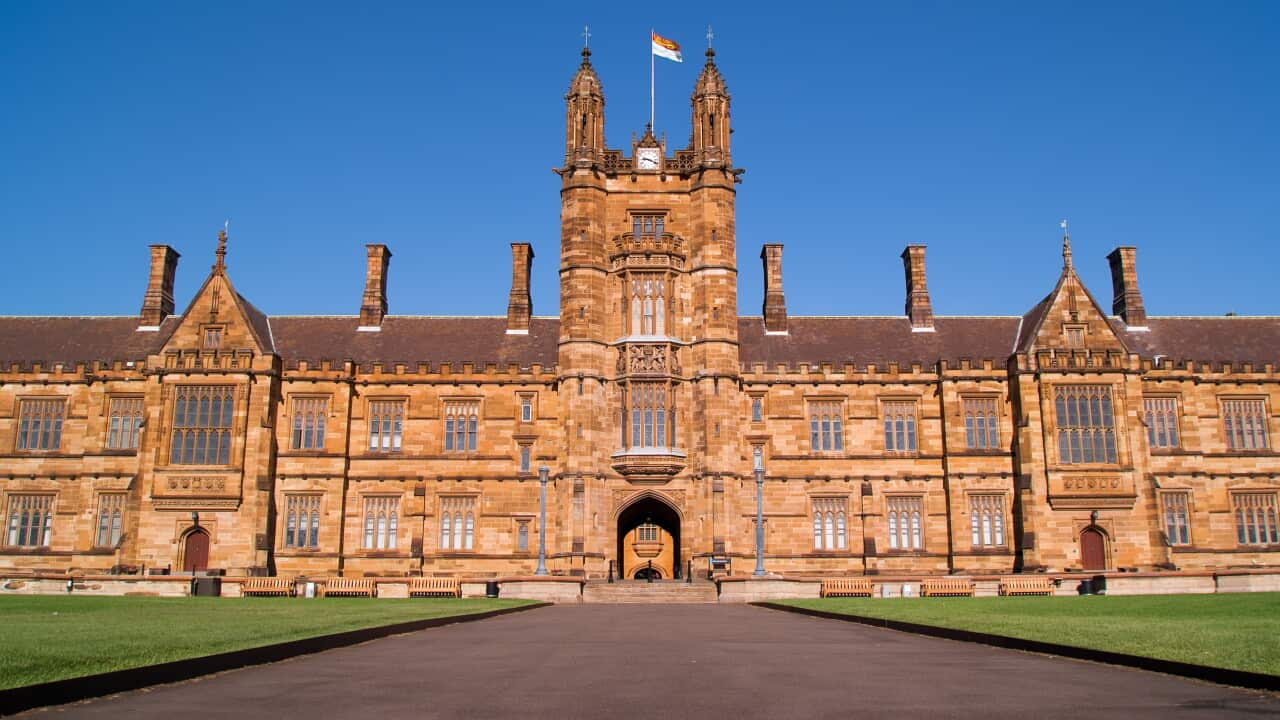
Australian universities will be required to develop their own definitions of racism towards Aboriginal and Torres Strait Islander peoples under new national standards aimed at strengthening responses to racism on campus.
The Albanese government on Monday announced a new anti-racism standard that will require all higher education providers to maintain safe and inclusive environments for students and staff, alongside broader governance reforms for the university sector.
Under the changes, universities will develop definitions of racism towards Aboriginal and Torres Strait Islander peoples through consultation with students and staff.
Those definitions will then be submitted to the Tertiary Education Quality and Standards Agency (TEQSA) for approval.
The government said it would introduce legislation later this year to strengthen TEQSA's powers to oversee the new requirements.
National Aboriginal and Torres Strait Islander Education Corporation (NATSIEC), the peak Indigenous education body, welcomed the changes.
“Every Aboriginal and Torres Strait Islander student deserves to learn in an environment where they are respected, valued and supported to thrive,” said NATSIEC CEO Shas Jurud, a proud Bardi and Kija person.
“Racism has no place in our education systems. For too long, First Nations students and staff have spoken about experiences of racism, exclusion and barriers that impact their ability to fully participate in higher education."
Addressing the issues would require more than policies, Jurud said.
"It requires universities to listen to First Nations students, staff and communities, be transparent about their progress and take meaningful action when racism occurs."
The new standards also require universities to adopt definitions of antisemitism and Islamophobia, implement transparent complaints processes, ensure representation and participation in decision-making, and provide clear guidance to students and staff on measures that improve safety and security on campus and online.
The new requirements reflect key recommendations of the Australian Human Rights Commission's Respect at Uni report, released earlier this year, which examined racism across Australia's university sector.
The report found 81 per cent of First Nations respondents had experienced direct or indirect racism at university.
It also identified widespread dissatisfaction with universities' responses when complaints were made.
Among academic staff who reported experiencing direct racism, 80 per cent said they were dissatisfied with how their university handled their complaint, while 67.2 per cent of professional staff reported the same.
The new standards seek to address those concerns by requiring universities to establish transparent complaints processes and improve participation in institutional decision-making.
Calls remain to implement national anti-racism framework
However, the government's approach differs from aspects of the Human Rights Commission's report regarding definitions of racism.
The Commission found there was no consensus among participants on whether universities should adopt formal definitions for particular forms of racism, with respondents identifying tensions between protecting people from racial harm, freedom of speech and academic freedom.
Rather than recommending universities adopt or reject specific definitions, the report urged institutions to strengthen racial and religious literacy and address racism through a holistic approach.
It noted First Nations participants also expressed concerns about prescribing definitions without broader structural change.
The Respect@Uni report also calls on the Australian government to implement the National Anti-Racism Framework, arguing it should underpin a coordinated national response to racism. The framework was delivered to the government in 2022 but has not been formally adopted.
Education Minister Jason Clare said the new standard would require universities to take stronger action against racism.
"There is no place for antisemitism or any type of hate in our universities or anywhere else," he said.
"We announced this standard on 18 December as part of the Plan to Combat Antisemitism. It was also a recommendation of the Respect at Uni report into racism at universities.
"Unis will have to act to prevent racism and respond when it happens."
The anti-racism measures form part of a broader overhaul of university governance announced by the government.
From Monday, Australia's University Governance Principles become part of the Higher Education Standards Framework, requiring universities to report annually to TEQSA on an "if not, why not" basis against principles covering accountability, transparency, diversity, academic independence, ethical conduct and financial responsibility.
Public universities will also be required to publish governing body decisions, consultancy spending, senior executives' external appointments and annual remuneration reports, including vice-chancellors' salaries.