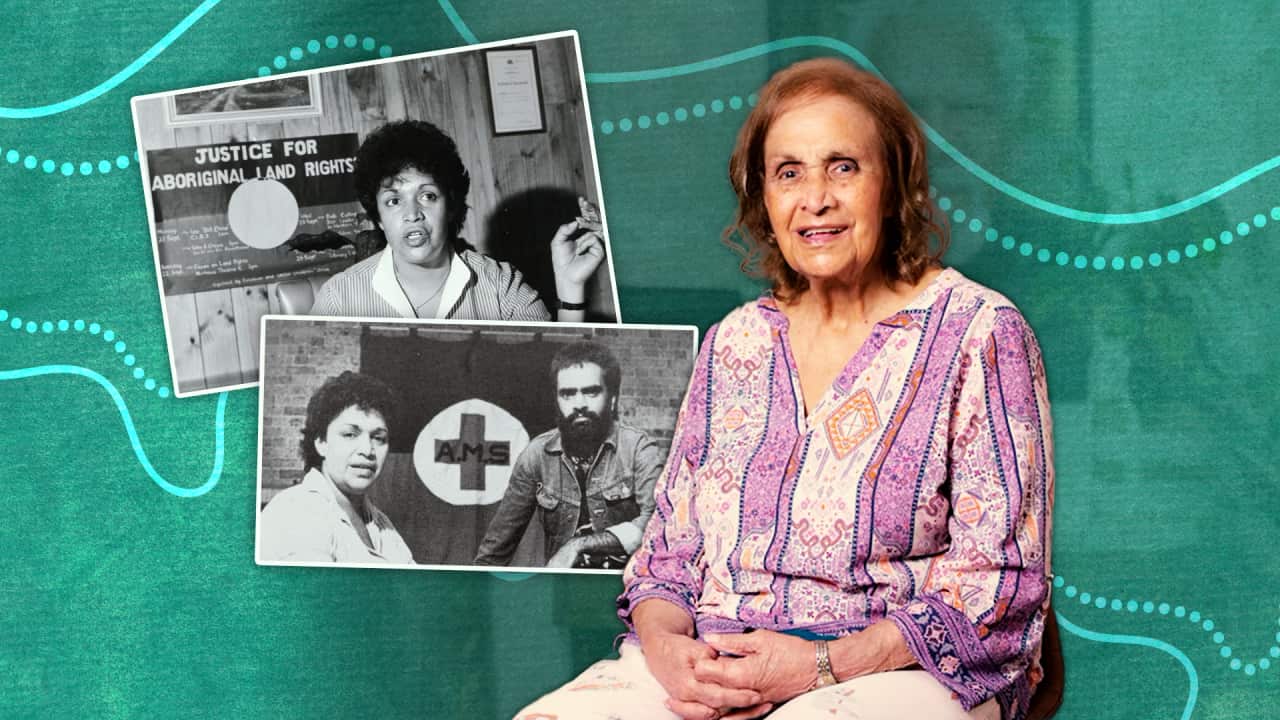
WARNING: This article contains the image and name of an Aboriginal person who has passed away. NITV has sought permission to use Aunty Naomi Mayer's name and image in line with her family's wishes.
Dr Naomi Mayers OAM, whose decades of advocacy will be felt for generations, has died.
Aunty Naomi is being remembered for her lifetime dedication to Aboriginal rights and commitment to empowering community well-being.
The prominent Elder and trailblazing health activist died on Good Friday, aged 84.
Working for community from the beginning
Aunty Naomi was born on Erambie Mission in 1941, near Cowra in the central west of New South Wales.
From the start of her career, she worked for the Aboriginal community with her first paid job being at the Aborigines Advancement League in Melbourne.
From 18, Aunty Naomi began her journey in health as a nurse, working in Victoria at the Royal Women’s Hospital and Royal Children’s Hospital in Melbourne, St Andrews Hospital in East Melbourne and in Queensland at Home Hill Hospital.
She was also a board member of the Royal Flying Doctor Service.
Outside of her work in healthcare, Aunty Naomi was also a founding member of The Sapphires - an all-Aboriginal music group from country Victoria.
Performing at a time when First Nations people and affairs were often ignored, they gained international recognition and inspired a stage-play which got adapted into the 2012 film ‘The Sapphires’.
By 30 years old, she had made her way to South Sydney and was one of the Founders of the Aboriginal Medical Service Redfern (AMS) in 1971 - the first community-controlled health provider of its kind.
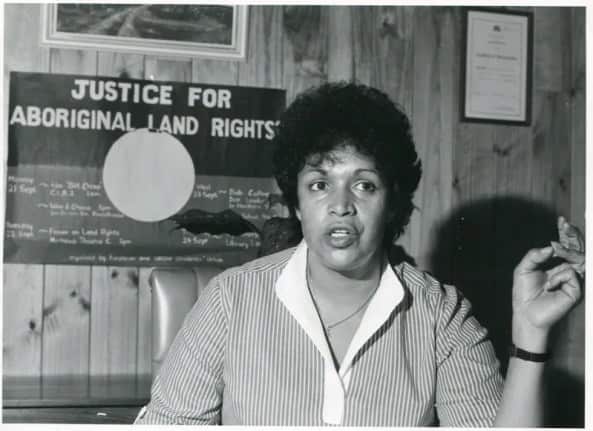
Aunty Naomi dedicated over four decades to the AMS, starting as an Administrator, and in 2012 became the CEO before her retirement in 2017.
She is widely credited with promoting the AMS framework, growing from a single shopfront to a national network of community-controlled services, championing culturally appropriate health-care and health services from Sydney to Perth.
In a statement from the AMS, they shared that “when communities needed help, they called Naomi”.
“[She] would organise an AMS Redfern team to provide whatever support and resources they could gather that would help the local community to establish their own local health service.”
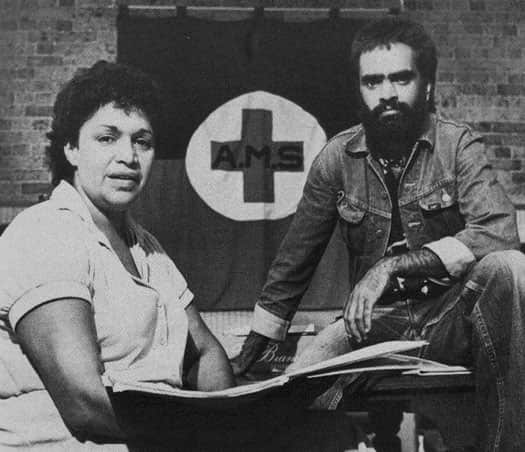
While Aunty Naomi steered some of the most fundamental health reforms, she also became a leader in Aboriginal Affairs outside of the health sector.
She was a founding board member of the Aboriginal Children’s Service, the Aboriginal Housing Company, the Aboriginal Legal Service, and was a regional ATSIC representative.
Aunty Naomi was also a founding member and the first national coordinator of the National Aboriginal and Islander Health Organisation (now NACCHO), the national body for Community Controlled Health Services and a member of the Aboriginal Health & Medical Research Council of NSW.
In 1988, she was appointed Chair of the National Aboriginal Health Strategy Working Party, which is considered a landmark document in Aboriginal Health policy in Australia.
She also brought her knowledge and experience to the global stage, when she was elected as the Australasian delegate to the International Committee on Indigenous Health.
Aunty Naomi’s impact and service to community was recognised in 1984 with a Medal of the Order of Australia and the NAIDOC Lifetime Achievement Award in 2023
In 2017, Aunty Naomi was awarded an honorary degree of Doctor of Letters (honoris causa) from the University of Sydney for delivering and transforming Aboriginal and Torres Strait Islander health care.
Tributes from community and beyond
Her impact has also been widely recognised through community tributes to Aunty Naomi, alongside fellow Redfern activist Aunty Ann Weldon - who passed on Sunday.
The NSW Aboriginal Lands Council posted on their social media their condolences to their families and the “communities whose lives were touched by these strong Blak Matriarchs”.
“Their lifelong contributions to the fight for basic human rights and justice for Aboriginal people paved the way for future generations”, they wrote.
“We stand on the shoulders of giants.”
David Harris, the NSW Minister for Aboriginal Affairs and Treaty, also released a statement recognised the “pioneering women [who] dedicated their lives to uplifting and empowering the Aboriginal community.”
Continuing in their statement, the AMS said that the ongoing impact of Aunty Naomi’s work isn’t just in the services she delivered and championed.
“One of her legacies will be self determination and community control which she never deviated from as she continued to support many Aboriginal communities across Australia.”
A gift for the next generation
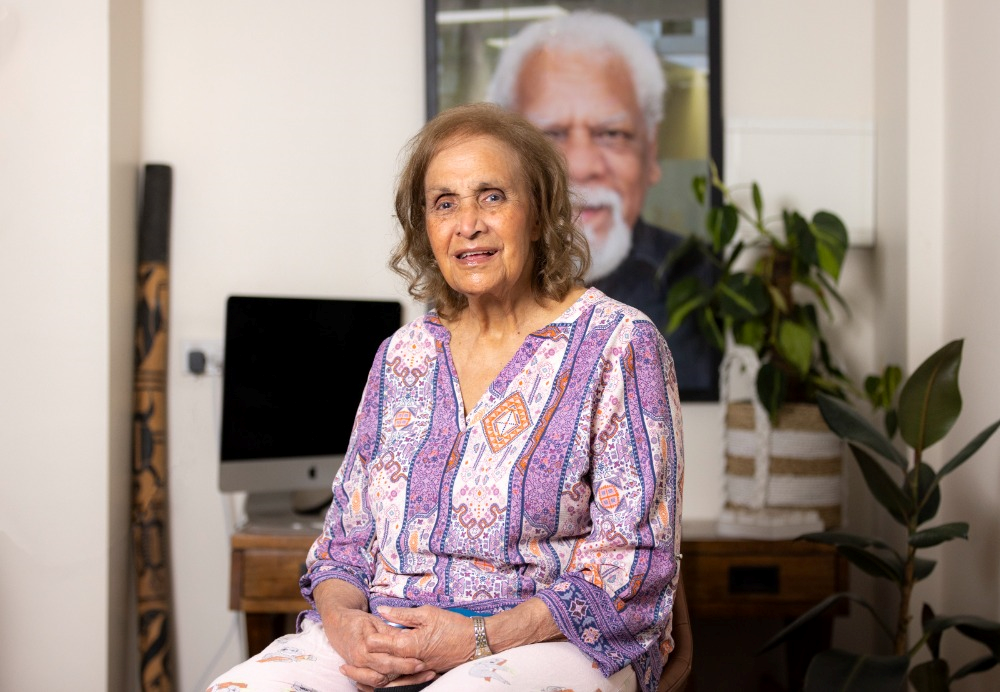
Aunty Naomi spoke to NITV, back in 2023 when she won the NAIDOC Lifetime Achievement award.
Her advice then for the next generation was to continue to advocate for self-determination.
“I have spent my entire life working toward the improvement and advancement of Aboriginal people whether it be in health or the inequality of social justice and I never expected an award!
“To control our present is to control our future.”