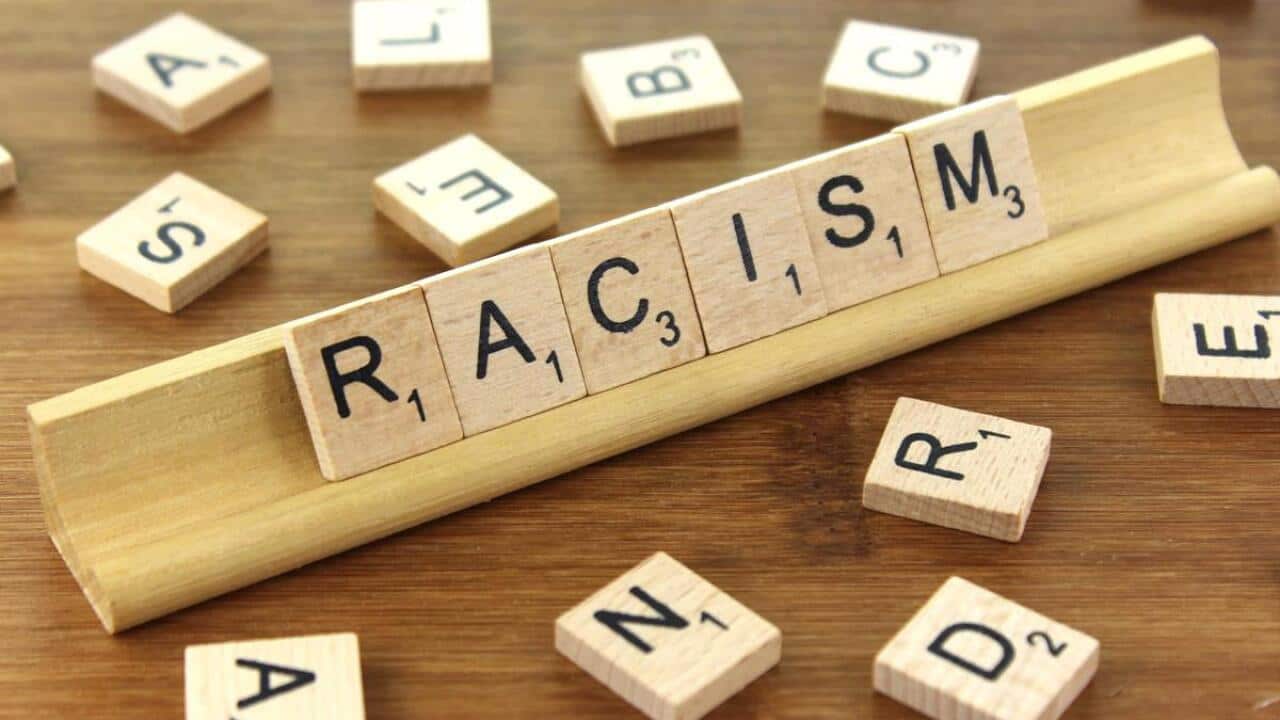
First Nations people and organisations have given painfully honest reflections on the state of racism in Australia by the hundreds, as the inquiry into racism, hate and violence directed at Aboriginal and Torres Strait Islander people continues.
More than 430 submissions to the inquiry have now been published online, detailing the widespread abuse experienced by Indigenous people across the country.
From online vilification and public harassment to everyday prejudice and structural discrimination, the evidence presented to the inquiry suggests that racism still remains deeply embedded in Australian life — and in many cases, is still treated as routine, accepted, or is ignored.
The inquiry's growing tally of submissions comes amid renewed debate over racism online, sparked in early June by a comedian's portrayal of a white woman ‘identifying’ as Indigenous Australian in a sketch widely criticised as offensive and dismissive of Aboriginal identity.
The video also shows the female comedian wearing face paint, dancing, performing a mock smoking ceremony, and sniffing a jerry-can.
In a poignant submission, Shelley Ware, an educator and media professional told of how she has experienced racism in its many forms: direct, subtle and systemic.
“It is often repeated, targeted and designed to harm identity and wellbeing," the Yankunytjatjara, Wirangu and Kookatha woman wrote.
"Throughout my life, I have had racist comments said directly to my face. Those moments are painful, and they stay with you.
“But racism today is often more complex. It sits in systems, in expectations, in silence, in humour, in denial, and in the everyday decisions that determine who belongs and who does not.”
Like hundreds of other submissions to the inquiry, Ware highlighted the alarming escalation in online racism and also the impact that was having on First Nations people - particularly children, young people and families.
“Online racism is constant. It is not occasional or isolated. It appears in comments, direct messages, emojis, memes and coordinated attacks every day, every hour, every minute and every second of the day,” she noted.
Ware called for the establishment of a co-ordinated national anti-racism accountability framework, greater accountability in sporting environments, national education to challenge identity-based racism, and the need to strengthen regulation of online racism and platform accountability.
“I make this submission because I believe Australia can do better.
“Racism is not only the act itself. It is the silence, denial and inaction that follow,” she concluded.
It its submission, the National Aboriginal and Torres Strait Islander Women’s Alliance (NATSIWA) highlighted that racism is not experienced as isolated incidents or individual acts of prejudice.
“It is cumulative, gendered and systemic,” they wrote.
“It shapes how women move through public spaces, access services, engage with institutions, participate in workplaces, protect their families and exercise leadership.”
As the national peak body representing Aboriginal and Torres Strait Islander women across Australia, NATSIWA slammed government responses to racism, violence and hate against Aboriginal and Torres Strait Islander peoples as being "fragmented, short-term, and fundamentally inadequate."
“Despite repeated commitments, there has been a continued failure to address the structural drivers of racism.
“Current approaches are largely reactive, focusing on awareness and individual behaviour, rather than institutional accountability, structural reform and sustained investment and recognition of Aboriginal and Torres Strait Islander-led solutions.”
Speaking on NITV’s The Point, Reconciliation Australia Co Chair Kirstie Parker said she was optimistic about the inquiry and its opportunity to address racism and hate.
“It’s absolutely vital that the outcomes of these processes of the actions are acted upon because there is so much as stake at the moment.”
Real, prevalent and increasingly organised
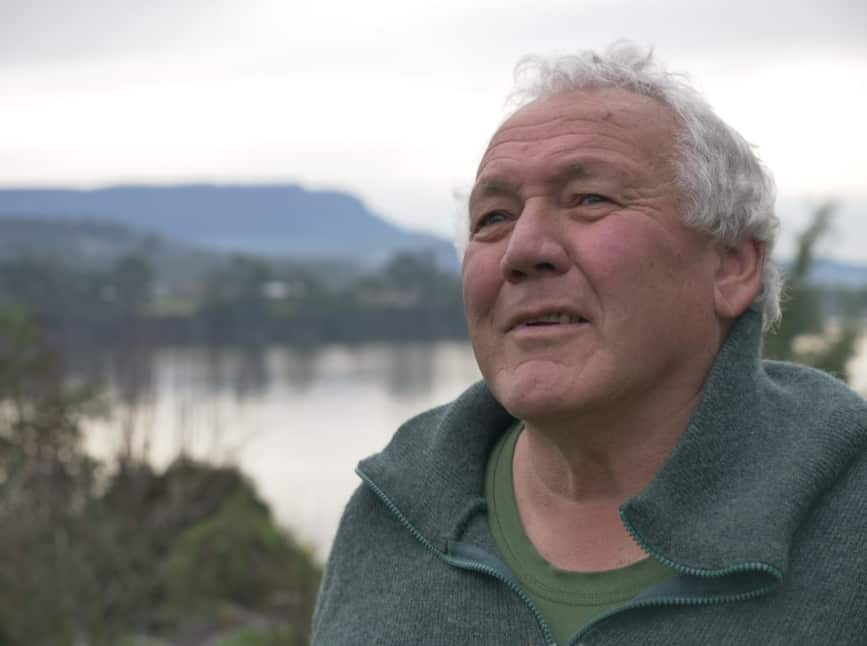
In another compelling submission, Amnesty International Australia called out how racism against Aboriginal and Torres Strait Islander people in Australia is ‘real, prevalent, harmful, and increasingly organised.’
“It is expressed openly online, amplified by platform design, and at its most extreme is now manifesting as terrorism — for the first time formally recognised as such by the Australian Federal Police in February 2026,” Amnesty’s Cultural Advisor, Uncle Rodney Dillon wrote.
“Racism against Aboriginal and Torres Strait Islander people is not new.
“What is new is how openly it is now expressed, how organised some of it has become and how readily it is moving from words into violence.”
Dillion, a palawa man from the north-east of Tasmania, highlighted that in the past twelve months a group of masked men allegedly attacked a sacred site in Naarm, a bomb was allegedly thrown into a peaceful crowd at an Invasion Day rally in Boorloo, and Welcome to Country addresses were booed at ANZAC Day Dawn Services.
“None of this is rhetorical, none of it is hypothetical.” he wrote.
In its submission, Amnesty International Australia called on the Senate Committee to supply Commonwealth leadership by implementing the National Anti-Racism Framework, legislation for national enforceable minimum standards for youth justice, and a national minimum age of criminal responsibility of 14 years.
The inquiry - chaired by Mutthi Mutthi and Wamba Wamba woman Senator Jana Stewart - is examining the prevalence, impacts and drivers of racism, hate and violence towards First Nations people, as well as existing responses and opportunities for reform.
Submissions already lodged with the inquiry come from wide range of Indigenous and non-Indigenous individuals, health organisations, land councils, peak bodies, government agencies and advocacy groups.
The deadline for public submissions was extended from 1 May to 1 June due to requests from the community to have more time.
Public Hearings have been earmarked for Canberra (late June) for Perth, Darwin, Alice Springs, Melbourne, Brisbane, Cairns and the Torres Strait (in July) and Hobart (August).
Evidence gathered during the hearings will inform the committee’s final report to Parliament in September.
Encore screening of The Point’s episode on Racism: The Ugly Side Of Australia tonight on NITV at 7.30pm or on SBS On Demand.

Delve into the latest Indigenous news and features from NITV's agenda-setting program, The Point. Read more about NITV

Have a story or comment? Contact Us