Described as ‘the most Brazilian of all cocktails’ by Brazilian bartender João Zarattini in his 1944 book, Coquetel em Suas Diversas Fórmulas (Cocktail in Its Many Forms), the batida represents a class of rustic, refreshing cocktails comprising spirit (traditionally cachaça), sugar and fresh citrus chunks, shaken and served on cracked ice.
While it’s assumed that cachaça, citrus fruits and sugar were being consumed together in Brazil for some time prior, it was in the first half of the 20th century that the Batida Paulista – roughly translating to ‘São Paulo Shake’ – firmly established its place in the cocktail kingdom. By the 1950s, the drink had evolved even further thanks to a growing demand for iced cocktails and the widespread influence of increasingly sophisticated American mixology. Now commonly known as the caipirinha, this rather unassuming cocktail began crossing continents with travelling journalists and enthusiasts. It wasn’t until the 1980s that the drink really made a name for itself in Europe, where the original cachaça recipe and popular variations dominated cocktail lists for a decade or more. Intriguingly, this cohort never saw quite the same success in the United States.
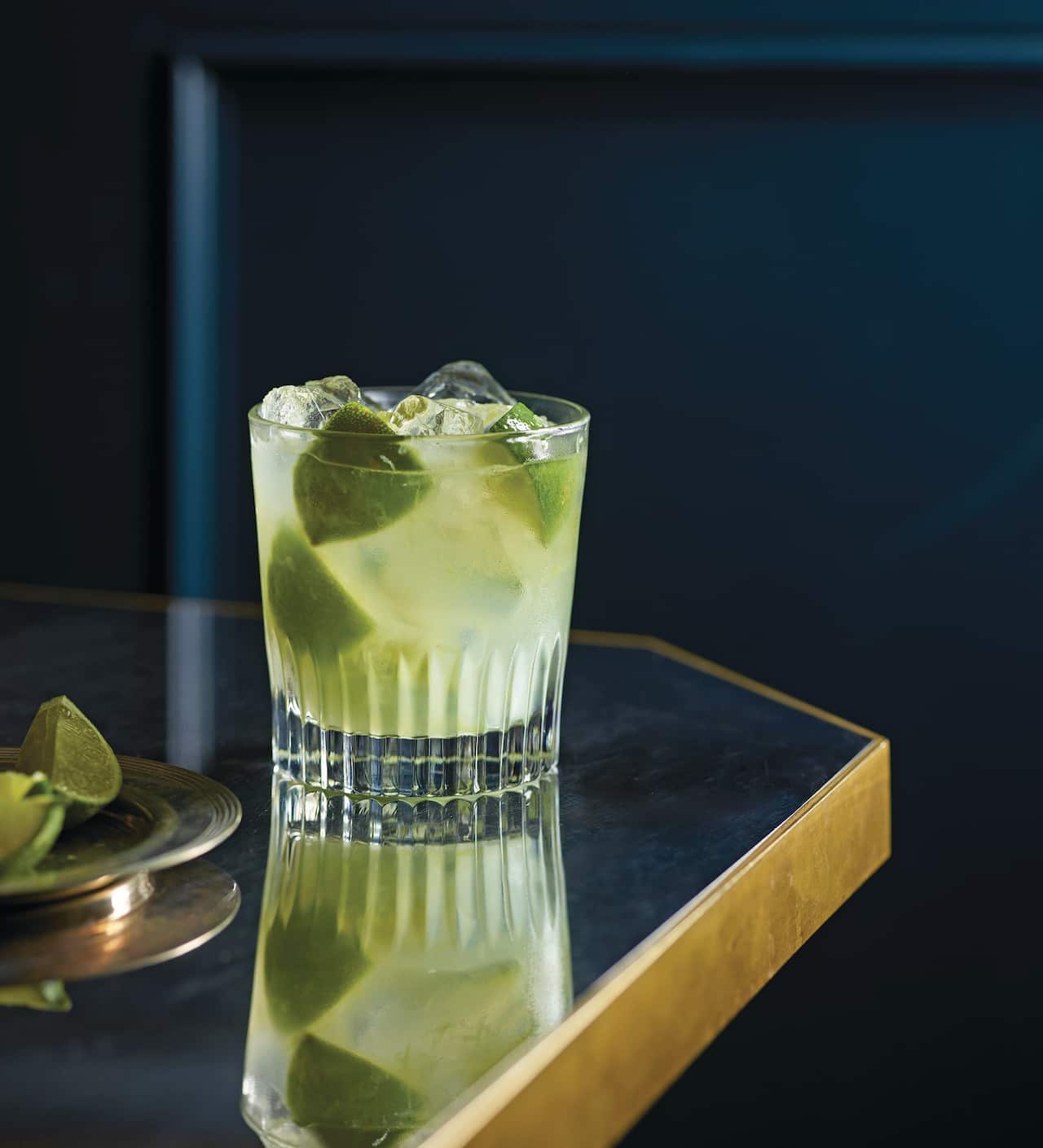
Shake up your own caipirinha with this recipe.
Caipirinha translates loosely to ‘little hillbilly’, a term to describe someone from the rural hinterlands, and the eponymous cocktail is considered the archetype of all Batidas – batida being Portuguese for ‘shake’ or ‘crash’. Bartenders have referred to Batidas as ‘country-style’ cocktails or ‘peasant drinks’ due to the industrious method of muddling then lightly shaking citrus chunks with spirits and sweeteners, and dumping them directly into the glass rather than straining. The result is a textured cocktail with a singular depth of flavour, far from refined but brimming with personality.
The Caipirinha introduced the world to cachaça, also known as ‘pinga’, a sugarcane-based spirit made in Brazil. It’s the base of most Brazilian cocktails, as it’s had such a high production volume in the country since the 16th century. Historically likened to New World rum, cachaça has a reputation as an accessible and affordable spirit, usually distilled at lower strength, with more impurities and therefore a more aromatic or funky character. That distinct flavour, combined with ripe, zesty citrus, is exactly what makes the Caipirinha so remarkable. Over the past 50 years, variations with light rum (the caipirissima) and vodka (the caipiroska) have become icons in their own right, while fruity riffs with berries, mango or guava have also proven to be hits. In contemporary culture, batida seems to be the most appropriate term to categorise shaken and blended cocktails of this kind, featuring cachaça or an alternative spirit, sugar and chunks of citrus and/or other fruits. The category also encompasses milkshake-like variations featuring coconut or condensed/evaporated milk.
These drinks have a more unpretentious, no-frills feel to them than most, and while the Brazilian originals tend to be fruit-forward, sweet or creamy, modern variations are often clean, crisp or even savoury.
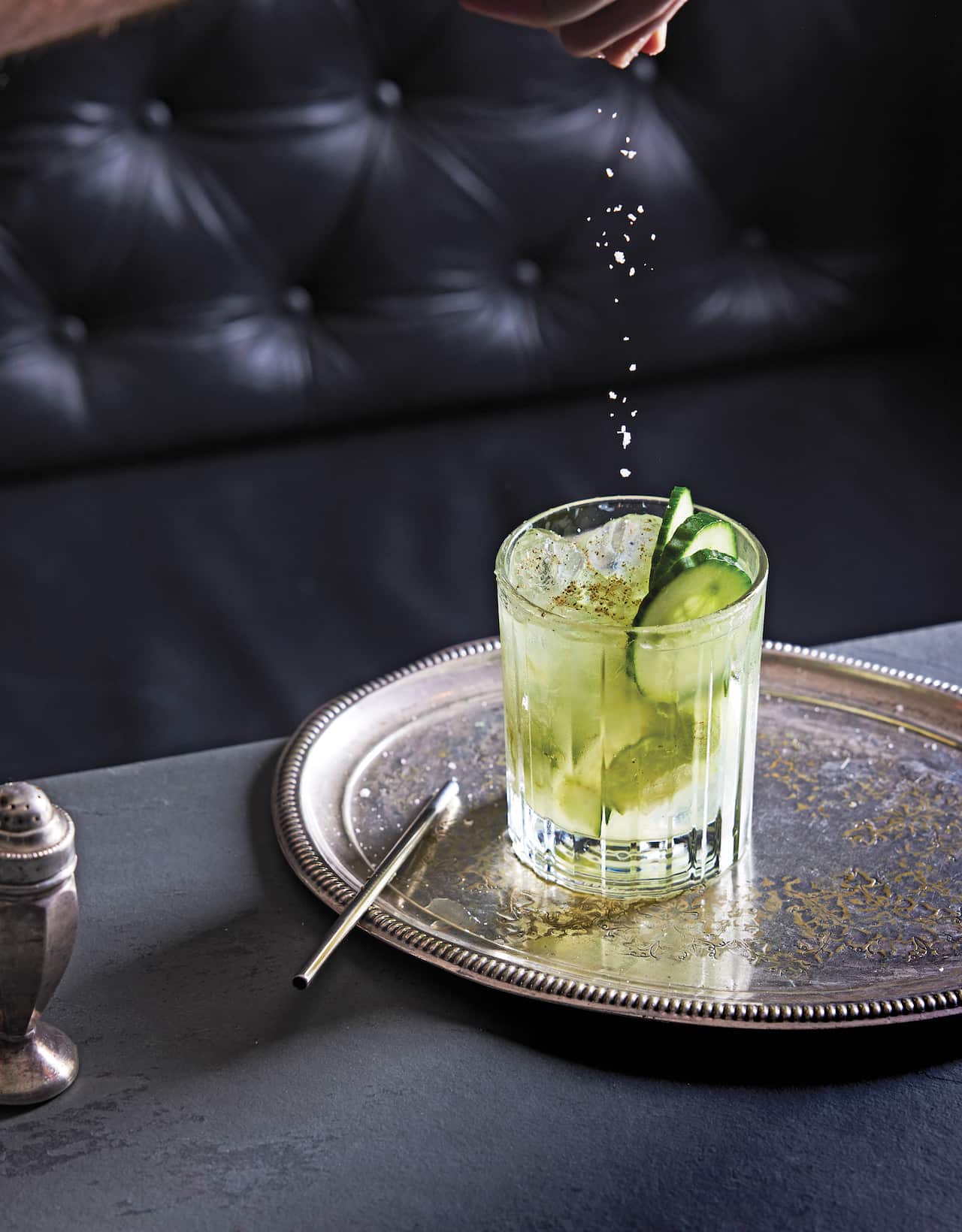
The Gordon’s Cup, for example, created by Sasha Petraske in the early 2000s, is a clean, refreshing and slightly savoury cocktail inspired by drinks like the caipirinha. Cucumber makes for a cool, slightly sweet and herbaceous addition, its crispness juxtaposed with the hearty texture of muddled lime and rounded out by the subtle spice of salt and pepper as a garnish.
Batida-style cocktails are usually served in cold glasses – keep some double rocks tumblers (which hold around 370-400ml or 13 ¼ -14 oz) or similar glasses in the freezer and you’ll be ready to try these refreshing muddled-and-shaken cocktails.
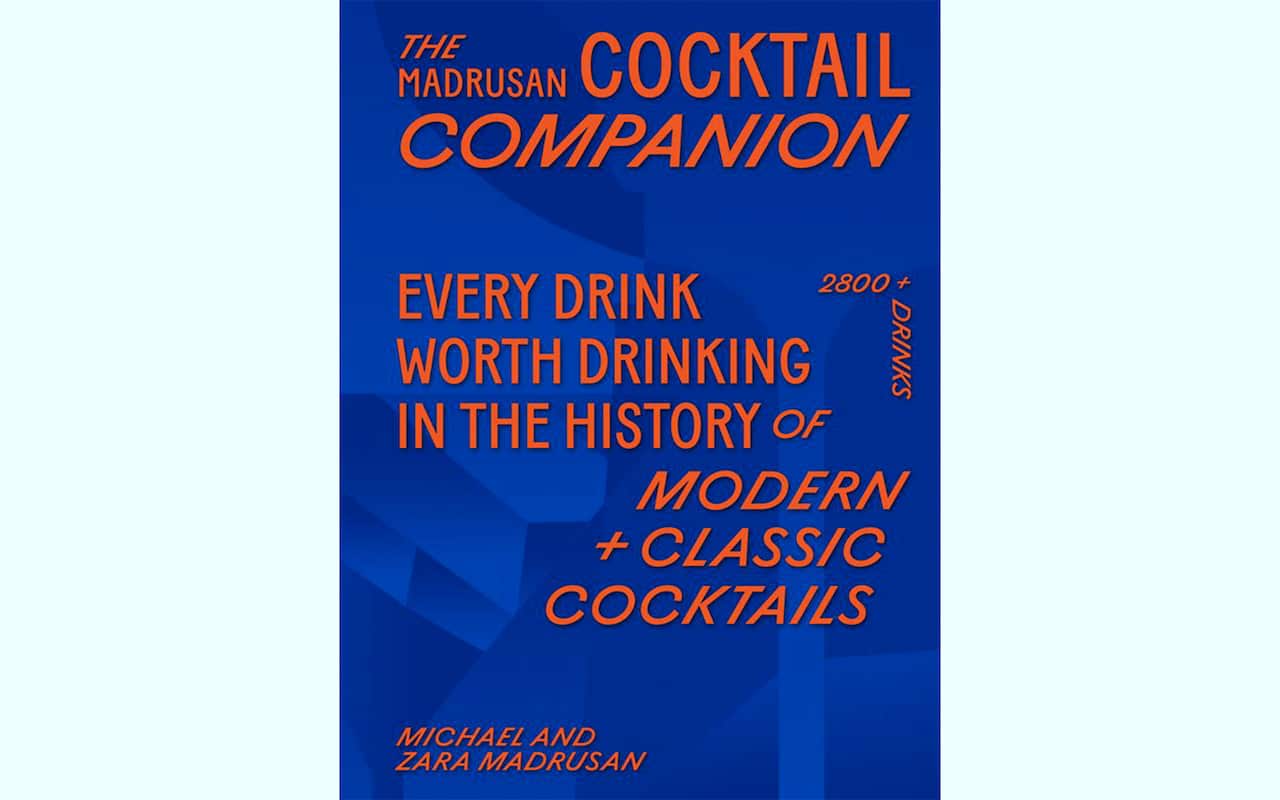
This is an edited extract from The Madrusan Cocktail Companion by Michael and Zara Madrusan, photography by Mark Roper. Murdoch Books RRP $69.99.

SBS Food is a 24/7 foodie channel for all Australians, with a focus on simple, authentic and everyday food inspiration from cultures everywhere. NSW stream only. Read more about SBS Food

Have a story or comment? Contact Us