
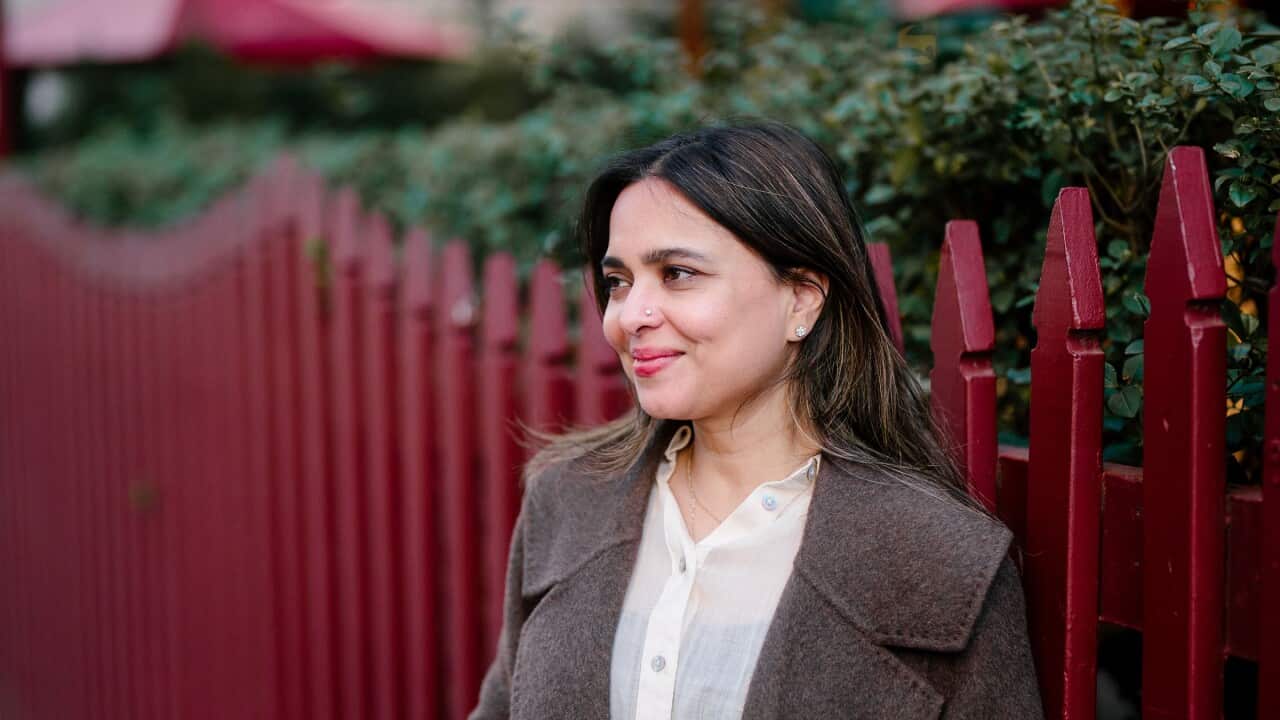
For Kishwar Chowdhury, food has always been more than what’s on the plate. For her, it’s a source of connection, a way to give back and keep her culture alive. From bringing Bangladeshi food to the world stage on MasterChef Australia, to using her platform to advocate for those who need it most, these practices are front of mind more than ever during the sacred month of Ramadan.
As an author, motivational speaker and someone who is constantly around food, Kishwar has found ways to fit her busy schedule around her daily fast. While work, school and other commitments carry on in the background, she emphasises the importance of quality time, gathering with her family before sunrise for suhoor, and again in the evening when they break their fast together.
"For iftar (the meal eaten after sunset), it's all about traditional foods we rarely see for the rest of the year. I usually cook a big batch of haleem, and we eat a lot of low-GI foods like piyaju (lentil and onion fritters) that give long-lasting energy. We also stock up on dates and fresh fruits."
These are traditions Kishwar carried over from her own childhood. She recalls craving more indulgent foods when she was younger, but now guides her children towards dishes that are a nod to their heritage, while having the added benefit of being healthier and more nourishing.
Despite being born and raised in Melbourne, Kishwar has strong connections to her father’s Bangladeshi, and her mother’s Indian roots. She credits her parents for their efforts in keeping their culture alive, with food playing a central role.
"You can lose language or certain customs when you're not practising them every day, but what my parents did with food was keep a strong, living connection to our culture. It made our lives here feel very relatable to the way Bengali people live back in Kolkata or Dhaka. When we visit, it doesn't feel foreign; it feels familiar."
For Kishwar, Ramadan goes well beyond the fast itself. It's a time of deep reflection, and one she's determined to pass on to the next generation with real meaning.
"One of the key concepts is sabr, which means patience. Ramadan really tests your patience and willpower. It's a time to think about how others across the world are living, especially those who go without food and water all year round, not just for one month. It's also a time of giving back, through zakat, giving a portion of your earnings to those who need it. For me, the essence of Ramadan, and what I want my children to carry on, is that it's not just about proving you can fast from sunrise to sunset. It's about introspection, empathy, and being a good human being."
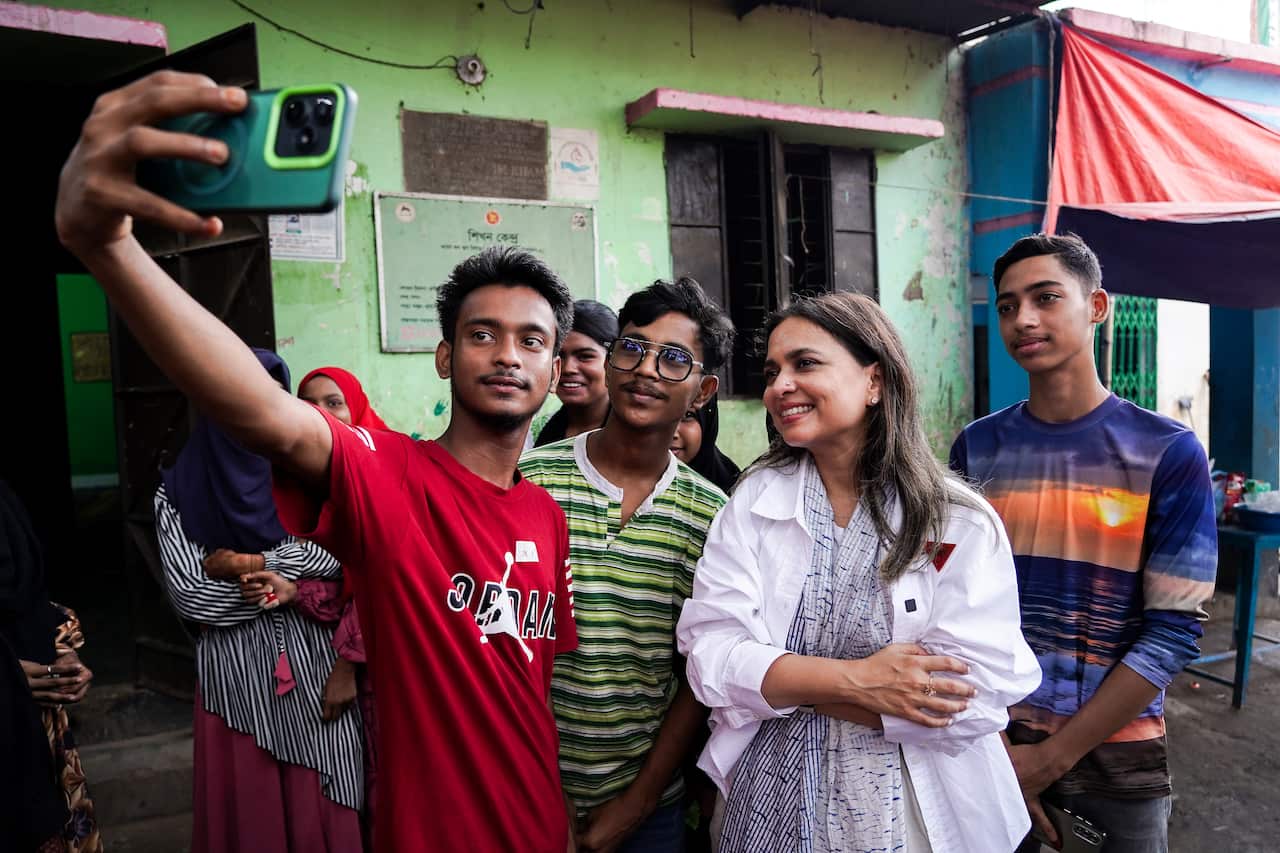
The spirit of Ramadan and giving back resonates with Kishwar, going beyond just the sacred month. She is proud to partner with World Vision Australia, a charity supporting vulnerable children in over 100 countries. While she has worked with similar organisations in the past, what drew her to the charity was their authentic approach. She spent time in the Korail slums in Dhaka, and as a Bangladeshi Australian with much to be grateful for, she feels a deep responsibility to give back on a larger scale. World Vision Australia works with communities for 8 to 15 years, building foundational systems strong enough to sustain themselves after the organisation steps back. Alongside one-time donations, she finds that sponsoring a child has the greatest impact as it goes beyond just school and daily meals, but builds a safety net around their families, providing them with opportunities for ongoing support.
“For me, sharing this is about inviting others, especially within the Bangladeshi and broader South-Asian diaspora, to join in giving back. We take so much pride in our food, our traditions, and what we've built abroad. It's equally important to invest in the futures of children back home” she reflects.
Post-MasterChef, amplifying Bangladeshi food and culture remains very much Kishwar's mission, but she is also passionate about encouraging people of all ages and backgrounds to learn how to cook, explaining that it builds muscle memory and confidence, but beyond that it helps build a strong identity. For those far from home, it's one of the most powerful ways to stay connected to where they come from.
"When the next generation wants to eat our food, cook our recipes, and share them with their friends, it keeps our culture alive. Through one plate, one recipe, we're carrying forward what our ancestors did. We're saying: this is who we are, and this is where we come from."

SBS Food is a 24/7 foodie channel for all Australians, with a focus on simple, authentic and everyday food inspiration from cultures everywhere. NSW stream only. Read more about SBS Food

Have a story or comment? Contact Us



