የአውስትራሊያ ነባር ዜጎችን የመሬት መብቶች መገንዘብ

WAVE HILL WALK OFF 50TH ANNIVERSARY

Several thousand marchers celebrate the 50th anniversary Wave Hill Walk-off in Kalkarindji on Friday August 19, 2016. On August 22 1966 Vincent Lingiari led several hundred Gurindji people off Wave Hill Station in a protest to gain fair wages, which morphed into the battle for land rights, which took nine years to eventuate. Credit: AAP Image/Neda Vanovac

ምናልባትም "የምንፈልገው ምንድን ነው? የመሬት መብቶች!" የሚል የተቃውሞ ሠልፍ መፈክር ሰምተው ይሆናል፤ ግና በእርግጥ ምን ማለት ነው? መሬት የአቦርጂናል እና ቶረስ መሽመጥ ደሴት የማንነት፣ ባሕልና ደህንነት ማዕከል ነው። "ሀገር" በሚል ዕሳቤ የሚታወቀው አባባል መሬት፣ የውኃ መስመሮች፣ ሰማይ እና ሕይወት ያላቸውን ሁሉ የሚያጠቃልል ነው። በእዚህ አውስትራሊያ ስትገለጥ ክፍለ ዝግጅት፤ የነባር ዜጎች የመሬት መብቶች ምንን እንደሚያካትቱ፣ የትኛውን መሬት እንደሚሸፍን፣ ማን የባለቤትነት ይገባኛልን ማንሳት እንደሚችል እና በነባር ዜጎች ማኅበረሰባት ላይ ስላለው ተፅዕኖ እንዳስሳለን።


አንኳር ነጥቦች
  • የመሬት መብት ለአቦርጂናል እና ቶረስ መሽመጥ ደሴት ማኅበረሰባት ለባሕላዊ፣ ማሕበራዊና ምጣኔ ሃብታዊ ትሩፋት የግል ንብረቶችን ሳይሆን የተወሰነ ዘውድ መሬት።
  • የመሬት መብቶች፣ የሀገር በቀል ይገባኛልነት እና የቃል ኪዳን ውል ሕጋዊና ፖለቲካዊ ሂደታቸው ለየቅል ነው፤ ሆኖም የሁሉም ትልም ነባር ዜጎች ከምድራቸው ጋር ያላቸን ቁርኝትና ራስን በራስ የማስተዳደር ዕውቅና ማስገኘት ማስቻል ነው።
  • ንቅናቄው የተጀመረው የ1966ቱን Wave Hill Walk-Off ከመሰሉቱ ኩነቶች ሲሆን፤ የአቦርጂናል የመሬት መብቶች (ሰሜናዊ ግዛት) ወደ መሰለ የ1975ቱ ድንጋጌ አምርቷል፤ ምንም እንኳ አሁንም ድረስ በሂደት ላይ ያለ ቢሆንም።

የአውስትራሊያ ነባር ዜጎች የመሬት መብቶች ምንድን ናቸው?

ለአያሌ ዓመታት፤ የአቦርጂናልና ቶረስ መሽመጥ ደሴት ሰዎች ከመሬታቸው ጋር ያላቸው ቁርኝት ዕውቅና አልተቸረውም። በባሕላዊ መሬቶቻቸው ላይ የበላይነት እንዲኖራቸው የመሬት መብቶች ሕግ ተቀርጿል።

ከቅኝ አገዛዝ በፊት፤ የአቦርጂናልና ቶረስ መሽመጥ ደሴት ሰዎች በአሥር ሺህ ለሚቆጠሩ ዓመታት መሬታቸውን ተከባክበዋል።

ይሁንና ቅኝ አገዝዛ "ባለቤት አልባ መሬት" በሚል ሐሰተኛ አስባብ ያለ አንዳች ስምምነት መሬታቸውን ነጥቋል።
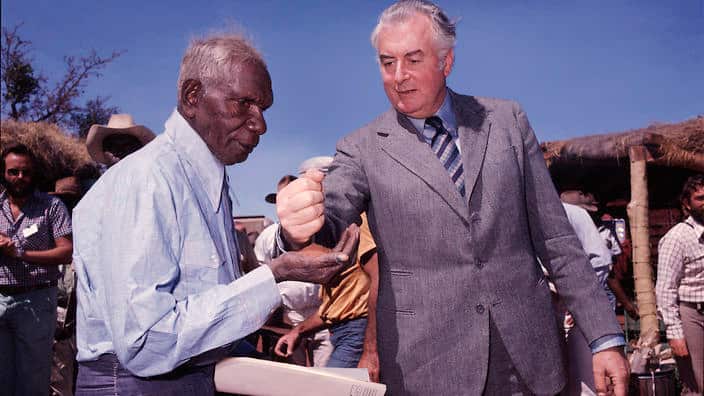
Gough Whitlam, Wave Hill Walk Off, Vincent Lingiari
Prime Minister Gough Whitlam symbolically returning land to the Gurindji people on 16 August 1975, an act famously represented by Whitlam pouring sand into Vincent Lingiari's hand. Source: AAP

የነባር ዜጎች የመሬት መብቶች ንቅናቄ አጀማመር እንደምን ነው?

የዘመናዊ የመሬት መብት ንቅናቄ የተጀመረው በጉሪንጂ ስቶክሜን እና የሰሜናዊ ግዛት ቤተሰቦች በ1966 Wave Hill Walk-Off ነው። ተቃውሞው ክብካቤ የጎደለው የሥራ ሁኔታዎችን አመላክቷል፤ ልማዳዊ የመሬት ባለቤትነት እንዲመለስ ጠይቋል።

በ1967 የተካሔደው ሕዝበ ውሳኔ የአውስትራሊያ መንግሥት የአቦርጂናልና ቶረስ መሽመጥ ደሴት ሰዎች ሕግ እንዲያወጣ ስልጣን ሰጥቷል። ይህም ለመጀመሪያ ጊዜ ለልማዳዊ የመሬት ባለቤትነት ጥያቄ ምላሽ ሰጪ ለሆነው የ1976ቱ የአቦርጂናልና ቶረስ መሽመጥ (ሰሜናዊ ግዛት) ድንጋጌ መንገድ ጠርጓል።

የተወሰኑ ክፍለ ሀገራት እና ግዛቶች የየራሳቸው የመሬት መብቶች ድንጋጌ አሏቸው፤ ሆኖም አውስትራሊያ አንድ ወጥ ብሔራዊ የመሬት መብቶች ሕግ የላትም።

የነባር ዜጎች የመሬት መብት የሚሸፍነው ምንድን ነው?

የመሬት መብት የሚመለከተው የግል ንብረትን ሳይሆን፤ የዘውድ መሬት በመባል የሚታወቀውን በመንግሥት ተይዞ ያለውን መሬት ነው። ተመላሽ መሬቱም ለሽያጭ ወይም ሞርጌጅነት አይውልም። ይልቁንም፤ የነባር ዜጎች ማኅበረሰባት የበላይ ጠባቂነት እንዲከባከቡትና ውሳኔዎችንም እንዲሰጡበት አስቻይ ነው።

የአቦርጂናልና ቶረስ መሽመጥ ደሴት ሰዎች ተመላሽ መሬቱን ለማስተዳደርና ውክልናንም ለመቸር የመሬት ምክር ቤቶች ተቋቁመዋል። ምክር ቤቶቹም ማኅበረሰባቸው መሬቱን ለባሕላዊ፣ ማኅበራዊ፣ የተፈጥሮ ጥበቃና ምጣኔ ሃብታዊ ዓላማዎች እንዲጠቀሙበት እገዛን ይቸራሉ።

በአቦርጂናል የመሬት መብቶች፣ ሀገር በቀል ባለቤትነትና የቃልኪዳን ውል መካከል ያሉ ልዩነቶች ምንድን ናቸው?

ምንም እንኳ ቃሎቹ ተዘውትረው አንድ ላይ ቢነሱም፤ ትርጓሜዎቻቸው ለየቅል ናቸው፤
  • የመሬት መብቶች፤ በመንግሥታት የተቀረፁ ሕጎች የተወሰኑ አካባቢዎች የዘውድ መሬትን ለአቦርጂናልና ቶረስ መሽመጥ ደሴት ሰዎች እንዲመለሱ የሚያስመልሱ ሲሆን፤ በአብዛኛው የሚተዳደሩትም በመሬት ምክር ቤቶች ነው።  
  • ሀገር በቀል ባለቤትነት፤ የተወሰኑ ነባር ዜጎች አሁንም ድረስ በባሕላዊና ልማዳዊ ሕጎች መሠረት ይዘዋቸው ያሉ የመሬትና ውኃዎቻችው ባለ መብትነት ሕጋዊ ዕውቅና አላቸው።
  • የቃል ኪዳን ውል፤ በነባር ዜጎችና መንግሥታት መካከል የተከወነ መደበኛ ስምምነት። እንደ ኒውዝላንድና ካናዳን የመሳሰሉ ሀገራት የቃል ኪዳን ውሎች ያሏቸው ሲሆን፤ አውስትራሊያ ግ ና እስካሁንም ድረስ አገር አቀፍ ውል የላትም።
እኒህ አሠራሮች በጋራ ፍትሕን፣ ዕውቅናንና ራስን በራስ ማስተዳደርን ለነባር ዜጎች ለማስፈን ያለሙ ናቸው።
wave hill sign.png
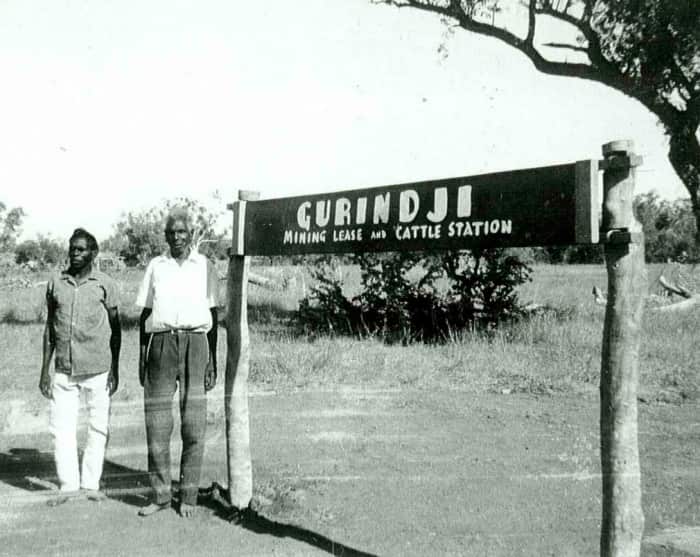
The Wave Hill walk-off, led by Vincent Lingiari, was a pivotal moment in Australian Aboriginal land rights history. In 1966, Gurindji stockmen, domestic workers, and their families walked off Wave Hill Station in protest against poor working conditions and a lack of land rights. Credit: National Museum Australia

የነባር ዜጎች የመሬት መብት በአሁኑ ወቅት ምን ፋይዳ አለው?

ተመላሽ መሬት ማኅበረሰባት ከቋንቋቸው፣ ባሕልና ቀዬአቸው ጋር ዳግም እንዲቆራኙ ያግዛል። እንዲሁም፤ በቤት፣ ጤና፣ ትምህርትና ምጣኔ ሃብት ራስን ለመቻል ይረዳል።

የዊራንጁሪ ንዬምባዋ ሴትና የውኃ መብቶች ተጠባቢዋ ዶ/ር ቨርጂኒያ ማርሻል፤ በተለያየ ገፅታ ሲያስረዱ፤

“ውኃው እኛን ያናግረናል ወይም ዛፎች እኛን ያናግሩናል፤ ይሁንና የምዕራባውያንን የተፈጥሮ ርዕዮተ ዓለም መውሰድ አያሻንም… ሕጋችንና የትርክት ቀረፃችን ለግንዛቤያችን አመላካች ይሆኑናል” ብለዋል።

የመሬት መብቶች የአንድን ግለሰብ ንብረት ወይም ጓሮ ነጣቂ አይደሉም። ትኩረታቸው ተመላሽ የዘውድ መሬት የተወሰኑ አካባቢያዎች ታሪካዊ ወይም ባሕላዊ ቁርኝት እንዳላቸው ዕውቅናን ስለ መላበሳቸው ነው።

የቀዬ አብነት፤ ዳርኪንጃንግ የመሬት ምክር ቤት

የዳርኪንጃንግ የአቦርጂናል መሬት ምክር ቤት የተመሠረተው በኒው ሳውዝ ዌይልስ የአቦርጂናል መሬት መብቶች ድንጋጌ መሠረትነት ሲሆን፤ የመሬት መብቶች ትግበራን በድርጊት ያሳየ ነው።

የጎሜሮዩ ሰውና ከምክር ቤቱ መሥራቾች አንዱ የሆኑት አጎት ባሪ ዳንከን በ1983 እንደምን እሳቸው ጓሮ እንደተጀመረ አውስተው ሲያነሱ፤

“ይህን ማኅበረሰብ አንድ ላይ አሰባስቧል። መሬትን ለሙዋዕለ ንዋይ አውሎ መልሶ ወደ አቦርጂኖች ባለቤትነት የማምጫ መንገድ ነበር” ብለዋል።

በዓመታት ውስጥ፤ ዳርኪንጃንግ ምጣኔ ሃብታዊ ዕድሎችን በመፍጠርና የማኅበረሰብ ውሳኔ አሳላፊነት እንዲጠነክር አስችሏል።

አጎት ባሪ “አሁን ሰዎች ተረድተዋል … በመሬት ይዞታ ረገድ ብልህና አስተዋዮች ነበርን” ሲሉ በምልሰታዊ ምልከታ አውስተዋል።
MA25133794-Vincent-Lingiari-1200w.jpg
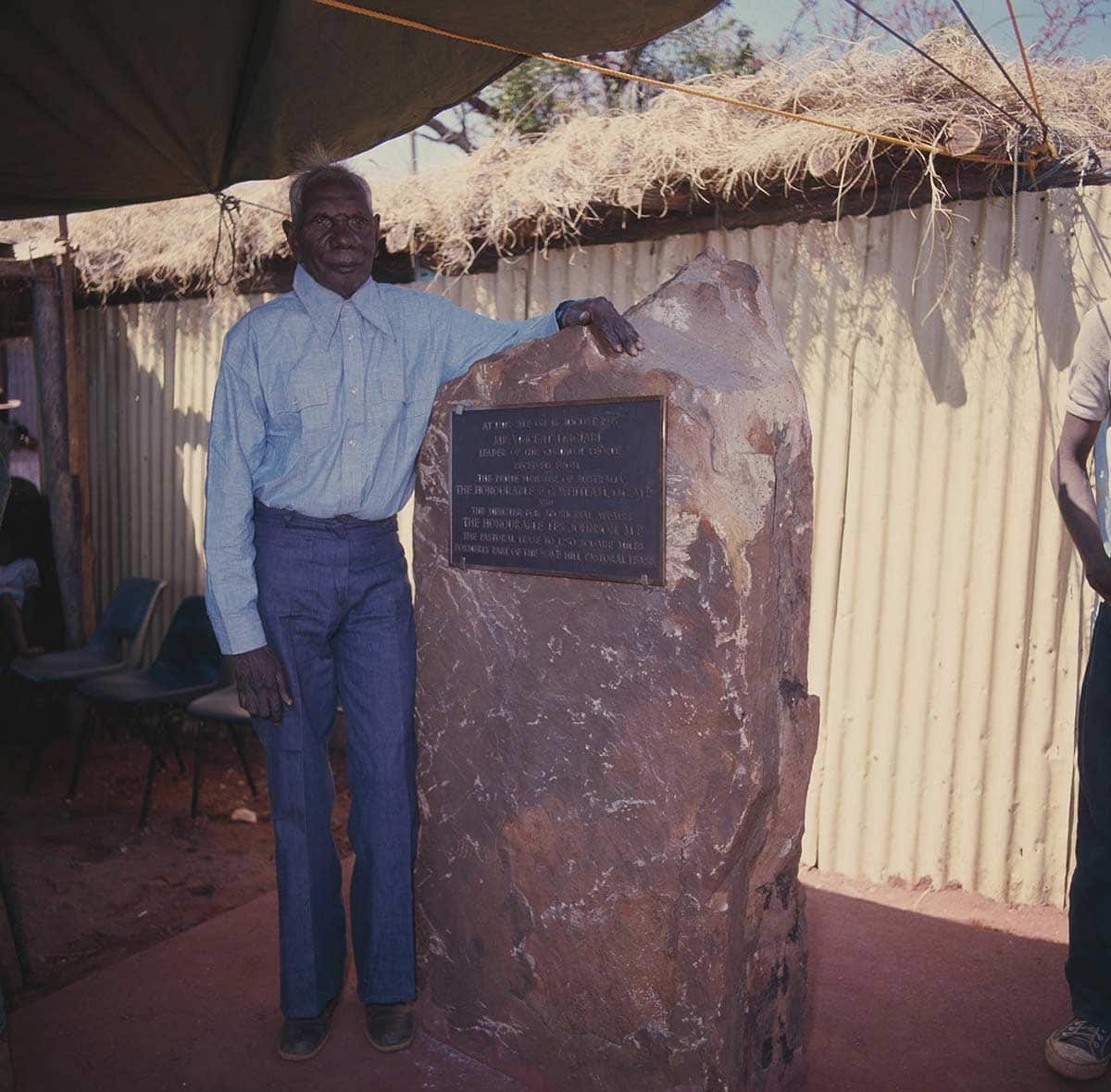
Vincent Lingiari beside a plaque marking the handing over of the lease in Wattie Creek, 1975. Credit: National Museum Australia

ከአቦርጂናል የመሬት መብት ፊት ተጋርጠው ያሉ ተግዳሮቶች ምንድን ናቸው?

የመሬት መብቶች ሂደት ውስብስብና ዘገምተኛ ሊሆኑ ይችላሉ። ያለው ተመላሽ መሆን የሚችል ቀሪ መሬት ውስን ነው፤ የተወሰኑ የይገባኛል ጥያቄዎች የሕግ ወይም ፖለቲካዊ ጋሬጣዎች ይገጥሟቸዋል።

እኒህ ተግዳሮቶች ገርረው ቢኖሩም የመሬት መብቶች የአውስትራሊያን የወደፊት ብሔራዊ ዕርቅ፣ ፍትሕና የነባር ዜጎች የሉዓላዊነት እውቅና ፈር ላይ አስፈላጊ አካል ሆነው ይቆያሉ።

የነባር ዜጎች የመሬት መብቶች ለመላ አውስትራሊያውያን ፋይዳቸው ምንድን ነው?

ለአውስትራሊያ አዲስ ለሆኑቱ ስለ መሬት መብቶች ማወቅ ከእዚህች ሀገር ጥልቅ ታሪክ ጋር የመዋደጃ አንዱ መንገድ ነው። መሬትን ማጣት ሳይሆን፤ የዓለማችን በመሬትና ሰዎች መካከል ላለ ዘመናትን ላሸመገለ ተዋድዶ ዕውቅናንና ክብካቤን መቸር ነው።

ተዋድዶው ከ60,000 ዓመታት በላይ ፀንቶ ቆይቷል፤ ዛሬም ድረስ አለ።
Subscribe to or follow the Australia Explained podcast for more valuable information and tips about settling into your new life in Australia.   

Do you have any questions or topic ideas? Send us an email to australiaexplained@sbs.com.au 

Presenter 1

SBS acknowledges the Traditional Custodians of Country and their connections and continuous care for the skies, lands and waterways across Australia.

Presenter 2

You're listening to Australia Explained, an SBS audio podcast helping you navigate life in Australia.

Nakayh Hutchings

Yama, I'm Nakayh Hutchings, a Wanneroo Rongai woman from central west New South Wales, and joining you today from Cammraygal country in Sydney. Welcome to this special episode of Australia Explained, where we explore indigenous land rights. You may hear the protest chants, what do we want, land rights. But what does it really mean? Land is at the heart of Aboriginal and Torres Strait Islander identity, culture, and well-being. Known as country, it includes land, waterways, skies, and all living things. In this episode of Australia Explained, we explore indigenous land rights, what they involve, which land is covered, who can make claims, and the impact on First Nations communities.

For many years, the connection Aboriginal and Torres Strait Islander peoples have to their land wasn't recognised. Land rights laws were created to give them legal control over their traditional lands. Before colonisation, Aboriginal and Torres Strait Islander peoples cared for the land for tens of thousands of years. But colonisation took that land without any agreement based on the false idea of terra nullius, meaning land belonging to no one. The land rights movement gained attention in 1966 with the Wave Hill walk off. Then in 1967, a national referendum allowed the government to make laws for First Nations people. In 1976, the Aboriginal Land Rights Northern Territory Act was passed, the first law to recognise traditional land claims. While some states have their own land rights, Australia doesn't have a national law yet. This also led to the establishment of land councils to represent Aboriginal and Torres Strait Islander peoples and help manage land that's being returned to them. Land rights only apply to government owned crown land, not private property, and it can't be sold or mortgaged. It's held in trust so First Nations people can care for their country and make decisions about it. In discussing First Nations decision making, Dr. Virginia Marshall, a Wiradjuri Nyemba woman and water rights expert, explains the deep significance of the connections that First Nations people have with the land and water.

Dr. Virginia Marshall

The water speaks to us, or the, or the trees speak to us, but we don't need to take on a Western environmental, um, ideology and dialogue that isn't. Based in our understanding and our law and our understanding of our creation stories.

Nakayh Hutchings

So, let's breakdown something that can be a bit confusing. Land rights, native title, and treaty. They're often talked about together, but they each mean different things. Land rights are laws made by the government that return certain areas of land to Aboriginal and Torres Strait Islander communities. These lands are usually managed through land councils which represent and support the communities. Then there's native title. That's a legal recognition that some First Nations people still have rights to their land and waters based off their traditional laws and customs, customs that have been maintained for thousands of years. And finally, treaty. A treaty is a formal agreement between governments and First Nations peoples. It's something countries like New Zealand and Canada already have, but here in Australia, we're still working toward one. There's no national treaty, at least not yet. Together, these approaches aim to deliver justice, recognition and real change. Restoring land allows communities to reconnect with language, culture, and country. And it also supports things like housing, health, and economic independence. Dr Marshall explains the significance.

Dr. Virginia Marshall

We need to be self-determining whether it's leading a committee, leading research, leading new ideas, forging new opportunities and partnerships in technology, um, you know, and also health.

Nakayh Hutchings

The real life impact of land rights has been profound. The The Darkinjung Local Aboriginal Land Council, founded under the New South Wales Aboriginal Land Rights Act, has become a powerful example of what land rights can achieve. Uncle Barry Duncan, a a Gomeroi man, was one of the original founders of Darkinjung, which was incorporated in his parents' backyard in 1983.

Uncle Barry Duncan

What it means for me is that brought this community together. It was a way of getting land invested back into Aboriginal ownership.

Nakayh Hutchings

over his lifetime, Uncle Barry has seen how land. Rights have enabled economic empowerment and self-determination for his community on the central coast of New South Wales. Uncle Barry explains.

Uncle Barry Duncan

I think that the future now, is that when the original land rights got handed down, there was a lot of talk from non-Aboriginal people about how we are going to take their backyards, and claim really stuff that was said about us that was a lot of detriment, but now people know, I think in this generation, that we were very wise and smart with the land holdings.

Nakayh Hutchings

It's important to understand that giving indigenous people land rights doesn't mean taking away people's homes or backyards. Land rights apply to specific areas of crown land, government owned land, not private property.

Nakayh Hutchings

It's about returning land to First Nations communities where there is a recognised connection, often through historical occupation or cultural significance. Despite progress, challenges remain. The process can be slow and complex, and only limited land is available. Land rights are closely tied to broader efforts for justice, reconciliation and recognition of First Nation sovereignty. For those new to Australia, understanding land rights is a powerful step toward connecting with the country's deeper story. It's not about losing land, it's about recognising and restoring a connection that has existed for over 60,000 years between First Nations people and the land. Thank you for listening to this episode of Australia Explained, written and hosted by me, Nakayh Hutchings, and Australia Explained managing editor, Rosa Germian.

Presenter 2

This was an SBS audio podcast. For more Australia explained stories, visit sbs.com.au/australiaexplained.

Maram Ismail

Subscribe or follow the Australia Explained podcast for more valuable information and tips about settling into your new life in Australia. Do you have any questions or topic ideas, send us an email to australiaexplained@sbs.com.au.

END OF TRANSCRIPT

Share
Follow SBS Amharic

Download our apps
SBS Audio
SBS On Demand

Listen to our podcasts
Independent news and stories connecting you to life in Australia and Amharic-speaking Australians.
Ease into the English language and Australian culture. We make learning English convenient, fun and practical.
Get the latest with our exclusive in-language podcasts on your favourite podcast apps.

Watch on SBS
SBS World News

SBS World News

Take a global view with Australia's most comprehensive world news service