
በአውስትራሊያ ለሴቶች ነጻ የህግ አገልግሎት ተቋማት አማራጮች እንዳሉ ይረዱ

Australia Explained - Womens Legal

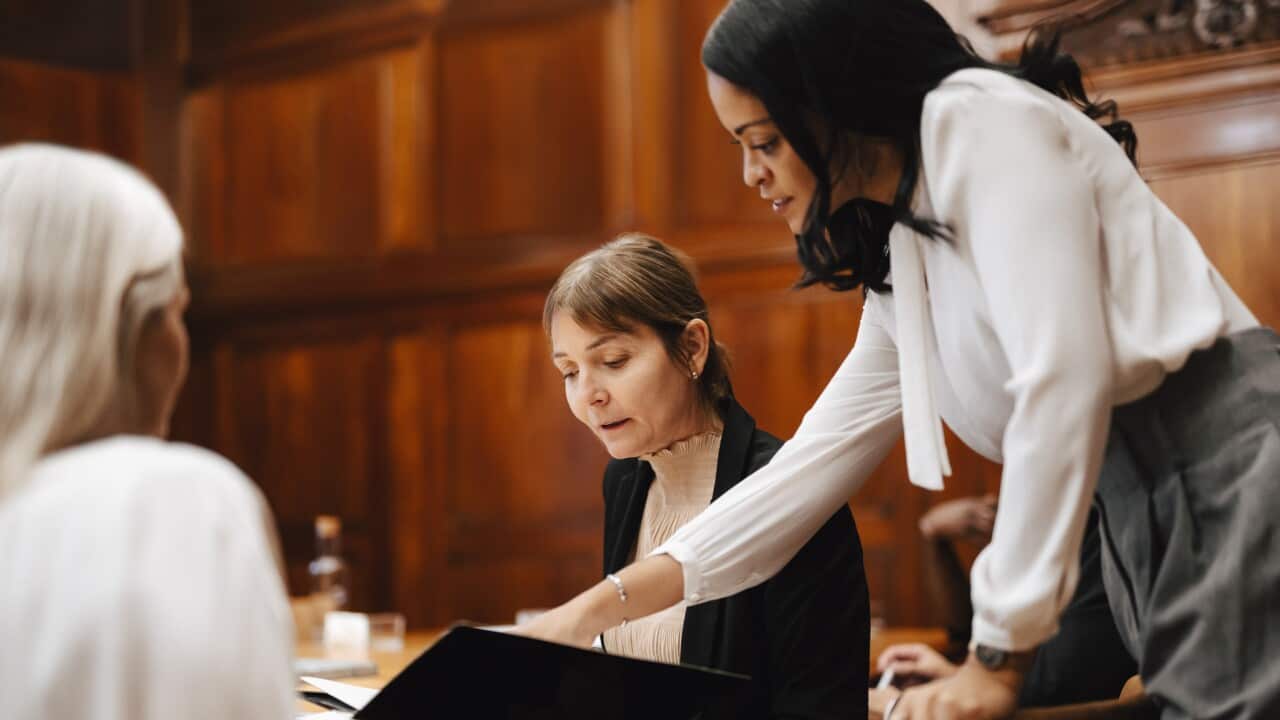
Women’s legal services ensure that women can access support when they need it most. Credit: Maskot/Getty Images/Maskot

ሴቶች የተለየ የህግ ባለሙያዎች እንዲያስፈልጋቸው ከሚያደርጉት ምክንያቶች መካከል ፤ በስራ ቦታ የሚፈጸም መድልዎ ፤ ጾታን መሰረት ያደረገ ጥቃት ፤ በገቢ ላይ የሚደረግ ማበላለጥ የሚሉት ጥቂቶቹ ናቸው ፡፡ በአውስትራሊያ የህግ ተቋማትን ብቻዎትን ማፈላልገ አይጠበቅብዎትም ፡፡ በችግር ላይ ያሉ ሴቶች ደህንነታቸ በተጠበቀ ሁኔታ ፤ ምስጢራቸው እና ባህላቸውን ባገናዘበ መልኩ ነጻ የህግ አገልግሎት አለ፡፡


Key Points
  • Women face different legal challenges to men including workplace discrimination, family violence and financial inequality.
  • Women’s legal services prioritise safety and confidentiality.
  • Free services are available to eligible women nationwide.
  • Specialised services can assist women from migrant and refugee backgrounds and First Nations women.

It’s difficult for most people to navigate Australia’s legal system. For women, the challenges are amplified. Not only are women more likely to require legal support, but they face additional barriers to accessing it.  

To address these challenges, specialised women’s legal services ensure that women can access support when they need it most. 

Do women need specific legal support?

Adrianne Walters, Executive Director of Women’s Legal Services Australia, says women face different legal problems to men.

“And that's because of the violence and discrimination we're more likely to experience in our lives. So women experience domestic, family and sexual violence at higher rates. We're more likely to be primary carers of children. We earn less, and we're more likely to have less assets.”

If you have a legal problem and can't afford a lawyer, the Women’s Legal Service in your state or territory provides trauma-informed, gender-focused services.

They’ll also direct you to other services if they can’t assist. 

Australia Explained - Womens Legal
Women do face different legal problems to men. Credit: filadendron/Getty Images

Who can help with family violence?

The Women’s Legal Service offers appointments and can arrange for a lawyer to attend court with you for matters such as family violence orders and family law disputes. Women in remote areas can access online assistance.  

The Service is free and ensures safe and confidential support for a range of issues.

“Generally we specialise in family law problems, family violence, responding to sexual violence and child protection,” Ms Walters explains. “But a lot of our services also have specialist immigration programs.”

We're helping women on temporary visas who are trying to escape violence, to navigate really complex immigration, family law, family violence systems.
Adrianne Walters

Many support workers can also offer specialist First Nations services and assistance for employment issues.

Who can help with workplace rights?

Navigating employment rights can feel like a legal minefield when something goes wrong at work, but there are dedicated services designed to support women in the workplace.  

Working Women's Centres operate across Australia, offering free and confidential legal advice. If you’re experiencing workplace sexual harassment, discrimination or unfair dismissal, your local WWC is there to help you understand your rights and options. 
Australia Explained - Womens Legal
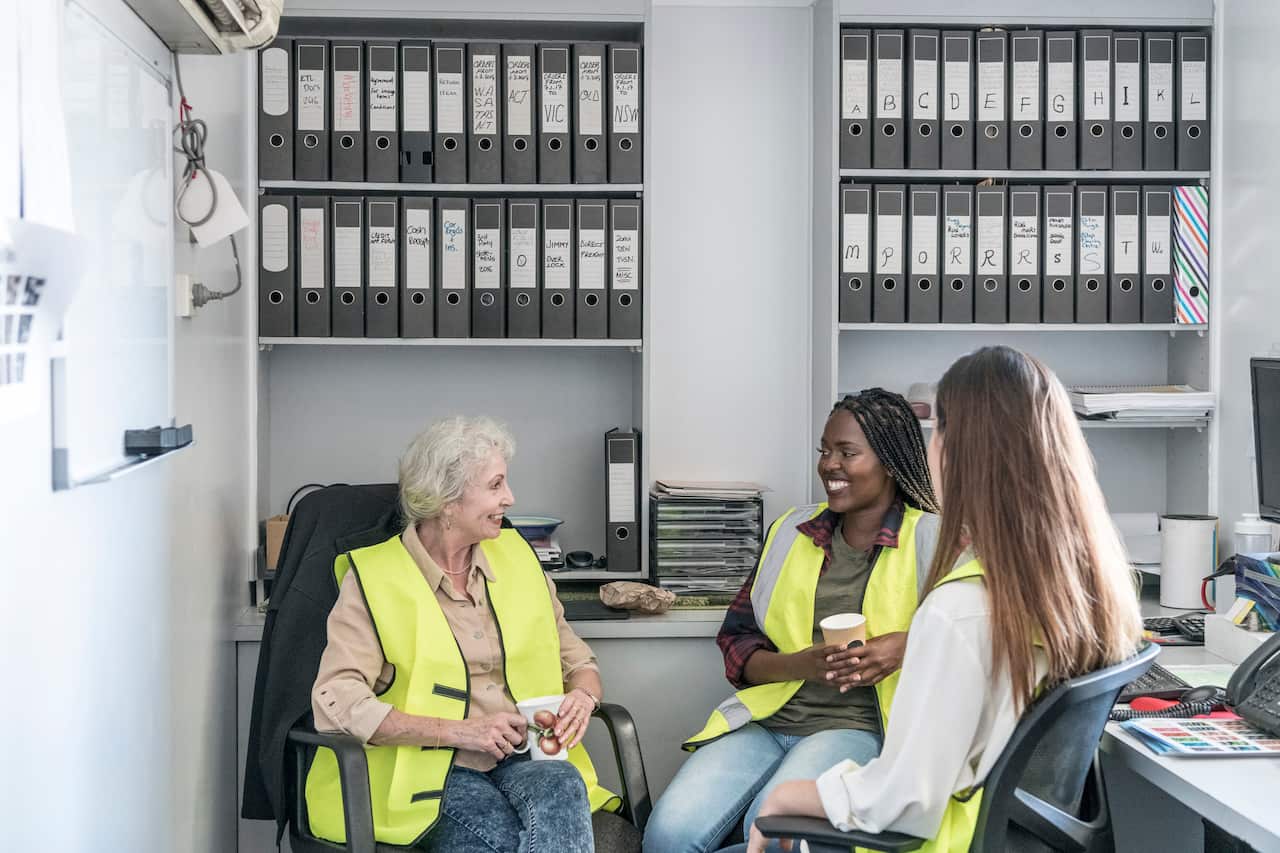
Working Women's Centres operate across Australia, offering free and confidential legal advice. Credit: JohnnyGreig/Getty Images

Aira Firdaus, Advocacy and Policy Officer with Working Women's Centre Australia, says gendered responses are essential as women have unique workplace experiences.

“The purpose of Working Women’s Centres is to act as a safety net for non-unionised women and non-binary workers who might not have had the opportunity to join their union and receive legal advice.”

Employment issues can become more complicated when you’re a migrant, a refugee or a First Nations worker, she says.

“Many of the women that come through the centres come from very low-paid, precarious industries and non-unionised workplaces. The issues that women talk to us about are very complex in that they are not standalone issues.”

The same woman who comes to our centre who experiences sexual harassment, may have also been dismissed or sacked for speaking up about the issue, or they may have also experienced wage theft.
Aira Firdaus

Your local WWC can also link you to other supports such as housing and social services.  

Are there dedicated legal services for migrant and refugee women?

Women from migrant and refugee backgrounds often face extra hurdles when trying to access help with migration insecurity, financial pressure or family violence. 

Ms Walters says there are Women's Legal Service centres across Australia that can navigate the migration system.

“They really focus on working with women on temporary visas who are experiencing violence and need help to navigate the visa system alongside family law and other legal matters, so that they can leave a violent relationship safely.”

The inTouch Women’s Legal Centre is funded by the Commonwealth and Victorian governments. It’s a community legal service that specifically supports migrant and refugee women living in Victoria. 

“A significant barrier for migrant and refugee women is the lack of understanding of the Australian legal system and how our government agencies and systems work,” Principal Lawyer Ajsela Siskovic says.

“And this is not surprising given that a third of our clients have been in the country for less than five years.”

Add to this the language barrier, and finding legal representation becomes even harder, resulting in poor outcomes for women and their children. 

Australia Explained - Womens Legal
Migrant and refugee women face additional barriers when seeking legal representation . Source: Moment RF / Kawee Srital-on/Getty Images

inTouch Women’s Legal Centre provides free in-language, culturally appropriate legal advice and representation where family violence, family law and migration intersect, Ms Siskovic says. 

“We're one of the first multidisciplinary practices in Australia to provide this type of inclusive service within a family violence response.”

If you live in Victoria, contact inTouch to see if you’re eligible for assistance.

Can I receive language support?

Ms Walters says lawyers at Women’s Legal Services are also equipped to support women who face language barriers.

“You can request an interpreter to help with your appointment or to help you at court. And if you're legally aided or don't have the income for an interpreter, there are often ways that you can access that service for free.”

Contacts to get you started

Women's Legal Services (state or territory)

Working Women's Centre Australia (state or territory) or phone the listed 1800 number

inTouch Women’s Legal Centre (Victoria only) or phone 1800 755 988 

Regional and remote areas

Support is available in person, online or by phone through Community Legal Centres or the Legal Aid commissions listed below: 

Legal Aid ACT

Legal Aid NSW

Legal Aid NT

Legal Aid Queensland

Legal Services Commission SA

Tasmania Legal Aid

Victoria Legal Aid

Legal Aid WA

Subscribe to or follow the Australia Explained podcast for more valuable information and tips about settling into your new life in Australia.

Do you have any questions or topic ideas? Email australiaexplained@sbs.com.au

spk_0

SBS acknowledges the Traditional Custodians of Country and their connections and continuous care for the skies, lands and waterways across Australia.

spk_1

You're listening to Australia Explained, an SBS audio podcast helping you navigate life in Australia.

spk_2

Workplace discrimination, gender-based violence, and financial inequality. These are just some of the reasons why women require dedicated legal services.

spk_3

Women have a unique experience in workplaces and require a specific gendered response to their workplace issues.

spk_4

A significant barrier for migrant and refugee women is a lack of understanding of the Australian legal system and how our government agencies and systems work.

spk_2

But you don't have to navigate the legal system alone. Welcome to Australia Explained.

spk_2

I'm your host, Melissa Compagnoni, and in this episode, we'll be looking at free legal services that support and advocate for vulnerable women in ways that are safe, confidential and culturally appropriate.

spk_2

Australia's legal system can be complex and difficult to navigate. For women, the challenges are amplified. Not only are they more likely to require legal support, but they face additional barriers to accessing it. To address these challenges, specialised women's legal services ensure that women can access support when they need it most.

spk_2

Adrianne Walters is executive director of Women's Legal Services Australia. They're the national network of women's legal services working towards justice, safety and equality for all women.

spk_5

Women face different legal problems to men, and that's because of the violence and discrimination we're more likely to experience in our lives.

spk_5

So women experience domestic family and sexual violence at higher rates. We're more likely to be primary carers of children. We earn less and we're more likely to have less assets. And so these create unique legal problems and the need for trauma informed gender-focused services, and that's what women's legal services provide.

spk_2

If you have a legal problem and can't afford a lawyer, there's a women's legal service in your state or territory. They'll also direct you to other services if they can't assist.

spk_2

They offer appointments and can arrange for a lawyer to attend court with you for family violence orders and family law matters. For women in remote areas, there's online assistance.

spk_2

The Women's Legal Service is free and ensures safe and private support for a range of issues, Ms Walters explains.

spk_5

Generally we specialise in family law problems, family violence, responding to sexual violence, and child protection, but a lot of our services also have specialist immigration programs and so helping

spk_5

women on temporary visas who are trying to escape violence to navigate really complex immigration, family law, family violence systems. We also have specialist First Nations services and First Nation support workers, and some of our members also provide specialist services for employment matters as well.

spk_2

Contacting a legal service is confidential. Getting advice does not mean that you have to go to court or report to the police.

spk_2

Navigating employment rights can feel like a legal minefield when something goes wrong at work, but there are dedicated services designed to support women in the workplace. Working women's centres operate across Australia, offering free and confidential legal advice.

spk_2

If you're experiencing workplace sexual harassment, discrimination, or unfair dismissal, your local centre is there to help you understand your rights and options. Aira Firdaus is advocacy and policy officer with the Working Women's Centre Australia, the national body for working women's centres.

spk_3

Women have a unique experience in workplaces and require a specific gendered response to their workplace issues. So the purpose of Working Women's centres is to act as a safety net for non-unionised women and non-binary workers who might have not had the opportunity to join their union and receive legal advice.

spk_2

Employment issues can become more complicated when you're a migrant, a refugee, or a First Nations worker who all generally experience worse working conditions.

spk_3

Many of the women that come through the centres come from very low paid, precarious industries and non-unionised workplaces.

spk_3

The issues that women talk to us about are very complex in that they are not standalone issues. So for example, the same woman who come through our centre who experience sexual harassment may have also been dismissed or sacked for speaking up about the issue, or they may have also experienced wage theft.

spk_2

Workplace issues faced by migrant and refugee women are often linked to their visa conditions which can affect housing and healthcare.

spk_2

Ms Firdaus says once you've made contact with your local Working Women's Centre, they can link you to housing and social services.

spk_3

You can visit the Working Women's Centre Australia website wwc.org.au. On that page, there is a link to Working Women's Centres in each state and territory, and so you will find the contact numbers, the emails, the address for your local Working Women's centre. There is also a 1-800 number, so you don't need credit to call.

spk_2

Women from migrant and refugee backgrounds often face extra hurdles when trying to access help with migration insecurity, financial pressure, or family violence. Ms Walters says there are women's legal service centres across Australia that specialise in navigating the migration system.

spk_5

They really focus on working with women on temporary visas who are experiencing violence and need help to navigate the visa system alongside family law and other legal matters so that they can lead a violent relationship safely, and we know there's a lot of barriers and a lot of fear for women on temporary visas in terms of reaching out for help because often a person using violence uses their temporary visa status as a threat against them.

spk_2

Funded by the Commonwealth and Victorian governments, Intouch Women's Legal centre is a community legal service that specifically supports migrant and refugee women living in Victoria. Ajsela Siskovic is principal lawyer.

spk_4

A significant barrier for migrant and refugee women is a lack of understanding of the Australian legal system

spk_4

and how our government agencies and systems work. For example, our clients don't understand how Victoria Police here in Victoria and Child Protection and the courts intersect, and this is not surprising given that a third of our clients have been in the country for less than 5 years.

spk_2

Language barriers can make accessing legal representation even more difficult.

spk_2

This means many women don't get access to justice, Ms Siskovic says.

spk_4

They miss out on legal representation, and then many of our clients try to self-represent, which impacts negatively on court time and also results in poorer outcomes for themselves and their children. And then along with the language barriers

spk_4

is the use of interpreters. Where they are available, the additional time required to explain legal proceedings and prepare court documents adds another barrier.

spk_2

InTouch Women's Legal Centre provides free in-language, culturally appropriate legal advice and representation where family violence, family law, and migration intersect, Ms Siskovic says.

spk_4

We practice what's called an integrative practice model. We provide legal advice and assistance to clients along with in touch case managers, and we're one of the first multidisciplinary practises in Australia to provide this type of inclusive service within a family violence response.

spk_2

To find out if you're eligible for support, call 1-800-755-988 or visit Intouch.org.au. Clients must be living in Victoria to access this service.

spk_2

Ms Walters says women's legal services are also equipped to support women who face language barriers.

spk_5

So many of the lawyers at Women's Legal Services are used to working with people through interpreters, so you can request an interpreter to help with your appointment or to help you at court. And if you're legally aided or don't have the income for an interpreter, there are often ways that you can access that service for free. So it's really important to let the service know that you need an interpreter.

spk_2

You can also request accessibility support if you're living with a disability.

spk_2

Women in regional and remote areas can access support in person, online or by phone, through legal aid commissions and community legal centres that are listed online. If you need legal advice or representation, contact a free women's legal service near you to find out whether you're eligible for confidential, safe, and culturally appropriate support. Remember, free confidential legal help is available across Australia.

spk_2

Reaching out early can help you understand your rights and your options.

spk_2

If you're in immediate danger, call 000. You can also contact 1-800-RESPECT on 1800 737 732 for confidential support.

spk_2

Thanks for listening to this episode of Australia Explained, written and produced by me, Melissa Compagnoni. Australia Explained managing editor is Roza Germian.

spk_1

This was an SBS audio podcast. For more Australia Explained stories, visit SBS.com.au/Australiaexplained.

spk_6

Subscribe or follow the Australia Explained podcast for more valuable information and tips about settling into your new life in Australia. Do you have any questions or topic ideas? Send us an email to australiaexplained at sbs.com.au.

END OF TRANSCRIPT

Share

Follow SBS Amharic

Download our apps

Watch on SBS

SBS World News

Take a global view with Australia's most comprehensive world news service

Watch now