


World leaders have moved quickly to secure supplies of a new coronavirus vaccine, which appears to have 90 per cent effectiveness - far exceeding the expectation of anything above 70 per cent. Health Minister Greg Hunt says the federal the coronavirus vaccine could be available to Australians from next March 2021.
Health Minister Greg Hunt says the federal government's vaccination program is ahead of schedule and the coronavirus vaccine could be available to Australians from next March.
Highlights:
- Australians could start getting vaccinated against COVID-19 from March next year.
- Oxford University and AstraZeneca - with Pfizer and collaborator BioNTech - are now at the final human trial stage.
- The companies say they expect to supply up to 50 million vaccine doses globally in 2020, and up to 1.3 billion doses in 2021.
Pfizer is expected to provide more data to the world's pharmaceutical regulators in the next few weeks.
The head of Australia's Therapeutic Goods Administration [[TGA]], Professor John Skerritt, says the data Pfizer has already supplied is being carefully examined.
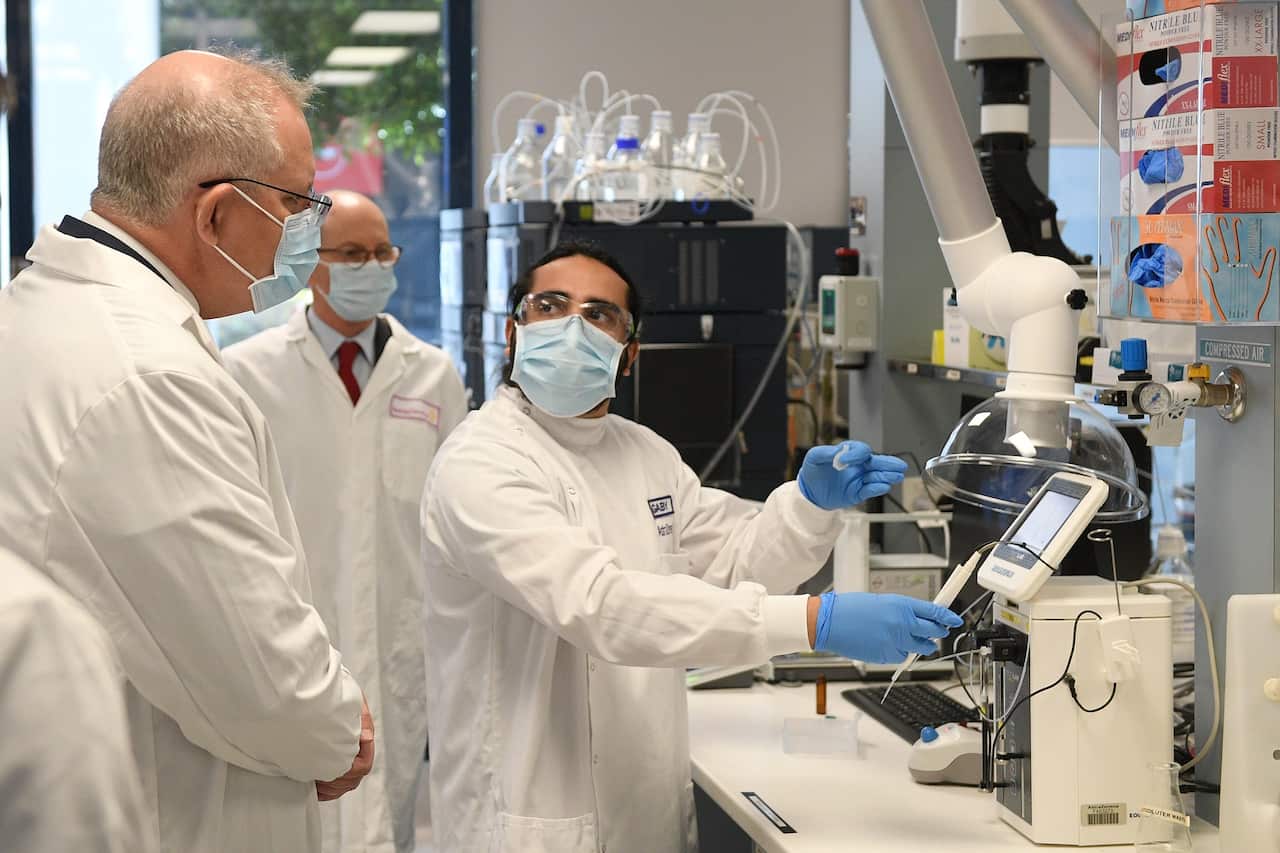
He said, "We've got data on how the products are manufactured. We've got data on their effects in animals. There's often animal models that are very similar to humans in terms of reaction of coronavirus and we're looking at that data already. So we're not waiting until we get the full lot of data."
The TGA has given the Pfizer-BioNTech and Oxford-AstraZeneca candidates pre-approval on the condition the vaccines meet all the final safety requirements.

Meanwhile, world leaders have reacted with cautious optimism to news that an experimental COVID-19 vaccine appears to be 90 per cent effective in ongoing Phase three trials.
That performance goes far beyond what regulators have previously said was the minimum effectiveness rate for a vaccine that they would approve, of 50 per cent.

Two pharmaceutical firms, Pfizer and BioNTech, have released preliminary findings showing protection in patients was achieved seven days after the second of two doses - and 28 days after the first.
Australia's Federal Health Minister Greg Hunt says the manufacturing of a coronavirus vaccine by British pharmaceutical company AstraZeneca has already begun.
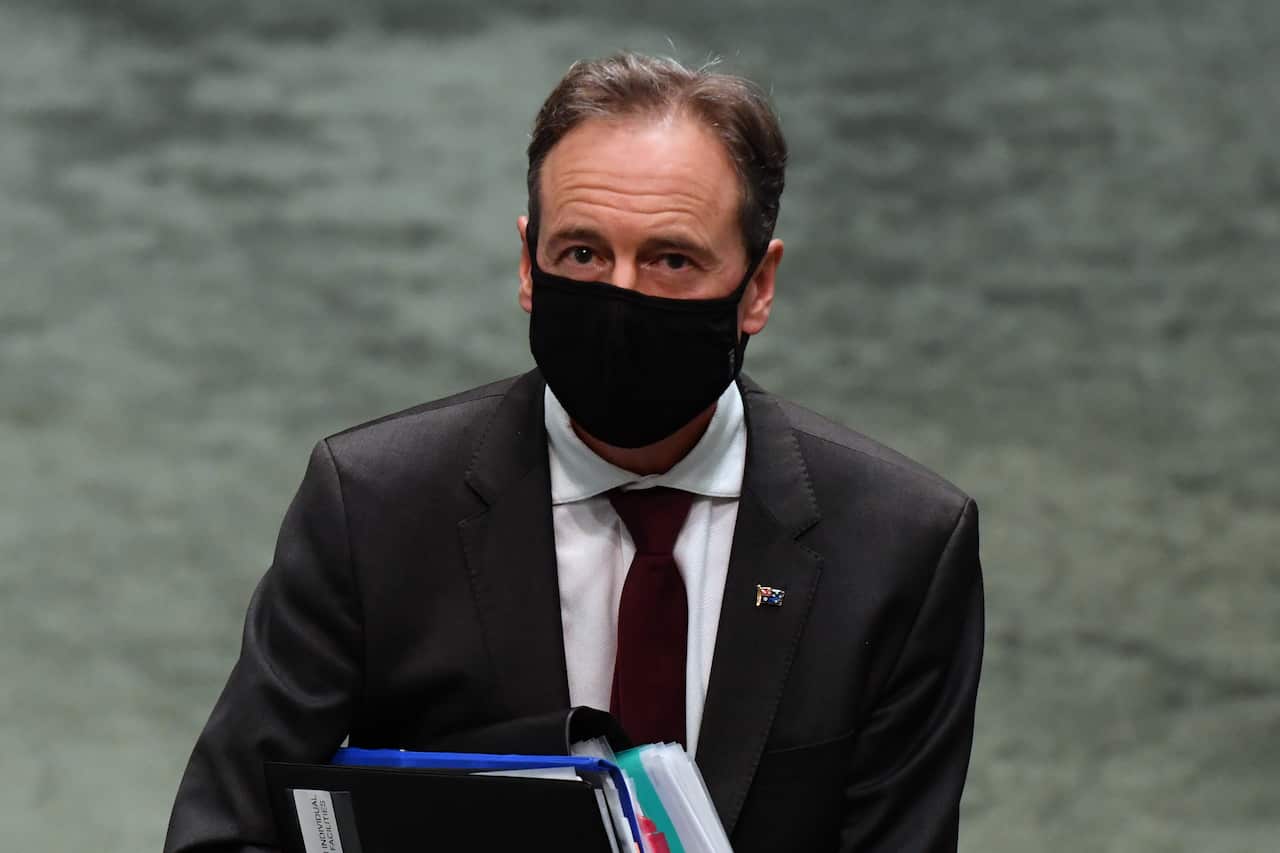
He says subject to regulatory approval, authorities expect to begin voluntary vaccination from March, with priority given to the elderly, and health workers.
Click on the player at the top of the page to listen to this feature in Punjabi.
People in Australia must stay at least 1.5 metres away from others. Check your state’s restrictions on gathering limits.
If you are experiencing cold or flu symptoms, stay home and arrange a test by calling your doctor or contact the Coronavirus Health Information Hotline on 1800 020 080.
News and information is available in 63 languages at sbs.com.au/coronavirus
Listen to SBS Punjabi Monday to Friday at 9 pm. Follow us on Facebook and Twitter.