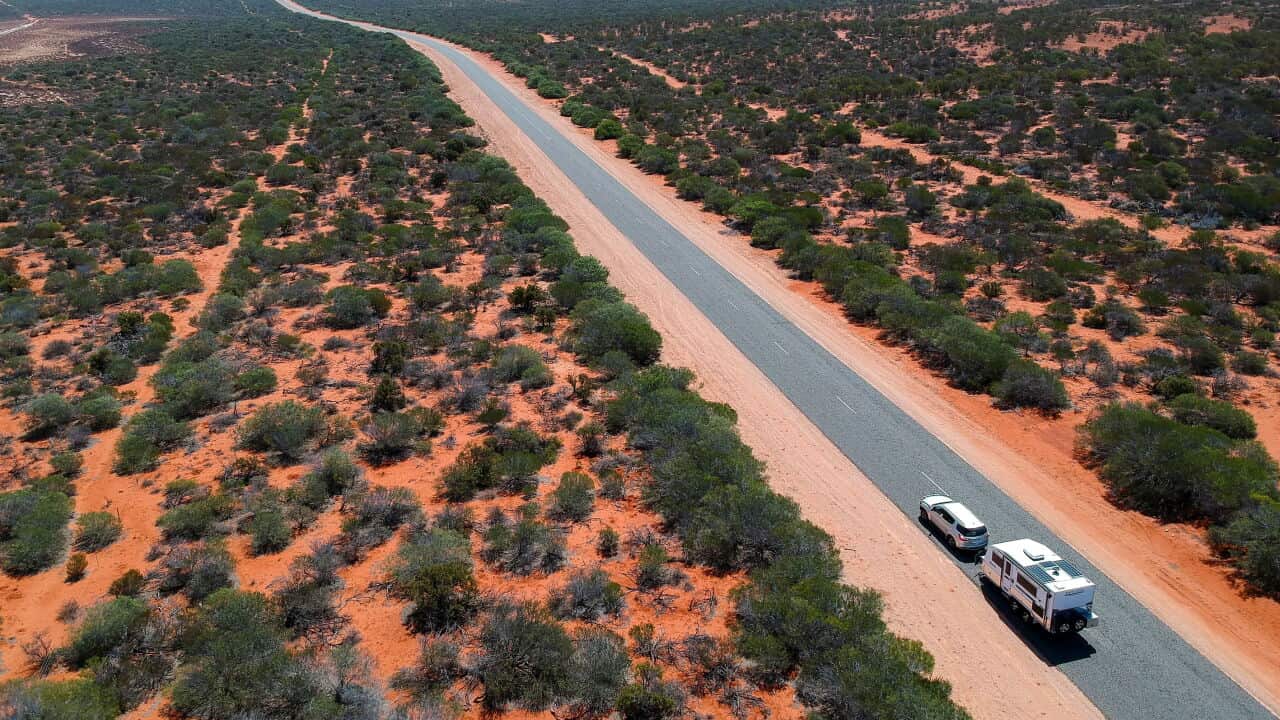
آسٹریلیا کی منفرد جنگلی حیات: کیا چیز اسے خاص بناتی ہے اور کیا اس کے لئے خطرہ ہے

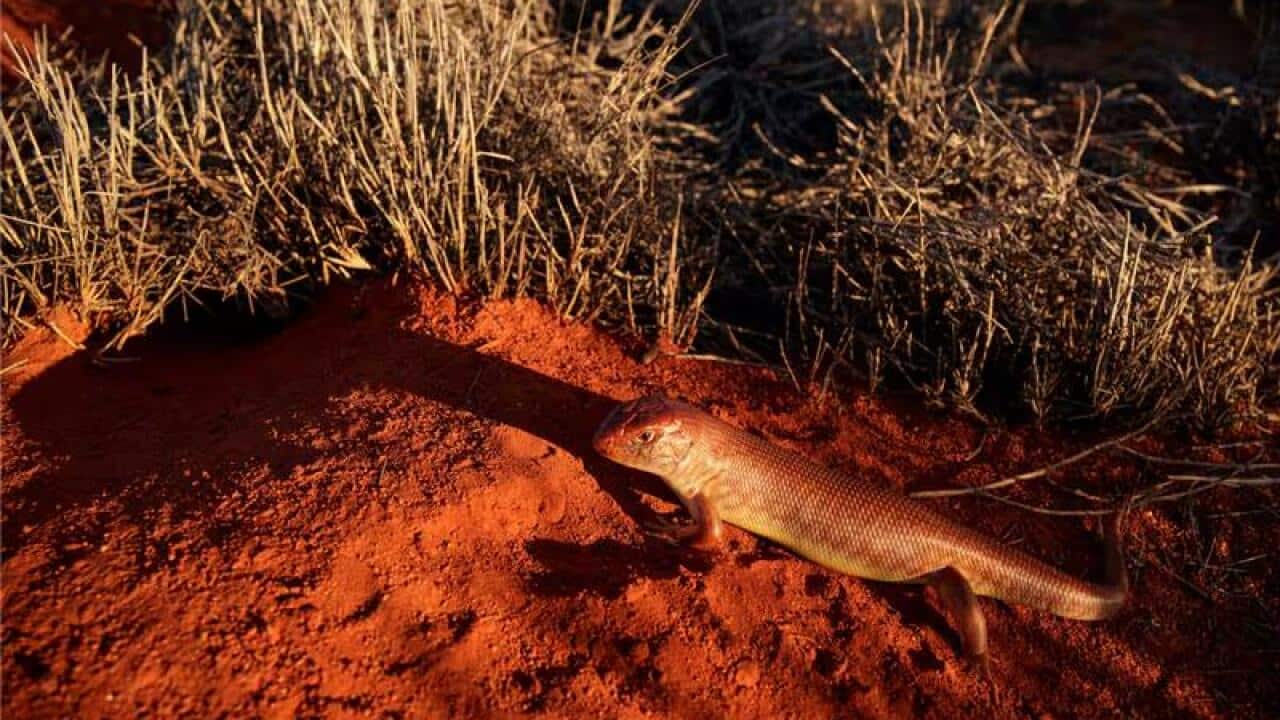
The Great Desert Skink or Tjakura - Image Nicolas Rakotopare.jpeg

The Great Desert Skink or Tjakura. Credit: Nicolas Rakotopare

آسٹریلیا زمین پر سب سے زیادہ حیاتیاتی تنوع رکھنے والے مقامات میں سے ایک ہے، جہاں جنگلی حیات اور پودوں کی وہ اقسام پائی جاتی ہیں جو زمین پر کہیں اور نہیں ملتیں۔ خوش آمدید اس قسط میں آپ آسٹریلیا کی حیاتیاتی تنوع کو خاص بناتے ہیں، اسے کن خطرات کا سامنا ہے اور ہم سب اس کی حفاظت میں کیسے مدد کر سکتے ہیں۔


Key Points
  • آسٹریلیا ایک میگا ڈائیورس ملک ہے اور کیونکہ ہم ایک جزیرہ ہیں، ہمارے پاس جنگلی حیات کی ایسی بہت سی انواع ہیں جو زمین پر کہیں نہیں پائی جاتی ہیں۔
  • آسٹریلیا میں ممالیہ جانوروں کے ناپید ہونے کا دنیا کا بدترین ریکارڈ ہے: ممالیہ جانوروں، پرندوں اور ریڑھ کی ہڈی کے بغیر جانوروں کی 2,000 سے زیادہ اقسام معدوم ہونے کے خطرے میں ہیں۔
  • ہر کوئی آسٹریلیا کی قیمتی جنگلی حیات اور رہائش گاہوں کو تحفظ فراہم کرنے والی تنظیموں اور قدرتی تاریخ کے گروہوں کی مدد کر کے جنگلی تحفظ میں معاونت کر سکتا ہے۔

آسٹریلیا کی جنگلی حیات اور ماحول اتنا خاص کیوں ہے؟

آسٹریلیا میں دنیا کے کسی بھی براعظم میں سب سے غیر معمولی نباتات اور حیوانات ہیں، پروفیسر ہیو پوسنگھم، جو بایوڈائیورسٹی کونسل کے شریک چیئرمین اور برڈ لائف آسٹریلیا کے نائب صدر ہیں، کہتے ہیں۔

"آسٹریلیا نے 50 ملین سال سے زیادہ پہلے دوسرے براعظموں سے علیحدگی اختیار کی اور بہت عرصے سے ایک الگ تھلگ براعظم رہا ہے۔"

"ہمارے بہت سے مارسوپیئلز جیسے کوالا، کینگرو، وومبیٹ اور گلائیڈرز، اور ہمارے انڈے دینے والے ممالیہ، پلیٹیپس اور ایکڈنا، دنیا میں کہیں اور نہیں پائے جاتے۔"

ییلکا/نگانیاتجارا/نارونگا کی خاتون جیڈ برومیلو، جو انڈیجینس ڈیزرٹ الائنس سے تعلق رکھتی ہیں، وضاحت کرتی ہیں کہ آسٹریلیا کے فرسٹ نیشنز کے لیے ملک صرف زمین نہیں، یہ خاندان اور ان کی شناخت کا حصہ ہے۔

سرزمین ہماری کہانیاں، ہمارے خواب، ہمارے آباؤ اجداد کو سنبھالے ہوئے ہے، اور یہ ذمہ داریاں واقعی اہم ہیں کہ ہم آگے بڑھیں۔ ہم پر پودوں اور جانوروں ک صحیح دیکھ بھال کرنے کی ذمہ داری ہے۔
Jade Bromilow

" یہ ہمارے غذائی نظام، ہمارے ٹوٹمز، ہمارے خوابوں کی ٹجوکورپا کہانیوں اور ہماری تعلیمات کا حصہ ہیں جنہیں ہم اگلی نسل تک پڑھائیں گے،" محترمہ برومیلو کہتی ہیں۔

"ہم ہزاروں سالوں سے ان انواع کے ساتھ رہ رہے ہیں اور ہم سمجھتے ہیں کہ وہ کب حرکت کرتے ہیں، کب افزائش کرتے ہیں، کب خوشحال ہوتے ہیں اور کب ان کے بارے میں کچھ ٹھیک نہیں ہوتا۔ لہٰذا جب ہم جنگلی حیات اور پودوں کی خاص بات کرتے ہیں تو یہ صرف اس لیے نہیں کہ یہ منفرد ہیں، بلکہ یہ ہمارے مقامی لوگوں کی شناخت کا حصہ ہے۔
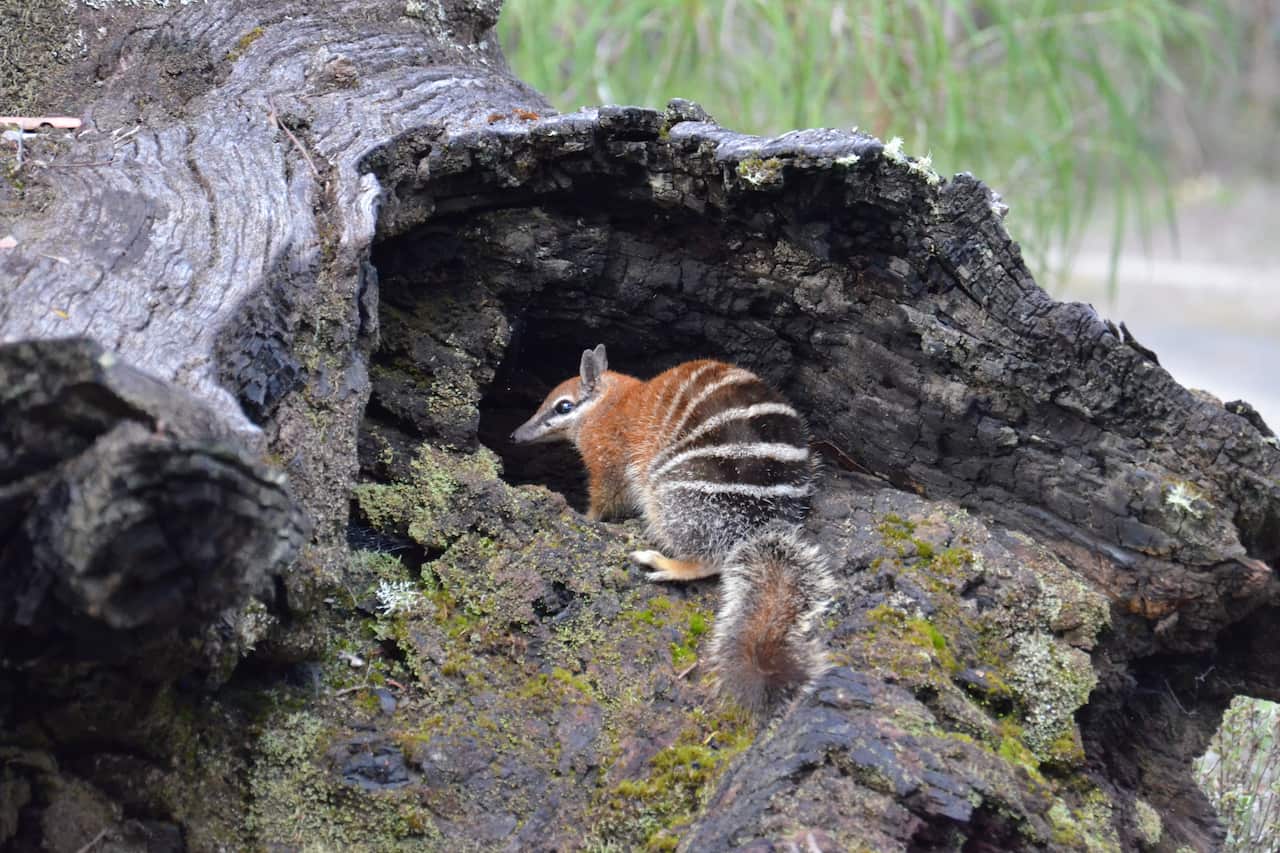
The critically endangered numbat - image Phil Tucak - Wildlife Outreach Vet.JPG
The critically endangered numbat. Credit: Phil Tucak

آسٹریلیا کی جنگلی حیات اور پودوں کا تحفظ کیوں ضروری ہے؟

آسٹریلیا کی منفرد حیاتیاتی تنوع کا تحفظ نہ صرف ان جنگلی حیات اور پودوں کی انواع کے لیے جن کے درمیان ہم رہتے ہیں، بلکہ تمام آسٹریلینز کی صحت اور خوشحالی کے لیے بھی اہم ہے۔

"صحت مند ماحولیاتی نظام ، جنگلات، جھیلیں، گھاس کے میدان ، یہ وہ چیزیں ہیں جو انسانیت کے لیے خدمات فراہم کرتی ہیں۔ یہ صاف ہوا فراہم کرتے ہیں، وہ موسمیاتی تبدیلیوں کے خلاف کام کرتے ہیں، اور یہ ہماری کچھ بڑی صنعتوں جیسے کہ سیاحت اور زراعت کو فروغ دیتے ہیں،" پروفیسر پوسنگھم بتاتے ہیں۔

"اگر ہم جنگلی حیات کی کچھ اقسام کو کھو دیتے ہیں، بدقسمتی سے ان ماحولیاتی نظاموں کے کام میں کمی آنا شروع ہو جاتی ہے۔ اس لیے جو فوائد اور خدمات وہ ہمیں فراہم کرتے ہیں وہ لوگ بھی کم ہو جاتے ہیں۔"

آسٹریلیا کی وہ جنگلی حیات جس کی نسل معدومیت کے خطرے میں ہے ان میں سے ایک عظیم صحرا کی سکنک ہے، جو مقامی لوگوں کے لیے ثقافتی اہمیت کی حامل ہے۔

"دی گریٹ ڈیزرٹ سکنک یا تجاکورا ایک چھوٹی سی نارنجی چھپکلی ہے جو زیر زمین ایک خاندانی نظام کی طرح رہتی ہے۔ تجاکورا کی خوبصورت بات یہ ہے کہ وہ کئی نسلوں کے ساتھ ایک ساتھ رہتے ہیں، ایک ہی بل کو بانٹتے ہیں اور ایک دوسرے کی دیکھ بھال کرتے ہیں۔ اور یہ اس طرح کی عکاسی کرتا ہے کہ ہم کس طرح مقامی کمیونٹیز میں اپنے خاندان، اپنی برادری اور ملک کی دیکھ بھال کرنے کی قدر کرتے ہیں،" محترمہ برمیلو وضاحت کرتی ہیں۔
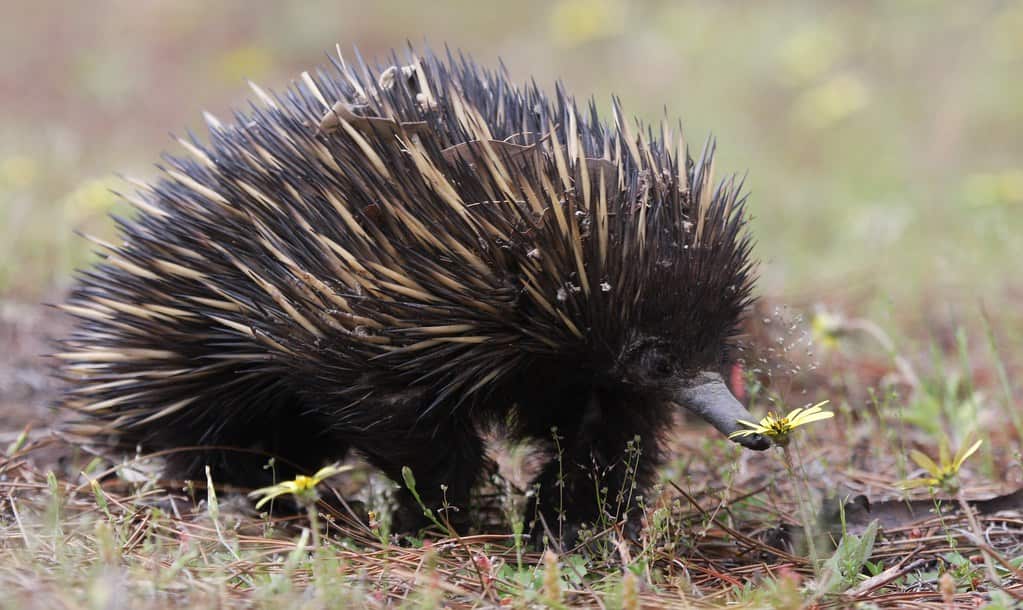
Echidna - Arthur Ferguson.jpg
The Echidna is a monotreme or egg-laying mammal. Credit: Arthur Ferguson

 جب انواع ختم ہو جاتی ہیں، تو یہ نہ صرف ماحولیاتی نقصان ہے، بلکہ یہ ایک ثقافتی نقصان بھی ہے۔

"جانوروں کی ان انواع سے جڑا علم ختم ہو جائے گا۔ کہانیاں، عمل اور رشتے کمزور ہو جائیں گے۔ صحرا میں ایک کہاوت ہے: اگر ملک صحت مند ہے تو لوگ صحت مند ہیں۔ بہت سے پودے اور جانور دنیا میں کہیں نہیں رہتے اور ہم سمجھتے ہیں کہ یہ توازن کتنا نازک ہے۔"

آسٹریلیا میں معدومیت کا بحران کیا ہے؟

آسٹریلیا حیاتیاتی تنوع کی معدومی کے شدید بحران کا سامنا کر رہا ہے، جو حملہ آور شکاریوں جیسے لومڑیوں اور فیرل بلیوں، رہائش گاہ کی تباہی اور موسمیاتی تبدیلیوں کے اثرات سے متاثر ہے۔

بدقسمتی سے، آسٹریلیا میں ممالیہ جانوروں کی ناپید ہونے کی شرح بھی دنیا میں سب سے زیادہ ہے۔

پروفیسر پوسنگھم کا کہنا ہے کہ "آسٹریلیا میں شاید نصف ملین سے زیادہ مختلف انواع ہیں، جن میں سے اکثر کو ابھی تک بیان نہیں کیا گیا ہے۔ لیکن جن انواع کو ہم اچھی طرح جانتے ہیں، ان میں سے 2,000 کو معدوم ہونے کا خطرہ ہے۔"

"اور افسوس کی بات ہے کہ پچھلے 250 سالوں میں صنعتی ترقی ہونے کے بعد سے، آسٹریلیا 100 گنا سے زیادہ جنگلی حیات کی انواع کو کھو رہا ہے جسے ایک عام شرح سمجھا جائے گا۔ درحقیقت، اگر ہم معدومیت کو نہیں روکتے، تو ہم اگلے 200 یا 300 سالوں میں اپنے جانوروں کی تقریباً نصف نسلیں کھو سکتے ہیں۔"

کیتھ بریڈبی مغربی آسٹریلیا کی ماحولیاتی تنظیم، گونڈوانا لنک لمیٹڈ کے سربراہ ہیں جو ریاست کے جنوب مغرب میں 1,000 کلومیٹر سے زیادہ مسکن کو دوبارہ جوڑنے کے لیے کام کر رہی ہے۔

"یہ ایک المیہ ہے کہ میرے بچے ان بوڑھے دوستوں کی طرح کیمپ نہیں لگا سکتے جن سے میں نے بات کی ہے، اور ان کے کیمپ فائر کے ارد گرد جنگلی حیات کی کثرت کی وجہ سے آنکھوں کا حلقہ ہے،" مسٹر بریڈبی کہتے ہیں۔

"ہم جانتے ہیں کہ ممالیہ کے خاتمے کا نقصان ایک بڑا مسئلہ ہے، لیکن ہمیں ابھی یہ احساس ہونے لگا ہے کہ ناپید ہونے کا بحران ان پودوں کے لیے کتنا بڑا ہے جو مٹ چکے ہیں جنہیں ہم نے کبھی نہیں دیکھا۔"
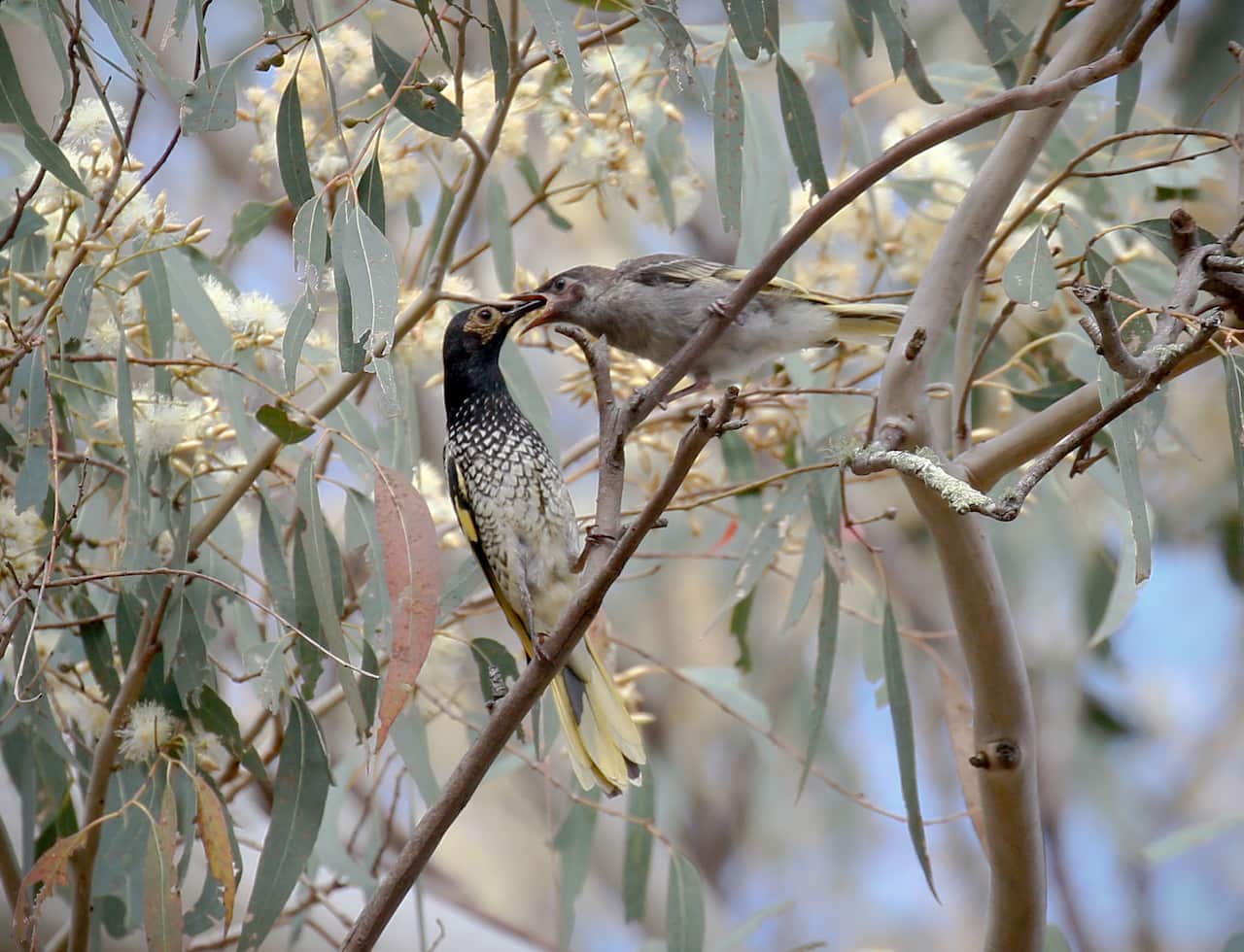
The critically endangered Regent Honeyeater - Image Mick Roderick.jpg
The critically endangered Regent Honeyeater. Credit: Mick Roderick

آسٹریلیا کی جنگلی حیات اور پودوں کو متاثر کرنے والے خطرات کیا ہیں؟

آسٹریلیا کی حیاتیاتی تنوع کو متاثر کرنے والے تین اہم خطرات ہیں۔

ترقی اور زراعت کا راستہ بنانے کے لیے سب سے پہلے مسکن کی تباہی ہے۔

دوسرا خطرہ حملہ آور انواع ہیں، جس میں لومڑی، بلی، ہرن، ناگوار گھاس کی انواع اور کچھ بیماریاں شامل ہیں۔

موسمیاتی تبدیلی آسٹریلیا کی حیاتیاتی تنوع کے لیے ایک اور ابھرتا ہوا خطرہ ہے۔

پروفیسر پوسنگھم کا کہنا ہے کہ "موسمیاتی تبدیلیوں نے آسٹریلیا کے براعظم کو پہلے ہی ڈیڑھ ڈگری تک گرم کر دیا ہے۔

بہت سی اقسام بڑھتے ہوئے درجہ حرارت اور آگ، سیلاب اور شدید طوفانوں جیسے تباہ کن واقعات کی بڑھتی ہوئی تعداد کے مطابق خود کو ڈھال نہیں سکیں گی۔
پروفیسر ہیو پوسنگھم

مسکن کی تقسیم اور دیگر خطرناک عمل کے اثرات نے بہت سی آسٹریلین جنگلی حیات اور پودوں کی اقسام کو خطرے میں ڈال دیا ہے۔

"ہم اپنی جنگلی حیات اور پودوں کو لاحق خطرات کے بارے میں بات کرتے رہتے ہیں۔ لیکن جو چیز ہم اس وقت درکار ہے وہ متعدد تبدیلیوں سے فوری نقصان ہیں۔ ہم نے اس عظیم باہم مربوط ماحولیاتی نظام کو چھوٹے چھوٹے حصوں میں رکھا ہے جنہیں ہم ریزرو کہتے ہیں اور عام طور پر وہ انتظام فراہم نہیں کرتے جس کی ضرورت ہوتی ہے،" مسٹر بریڈبی کہتے ہیں۔

"بنیادی مسئلہ یہ ہے کہ ہم نے زیادہ تر جنگلی حیات اور مسکن کی باہمی تعامل کی صلاحیت کو روک دیا ہے۔ اور اس سے ان کی تبدیلی کے لیے مضبوطی ختم ہو جاتی ہے، خاص طور پر جب دنیا اور ماحول بدل رہے ہیں۔ لیکن بنیادی طور پر، ہم نے نظام کو چھوٹے چھوٹے حصوں میں تقسیم کر دیا ہے، اور یہ چھوٹے ٹکڑوں کے طور پر کام کرنے کے لیے نہیں بنایا گیا۔"
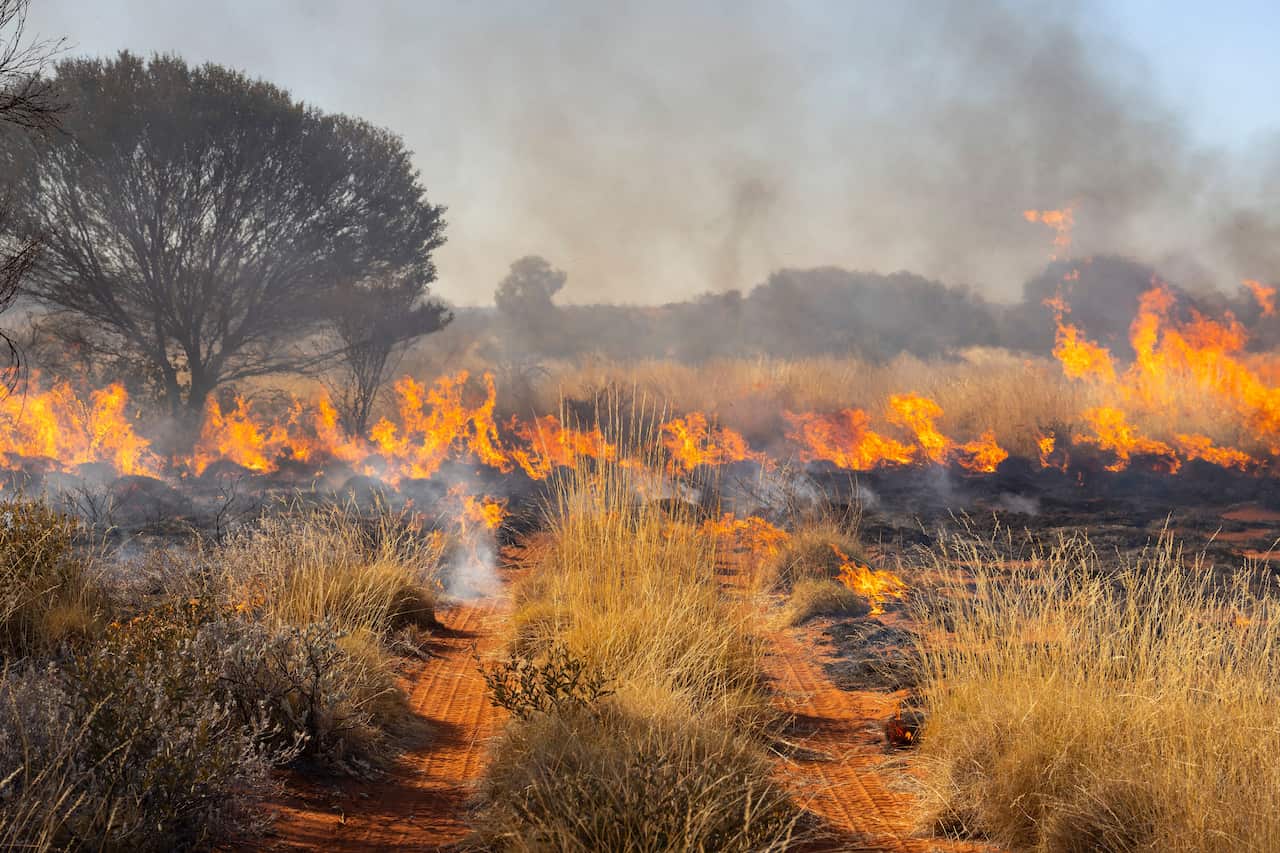
Controlled burn by Indigenous rangers - Image Salty Davenport.jpg
Indigenous desert rangers manage small controlled burns which don’t impact the landscape like large uncontrolled wildfires. Credit: Salty Davenport

میں آسٹریلیا کی جنگلی حیات اور پودوں کی حفاظت میں کیسے مدد کر سکتا ہوں؟

ہم سب آسٹریلیا کی جنگلی حیات اور پودوں کی حفاظت میں مدد کر سکتے ہیں۔

"میرا خیال ہے پہلا قدم یہ ہے کہ خود کو باخبر رکھیں، اور آپ اپنے علاقے کے کسی تحفظ یا قدرتی تاریخ کے گروپ میں شامل ہونے کا فیصلہ کر سکتے ہیں۔ آپ کہیں بھی مقامی درخت اور جھاڑیاں لگا سکتے ہیں جہاں خلا ہو، چاہے وہ آپ کے باغ میں ہو یا مقامی پارکوں میں،" پروفیسر پوسنگھم کہتے ہیں۔

“اور جب آپ خود کو جان لیں کہ یہ تمام معدومیت آسٹریلینز کی ثقافت اور صحت کے لیے کتنا المناک نقصان ہوگی، تو کسی مقامی سیاستدان سے بات کریں اور آسٹریلیا کی نباتات اور حیوانات کے نقصان پر اپنی تشویش کا اظہار کریں۔"

چاہے وہ مقامی کمیونٹی گروپس ہوں یا ماحولیاتی غیر منافع بخش تنظیموں کے ذریعے، تحفظ کے کام میں شامل ہونے کے بہت سے مواقع موجود ہیں۔

"ہمارا پروگرام بنیادی طور پر ماحولیاتی صحت میں بہت بڑے پیمانے پر بہتری حاصل کرنے کے بارے میں ہے۔ لیکن ایسی بڑی تبدیلیاں صرف بہت سی چھوٹی تبدیلیوں پر مشتمل ہوتی ہیں جو معقول حد تک مربوط ہوتی ہیں۔ اور ان چھوٹی تبدیلیوں میں سے ہر ایک کو افراد یا گروہوں کی طرف سے چلانا پڑتا ہے،" پروفیسر پوسنگھم کہتے ہیں۔

"چاہے وہ وہ شخص ہو جس کے پاس پانچ ایکڑ کا بلاک ہو جو جنگلی حیات کو اپنی جائیدادوں میں واپس خوش آمدید کہہ سکے، یا وہ سرمایہ کاروں کا گروہ جو بڑے پیمانے پر تبدیلی کے لیے معنی خیز پیسہ لگا سکتا ہے۔ ہم میں سے ہر ایک کو کچھ ایسا مل سکتا ہے جو فرق ڈالے۔"
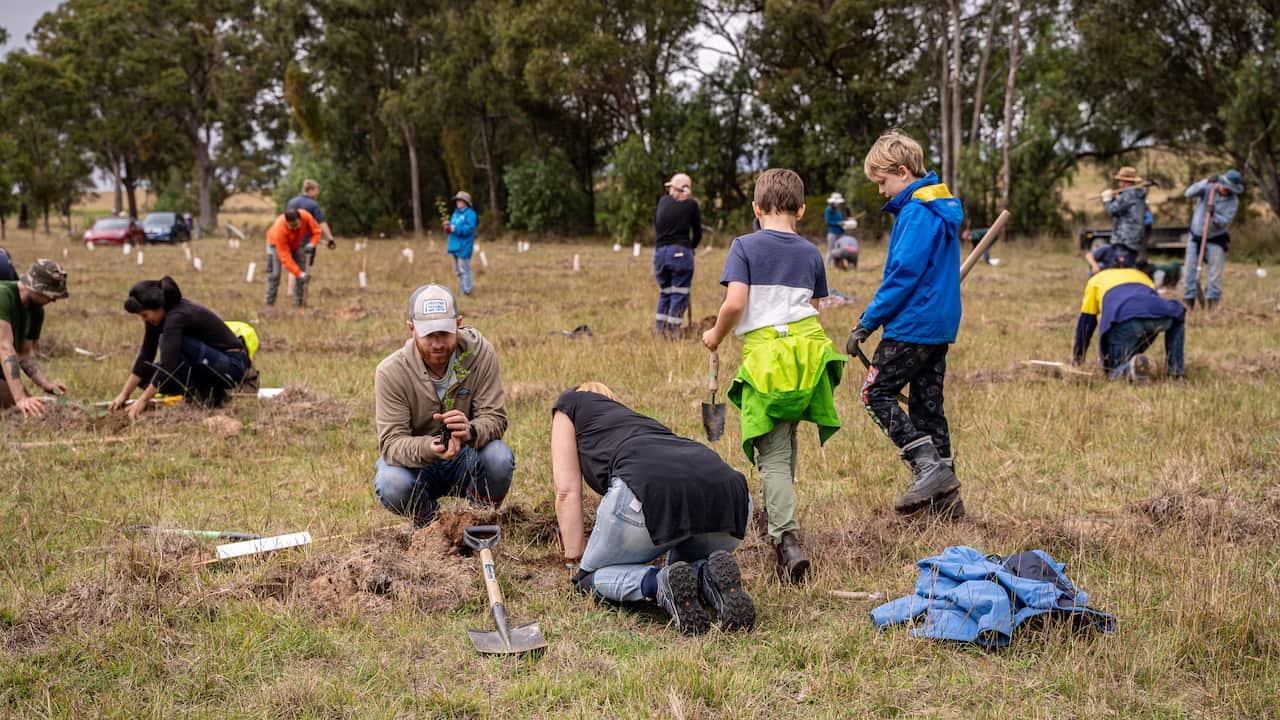
A community tree-planting day - Image Birdlife Australia.jpg
A community tree-planting day. Credit: Birdlife Australia

محترمہ برومیلو کا کہنا ہے کہ اس کا آغاز اتنی آسان چیز سے ہوسکتا ہے جتنا سیکھنا آپ کس سرزمین پر ہیں اور مقامی علم کو سنتے اور ان کا احترام کریں۔

آپ انڈیجنس کی قیادت رکھنے والے تحفظ کے کام اور رینجر پروگراموں کی حمایت کرسکتے ہیں۔

“اور جب کمیونٹیز اکٹھے ہو رہی ہیں اور وہ سن رہے ہیں، سیکھ رہے ہیں اور ذمہ داری لے رہے ہیں تو ہم اس جگہ کی حفاظت کر رہے ہیں جسے ہم سب کو محسوس ہوتا ہے کہ وہ خاص ہے۔ اور یہ نہ صرف دیسی لوگوں، بلکہ آسٹریلیا کے ہر ایک کے لئے اہم ہے کہ اگر ہم ملک کی دیکھ بھال کریں تو ملک ہماری دیکھ بھال کرے گا۔

اضافی معلومات کے لنکس:

بائیو ڈائیورسٹی کونسل

برد لائف آسٹریلیا

انڈیجنس ڈزرٹ الائینس

گونڈوانا لنک لمیٹڈ

Subscribe to or follow the Australia Explained podcast for more valuable information and tips about settling into your new life in Australia.

Do you have any questions or topic ideas? Email australiaexplained@sbs.com.au

spk_0

SBS acknowledges the Traditional Custodians of Country and their connections and continuous care for the skies, lands and waterways across Australia.

spk_1

You're listening to Australia Explained, an SBS audio podcast helping you navigate life in Australia.

spk_2

Australia is one of the most biodiverse places on Earth, home to wildlife and plant species found nowhere else on the planet, but it also needs our protection.

spk_3

There's a saying in the desert, If country is healthy, people are healthy. Many plants and animals live nowhere else in the world, and we understand how delicate that balance is.

spk_4

We know that mammal loss is a big issue, but

spk_4

only now starting to realise how massive the extinction crisis has been for a number of plants that have been wiped out that we never even saw.

spk_2

Welcome to Australia Explained. I'm your host Melissa Compagnoni. Today we discover what makes Australia's biodiversity so special, the threats it faces, and how we can all help to protect it.

spk_2

As an island continent, Australia's long isolation has shaped an extraordinary natural world, with biodiversity found nowhere else on Earth. Yet this remarkable environment is under pressure. More than 2000 species of mammals, birds and invertebrates are at risk of extinction, and Australia already has the worst record in the world for mammal extinction.

spk_2

There are many pressures affecting Australia's wildlife and plant life, but there are also practical ways people can help protect this unique biodiversity.

spk_2

Professor Hugh Possingham, co-chair of the Biodiversity Council and BirdLife Australia Vice President, says Australia's plants and animals are among the most distinctive on the planet.

spk_5

And it's partly because Australia has been an isolated continent for a very long time. It broke away from other continents over 50 million years ago, for example, a lot of our

spk_5

marsupials, koalas, kangaroos, wombats, numbats, and then things like egg laying mammals, the monotremes, the platypus and the echidna aren't found anywhere else in the world.

spk_2

Yilka/Ngaanyatjarra/Narrunga woman Jade Bromilow from the Indigenous Desert Alliance explains that for Australia's First Nations people, country is far more than land.

spk_2

It's family, culture and identity.

spk_3

Country holds our stories, our dreaming, our ancestors, and these responsibilities are really important to carry on. We have the obligations to look after the plants and animals the right way. They're a part of our food systems, our totems, our dreaming tjukurrpa stories, and our teachings that we will then teach on to the next generation.

spk_2

Australia's First Nations people have lived alongside these species for tens of thousands of years, developing deep knowledge of the land and its rhythms.

spk_3

We understand the patterns when they move, when they breed, and when they're thriving and when something's not right. So when we talk about wildlife and flora being special, it's not just because it's unique, it's a part of who we are as Indigenous people.

spk_2

Professor Possingham says conserving Australia's unique biodiversity is important not only for the wildlife and plant species we live amongst, but for the health and prosperity of all Australians.

spk_5

Healthy ecosystems, forests, lakes, grasslands, these are the things that provide services for humanity. They provide

spk_5

clean air, they mitigate against climate change and they underpin some of our major industries, for example, tourism and agriculture. If we lose species, unfortunately the functioning of those ecosystems starts to decline, so the benefits and the services they provide to us as people also decline.

spk_2

One of Australia's threatened wildlife species is the great desert skink, which is of cultural significance to indigenous people, as Jade explains,

spk_3

The great desert skink, or Tjakura, it's a small orange lizard that lives underground in a family burrow system, and what's beautiful about the Tjakura is that they live together with multiple generations, sharing the same burrow and looking after one another, and this kind of reflects how we in Indigenous.

spk_3

communities value our family, our community, and caring for Country.

spk_2

When species disappear, Jade says it's not only an environmental loss, it's a cultural loss too.

spk_3

The knowledge connected to those species will fade. The stories, the practises, and the relationships will weaken. There's a saying in the desert, If Country is healthy, people are healthy. Many plants and animals live nowhere else in the world, and we understand how delicate that balance is.

spk_2

Australia is experiencing a severe biodiversity crisis, including having the highest rate of mammal extinctions in the world, driven by the impact of invasive predators such as foxes and feral cats, habitat destruction and climate change, as Professor Possingham explains.

spk_5

Australia probably has over half a million different species, many of which have never yet

spk_5

been described, but of the ones we know well, we know that 2000 are threatened with extinction. And in fact, sadly, since industrialisation over the last 250 years, Australia has been losing species at more than 100 times what would be considered a normal rate. Indeed, if we don't stop extinctions, we could lose almost half our species in the next 200 or 300 years.

spk_2

Keith Bradby is the head of Gondwana Link Limited, a Western Australian conservation organisation working to reconnect more than 1000 kilometres of habitat in the state's south west.

spk_4

It's a tragedy that my kids can't camp out like the old fellows I've talked to and have a ring of eyes around their campfire from the abundance of wildlife we once had.

spk_4

We know that mammal loss is a big issue, but we're only now starting to realise how massive the extinction crisis has been for a number of plants that have been wiped out that we never even saw.

spk_2

Professor Possingham says three major threats are driving biodiversity loss in Australia, beginning with the destruction

spk_2

of habitat for urban development and agriculture.

spk_5

Species, if they lose their habitats, their populations decline and they head slowly towards extinction. The second biggest cause of extinction in Australia has been invasive species, so we introduced foxes, cats, deer, many, many invasive weed species, and some diseases.

spk_2

Climate change is also an emerging threat to Australia's biodiversity.

spk_5

Many species will not be able to adapt to the increased temperatures and also the increased catastrophic events like fire and flood and possibly cyclone.

spk_2

As Mr Bradby explains, the fragmentation of habitat combined with the impact of other threatening processes is placing many Australian wildlife and plant species in peril.

spk_4

We keep talking about threats to our wildlife, but what we're really dealing with right now are immediate assaults. We've taken this great interconnected ecosystem and put it into tiny little

spk_4

pockets that we call reserves and don't manage. The fundamental assault is that we've stopped the ability of most wildlife and habitats to interact, and that takes away their resilience to change at the very time when the climate is changing, but it's fundamentally we've broken up the system into little bits and it's not meant to work as little bits.

spk_2

But we can all help protect Australia's wildlife and plants, Professor Possingham says.

spk_5

You may decide to join a conservation group, a local group in your local area, and even in your own garden you can plant native trees and shrubs anywhere where there's a

spk_5

gap. And once you've informed yourself about what a tragic loss all these extinctions will be to the culture and the health of Australians, is to talk to a local politician and just air your concerns about the loss of Australia's flora and fauna.

spk_2

Whether through local community groups or environmental not for profit organisations, there are many ways people can get involved in conservation, as Mr Bradby explains.

spk_4

Our program is fundamentally about achieving massive improvement in ecological health at a very large scale, but massive changes like that are only made up of lots of small changes

spk_4

that happen reasonably cohesively. And each of those small changes has to be driven by individuals or groups of individuals, be it the person with a 5-acre block who can welcome wildlife back to their properties or the group of investors who can put meaningful money to make change at scale. Every one of us can find something that makes a difference.

spk_2

Jade says everyone shares responsibility for caring for the Country where they live.

spk_3

It can start with something as simple as learning whose Country you're on and listening to and respecting local knowledge.

spk_3

You can support Indigenous-led conservation work and a range of programs, and when communities are coming together and they're listening, learning and taking responsibility, we're protecting the place that we all feel is special, and it's important for not just Indigenous people, but everyone in Australia that if we look after Country, the Country will look after us.

spk_2

Thanks for listening to this episode of Australia Explained, written and produced by Phil Tucak and mixed by me, Melissa Compagnoni. Australia Explained managing editor is Roza Germian.

spk_1

This was an SBS audio podcast. For more Australia Explained stories, visit SBS.com.au/Australiaexplained.

spk_6

Subscribe or follow the Australia Explained podcast for more valuable information and tips about settling into your new life in Australia. Do you have any questions or topic ideas? Send us an email to australiaexplained@ sbs.com.au.

END OF TRANSCRIPT

شئیر

Follow SBS Urdu

Download our apps

Watch on SBS

Urdu News

Watch now