
نظر انداز کی گئی کہانی: اینزیک ڈے پر ابوریجنل اور ٹوریس اسٹریٹ آئی لینڈر کی خدمت

First Nations Anzac

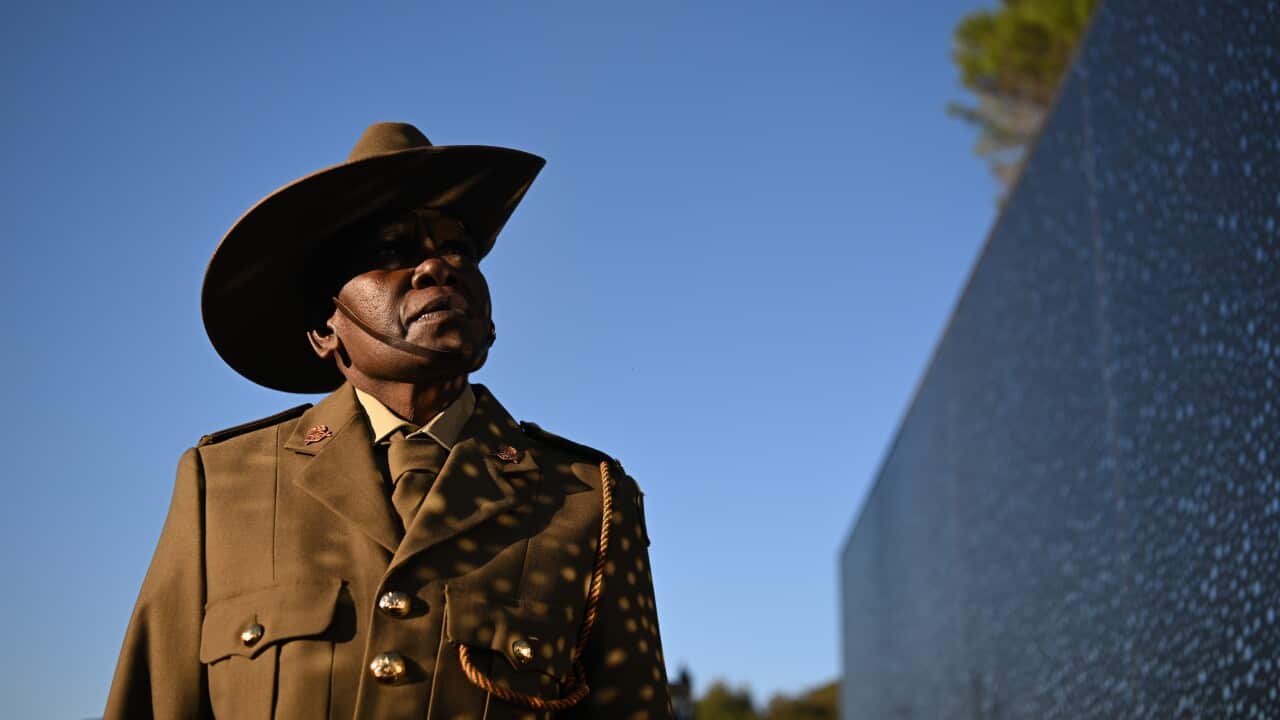
The Australian War Memorial For Our Country memorial recognises the military service of Aboriginal and Torres Strait Islander peoples. Credit: Tracey Nearmy/Getty Images

ہر سال آسٹریلین لوگ اینزیک ڈے پر جمع ہوتے ہیں تاکہ ان لوگوں کو یاد کیا جا سکے جنہوں نے جنگوں، تنازعات اور امن مشن میں خدمات انجام دیں۔ لیکن ہم کس کی کہانیاں یاد کر رہے ہیں؟ کیا ایسی کہانیاں ہیں جو ہم ہمیشہ نہیں سنتے؟ اس قسط میں ہم آسٹریلیا کی تاریخ کے ایک اہم حصے کا جائزہ لیتے ہیں جسے اکثر نظر انداز کیا جاتا رہا ہے—ابورجینل اور ٹوریس اسٹریٹ آئی لینڈر لوگوں کی خدمت۔


Key Points
  • آسٹریلین وار میموریل کا تخمینہ ہے کہ 1200 ایبوریجنل مردوں نے پہلی جنگ عظیم میں اور 6,500 نے دوسری جنگ عظیم میں شامل ہونے کی کوشش کی۔
  • مقامی لوگوں کو مسلح افواج میں بھرتی ہونے کے لیے بہت سی پابندیوں کا سامنا کرنا پڑا۔
  • بہت سے لوگوں نے اپنے ورثے کو چھپانے سمیت اندراج کے لیے غیر معمولی حد تک کام کیا۔
  • ان کی واپسی پر، امتیازی سلوک اور پابندی والے قوانین اب بھی ابوریجنل سابق فوجیوں کے لیے روزمرہ کی زندگی کا حصہ تھے۔ 

بہت سے ابورجینل اور ٹوریس اسٹریٹ آئی لینڈر آسٹریلیا کی مسلح افواج میں خدمات انجام دیتے رہے، جن میں پہلی اور دوسری عالمی جنگوں کے دوران بھی ان کی شمولیت موجود رہی ہے، اکثر غیر انڈیجنس آسٹریلینز کے ساتھ ، یہاں تک کہ جب انہیں سرکاری طور پر بھرتی ہونے سے روکا گیا تھا۔ 

آج، ان کی کہانیوں کو پہچاننے اور یاد رکھنے کی کوشش بڑھ رہی ہے۔ 

نگنوال/گومیروی شخص مائیکل بیل اس کام کا حصہ ہیں۔ آسٹریلین وار میموریل میں مقامی رابطہ افسر کے طور پر، وہ ابورجینل اور ٹوریس اسٹریٹ آئی لینڈر لوگوں کی خدمت اور قربانی کی شناخت اور اعتراف میں مدد کرتے ہیں۔ چاہے وہ وردی میں خدمات انجام دیں یا وہ جو اپنے وطن میں جنگی کوششوں کی حمایت کرتے ہیں۔ 

اس کام کے ذریعے، ایک واضح تصویر ابھرنا شروع ہو رہی ہے۔  

کتنے ابورجینل اور ٹوریس اسٹریٹ آئی لینڈر افراد نے پہلی اور دوسری عالمی جنگ میں خدمات انجام دیں؟

"اس وقت ہمارے پاس 1200 سے زائد آبورجینل مرد ہیں جو پہلی جنگ عظیم میں بھرتی ہوئے یا بھرتی ہونے کی کوشش کر چکے ہیں، اور ہمارا اندازہ ہے کہ دوسری جنگ عظیم میں یہ تعداد تقریبا 6,500 ہو گئی،" مائیکل بیل کہتے ہیں۔
Indigenous Australians Honoured On Anzac Day At Coloured Diggers March
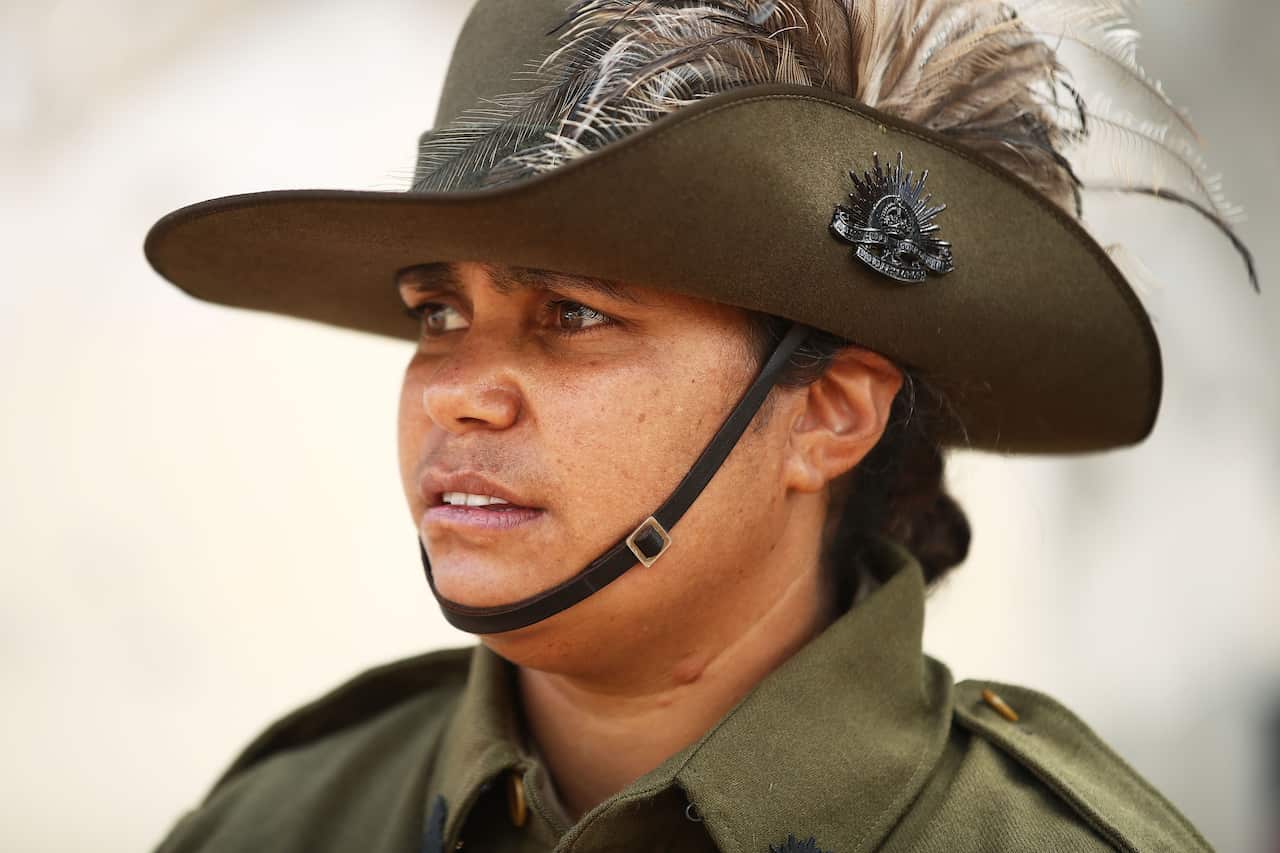
Understanding ANZAC Day means recognising the contributions and challenges faced by Aboriginal and Torres Strait Islander peoples.  Credit: Brendon Thorne/Getty Images

یہ تعداد مسلسل بڑھ رہی ہے کیونکہ مزید ریکارڈز سامنے آ رہے ہیں۔ 

جنگی یادگار نے شماریاتی طور پر ابوریجنل لوگوں کی معلوم آبادی کے ساتھ اندراج کی تعداد کو دیکھا ہے۔

اہم رکاوٹوں کا سامنا کرنے کے باوجود، تعداد اہم ہے۔

اندراج یا تصدیق کی شرحیں ان کے غیر انڈیجنس بھائیوں اور بہنوں کے برابر ہیں۔
مائیکل بیل

فوج میں بھرتی ہونے کی کوشش کرتے وقت فرسٹ نیشنز آسٹریلوی باشندوں کو کن رکاوٹوں کا سامنا کرنا پڑا؟

مسلح افواج میں بھرتی ہونے کی کوشش کرتے وقت انڈیجنس لوگوں کو پابندیوں کا سامنا کرنا پڑا۔ یہ پابندیاں متعدد سطحوں پر موجود تھیں۔

انڈیجنس لوگوں کو ملک بھر میں اپنی نقل و حرکت پر پابندیوں کا سامنا کرنا پڑا۔ 

انہیں مکمل آسٹریلین شہری تسلیم نہیں کیا گیا، اور بعض صورتوں میں، قانون کے تحت لوگوں کے طور پر بھی تسلیم نہیں کیا گیا۔ 

اور فوجی پالیسیاں اکثر یورپی ورثے کے بغیر ان لوگوں کو خارج کر دیتی ہیں۔ 

ان سب عوامل نے مشترکہ طور پرخدمت کرنے کے خواہشمندوں کے لیے بڑی رکاوٹیں کھڑی کیں۔ 

 یہاں تک کہ ان پابندیوں کے باوجود، بہت سے لوگ اندراج کے لیے غیر معمولی حد تک چلے گئے۔ مائیکل بیل بتاتے ہیں کہ ایسا ہی ایک آدمی کوئنز لینڈ سے ایلبری تک پیدل چلا گیا۔

"اپنے راستے پر اس نے پانچ بار اندراج کرنے کی کوشش کی، آخر کار اس میں شامل ہوا، اور بدقسمتی سے خدمت نہیں کرسکا کیونکہ وہ میدان جنگ میں جاتے ہوئے جہاز میں بیماری کی وجہ سے انتقال کر گیا تھا۔ یہ ہمارے مردوں کی لگن اور دوبارہ فہرست میں شامل ہونے کی خواہش ہے کہ جہاں انہیں ابوریجنل ہونے کی وجہ سے مسترد کر دیا گیا ہے اور ان کی جانب سے دوبارہ کوشش کی گئی ہے۔"

اس طرح کی کہانیاں عزم، لچک اور ملک کی خدمت کرنے کی شدید خواہش کو ظاہر کرتی ہیں، یہاں تک کہ جب اس ملک نے مساوی حقوق کی پیشکش نہیں کی تھی۔ 
Aboriginal And Torres Straight Islander Veterans
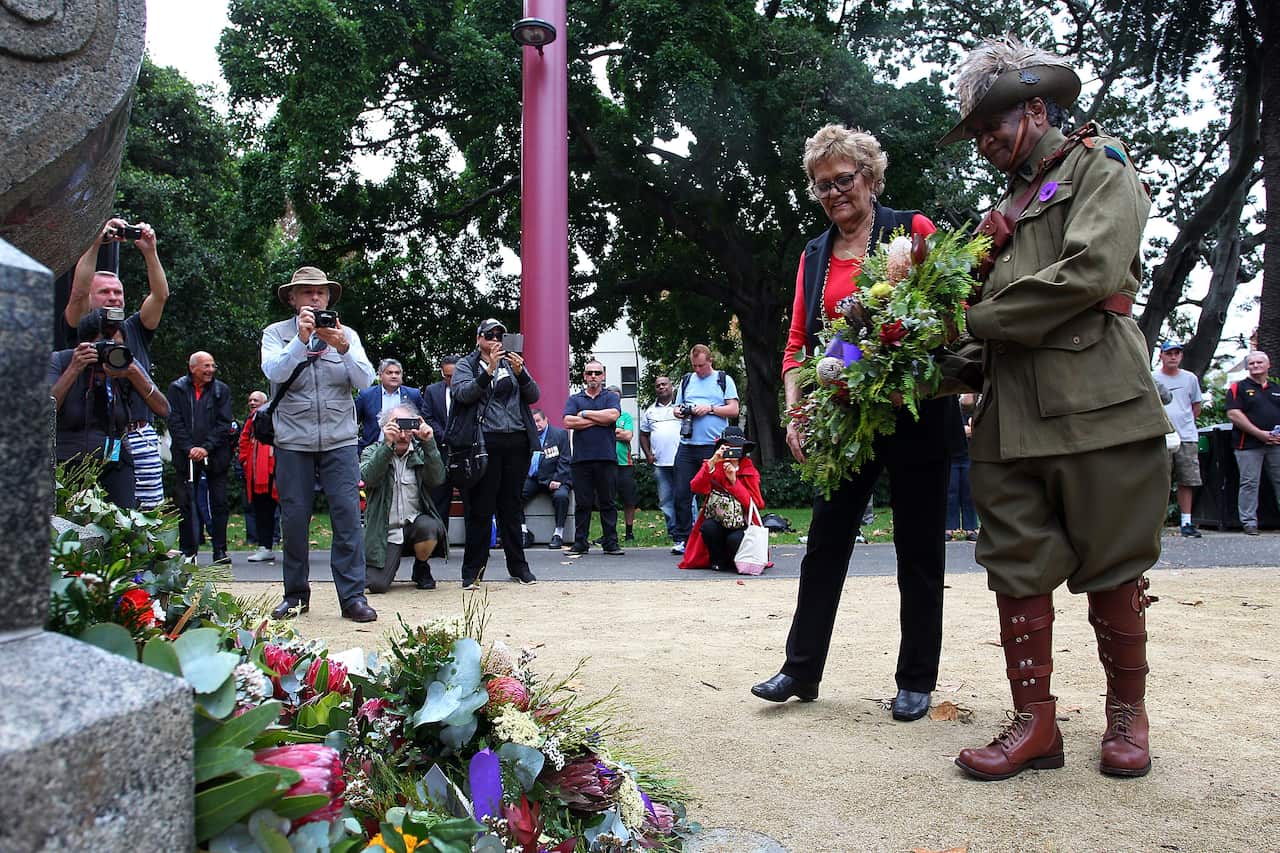
A wreath is laid during the annual ANZAC coloured diggers service in Sydney. Credit: Lisa Maree Williams/Getty Images

جب فرسٹ نیشنز کے فوجی جنگ سے واپس آئے تو ان کے ساتھ کیا ہوا؟

بہت سے آبورجینل سابق فوجیوں کے لیے، ان کی قربانیوں کا مطلب مساوات نہیں تھا۔ 

وہ ایک ایسے معاشرے میں واپس آئے جہاں امتیاز اور سخت قوانین اب بھی روزمرہ زندگی کا حصہ تھے۔ 

"ہمارے مرد ایک غیر ملکی جنگ میں ایسے حقوق کے لیے لڑ رہے تھے جس کا انہیں اپنے ملک میں حق نہیں تھا،" مائیکل بیل کہتے ہیں۔ "اور جب وہ گھر واپس آ کر انتہائی غیر مساوی معاشرے میں واپس آ جاتے ہیں، تو قانونی طور پر تسلیم نہ ہونا، زمین کی ملکیت پر پابندیاں، برابر اجرتیں، ہمارے بچوں کے انتظام کی پابندیاں، نسلوں کی چوری، عروج پر تھیں۔"

  کچھ آبورجینل سابق فوجیوں کو فوائد حاصل کرنے میں کامیاب ہوئے، لیکن بہت سے نہیں، کیونکہ وسیع سماجی اور سیاسی پابندیوں کی وجہ سے حمایت محدود ہو گئی۔ 

یہاں تک کہ دوسرے سابق فوجیوں سے رابطہ کرنا بھی مشکل ہو سکتا ہے۔ 

واپس آنے والے فوجیوں کو اکثر کمیونٹی تنظیموں جیسے آر ایس ایل کلبز میں شامل ہونے کی ترغیب دی جاتی تھی جو سابق فوجیوں کی حمایت کرتے ہیں اور اینزک اینزک ڈے کی تقریبات جیسے پروگرام منعقد کرتے ہیں۔ 

لیکن ان میں سے بہت سے کلب لائسنس یافتہ مقامات تھے، جس کا مطلب تھا کہ شراب پیش کی جاتی تھی، اور ابورجینل لوگوں کو اکثر ان جگہوں میں داخل ہونے سے روکا جاتا تھا۔

انہیں مؤثر طور پر سپورٹ اور تعلق دونوں سے خارج کر دیا گیا تھا۔ 

آج آسٹریلیا ابورجینل اور ٹوریس اسٹریٹ آئی لینڈر کی فوجی خدمات کو کیسے تسلیم کر رہا ہے؟

حالیہ دہائیوں میں آسٹریلین وار میموریل نے ابورجینل اور ٹوریس اسٹریٹ آئی لینڈر کی خدمات کو دریافت کرنے اور شیئر کرنے میں زیادہ فعال کردار ادا کیا ہے۔ 

"ہماری کہانیاں ہماری تمام گیلریوں میں برابر اور متناسب طور پر شیئر کی جاتی ہیں،" مائیکل بیل وضاحت کرتے ہیں۔ "ہمارے پاس تمام خدمات، تمام گیلریوں، تمام کہانیوں، تمام نمائندگیوں میں انڈیجنس مواد موجود ہے۔"

آسٹریلین وار میموریل پر کوئی بلیک کارنر نہیں ہے۔ ہم کہانی کو پورے وقت یکساں طور پر بیان کرتے ہیں، جیسا کہ سابق فوجیوں نے ہم سے کہا ہے۔
مائیکل بیل

“ یونیفارم میں، وہ صرف اپنے آپ کو اپنی خدمات کے رنگ کے طور پر دیکھ سکتے تھے جیسے کہ فوج، فضائیہ اور بحریہ کے لیے سبز، نیلا یا سرمئی۔

یہ نقطہ نظر اس بات کی عکاسی کرتا ہے کہ کتنے ایبوریجنل سروس مین نے خود کو دیکھا، پہلے بطور سپاہی، دوسروں کے ساتھ مل کر خدمت کرتے ہوئے۔  

ایک ہی وقت میں، طویل عرصے سے چھپی ہوئی کہانیوں کو اب دوبارہ دریافت کیا جا رہا ہے اور خاندانوں اور برادریوں کے ساتھ شیئر کیا جا رہا ہے۔ 

"اس موقع پر جہاں ہمارے پاس اپنے مجموعے میں ایک ابیوریجنل آدمی کی واحد معلوم تصویر ہے، اور خاندان نے اسے نہیں دیکھا… ہم ان کی خدمات کے اعتراف کے لیے انہیں فراہم کر سکتے ہیں... اور یہ میرے لیے واقعی دل کو چھونے والی اور خاص بات ہے- اس قابل ہونے کے لیے کہ ان خاندانوں کے ساتھ اس علم اور معلومات کا اشتراک کر سکوں جو اس علم اور معلومات کو ایک ایسے ادارے میں شامل کرنے کی کوشش کر رہے ہیں جہاں ہم ماضی کے بارے میں مثبت طور پر مشہور یا کم کہانیوں کو شامل کرنے کی کوشش کر رہے ہیں۔ جزیرے کی خدمت۔"

خاندانوں کے لیے، یہ لمحات طاقتور ہو سکتے ہیں، جو تاریخ، شناخت اور پیاروں کے ساتھ دوبارہ جڑنے میں مدد کرتے ہیں۔ 
Aboriginal And Torres Straight Islander Veterans
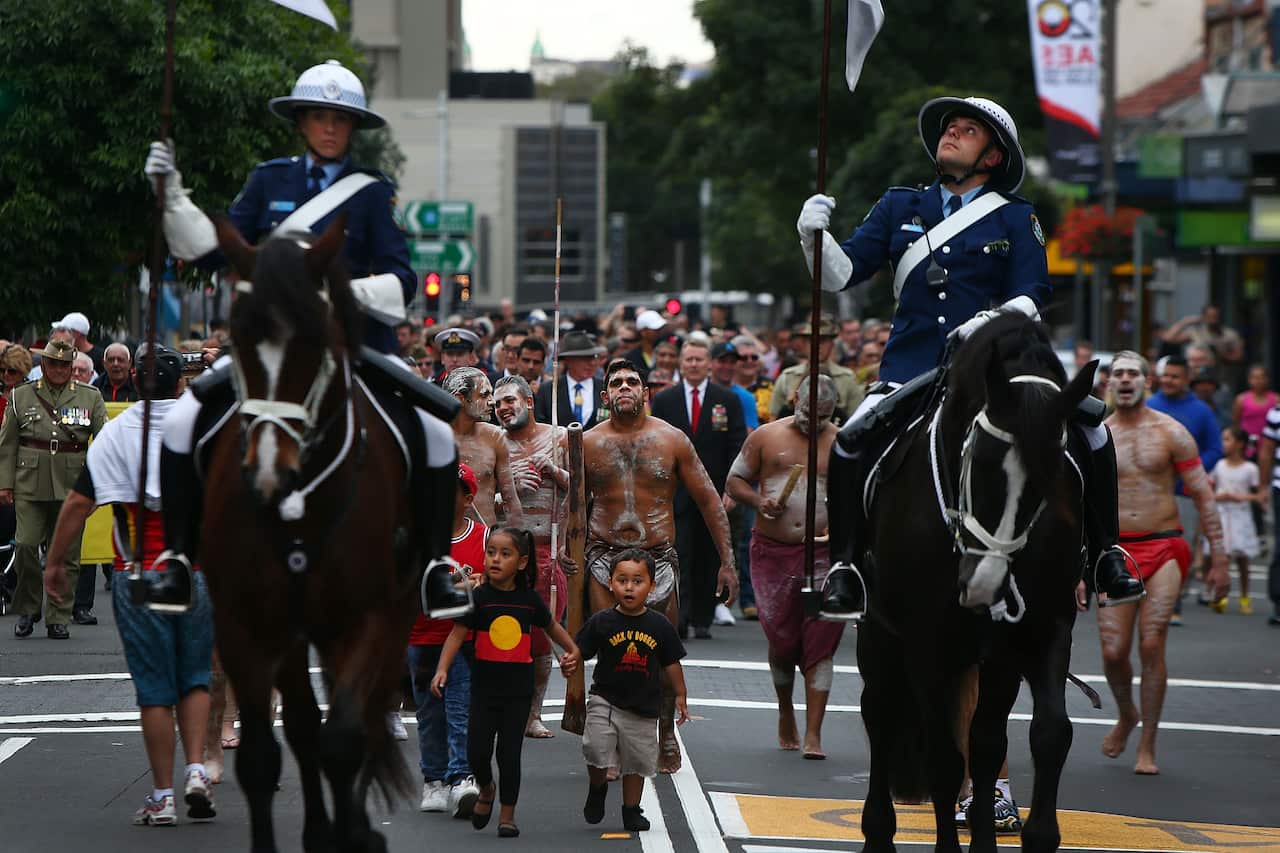
The annual ANZAC coloured diggers event in Sydney celebrates the contributions of Aboriginal and Torres Strait Islander servicemen and servicewomen. Credit: Lisa Maree Williams/Getty Images

آپ کو اس اینزیک ڈے پر ابوریجنل اور ٹوریس اسٹریٹ آئی لینڈر کی تاریخ کے بارے میں کیا جاننا چاہیے؟

اینزک ڈے کو سمجھنے کا مطلب ہے کہ ابوریجنل اور ٹوریس اسٹریٹ آئی لینڈر لوگوں کو درپیش خدمات اور چیلنجز دونوں کو تسلیم کیا جائے۔ 

"یہ آسٹریلیا کی مکمل اور مکمل تاریخ کے بارے میں ہے اور یہ آج کیسا ہے،" مائیکل بیل کہتے ہیں، "نہ کہ اس ان دیکھے ہوئے ملک کے بارے میں جو ہم پچھلے سالوں میں رہے ہیں۔ اور پہلی جنگ عظیم کے لوگوں کے لیے، جنہیں اپنی وراثت چھپانی پڑتی ہے، ہم چاہتے ہیں کہ ہم انہیں ترغیب دیں، کہ وہ آسٹریلیا کی مکمل تاریخ کو جیسا ہے ویسا دیکھیں، نہ کہ جیسا کہ پچھلے نظاموں نے لکھی تھی جنہوں نے ہماری شناخت کو مسترد کیا۔

" اینزیک ڈے ان لوگوں کو یاد کرنے کا وقت ہے جنہوں نے جنگوں اور تنازعات میں خدمات انجام دیں اور بہت سے آسٹریلویوں کے لیے یہ تاریخ کو خراج تحسین پیش کرنے کا موقع ہے۔ 

جیسے جیسے یہ کہانیاں زیادہ وسیع پیمانے پر شیئر ہوتی جا رہی ہیں، یہ آسٹریلیا کے ماضی اور حال کی مکمل تصویر پیش کرنے میں مدد دیتی ہیں۔ 

Subscribe to or follow the Australia Explained podcast for more valuable information and tips about settling into your new life in Australia.

Do you have any questions or topic ideas? Email australiaexplained@sbs.com.au
spk_0

SBS acknowledges the Traditional Custodians of Country and their connections and continuous care for the skies, lands and waterways across Australia.

spk_1

You're listening to Australia Explained, an SBS audio podcast helping you navigate life in Australia.

spk_2

Hello, I'm Lowanna Grant, executive producer of NITV Radio. I'll be your host for this special episode of the Australia Explained. ANZAC Day is one of Australia's most important national days. Each year people gather to remember those who served in wars, conflicts, and peacekeeping missions. But understanding ANZAC Day can take time, especially if you're new in Australia.

spk_2

Whose stories are we remembering and are there stories we don't always hear? In this episode, we explore an important part of Australia's history that has often been overlooked, the service of Aboriginal and Torres Strait Islander peoples.

spk_2

Many Aboriginal and Torres Strait Islander people served in Australia's armed forces, including during the 1st and 2nd World Wars, often alongside non-Indigenous Australians, even when they were officially barred from enlisting. Today there is a growing effort to ensure these stories are recognised and remembered. Ngunnawal/Gomeroi man Michael Bell is part of that work as Indigenous liaison officer at the Australian War Memorial.

spk_2

He helps identify and recognise the service and sacrifice of Aboriginal and Torres Strait Islander peoples, both those who served in uniform and those who supported the war effort on home soil. Through this work, a clearer picture is beginning to emerge.

spk_3

We currently have just over 1200 Aboriginal men enlisted or attempted to enlist in the First World War, and approximately we're estimating it's going to be about 6500 men in

spk_3

the Second World War. It's an ongoing project and the numbers change weekly as we identify and add and include men on our list.

spk_2

These numbers continue to grow as more records are uncovered, but one question often asked is how do these figures compare to non-Indigenous Australians?

spk_3

We've statistically viewed the numbers of Aboriginal attestations compared to known populations, and the rates of enlistments or attestations

spk_3

are the same to their non-Indigenous brothers and sisters.

spk_2

In other words, despite facing significant barriers, Aboriginal people enlisted at similar rates to non-Indigenous Australians. So what were those barriers? Michael Bell explains that restrictions existed at multiple levels. Aboriginal people faced limits on their movement across the country. They were not recognised as full Australian citizens and in some cases, not even recognised as people under the law.

spk_2

And military policies often excluded those without European heritage. Together these created major obstacles for those wanting to serve. But even with these restrictions, many people went to extraordinary lengths to enlist.

spk_3

Oh, we have an Aboriginal man that's walked from Queensland all the way down to Albury, and on his way, he's tried to enlist 5 times, ultimately to get in and unfortunately didn't get to serve because he passed away of illness on the ship

spk_3

on the way over to the battlefield, so it's the dedication and re-enlistment of our men where they've been rejected for being Aboriginal, but go back and try again.

spk_2

Stories like this show determination, resilience, and a strong desire to serve country even when that country did not offer equal rights. But what happened after these servicemen returned home? For many Aboriginal veterans, the end of the war did not mean equality.

spk_2

They returned to a society where discrimination and restrictive laws were still part of everyday life.

spk_3

Our men were fighting for rights in a foreign war that they weren't entitled to in their home countries.

spk_3

And to come home to a desperately unequal society and to go back into segregation, the lack of legal acknowledgement, the restrictions on ownership of land, equal wages, the restriction of managing our children, the Stolen Generations were in full swing.

spk_2

Some Aboriginal veterans were able to access benefits, but many did not, with broader social and political restrictions limiting support.

spk_2

Even connecting with other veterans could be difficult. Returned soldiers were often encouraged to join RSL clubs, community organisations that support veterans and organise events like ANZAC Day ceremonies. But many of these clubs were licenced venues, meaning alcohol was served.

spk_2

Because Aboriginal people were often restricted from entering these spaces, they were effectively excluded from both support and connection. Today, there is growing recognition of this history.

spk_2

In recent decades, the Australian War Memorial has taken a more active role in uncovering and sharing Aboriginal and Torres Strait Islander service. Mr Bell explains.

spk_3

Our stories are shared equally and proportionately throughout all of our galleries. We have Indigenous content in all the services, all of the galleries, all of the stories, all of our representations. There is no Black corner at the Australian War Memorial. What we do is tell the story equally throughout.

spk_3

The veterans have asked us to do in the uniform, they could only see themselves as the colour of their service, such as the green, the blue, or the grey for army, air force, and navy.

spk_2

This approach reflects how many Aboriginal servicemen saw themselves as soldiers first, serving alongside others. At the same time, long hidden stories are now being rediscovered and shared with families and communities.

spk_3

On the occasion where we have the only known

spk_3

of an Aboriginal man in our collection and the family haven't seen it or didn't know what their great grandfather or great uncle looked like, we can provide that to them on behalf of recognition of his service and recognition of his contribution, and that's really, really touching and special for me to be able to share that with the families and know that that knowledge and information is held in an institution where we're positively trying to include the previously or lesser known story about Aboriginal and Torres Strait Islander service.

spk_2

For families, these moments can be powerful, helping to reconnect with history, identity, and loved ones. So this ANZAC Day, what should you, especially if you're new to Australia, keep in mind?

spk_3

It's about the full and total history of Australia and how it is today, not the unseen nation that we have been in previous years and for the First World War guys, you know, having to hide their heritage, where we want to be able to encourage them

spk_3

to see the full history of Australia as it is, not as it was written by previous systems that excluded our acknowledgement.

spk_2

ANZAC Day is a time to remember those who served in wars and conflicts, and for many Australians, it's a moment to come together to honour history. Understanding ANZAC Day means understanding the full story of Australia.

spk_2

That includes recognising both the contributions and the challenges faced by Aboriginal and Torres Strait Islander peoples. As these stories become more widely shared, they help paint a fuller picture of Australia's past and its present.

spk_2

Thank you for listening to this episode of Australia Explained. The interview was conducted by Rachael Knowles, sound edit by Melissa Compagnoni, and the Australia Explained managing editor is Roza Germian, and I'm Lowanna Grant. Until next time.

spk_1

This was an SBS audio podcast. For more Australia Explained stories, visit SBS.com.au/Australiaexplained.

spk_4

Subscribe or follow the Australia Explained podcast for more valuable information and tips about settling into your new life in Australia. Do you have any questions or topic ideas? Send us an email to australiaexplained@sbs.com.au.

END OF TRANSCRIPT

شئیر

Follow SBS Urdu

Download our apps

Watch on SBS

Urdu News

Watch now