سامان پیک کرنے سے پہلے سوچیں: آسٹریلیا کے کسٹمز اور بایوسکیورٹی قوانین

Woman and suitcase for travel summertime vacation packing clothing. relax and getaway preparation

You should always pack your own bags when preparing to travel. Source: iStockphoto / Natee Meepian/Getty Images

آسٹریلیا میں داخل ہونے والوں کے لیے کسٹمز عام طور پر سب سے پہلا رابطہ ہوتا ہے۔ ہمارے بارڈر فورس افسران وہاں موجود ہوتے ہیں۔ وہ یہ یقینی بناتے ہیں کہ آپ لوگ ممنوعہ سامان نہ لائیں جو آسٹریلیا کے منفرد ماحول، معیشت اور کمیونٹیز کو نقصان پہنچا سکتا ہے۔ اپنے سوٹ کیس کو بند کرنے سے پہلے یہ جان لیں کہ کس چیز کو آسٹریلیا کی سرحد پار کرنئ کی اجازت ہے اور کس چیز کو نہیں ، اور اگر حیاتیاتی حفاظتی قوانین کو نظرانداز کیا گیا تو کیا خطرہ ہو سکتا ہے۔


Key Points
  • ہمارے منفرد ماحول اور معیشت کی حفاظت کے لیے سرحدی کنٹرول کے اقدامات موجود ہیں۔
  • ہر مسافر کو ایک انکمنگ پیسنجر کارڈ مکمل کرنا چاہیے۔ یہ ایک قانونی دستاویز ہے۔
  • غذا اور پودوں کی اشیاء زیادہ خطرے والی ہیں اور انہیں لازمی طور پر ظاہر کیا جانا چاہیے۔
  • اشیاء کو چھپانے سے جرمانہ اور قید کی سزا ہو سکتی ہے۔
  • اگر آپ کو شک ہے کہ کسی چیز کو آسٹریلیا لانے پر پابندی ہے، تو اسے ظاہر کریں۔

آسٹریلیا میں بائیو سیکیورٹی اتنا سنجیدہ معاملہ کیوں ہے؟

آسٹریلیا کے بائیو سیکیورٹی قوانین کو دنیا کےکچھ سخت ترین قوانین میں شمار کیا جاتا ہے، اور اس کی وجہ بھی اچھی ہے۔

کھانے اور پودوں کی اشیاء کی ایک لمبی فہرست ہے جنہیں آسٹریلیا میں لانے کی اجازت نہیں ہے کیونکہ وہ کیڑوں اور بیماریوں کو متعارف کروا سکتے ہیں جنہیں ہم اپنی زمین اور غذائی اجزا سے دور رکھنے میں کامیاب ہوئے ہیں

"اس عظیم بڑے جزیرے پر ہماری حیاتیاتی حفاظت کی حیثیت ہماری تجارت، ہماری کمیونٹی کے آرام، ہماری زرعی پیداواری صلاحیت اور ہمارے خوبصورت ماحول اور ہماری ناقابل یقین مقامی انواع کے لیے بالکل ضروری ہے۔ ہم اسی کی حفاظت کرنے کی کوشش کر رہے ہیں،" وکی فشر کہتے ہیں۔ وہ محکمہ زراعت، ماہی گیری اور جنگلات کے ساتھ ٹریولر پالیسی اور آپریشنز کی اسسٹنٹ سکریٹری ہیں۔

زراعت پورے ملک میں ہزاروں لوگوں کی روزی روٹی کو فروغ دیتی ہے۔ بائیو سیکیورٹی کے سخت قوانین اس بات کو بھی یقینی بناتے ہیں کہ آسٹریلیا بین الاقوامی سطح پر کیڑوں اور بیماریوں سے پاک تجارت کر سکتا ہے۔
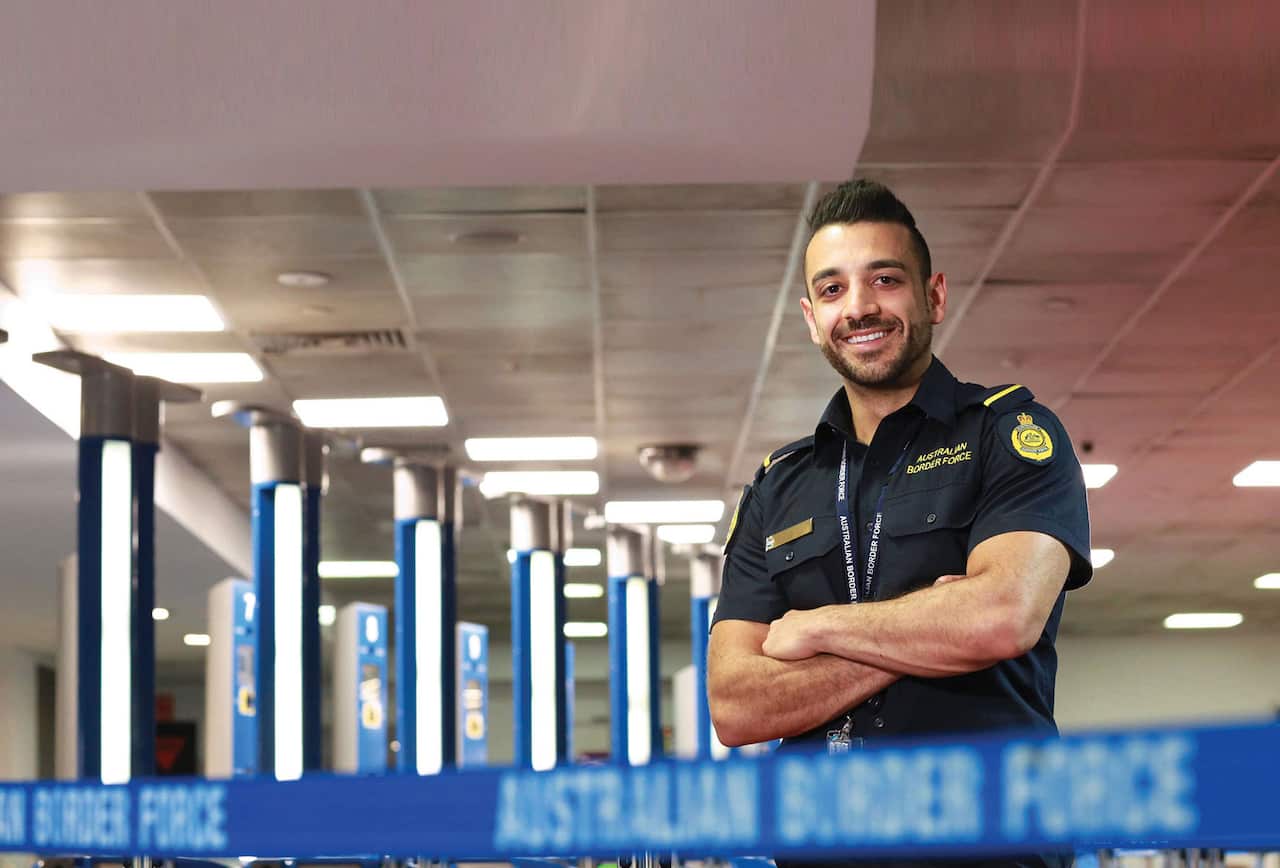
Australian Border Force Officer_ABF.jpg
Australian Border Force Officers will be one of your first points of contact when entering the country. Credit: ABF

ان کمنگ مسافر کا کارڈ کیا ہے؟

جب آپ لوگ جہاز یا بحری جہاز سے آسٹریلیا میں داخل ہوتے ہیں، تو وہاں آپ کوان کمنگ مسافر کا کارڈ (آئی پی سی) دیا جاتا ہے جسے آپ کو جہاز پر یا کسٹمز پر پہنچنے سے پہلے پر کرنا ہوتا ہے۔ 

کارڈ پر موجود تمام سوالات کے جواب دینے سے، آپ لوگ آسٹریلین بارڈر فورس (اے بی ایف) کے آفیسروں کو کسی بھی ممکنہ ممنوعہ اشیا کے بارے میں آگاہ کر رہے ہوتے ہیں جو کہ آپ کے پاس ہو سکتی ہیں، چاہے آپ کو اس کا علم نہ ہو۔

وکی فشر تنبیہ کرتے ہیں: "وہ زرد کارڈ، یعنی آئی پی سی، قانونی دستاویز ہے۔ "آپ لوگ اُس قانونی دستاویز پر اقرار کر رہے ہیں کہ آیا آپ کے پاس کوئی کھانے کی اشیا، پودوں کی مصنوعات ، جانوروں کی مصنوعات، یا شاید آپ کے جوتوں پر مٹی وغیرہ موجود ہے یا نہیں۔"

تمام کھانے، نباتاتی مواد، حیوانی مصنوعات جو بظاہر بے ضرر نظر آ سکتی ہیں، (ان کا) اعلان کرنا لازمی ہیں۔
وکی فشر

کسی شے کے اعلان کا خود بخود مطلب یہ نہیں ہے کہ اسے ضبط کر لیا جائے گا۔ بہت سے معاملات میں، افسران صرف خطرے کا اندازہ لگاتے ہیں اور محفوظ اشیاء کی اجازت دیتے ہیں۔ 

کچھ کھانوں جیسے چاکلیٹ یا پروسیس شدہ لولیز میں بائیو سیکیورٹی کا کوئی خطرہ نہیں ہوتا ہے، لیکن اگر آپ کو یقین نہیں ہے تو اس کا اعلان کریں۔

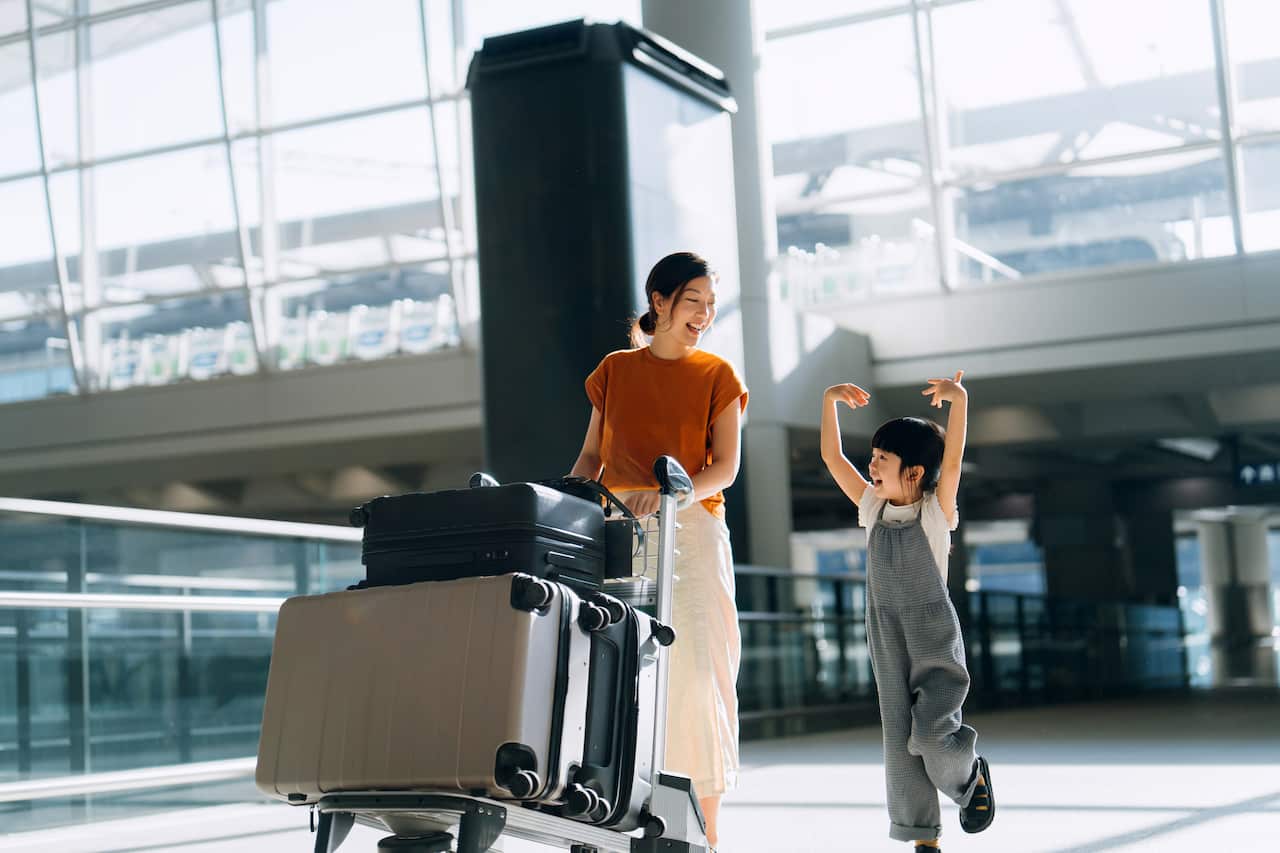
یہ بہت ضروری ہے کہ آپ کو معلوم ہو کہ آپ کے سامان میں کیا بھرا ہوا ہے، تجربہ کار مسافر ایلینی ماؤٹسیلو نے خبردار کیا۔
Australia Explained—Border Control
It’s vital that you know exactly what’s packed in your own luggage. Source: Moment RF / d3sign/Getty Images

کسٹم سے گزرتے وقت، آسٹریلین بارڈر فورس افسران نے ان کے تھیلوں میں زیادہ خطرہ والے گوشت اور دودھ کی مصنوعات دریافت کیں۔

"وہ بہت ناراض تھے، اور میں یقیناً گھبرا گیا تھا۔ لیکن ، میری والدہ نے آخری لمحات میں وہ چیزیں میرے سوٹ کیس میں میرے علم میں لائے بغیر رکھ دی تھیں، اور میں نے انھیں یہ بتایا۔ انھوں نے کہا، 'کیا آپ جانتے ہیں کہ آپ کو اس کے لیے جرمانہ یا جیل جانا پڑ سکتا ہے؟"

اگر مجھے کارڈ بھرنے میں مدد کی ضرورت ہو تو کیا ہوگا؟

اے بی ایف کے قائم مقام سپرنٹنڈنٹ نیل سنگھ کا کہنا ہے کہ اگر آپ کو کارڈ کو سمجھنے میں مشکل پیش آتی ہے، تو اے بی ایف کے افسران امیگریشن لائن پر پہنچنے کے بعد مدد کے لیے موجود ہیں۔

بین الاقوامی مسافر کارڈ 48 مختلف زبانوں میں دستیاب ہوتا ہے تاکہ ہم آسٹریلیا پہنچنے والے مختلف ممالک کے لوگوں کی ضروریات پوری کر سکیں۔
نیل سنگھ
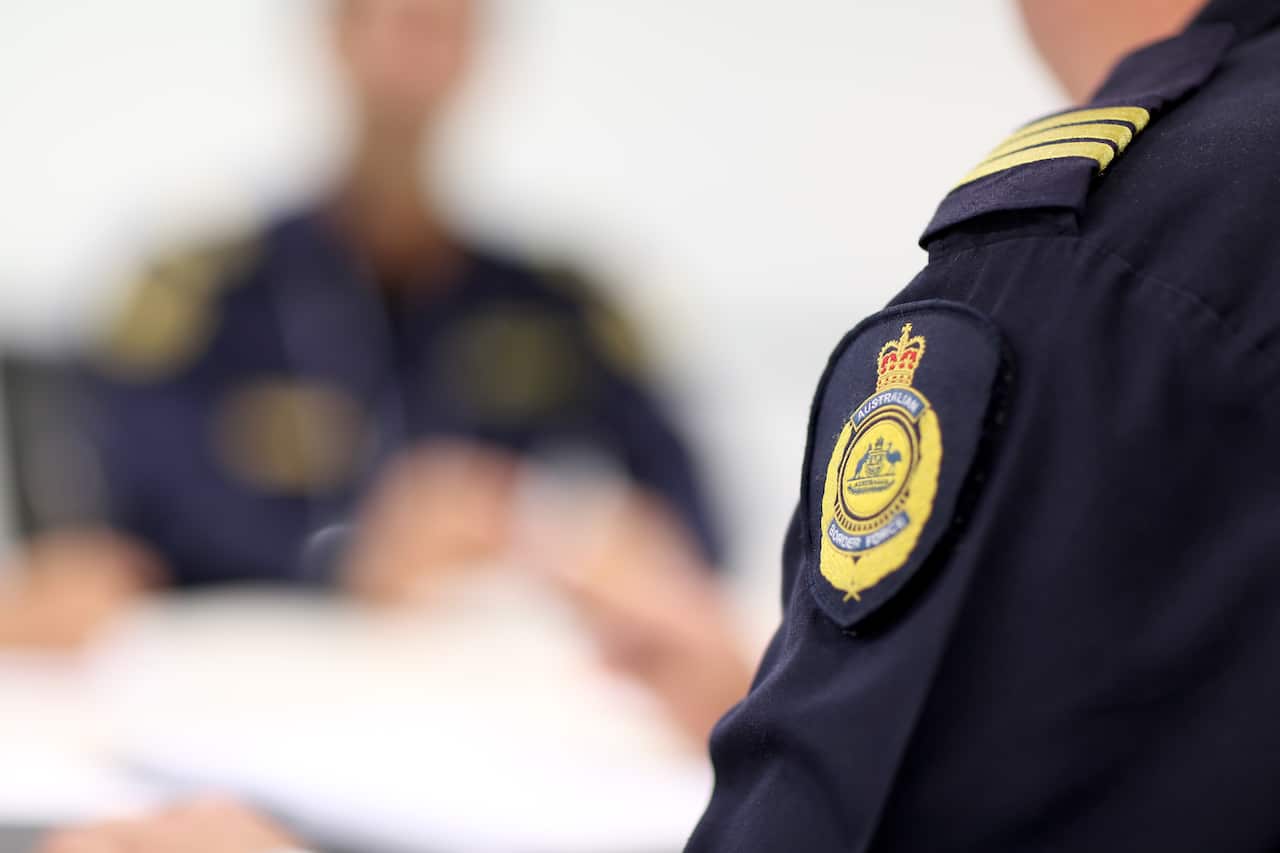
ABF badge_Credit ABF.jpg
Australian Border Control Officers are available to help you complete you Incoming Passenger Card. Credit: ABF

کچھ دیگر ممنوعہ اشیاء کیا ہیں؟

 ایسی اشیاء لانا جو سیکیورٹی خطرات پیدا کرتی ہیں جیسے ہتھیار، غیر قانونی منشیات اور خطرناک مواد، اور یہاں تک کہ تیز دھار چیزوں کو بھی سختی سے ضابطہ بند کیا گیا ہے۔ ہر چیز کو ظاہر کرنا ضروری ہے۔ اشیاء چھپانے کے سنگین نتائج ہو سکتے ہیں، مسٹر سنگھ خبردار کرتے ہیں۔

"عام طور پر اگر آپ نے جان بوجھ کر کوئی غلط کام نہیں کیا تو وہ چیز آپ سے ضبط کر لی جائے گی۔ لیکن اگر آپ نے اسے ہم سے چھپانے کا ارادہ کیا تو ظاہر ہے کہ اس کے مزید نتائج ہوں گے جس میں ضبطگی، خلاف ورزی نوٹس سے لے کر قید تک ہو سکتے ہیں۔"
Bird Flu Quarantine Prevention Measures
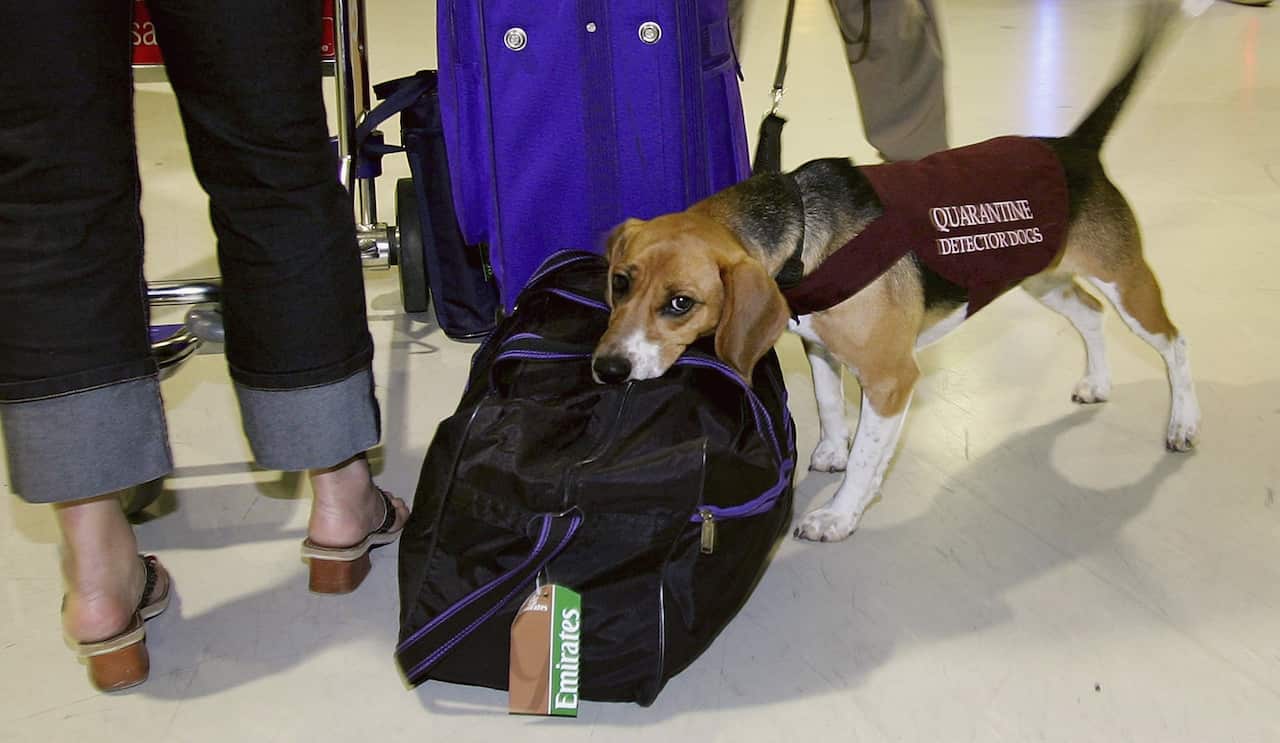
Quarantine detection dog Willa inspects passenger's baggage at Sydney International Airport. Australia currently has one of the strictest quarantine policies in the world. (Photo by Ian Waldie/Getty Images) Credit: Ian Waldie/Getty Images

اگر میں ممنوعہ اشیاء کو ظاہر کرنے میں ناکام رہوں تو کیا ہوگا؟

ممنوعہ اشیاء کی فہرست طویل ہے اس لیے اگر آپ کو یقین نہیں ہے تو اسے ظاہر کریں۔ بعض اوقات آپ جو سوچتے ہیں کہ لانا محفوظ ہے وہ درحقیقت سب سے بڑے جرمانے کا باعث بن سکتا ہے۔

کسی بھی چیز کا اعلان کرنا جس کے بارے میں آپ کو یقین نہیں ہے بائیوسیکیوریٹی آفیسرز کو خطرات کا اندازہ لگانے اور نقصان دہ جانداروں کے خطرے کو روکنے میں مدد دیتا ہے۔

وہ وقت جب آپ پر جرمانہ عائد کیا جاتا ہے جب آپ آنے والے مسافر کارڈ پر درست اشیاء ظاہر کرنے میں ناکام رہتے ہیں، محترمہ فشر نے خبردار کیا۔

"اگر آپ کہتے ہیں، 'میرے پاس کھانے کی کوئی مصنوعات نہیں ہیں، میرے پاس کوئی پودوں کی مصنوعات نہیں ہیں، میرے پاس کوئی جانوروں کی مصنوعات نہیں ہیں'، پھر اگر آپ کے بیگ کی جانچ پڑتال کی جاتی ہے یا کتا آپ کے بیگ کو چیک کرتا ہے اور ہمیں معلوم ہوتا ہے کہ آپ کے بیگ میں حقیقت میں مواد موجود ہے، تو یہ تب ہوتا ہے جب لوگوں پر جرمانہ عائد کیا جاتا ہے۔ یہ تب ہی ہوتا ہے جب وہ اعلان نہیں کرتے ہیں۔"
ABF signage_Credit ABF.JPG
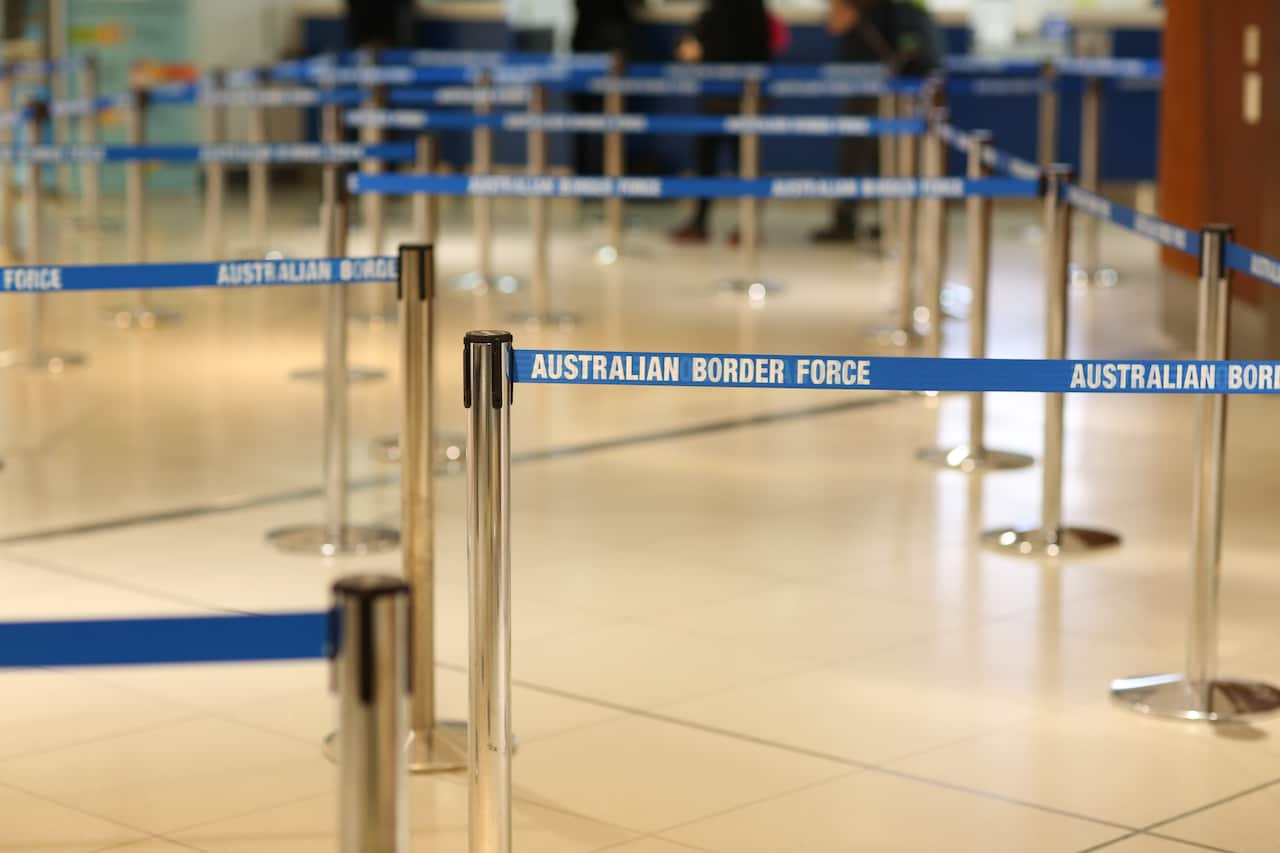
Airport customs is your chance to declare any goods that you're unsure about. Credit: ABF

کچھ عام اشیاء کون سی ہیں جنہیں ظاہر کرنا ضروری ہوتا ہے؟

ادویات

عام ادویات جیسے کہ اسپرین اور پیراسیٹامول کی اجازت ہے، لیکن زیادہ تر دوائیں ظاہر کرنا چاہیے - یہاں تک کہ اگر وہ اوور دی کاؤنٹر یعنی ڈاکٹر کے نسخے لے بغیر بھی جاری کی گئی ہیں۔ 

محترمہ ماؤسلاؤ کہتی ہیں، "میں ہمیشہ اپنی تمام ادویات ظاہر کرتی ہوں، سب کچھ۔ میرے جنرل پریکٹیشنر نے ایک خط لکھا ہوا ہے کہ مجھے ان ادویات کی کیوں ضرورت ہے، تاکہ میں اسے پیش کرسکوں اگر انہیں ضرورت پڑے، لیکن جب میں تمام ادویات دکھاتی ہوں، تو وہ سمجھ جاتے ہیں۔"

اگر آپ اپنے ساتھ ڈاکٹر کا سرٹیفکیٹ لے جا سکتے ہیں، تو یہ چیزوں کو آسان بناتا ہے لیکن یہ لازمی نہیں ہے۔

نیل سنگھ کہتے ہیں، "ذاتی ادویات آسٹریلیا لانے میں مسئلہ نہیں ہے جب تک کہ آپ دوا کو اس کے اصل پیکیجنگ میں رکھیں۔"

آپ تین ماہ تک کی دوا لا سکتے ہیں۔

کیش

نقد رقم کی کوئی حد نہیں ہے جو ہم قانونی طور پر آسٹریلیا میں لا سکتے ہیں، تاہم $10,000 سے زیادہ کی رقم کا اعلان اور رجسٹر ہونا ضروری ہے۔

شراب اور تمباکو

افراد کو 250 ملی لیٹر الکحل اور 25 سگریٹ، یا 25 گرام تمباکو کی اجازت ہے۔ اس میں کوئی بھی ڈیوٹی فری شامل ہے جسے آپ راستے میں خریدتے ہیں۔

تحفے

اصول ان تحائف پر بھی لاگو ہوتے ہیں جو ہم آسٹریلیا میں لاتے ہیں۔

نیل سنگھ کہتے ہیں، ’’ہم واضح طور پر چاہتے ہیں کہ آپ خاندان یا دوستوں کے لیے تحائف واپس لائیں‘‘۔ "اور اس کے ساتھ آپ کے پاس $900 تک کی حد ہے۔

"اور لوگوں کو جو یاد رکھنا چاہیے وہ ہے آپ کے لیے ذاتی اشیاء جیسے کپڑے، جوتے وغیرہ اس $900 کا حصہ نہیں ہیں۔ اگر یہ $900 سے زیادہ ہے تو آپ ڈیوٹی اور ٹیکس کے لیے ذمہ دار ہو سکتے ہیں۔"

ممنوعہ اشیا کی ایک جامع فہرست آن لائن دستیاب ہے: آسٹریلین بارڈر فورس

اگر آپ کو شک ہے تو اس کا اعلان کریں۔ ہوائی اڈے پر چند اضافی منٹ جرمانے سے بچنے اور آسٹریلیا کے ماحول، معیشت اور طرز زندگی کی حفاظت میں آپ کی مدد کر سکتے ہیں۔

Subscribe to or follow the Australia Explained podcast for more valuable information and tips about settling into your new life in Australia.

Do you have any questions or topic ideas? Email australiaexplained@sbs.com.au
spk_0

SBS acknowledges the Traditional Custodians of Country and their connections and continuous care for the skies, lands and waterways across Australia.

spk_1

You're listening to Australia Explained, an SBS audio podcast helping you navigate life in Australia.

spk_2

Customs is generally the first point of contact for people entering Australia.

spk_2

And Australian Border Force officers are ready at the gate focused on keeping prohibited goods out of the country.

spk_3

All food, plant material, animal products that might seem harmless must be declared.

spk_4

I always declare all my medicines, everything.

spk_2

This is Australia Explained. I'm your host, Melissa Compagnoni, and in this episode we look at how Australia's strong biosecurity measures protect our unique environment, economy, and communities. So before you zip up your suitcase, here's what you need to know about what can and can't cross the border and what's at stake if biosecurity rules are ignored.

spk_2

Australia's biosecurity laws are considered some of the strictest in the world, and for good reason. As an island nation, Australia has been able to keep many pests and diseases at bay, but that protection depends on vigilance. There's a long list of food and plant items that are not permitted into Australia as they could introduce pests and disease that we have managed to keep out.

spk_2

Vikki Fischer is assistant secretary of traveller policy and operations with the Department of Agriculture, Fisheries and Forestry.

spk_3

Our biosecurity status on this great big island is absolutely essential for our trade, for our community comfort, for our agricultural productivity, and for our beautiful environment and our incredible native species.

spk_3

That is what we are trying to protect the economy and our community and our way of life and our environment.

spk_2

Agriculture underpins thousands of livelihoods across the country. Strict biosecurity laws also ensure Australia can trade internationally, free from pests and disease. That's why when travelling to Australia by plane or cruise ship, passengers must complete an incoming passenger card.

spk_2

It's the card that we're given on the plane or as we enter the airport. By answering all the questions on the card, we're alerting the Australian Border Force, or ABF officers to any potentially prohibited goods that we might be carrying, even unknowingly.

spk_3

That yellow card, the IPC or the incoming passenger card, is a legal document. You are declaring

spk_3

on that legal document, whether or not you are carrying any sort of food items, for example, so any plant products, any animal products, any dirt on your boots, perhaps, all food, plant material, animal products that might seem harmless must be declared.

spk_2

What if you're carrying food? What if you have muddy shoes or have packed a large number of gifts for your family?

spk_2

If you're carrying anything listed on the card, it must be declared. Ms Fischer says.

spk_3

The declaration then means that you go and see a biosecurity officer who will be able to assess whether or not the goods are a biosecurity risk or whether they are OK to go through. So there are some things like chocolate or processed lollies which

spk_3

have got no biosecurity risk, but if you are not sure, you declare it.

spk_2

Declaring an item does not automatically mean it will be confiscated. In many cases, officers simply assess the risk and allow safe items through. Even if you find it difficult to understand the card, help is available to ensure you declare everything.

spk_2

ABF Acting Superintendent Neil Singh says the biosecurity officers have you covered.

spk_5

The international passenger card comes in 48 different languages, so we can cater for people from all different countries that arrive into Australia, and the Australian Border Force officers are available once you arrive at the immigration line, and they can assist with your incoming passenger card.

spk_2

It's vital that you know exactly what's packed in your luggage, seasoned traveller Eleni Moutselou warns. When going through customs, ABF officers discovered high risk meats and dairy products in her bags. They were very

spk_4

annoyed and I was terrified, of course, but as it had happened, my mother

spk_4

had put those things in my suitcase at the last minute without my knowing, and I told them that. So they confiscated the goods and they let me go and warned me. They said, Do you know, you could be fined or go to prison for that?

spk_2

Ms Moutselou was lucky and that was her first and last warning.

spk_2

The prohibited items list is lengthy, so not everyone understands what is permitted and what must be declared when entering Australia. Mr Singh says if you're unsure, declare it, because sometimes what you think is safe to bring in can actually lead to the biggest penalties. Carrying items that pose security risks such as weapons,

spk_2

illicit drugs and hazardous materials and even sharp objects is highly regulated. Everything must be declared.

spk_5

But if it is something that's brought in such as a slingshot and you weren't aware that it is a prohibited item unless it's concealed and hidden, once we go through an interview process, we'll work out different penalties. Usually if you haven't deliberately

spk_5

done something wrong, then the item will just be seized off you. But if you have deliberately intended to hide it from us, then obviously there'll be further consequences which can lead anywhere from seizure, infringement notices up into jail time.

spk_2

Declaring anything you're unsure about allows biosecurity officers to assess the risks and prevent the threat of invasive species.

spk_2

The times when you're fined are when you fail to make a truthful declaration on the incoming passenger card, Ms Fischer warns.

spk_3

So if you turn up and you say, I've got no food products in my bag, but the biosecurity officer asks you, Are you sure? And if you say, you know, I've got no

spk_3

food products, I've got no plant products, I've got no animal products, then if your bag is screened or the dog checks your bag over and we find that you do actually have material in your bag, that is when people are fined. It's only when they don't declare.

spk_2

In other words, the penalty is not for carrying an item, it's for failing to declare it.

spk_2

Common medicines such as aspirin and paracetamol are permitted, but most other pharmaceuticals should be declared, even if they're issued over the counter. Ms Moutselou again.

spk_4

I always declare all my medicines, everything. My GP has written a letter about why I need those medications, so I can present it if they need it, but once I produce all the medicines, they're very understanding.

spk_2

And if you can carry a doctor's certificate with you, that makes it easier, but it's not mandatory, Mr Singh adds.

spk_5

Personal medications aren't an issue coming into Australia as long as you keep the medication in its original packaging and you're allowed to carry up to 3 months' worth of medication with you at a time.

spk_2

A common misconception is the amount of cash we can lawfully bring into Australia. There's actually no limit. However, any funds above $10,000 must be declared. You'll then go through a simple registration process. Alcohol and tobacco are restricted to 250 millilitres of alcohol and 25

spk_2

cigarettes or 25 grams of tobacco per person. This includes any duty free that you might purchase on the way in. Mr Singh adds that rules also apply to the value of gifts you bring into Australia.

spk_5

You can bring in gifts and souvenirs. We don't want you to stop doing that. We obviously want you to bring presents back to the family or friends when you're visiting.

spk_5

And with that, you have a limit up to $900 and what people should remember is personal items for yourself such as clothing, shoes, and so forth aren't part of that $900. If it is more than $900 you could be liable for duty and taxes.

spk_2

A comprehensive list of prohibited goods is available on the Australian Border Force website. If you're in doubt, declare it. A few extra minutes at the airport can help you avoid penalties and protect Australia's environment, economy and way of life.

spk_2

Thanks for listening to this episode of Australia Explained, written and produced by me, Melissa Compagnoni, in collaboration with Sushen Desai. Australia Explained managing editor is Roza Germian.

spk_1

This was an SBS audio podcast. For more Australia Explained stories, visit SBS.com.au/Australiaexplained.

spk_6

Subscribe or follow the Australia Explained podcast for more valuable information and tips about settling into your new life in Australia. Do you have any questions or topic ideas? Send us an email to australiaexplained at SBS.com.au.

END OF TRANSCRIPT

شئیر

Follow SBS Urdu

Download our apps

Watch on SBS

Urdu News

Watch now