IN BRIEF
- Angus Taylor said he supports "a version" of multiculturalism in line with Australia's "core values".
- The Opposition leader has faced pressure to respond to Pauline Hanson's vision of an Australian "monoculture".
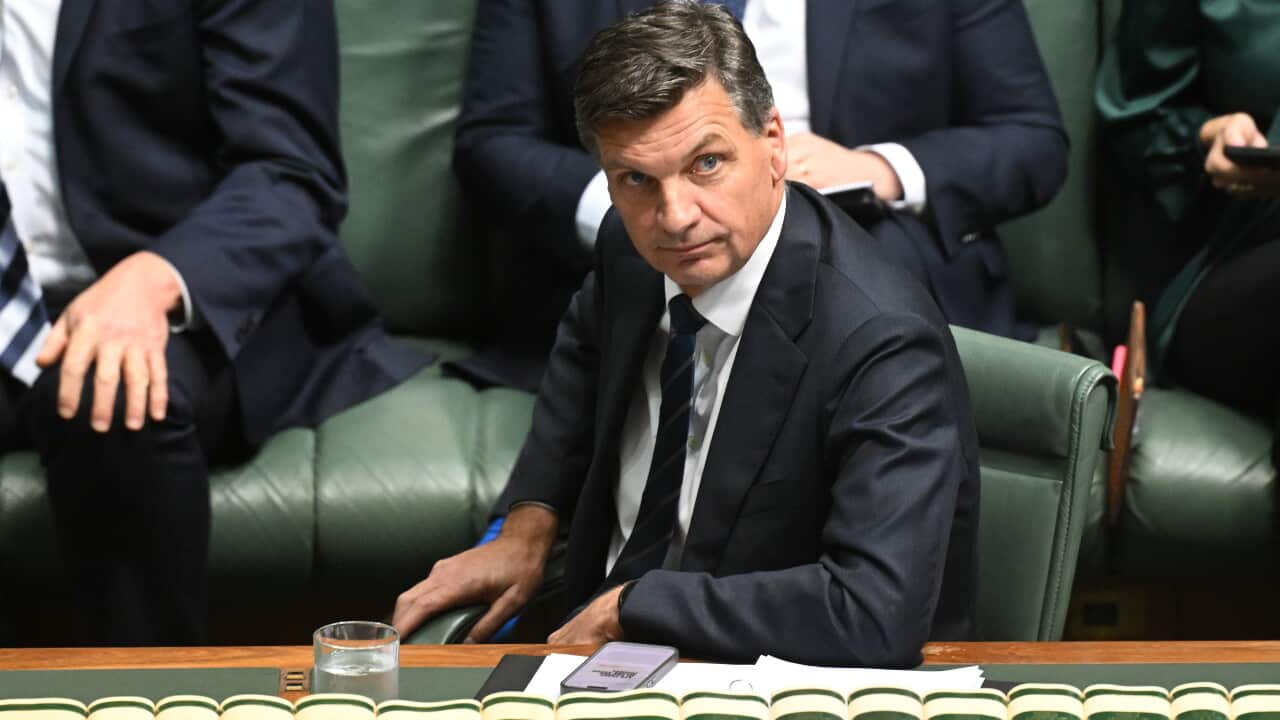
Angus Taylor has responded to mounting pressure over his stance on multiculturalism — including from within his own party — after being repeatedly asked whether he rejects One Nation's push for a "monocultural" Australia.
The Opposition leader said he stands by "a version" of multiculturalism that aligns with what he has called Australia's "core values".
He separately pointed to Japan as having a "monoculture" he wouldn't want to replicate.
"We should have a common set of values we all agree on. I mean, we need every Australian to believe in our system of law, to believe in our basic freedoms … our parliamentary democracy," Taylor told Sydney's 2GB radio station on Thursday.
In a separate interview with Channel Nine's Today Show, Taylor said he was unclear on what a monoculture looked like.
News that makes sense
Your trusted source for staying up-to-date with the world around you. Get free daily news updates and analysis, straight to your inbox.
"I don't know what monoculture means. I hear, in the last day or so, it's something like looking like Japan. I don't want Australia to look like Japan. I want Australia to look like Australia."
His comments come after One Nation leader Pauline Hanson delivered her first National Press Club address last week. During the speech, Hanson outlined her vision for a "monocultural" society where "Australians must live under the one cultural umbrella".
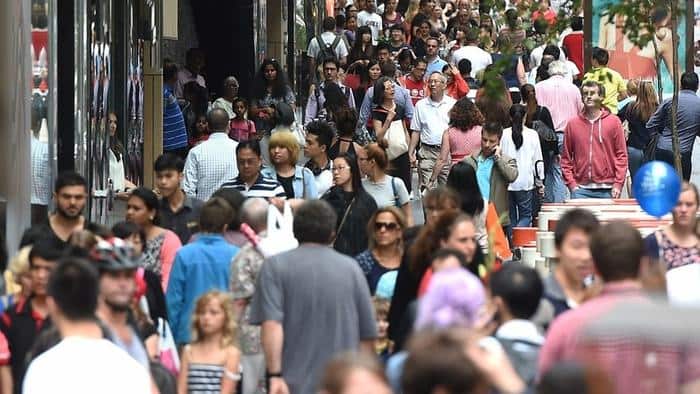
Some experts have told SBS News that there's "never been a monoculture in Australia".
Hanson has also praised Japan as a monocultural or largely ethnically homogenous society this week. The country is becoming increasingly multicultural due to labour shortages, an ageing population and low birthrates, according to recent research.
Prime Minister Anthony Albanese has dismissed the idea of a monocultural Australia as "nonsense". However, Taylor's stance has been less clear.
'Core Australian values'
In a press conference on Tuesday, Taylor was asked whether Australia should be a monoculture.
"I have been very clear what we have committed to," he said.
A journalist pressed further, claiming that Taylor had "dodged four questions in a row" about multiculturalism. The Opposition leader responded:
"I have answered that question four times.
"We can have people from all over the world of all races and religions in this country, but they must share those core values. I don't know how much simpler it can be than that."
On Wednesday, Liberal backbencher Andrew McLachlan called on his leader to, "embrace the reality of modern Australia".
Albanese taunted Taylor over the exchange with reporters during Question Time that day.
"My job isn't to give advice to this bloke, but my advice is how about you stand up to One Nation on something?" Albanese said.
Home Affairs Minister Tony Burke also commented on Taylor's stance on multiculturalism.
"To talk about multicultural Australia is to just talk about modern Australia," Burke told ABC Radio on Thursday.
"I find it really odd — I saw Angus Taylor unable to answer the question. Like, it's a really simple question: I love Australia ... for who we are and for who we've always been."
Coalition's migration plan
In April, the Coalition unveiled what it called an "Australian values migration plan". While it hasn't committed to a fixed cap on migration, it has hinted at cutting annual net overseas immigration to under 200,000.
The plan, which positions migration as a central pressure on housing, infrastructure and social cohesion, was quickly criticised by Labor and the Greens as a "desperate" and "divisive" reaction to rising One Nation support.
The government is aiming for net overseas migration of 225,000 people a year over the next three years.
A RedBridge/Accent survey published in late May suggested that One Nation has overtaken Labor as Australia's most popular political party. It found that One Nation surged to 31 per cent of the primary vote, ahead of Labor at 28 per cent.
Experts have suggested to SBS News that the result may be explained by an interplay of education, trust and difficulty explaining complex reforms.
For the latest from SBS News, download our app and subscribe to our newsletter.







