IN BRIEF
- Defence spending as a proportion of GDP will reach about 3 per cent by 2033.
- Defence Minister Richard Marles has warned we may be "at the foothills of a new nuclear arms race".
Australia is set to spend the largest amount on defence outside of wartime as the military's strategy for the coming years is released.
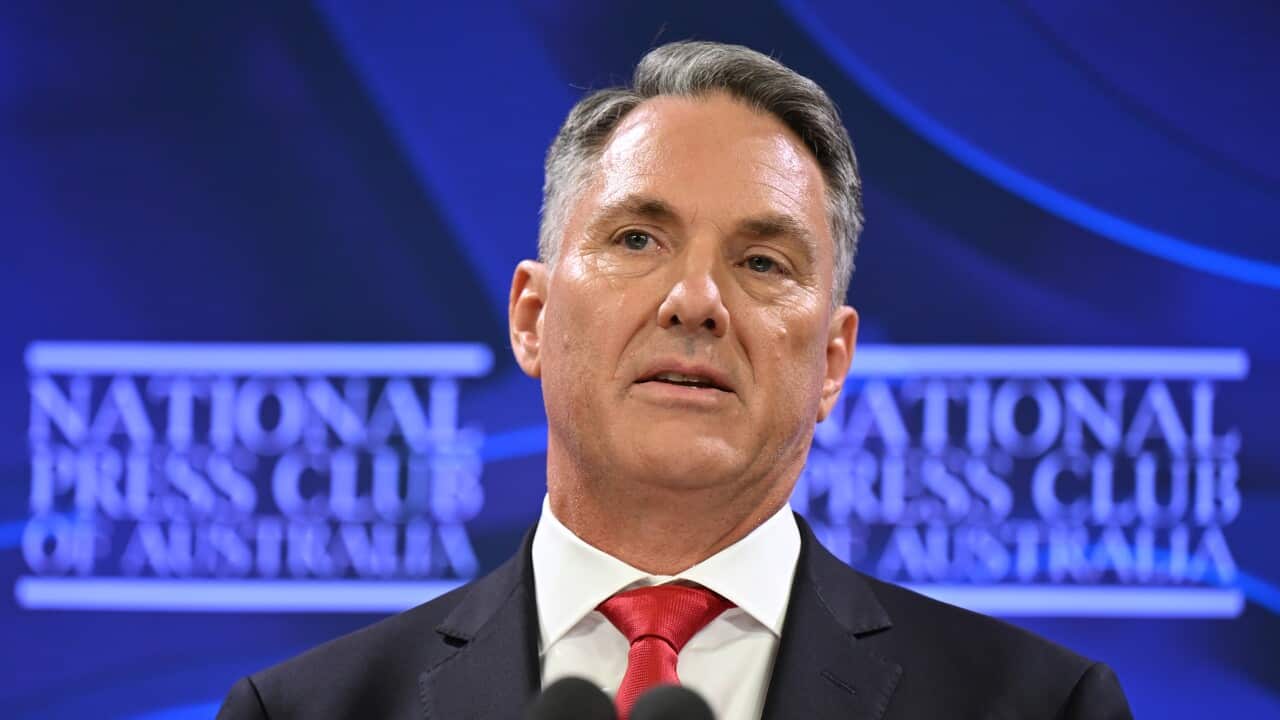
Defence Minister Richard Marles has handed down the 2026 national defence strategy, which lays out the path forward for Australia's armed forces and projects it will pursue over the next two years.
In a speech at the National Press Club in Canberra, Marles said an extra $14 billion will be spent on defence in the next four years, compared with estimates laid out in the previous strategy from 2024.
An additional $53 billion will be set aside for defence over the next decade.
The figures mean Australia's total defence spending will rise to three per cent of GDP by 2033.
News that makes sense
Your trusted source for staying up-to-date with the world around you. Get free daily news updates and analysis, straight to your inbox.
The federal government previously announced it would aim to reach 2.3 per cent by the 2033 deadline.
Australia has been facing calls from the US to lift its defence spend to 3.5 per cent as the Trump administration pushes allied countries to do more with their militaries.
'Foothills of a new nuclear arms race'
Marles said the increased military spending was necessary, given the shift in the global environment and what he warned could be the beginning of a new nuclear arms race.
"The Cold War era of nuclear arms control, put in place to limit the risk of catastrophic nuclear confrontation, ended this year with the expiry of the last remaining agreement limiting the number of strategic nuclear warheads deployed by Russia and the United States — the countries with the two largest stockpiles," Marles said.
"All nuclear weapon states are growing their arsenals once more, with the biggest growth occurring in China.
"Absent new arms control efforts, we may be at the foothills of a new nuclear arms race."
Marles emphasised that the increase in spending was precautionary, and not because "some big conflict is inevitable — I don't think that's the case at all".
"We are in a much more contested environment and one we need to be ready for."
He said Australia faced: "its most complex and threatening strategic circumstances since the end of World War Two," as "International norms that once constrained the use of force and military coercion continue to erode."
"In the face of this, the Albanese government is pursuing every avenue of increasing defence capability quickly, mostly through bigger defence appropriations but also through accessing private capital.
"The result is that we are now seeing the biggest peacetime increase in defence spending in our nation's history."
He said the ongoing conflict in the Middle East had "greatly complicated" the strategic landscape.
"The world feels less safe, and we understand that," he said.
"What this conflict bears out, but Ukraine does as well, is that we live in a really interconnected world."
US still a 'fundamental' ally
Marles also laid out priority areas for the Australian Defence Force.
Already, billions of extra dollars have been earmarked for drones, given their successful use in Ukraine and the Middle East.
"Delivering this strategy is not only about investing more — it is about spending better," Marles said.
"It puts Australia on a path to strengthen our defence self-reliance. It reinforces the industrial and national foundations of defence, and it situates Australia firmly within a network of trusted regional and global partnerships."
He said that this self-reliance "should not be confused with military self‑sufficiency".
"Alliances, especially with the United States, will always be fundamental to Australia's defence," he said.
Opposition defence spokesperson James Paterson said the Coalition would "carefully review" the national defence strategy when it was released.
"But one thing is already clear, accounting tricks don't make Australians safer," he said.
"Counting money we've always spent on things like military pensions as defence spending is a desperate attempt by the Albanese government to pretend they are finally taking our strategic circumstances seriously when they are not.
"Australia needs real increases in actual defence spending today to put tangible capability into the hands of war fighters to protect our country. Anything less is an insult to our men and women in uniform and fails to heed the lessons of Ukraine and Iran."
— With additional reporting by the Australian Associated Press.
For the latest from SBS News, download our app and subscribe to our newsletter.







