IN BRIEF
- Sydney buyers have lost more borrowing capacity this year than they've gained from falling home prices.
- The government says housing reforms may cause short-term pain but improve access to home ownership.
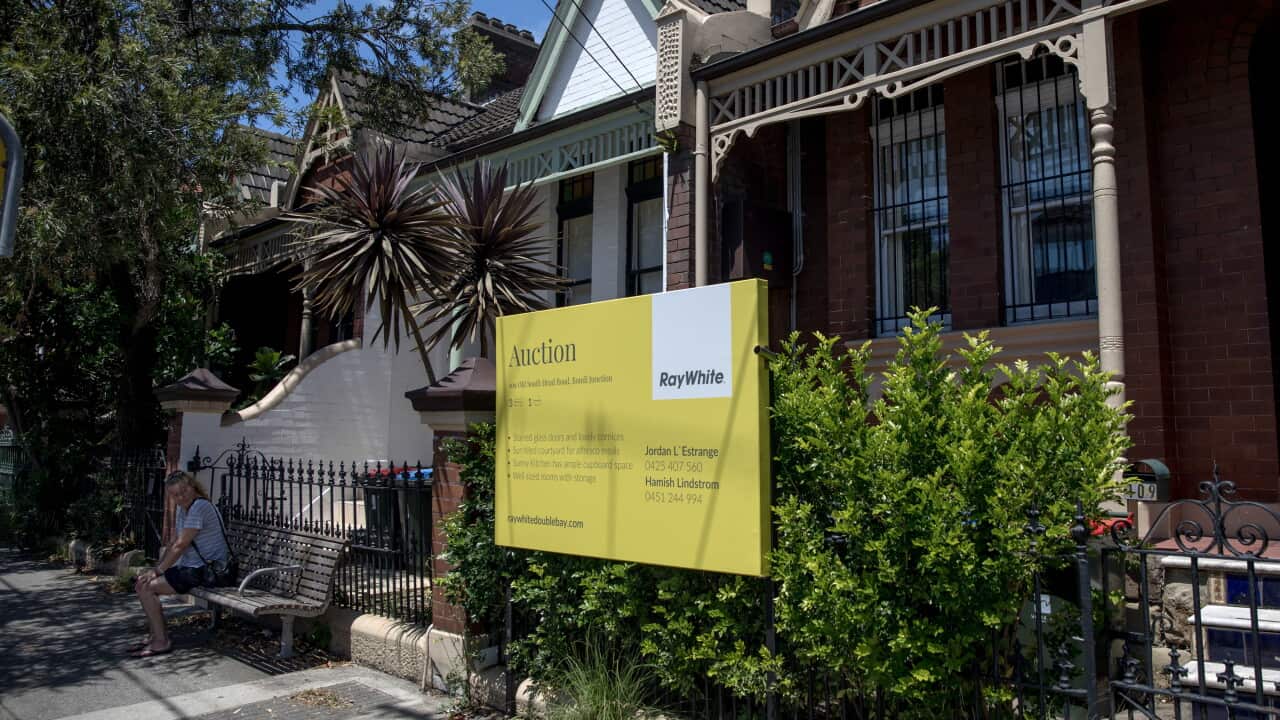
Sydney and Melbourne property prices are tipped to fall this year, but experts warn many aspiring homeowners could still find themselves further off entering the market.
For years, prospective home buyers have waited for Australia's soaring property prices to drop.
Now, new forecasts suggest that it may finally be happening in Sydney and Melbourne.
But, for many Australians trying to break into the market, falling house prices aren't necessarily making home ownership any easier.
Analysis released by Canstar this week suggests borrowing power is shrinking faster than house prices are falling, creating a new affordability challenge for would-be buyers.
News that makes sense
Your trusted source for staying up-to-date with the world around you. Get free daily news updates and analysis, straight to your inbox.
The analysis, based on Westpac forecasts and Cotality data, found Sydney's median house price could fall by almost $30,000 by the end of 2026, while Melbourne's median house price could decline by a further $18,000.
However, while Sydney's median house price has already fallen by almost $19,000 in the first four months of the year, a single person earning the average full-time wage has seen their maximum borrowing capacity fall by nearly twice as much as the fall in prices or around $35,800, following recent interest rate hikes.
For couples with average full-time incomes, borrowing power has dropped by just over $71,000.
When falling prices don't improve affordability
The figures highlight a growing disconnect between house prices and housing affordability.
While lower property values would traditionally be welcomed by aspiring homeowners, rising interest rates and tighter lending conditions were reducing how much buyers can borrow.
Ray White chief economist Nerida Conisbee said slowing price growth alone was unlikely to make housing genuinely affordable.
"Even if house prices fall, they're probably not going to fall to the extent that makes housing truly affordable," she said.
Conisbee said borrowing capacity had fallen significantly since the end of last year and could continue to decline if interest rates rise further.
"We do have an affordability problem because not only is it hard to buy in this market, it's hard to rent," she said.
"Affordability extends to people not just buying, it also extends to people renting."
Consumer confidence remains near historic lows, while ongoing uncertainty around inflation and global events is weighing on household budgets and purchasing decisions, she adds.
Buyers finding the goalposts have moved
Buyer's agent Michelle May tells SBS News that many prospective purchasers are discovering that falling prices do not automatically mean they can afford more.
"We've had clients who thought they had a budget of $2.4 million and now the bank is saying, 'No, we're giving you $2.2 million instead'," she said.
May said another client searching for his first property had seen his budget reduced by around 20 per cent since the federal budget.
"There are real changes that are happening on the ground right now," she said.
Despite forecasts of softer prices, competition remains intense in many parts of Sydney.
"People are still moving fast and trying to secure something because FOMO [fear of missing out] is still very much there," May said.
"It's not making it affordable now for people to have a home. That ship has sailed."
A forecast $30,000 decline in Sydney's median house price may sound significant, she said, but it is unlikely to fundamentally change affordability in a city where the median house price remains above $1.6 million, she adds.
"With Sydney's median house price still hovering at $1.6 million, a further $30,000 drop is still closer to a rounding error than a savings," Canstar's data insights director, Sally Tindall said.
Government defends housing reforms
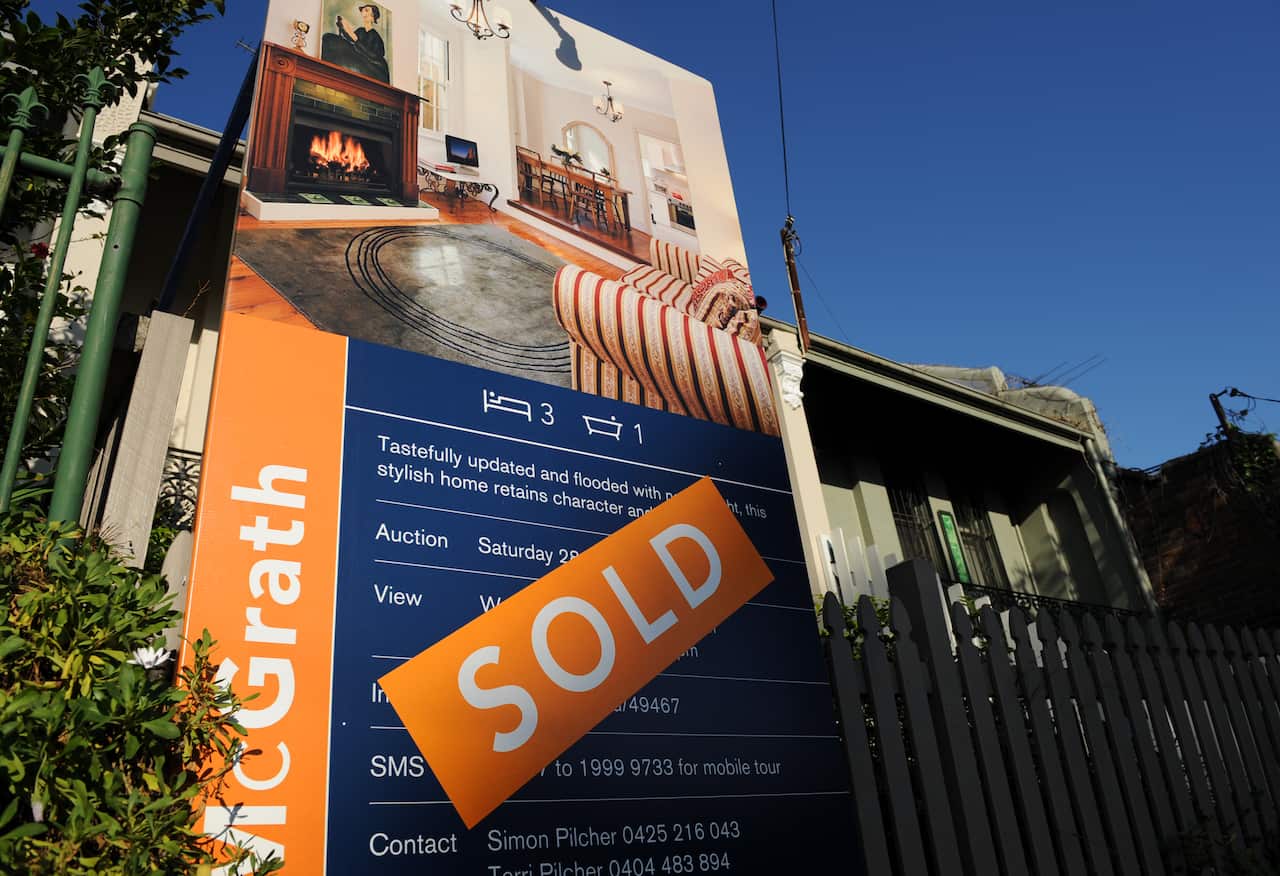
The forecasts also come as the federal government faces scrutiny over whether its housing reforms could trigger price declines that leave some recent buyers — particularly new home buyers — vulnerable.
May said buyers who had entered the market with smaller deposits such as those in the five per cent deposit scheme could see their home values fall, which was "a really scary thing'.
At a press conference on Saturday, Housing Minister Chris Bowen was asked whether some participants in that scheme could find themselves in negative equity.
Bowen said the government's housing policies needed to be viewed as a package rather than in isolation, arguing it was meant to solve what has become a "prohibitively difficult" market for Australians.
Bowen said reforms to negative gearing and capital gains tax concessions, alongside support for housing construction and first-home buyers, were designed to improve access to home ownership over the long term.
"There will be short-term fluctuations in the housing market, but you've got to set policies for the medium and long term," he said.
"Most importantly of all, we've got to do something about the aspiration of Australians to buy their own home."
Conisbee said a few fixes - particularly those that mainly targeted demand - were not the antidote. There are other challenges that hurt buyers including Australia's persistent housing shortage.
While some policymakers have argued reducing investor demand could improve affordability, she warned that lower prices alone would not solve the underlying problem.
But, why are Brisbane and Perth prices surging?
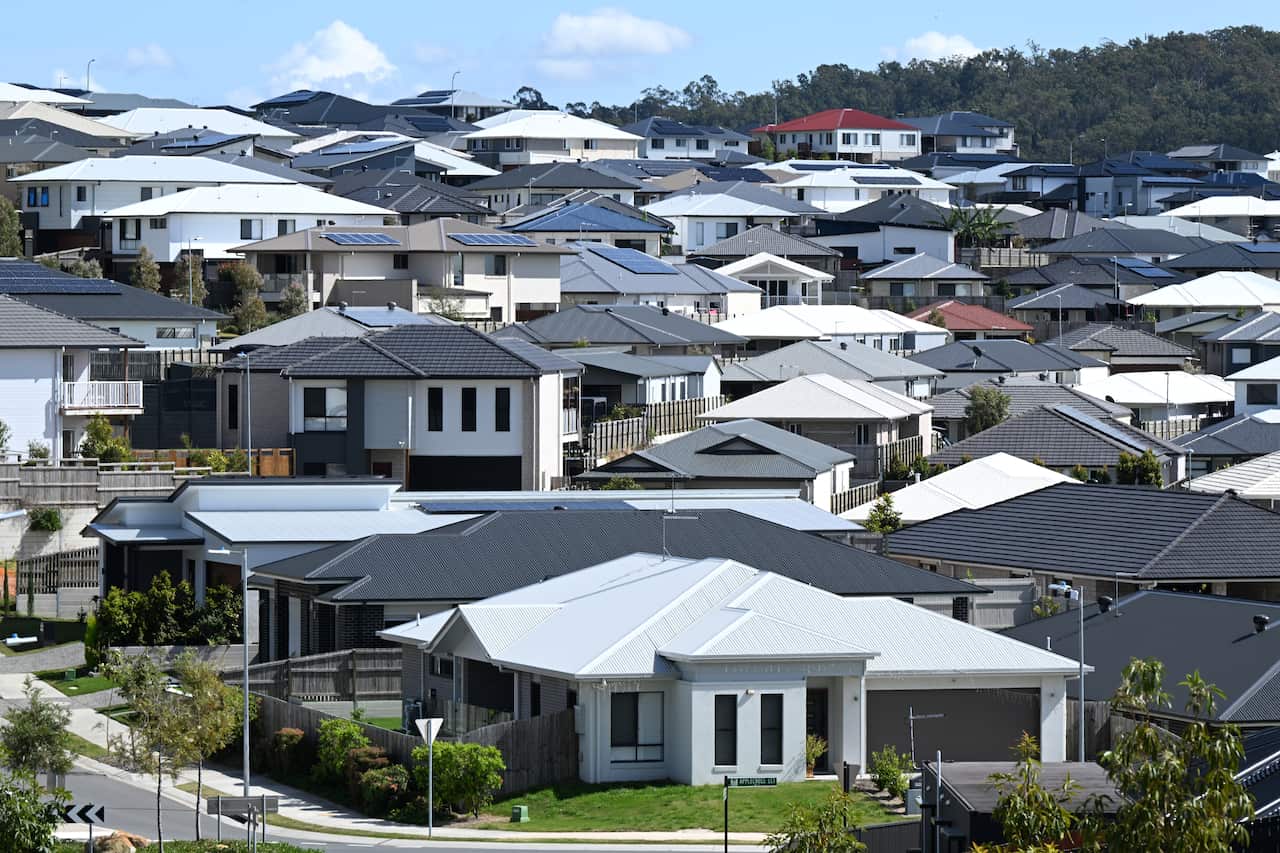
While Sydney and Melbourne are forecast to soften, Brisbane and Perth are expected to continue recording price growth through to the end of the year.
According to Canstar, Perth house prices could rise by around $39,000 and Brisbane prices by about $32,000.
Conisbee said strong population growth, housing shortages and infrastructure pressures would outpace price falls, instead pushing prices higher in both markets.
"Sydney has experienced significant interstate migration losses, while Melbourne has seen a large volume of new housing supply and weaker economic conditions," she said.
"By contrast, places like south-east Queensland and Perth have seen very high population growth relative to the level of development taking place."
Conisbee highlighted that Sydney, meanwhile, has also experienced significant interstate migration losses, while Melbourne has seen a large volume of new housing supply and weaker economic conditions.
For the latest from SBS News, download our app and subscribe to our newsletter.







