
Iran is causing widespread disruption across the Middle East in what experts describe as a bid for "regime survival", with retaliatory strikes fuelling "massive instability" in the region.
Iran has been retaliating since coming under United States and Israeli bombardment more than a week ago, launching strikes against Israel and Gulf states allied with the US that host American military bases.
Oil markets are also in turmoil as the Strait of Hormuz — the vital shipping lane on Iran's southern border through which roughy one fifth of the world's oil and gas normally flows — has effectively been choked off. If the war drags on, there are fears petrol prices, including in Australia, could soar.
Some oil suppliers are grappling with facilities damaged by strikes, and some major Middle Eastern producers have cut supplies over fears of prolonged disruption to shipping.
Experts have told SBS News a diplomatic solution to the conflict is unlikely, and have raised concerns that a post-war Iranian regime could implement "severe crackdowns" on civilians.
News that makes sense
Your trusted source for staying up-to-date with the world around you. Get free daily news updates and analysis, straight to your inbox.
What are Iran's tactics?
Jessica Genauer, an associate professor in international relations at Flinders University, said the conflict can be described as "asymmetric".
She told SBS News the "overwhelming" force of the US gives it a clear military advantage over Iran, which would be informing the latter's strategy in the conflict.
"Iran is using asymmetric warfare tactics where it's trying to use minimum military assets in order to create maximum costs and maximum damage and maximum pressure across the region," she said.
Iran has launched retaliatory strikes against several of its neighbours, which Genauer said is part of its disruptive strategy.
"This has created massive instability across the region with, of course, international flights being stopped, but also raising pressure from Gulf countries to intercede and for the conflict to cease."
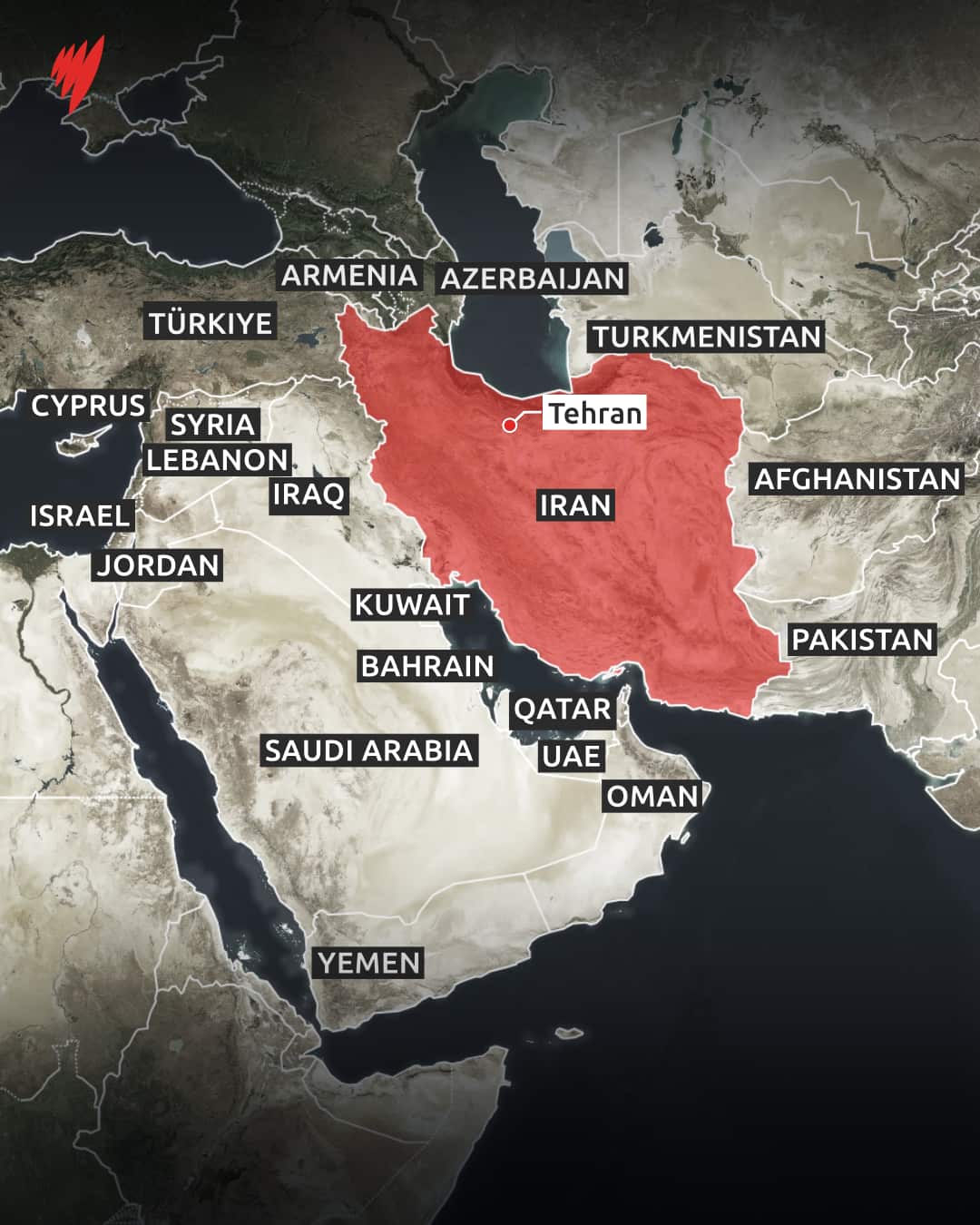
Iranian attacks continued in Gulf states overnight (Sunday night), with reported missiles and drone attacks in Bahrain, Kuwait, Qatar, Saudi Arabia and the United Arab Emirates.
Bob Bowker, an emeritus professor with the Australian National University and former diplomat to the Middle East, told SBS News Iran's central goal is "regime survival".
"They know they cannot defeat the United States and Israel militarily. So what they have to focus on is regime survival. And that means ensuring that internal discipline is maintained," he said.
By engaging in war and targeting its neighbours, Iran can "subsume" domestic tensions, while pressuring US President Donald Trump to de-escalate, he said.
"They're trying to put pressure on Trump through energy markets, disruption to oil exports and air travel."
How will the US respond?
Trump has said he isn't interested in negotiating with Iran, and has raised the possibility that the Middle East war would only end once Tehran no longer has a functioning military or any remaining leadership in power.
Speaking to reporters aboard Air Force One on Saturday, Trump said the air campaign could make negotiations a moot point if all potential leaders of Iran are killed and the Iranian military is destroyed.
"At some point, I don't think there will be anybody left maybe to say 'We surrender'," Trump said.
Genauer said a diplomatic solution to the war is "not likely", especially as US strikes continue to degrade Iran's military assets and energy infrastructure.
Bowker agreed, adding that the US would also be able to withstand Iran's attempts to disrupt global oil supply.
"They're unlikely to make much difference to Trump's thinking through their impact on the world oil prices, so far as the United States is concerned, because the US imports such a small amount of oil," he said, noting the country's reduced reliance on foreign crude.
The US now produces most of the oil it consumes, but as part of a globally traded market it remains exposed to price swings if supply is disrupted.
Experts have also said a protracted war may cost Trump and the Republicans at November's midterm elections, with polls suggesting Americans are not keen on it dragging on.
How will the new leadership affect Iran?
The killing of Iran's supreme leader last week could also impact how Iran proceeds in the war.
Mojtaba Khamenei, the son of late Iranian supreme leader Ali Khamenei, has been appointed to succeed his father as the new head of country.
The younger Khamenei was named supreme leader by top clerical body the Assembly of Experts in a move that shows Iran's leadership may be reinforcing its hardline approach to civil unrest and criticism.
Genauer described Mojtaba Khamenei as a "hardline figure" in Iranian politics.
"He's the son of the previous supreme leader, this shows us that ... the Iranian regime is doubling down on their ideology, on their politics," she said.
"I think it suggests that on the one hand, we're not likely to see regime transition because we are seeing the regime doubling down on their current modes of power, but on the second hand, we might be headed more towards a civil conflict in Iran, maybe not in the coming weeks, but potentially in the coming months or year."
Bowker said the line of succession from the late Khamenei to his son also sends "clear signals" to the US about the country's resolve and intent to maintain the old regime's beliefs.
What's next?
While the conflict continues and Iran is bombarded by missiles, civil unrest and organised protest is unlikely, Genauer said.
More than 50,000 Iranians were arrested during protests that broke out across the country in January, according to the United States-based Human Rights Activists News Agency (HRANA).
At least 7,000 people were killed during the protests, and HRANA is currently investigating another 11,700 suspected deaths. Iranian authorities have disputed these figures and say the number of casualties is just over 3,000, including security forces personnel.
Genauer predicted the new regime would take an even more hardline approach than previous ones to retain control over the country moving forward.
"After this hot stage of conflict concludes, I think unfortunately any remaining regime elements are likely to crack down in an even more severe way on their own populations," she said.
Bowker said that Iran's targeting of Gulf States could leave it diplomatically isolated from its neighbours.
This regional tension, along with the economic and human cost of war with Israel and the US, will create "immense challenges" for future Iranian leadership.
"We really just don't know what Iran will look like when this fighting stops," he said.
"How much infrastructure it will have to rebuild, how much damage has been done to its own forces, and how long it will take for them to rebuild."
For the latest from SBS News, download our app and subscribe to our newsletter.







