In brief
- Pakistan said it was preparing to host "meaningful talks" to end the conflict over Iran in coming days.
- As the conflict enters its second month, it shows no signs of slowing.
Pakistan has offered to host talks aimed at ending the escalating conflict between Iran, Israel and the United States, as tensions continue to rise across the Middle East and prospects for negotiations remain uncertain.
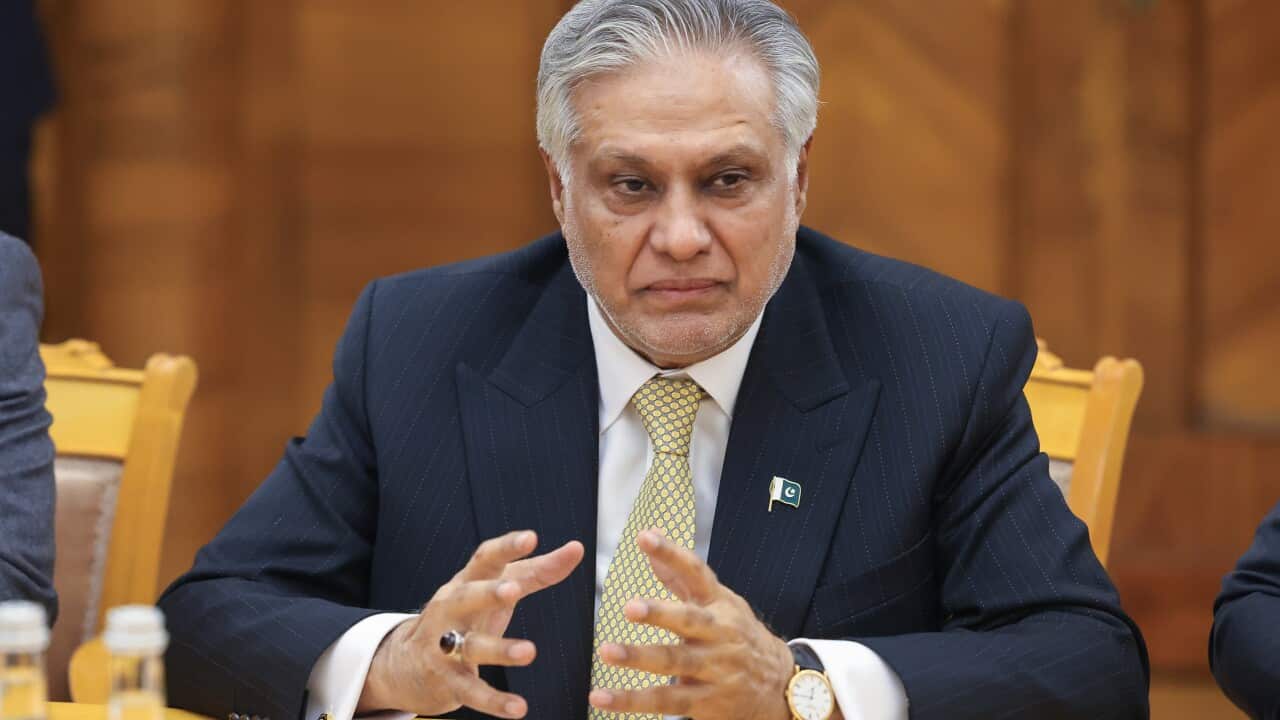
Speaking after meetings with regional foreign ministers, Pakistan’s foreign minister Ishaq Dar said that Islamabad was prepared to facilitate dialogue between the US and Iran.
"Pakistan will be honoured to host and facilitate meaningful talks between the two sides in coming days, for a comprehensive and lasting settlement of the ongoing conflict," he said on Sunday (local time).
It was not immediately clear whether either side had agreed to participate.
The diplomatic push comes despite sharply opposing positions from the US, Israel and Iran on how the conflict should end.
News that makes sense
Your trusted source for staying up-to-date with the world around you. Get free daily news updates and analysis, straight to your inbox.
Iran’s parliament speaker, Mohammad Baqer Qalibaf accused Washington of sending mixed signals, alleging it was discussing negotiations while simultaneously preparing for possible ground invasion.
"As long as the Americans seek Iran's surrender, our response is that we will never accept humiliation," he said in a message to the nation, warning Tehran would respond if US troops were deployed.
The Washington Post reported on Sunday that the Pentagon is preparing for weeks of ground operations in Iran. The plans could involve raids by special operations and conventional infantry troops, the Post reported, citing US officials.
Washington has dispatched thousands of marines to the Middle East, with the first of two contingents arriving on Friday aboard an amphibious assault ship, the US military has said.
Fighting continues as war enters its second month
Regional powers, including Pakistan, Saudi Arabia, Türkiye and Egypt, have also discussed measures to ease global economic pressure caused by the conflict, with early proposals focusing on reopening the Strait of Hormuz.
Iran has effectively blocked oil and gas shipments through the strait since the US and Israeli attacks began on 28 February, disrupting global energy markets.
Fighting has intensified as the war enters its second month. Israel said it carried out more than 140 air strikes on central and western Iran, including Tehran, within 24 hours, targeting missile infrastructure and storage sites.
The conflict has also spread beyond Iran. In southern Israel, near the city of Beer Sheva, a chemical plant was struck by a missile or debris, prompting warnings over "hazardous materials." Another missile hit open ground near homes in Beer Sheva, located near several military bases, injuring 11 people.
The World Health Organization said Israeli operations in southern Lebanon had killed another health worker, bringing the total number of dead to 51.
Israel claims that Iran-backed Hezbollah fighters operate from medical facilities, an accusation the group denies.
The war has killed thousands and damaged infrastructure across the region, including aluminium plants in Bahrain and the United Arab Emirates (UAE). The UAE has called for reparations and guarantees against further attacks.
Meanwhile, Yemen’s Iran-aligned Houthis have entered the conflict, launching attacks on Israel and raising concerns about potential disruption to another key shipping route, the Bab al-Mandab Strait, further threatening global trade.
An Israeli official said Israel would continue carrying out strikes against Iran on what were described as military targets, adding there was no intention to scale back the campaign ahead of any possible talks between Washington and Tehran.
For the latest from SBS News, download our app and subscribe to our newsletter.







