
As Australians return from holidays and settle back into daily life, many are suffering from a post-Christmas financial hangover.
Overspending during the holiday season is easy to do and can leave people feeling stressed and overwhelmed when they realise how much debt they have accumulated.
But financial adviser Helen Baker said it was important to take action straight away.
"If you just put your head in the sand, nothing will change and then you'll have more problems down the track," she said.
To set your finances on track, here are 10 ways to get money back into your pocket.
News that makes sense
Your trusted source for staying up-to-date with the world around you. Get free daily news updates and analysis, straight to your inbox.
1. Sell unwanted presents or other items around the house
Not every present you receive at Christmas will be useful or something you like, and Baker said these items can be sold on places like Facebook Marketplace.
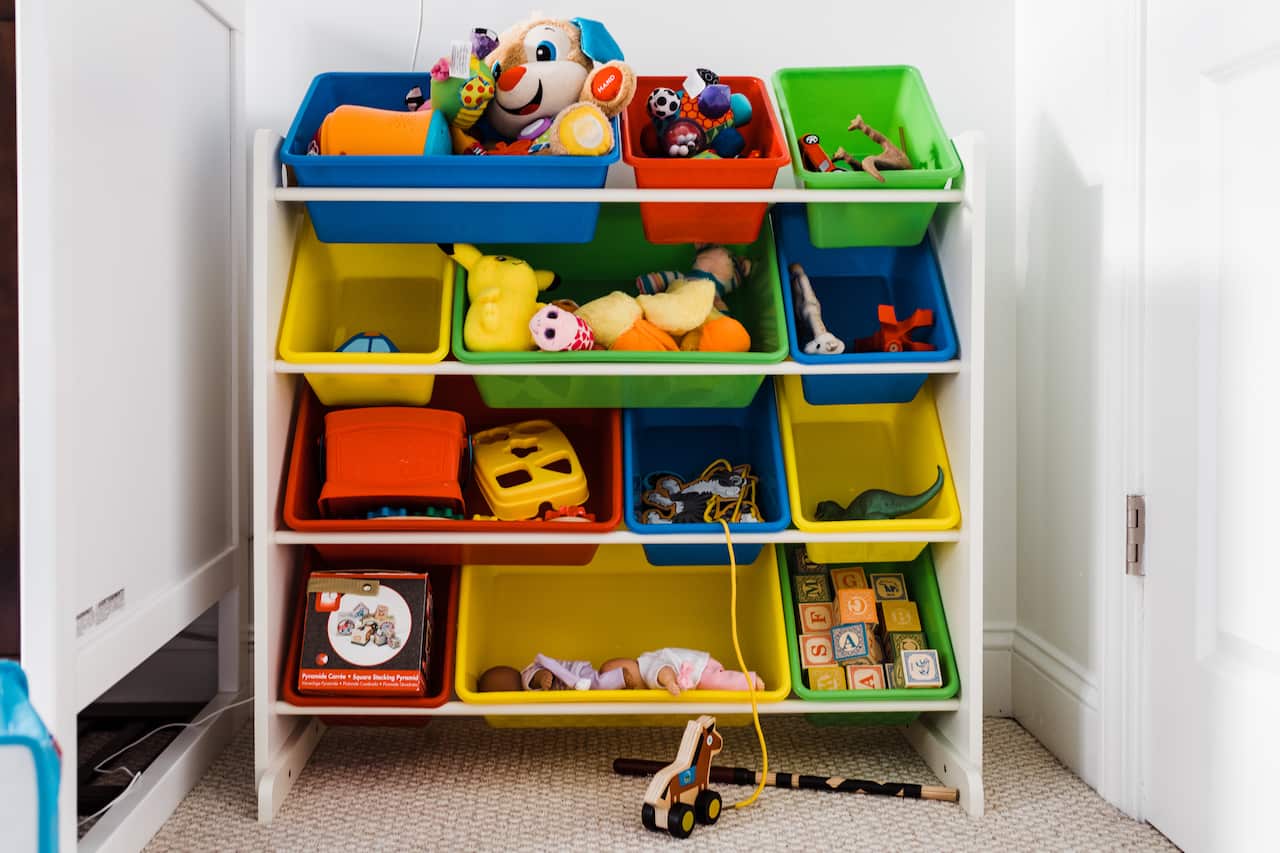
"Use that money to clear credit cards or Buy Now Pay Later schemes," Baker said.
"Everyone wants to give ... but people don't [always] have room for more stuff, or it's not what they want."
You can also sell other items around your house that you no longer need, which gets rid of clutter and makes room for new things you may have received.
2. Target your most costly debts
If you have racked up debt on your credit cards, Baker suggested paying off the debts with the highest interest rates first.
"Make sure you're paying something off everything, but try and get [down the debts with the highest rates] first," she said.
She said it was worth analysing your spending plan for the next month or so, to work out how much money you can put on these debts to clear them quickly.
"If your mortgage interest rate is 6 per cent but your credit card is 20 per cent ... you might want to try and use anything you've got in your offset account or your redraw to clear those other debts as quickly as possible," she said.
3. Take advantage of 0 per cent balance transfers
Many banks offer 0 per cent interest rate balance transfer deals to get customers to shift their credit card debt. They provide a period of months or even years without interest.
Baker said these can be useful as long as you pay your debt off and don't keep adding to it.
"You've got to use this opportunity to clear that debt as quickly as possible," she said.
You can also ring your bank and ask to be put on a lower interest rate or move the debt to a card offering a better deal.

Converting the debt into a personal loan could be an option, as it will force you to pay it off over a set period and you won't be able to add to it.
4. Reassess your mortgage or car loan
With further rate cuts unlikely in the foreseeable future, it is a good time to review your mortgage and consider refinancing options.
According to the financial comparison site Canstar, the average owner-occupier variable rate in December was 5.51 per cent.
If you are paying more, or even just under this rate, you can ask your bank for a better deal or consider going elsewhere.
It may also be the right time to shift part of your mortgage to a fixed rate, with Canstar noting the number of banks offering fixed rates below 5 per cent had dropped amid expectations of rate increases this year.
But Canstar data insights director Sally Tindall said it was important to analyse the numbers carefully when fixing your rate and to shop around, as offers can vary widely.
Baker said refinancing a mortgage or car loan could free up cash flow you can use to pay off other debts, such as credit card debt.
It may also make sense to consolidate all debts, so you have just one repayment and use any extra money to pay that back as quickly as possible. This may also save you on separate annual fees for each debt.
But discharging a mortgage can be costly and Baker said it was important to look at all the fees to make sure it is worth doing.
5. Generate short-term income
To pay down debt more quickly, Baker said short-term ways to earn money could be considered, such as taking jobs advertised on Airtasker.
"It's not like you are going to be doing these jobs forever, [you're] just going to get rid of this 'hurt money' that's sitting around at the moment," she said.

"There's lots of needs out there at the moment — people are on holidays — they may need dogs walked or gardens looked after, some cleaning done or Ikea furniture put together, there's job opportunities out there."
6. Review your subscriptions
It's easy to sign up for subscriptions — whether they are for streaming services like Netflix, fitness apps or media sites — and then forget about them.
SBS finance editor Ricardo Goncalves suggests reviewing what you're actually paying for (looking through credit card statements can be a handy way to find forgotten charges) and then assessing whether you really use it.
You could also consider dropping down a subscription tier.
"Some providers have cheaper offers if you're willing to accept a bit of advertising," Goncalves said.
You could also rotate subscriptions for streaming services so you are not paying for all of them at the same time. For example, you could watch shows on your Netflix account for three months, then pause your subscription and activate a different service for the next few months.
To save even more money, you can switch to free services like SBS On Demand instead.
7. Use your reward points
One advantage of excessive Christmas and holiday shopping is that it can help boost reward points for loyalty schemes.
Canstar notes that 100,000 Everyday Rewards or Flybuys points currently translates into $500 off your Woolworths or Coles shop.
While it can be satisfying to see your balance increase, if you don't use your points, they could also lose value over time.
8. Check for unclaimed money
The NSW government is holding around $300 million in unclaimed money, Goncalves said, and other states are also holding money owed to residents.
This money may be from businesses that have been unable to contact you because you’ve moved, changed your name, or they've lost your paperwork.
To check if you have unclaimed money, you can use the unclaimed money search on ASIC's Moneysmart website.
You can also check state databases on the relevant websites below:
— NSW
— Victoria
— ACT
— Tasmania
9. Slash your bills
The average family of four spending $260 a week on groceries can potentially save more than $2,000 a year by switching half of their weekly shop to cheaper brands at the supermarket, Canstar research has found.
Other tips to save money on groceries include making a weekly meal plan so food doesn't go to waste, cooking from scratch rather than buying pre-packaged and processed foods, using recipes with few ingredients, and cooking larger batches so you can enjoy leftovers.

Goncalves also suggests looking at your electricity bill to see if there are better deals available. The Australian government has its own comparison website called Energy Made Easy, which can help.
Family vouchers can also be a good way to save money.
All state governments offer vouchers to encourage participation in recreational activities, including sports, arts and cultural events. Most of these are aimed at children, but Tasmania also offers vouchers for older Australians.
Many of these vouchers are renewed at the start of the new year. Information is available on the relevant websites below:
— NSW
— Victoria
— Tasmania
Queensland also offers a $100 back-to-school boost voucher, while families in the Northern Territory can get $200 per eligible student.
10. Embrace freebies
Nowadays, libraries can offer access to a wide range of items, including toys and audiobooks, as well as digital movies, magazines, books and children's resources.
There are also tool libraries that allow you to borrow ladders, angle grinders, circular saws, as well as cleaning, garden, kitchen and camping equipment (although you may have to subscribe for some of these).
It's worth checking your local council's website to see what free programs it offers residents.
Sites like Facebook Marketplace or local buy/swap/sell pages also offer items for free.
Disclaimer: The information in this article is general in nature and is not intended as financial advice. You should consult with a licensed professional to make the decisions that are right for you.
For the latest from SBS News, download our app and subscribe to our newsletter.







