
Almost without fail, people I’ve spoken to have been surprised that limiting the ability of a child to grow is possible and that a parent would even consider it. And it begs the question - how could a doctor agree to do such a thing?
In the case of nine-year-old Daryl-Ann in New Zealand, her family had heard about Growth Attenuation Therapy (GAT) and the possibility of stunting her growth through the disability community and decided to speak with her paediatrician about it.
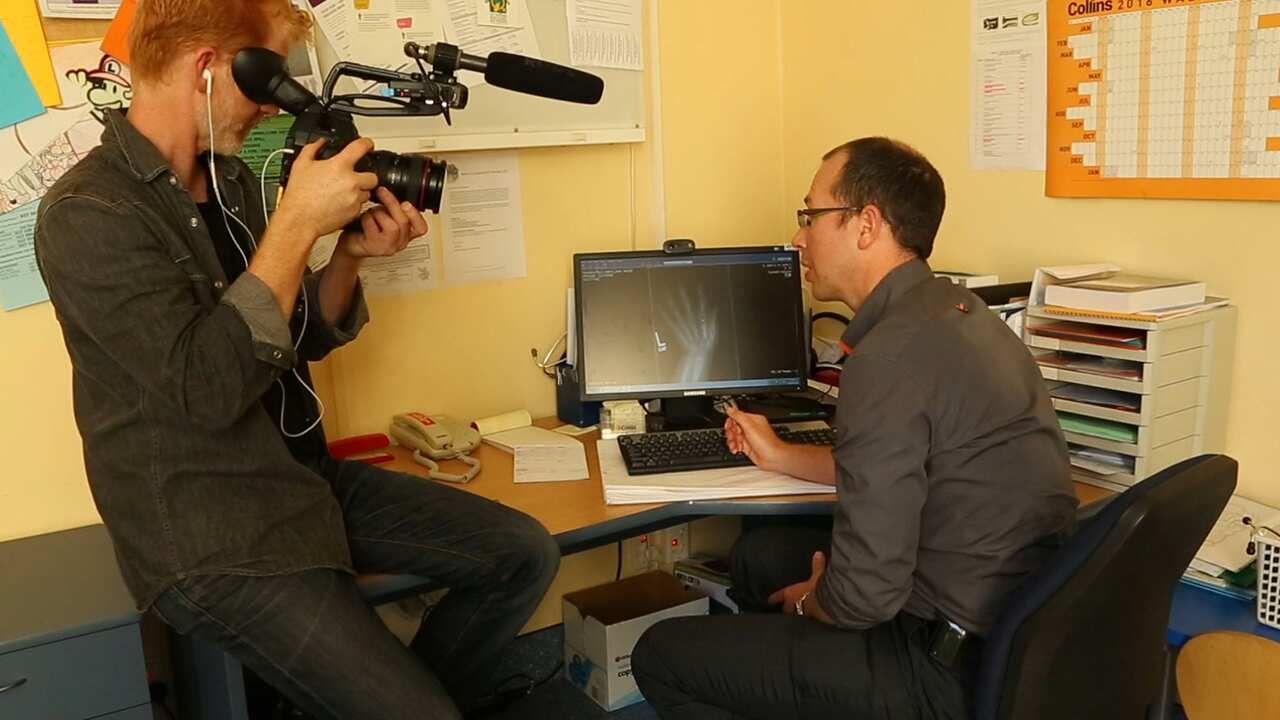
As the treatment involved administering high doses of hormones he agreed to approach a specialist on their behalf. Dr Ben Wheeler, a paediatric endocrinologist in Dunedin, had never heard of GAT and without the benefit of any preparation or time to think about it his gut reaction was: “No way. It’s insane.” He told his colleague he was not interested at all.
Ben says that while initially he had strong reservations he later decided to do some research. He then went back to his colleague and said at the very least he was willing to meet Daryl-Ann and her parents.
News that makes sense
Your trusted source for staying up-to-date with the world around you. Get free daily news updates and analysis, straight to your inbox.
Meeting the family and seeing the reality of the situation was a turning point for Ben but he wasn’t yet prepared to proceed without proper consideration of the ethical issues. He approached the Bioethics department at Otago University which shares close links with Dunedin Hospital.
Dr Nikki Kerruish, a senior lecturer in paediatric bioethics, along with her colleague Professor Grant Gillett agreed to consider the request for Dr Wheeler. Like Dr Wheeler, Nikki had never heard of Growth Attenuation Therapy until she was asked to consider Daryl-Ann’s case.
Nikki initially found the idea of stopping a child from growing as counter-intuitive given that paediatrics focuses on trying to ensure that children grow and thrive.
“There are arguments to suggest that growth is just an inherently good thing. Growing means that you're thriving and that thriving is part of a flourishing life,” she tells me and Dateline reporter Amos Roberts. “It's just something that we value as a human being.”
But what Nikki began considering was whether in certain situations – where people had profound cognitive and physical disabilities – there was an argument for limiting growth.
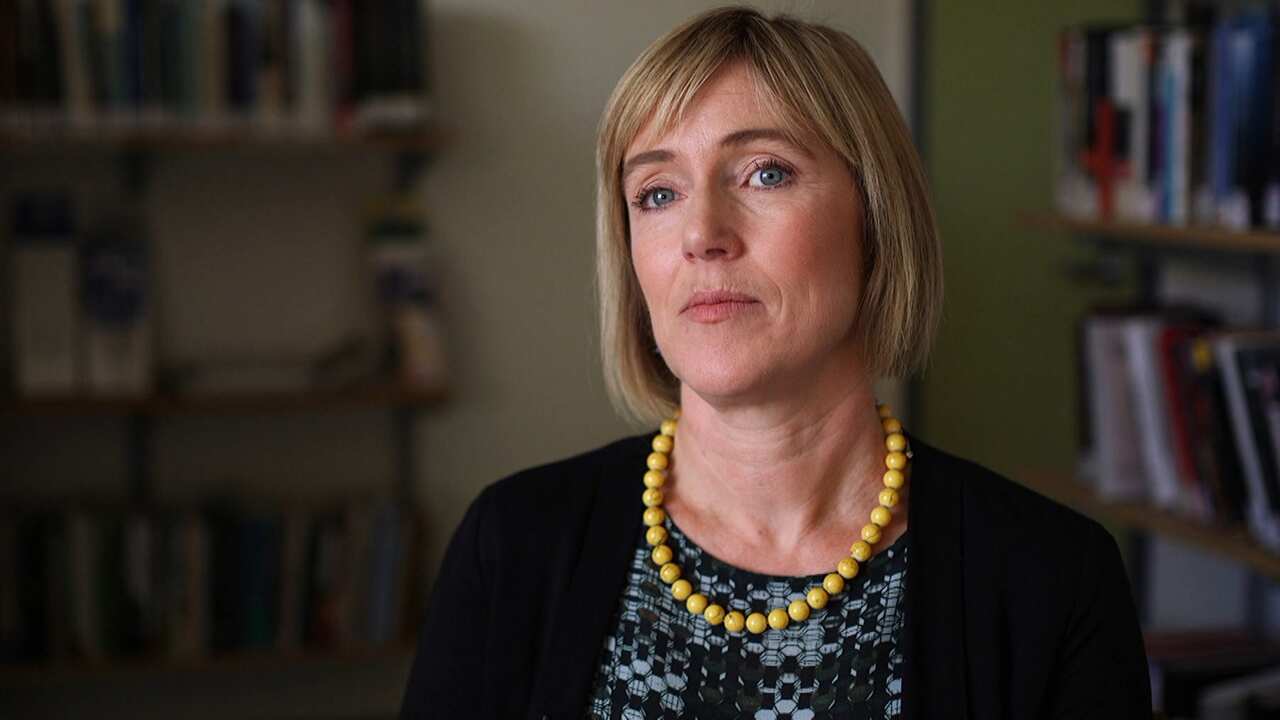
Nikki asked Daryl-Ann’s parents, Janine and Rob, to outline just why they wanted to keep their daughter small. They told her they were simply focused on giving their daughter the best possible life experiences and, where possible, limit her physical discomfort. Nikki found their reasons well thought out and compelling.
While Nikki is reluctant to be defined as a GAT expert, since dealing with Daryl-Ann’s case she has written several papers looking at the issue – always with the family at the centre of any discussion. She told me it’s important to hear family voices both for and against.
She found that essentially it comes down to how quality of life is conceptualised. Those families who are in favour of GAT consider comfort and experience the most important aspects of life while families who opposed this kind of intervention are more focused on their child’s dignity and rights and that nothing should be done to compromise these.
While GAT currently appears to be something which parents seek out, Nikki wonders if it should be something that parents with profoundly disabled children are made aware of.
“I think that in a sense the fact that there's disagreements about this is not a problem,” she tells me. “We should learn to live with the fact that people are going to have different views on this treatment, because those views are based on strongly held values.”
“It's a situation where it could be ethically acceptable for parents to choose the treatment and for parents not to choose the treatment and I think that we need to learn to live with that situation and to understand the different perspectives of the different parents involved.”
“It should always be a decision that parents make, but then we come to the issue of how we actually let parents know that this is an option and provide them with enough information that they realise the complexity of the decision.”
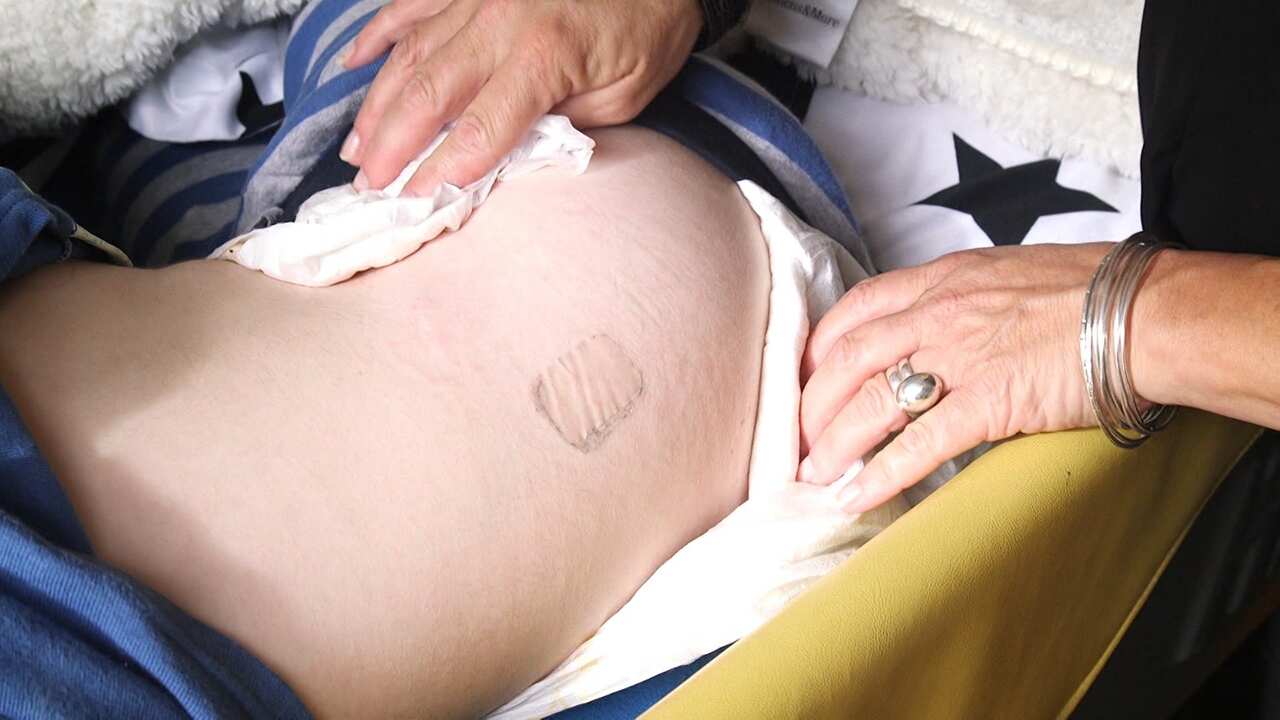
Having received ethics approval Ben then approached the hospital and his colleagues for support. He asked Janine and Rob to consider and sign a detailed consent form that outlined all potential side effects – making them aware of the most extreme risks – so they were fully prepared for all outcomes.
It was an eye-opening process for Dr Wheeler and he stresses while it was positive in this one case, every situation is different and must be considered on its merits.
Dr Wheeler told me it’s important for people to understand that this dilemma is rare and unusual – each request is unique and a lot of thought will go into any treatment decision.
Since treating Daryl-Ann, Dr Wheeler has been approached by one other family but after discussing the options in detail they decided not to proceed.

Dateline is an award-winning Australian, international documentary series airing for over 40 years. Each week Dateline scours the globe to bring you a world of daring stories. Read more about Dateline

Have a story or comment? Contact Us







