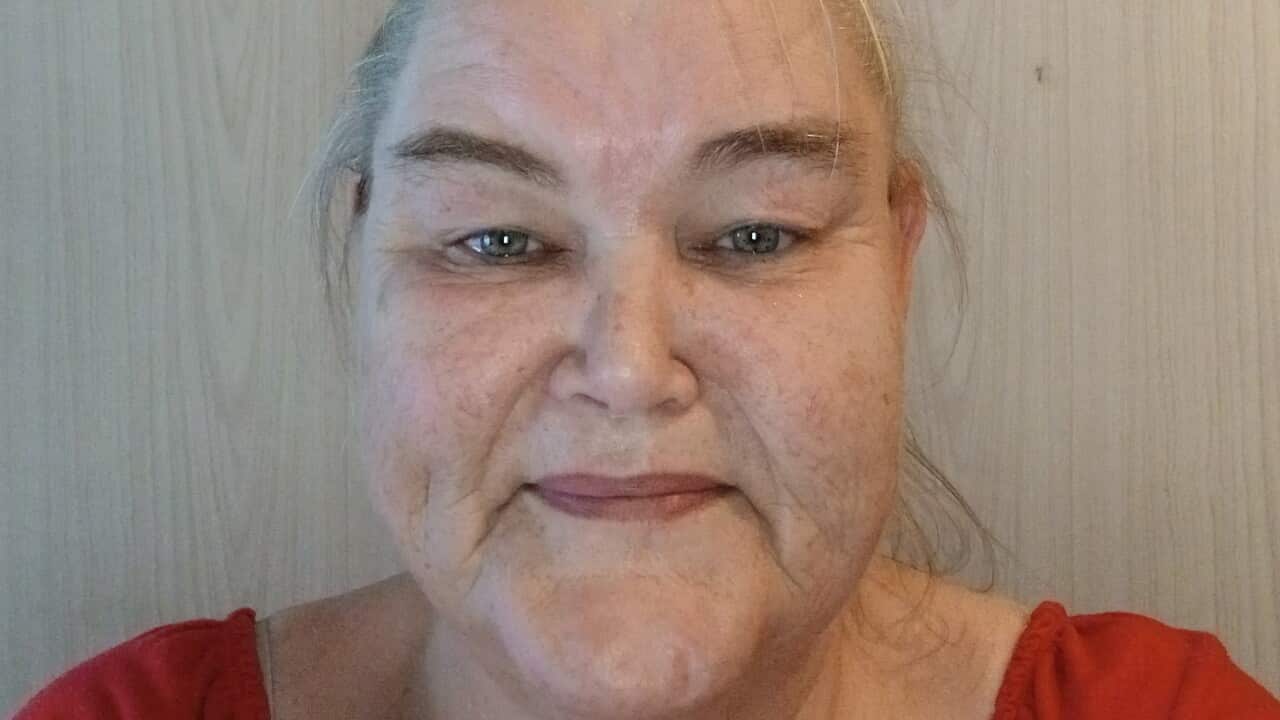
More than half of Australians think migration rates are too high. What's behind the numbers? Watch Insight episode High on Immigration on SBS On Demand.
My family immigrated from Denmark in 1969 — not to escape persecution or flee economic ruin, but because the Australian government invited us and subsidised us.
The 'White Australia Policy' was no longer officially in effect, but it felt like Northern Europeans were much more welcome than most other nationalities.
News that makes sense
Your trusted source for staying up-to-date with the world around you. Get free daily news updates and analysis, straight to your inbox.
So my parents packed up their lives and their three children and boarded a boat, knowing they may not see their families for years — if ever again.
Six weeks later we arrived in Sydney, and were sent to Bonegilla Migrant Camp near the Victorian border town of Wodonga. We were one of six Danish families among thousands of Greeks, Italians and other varied nationalities.
English lessons restarted every couple of weeks as a new boat arrived. Mum learned to say "Hello my name is Iris", and that's about it.
Dad ran into a Danish migrant in the general store who organised a flat, furniture and transport to Melbourne for us. He became one of the many "uncles, cousins and aunties" who we weren't actually related to but became our family.
Mum looked after us Danish kids until I started school in Melbourne, then she cleaned houses in Toorak and factories in Prahran.
Her English never improved to the point where she could use her psychiatric nursing degree here in Australia.
Dad spent over 30 years working as a psychiatric nurse at Royal Park Psychiatric Hospital, as well as driving trucks for extra money between his shifts.
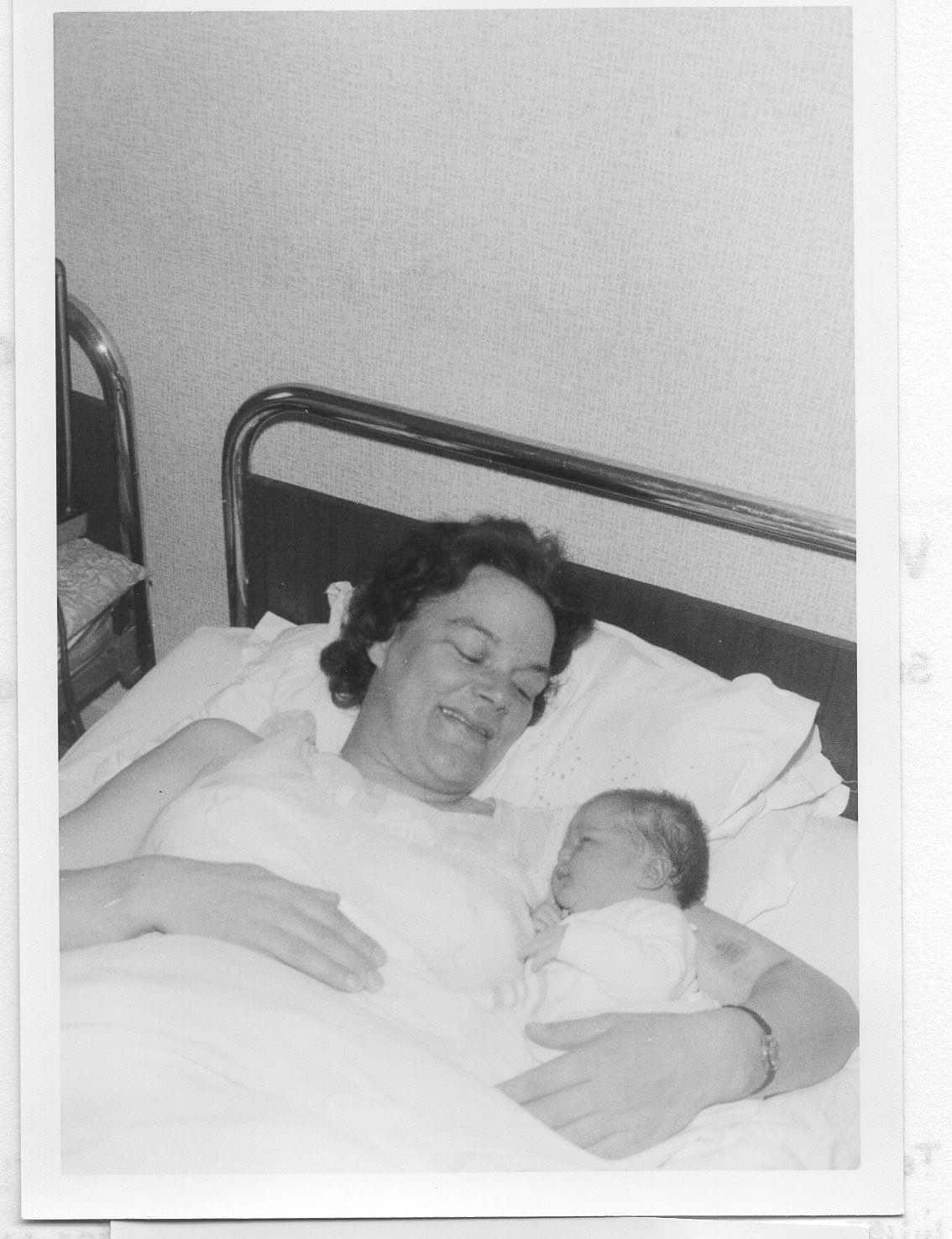
Primary school in the 70s was interesting.
I started prep not speaking a word of English, but was fluent by July and refusing to speak Danish at home. Us migrant kids learned fast; assimilation was a survival skill.
We quickly learned that 'wog' foods, names and accents all got you picked on — especially 'wog' clothes on photo day.
I was a 'clog wog', so more accepted than the Mediterranean 'wogs', who were more visible.
Greek kids were bullied the most because they looked different.
Then the Vietnamese came, and suddenly the hierarchy changed. Northern Europeans weren't 'wogs' anymore, and Mediterranean 'wogs' were preferred to the Asians.
Then the Afghans came, and this new round saw the Mediterranean 'wogs' lose their title, and the newcomers become the biggest 'problem'.
Now it's Africans, who are the most visibly different.
Same bigotry, different targets.
'We have contributed our lives'
Over the years, I have had many Australians sidle up to me and say racist things out loud, thinking I would agree, or at least not argue.
Confident that my whiteness and accent made me one of them.
Big mistake.
The co-worker referred to two Asians as 'boat people' — until I called him over to inform him that I was the only person here who had arrived by boat.
To the mother at my kids' school gunning her engine and screaming "Go home wingnut" to a Cambodian woman and her children, I swore in multiple languages while a crowd of Australian men stood silent.
Migrants are vital cogs in Australian society.
My sisters are nurses, my brother has numerous qualifications, and I worked in aged care.
Our children, all Australian born, are nurses, care workers, police officers, bank workers and graphic designers — and they're raising the next generation of Australians.
We have contributed our lives and our futures to this country; we have given you our children.
To Australians, I want to say: migrants work on your farms to feed you. We work in your schools to educate you.
We work in your hospitals, police stations and fire stations to protect and care for you.
And let's not forget aged care, which would collapse without migrants.
Even now, we still do the jobs you don't want to do.
My unique self
I have often been asked if I feel Australian and I answer, 'how could I not?'
I arrived as a two-year-old, so all my memories, education and socialisation were Australian.
I am a Danish citizen, but my Danish "culture" is basically an amalgam of my childhood memories of my parents.
Their language, spoken at the dinner table, their food, the stinky cheese that the neighbours complained about, and the salty liquorice we gave to Aussie kids when they gave us Vegemite.
These were our traditions, while Vegemite was theirs.
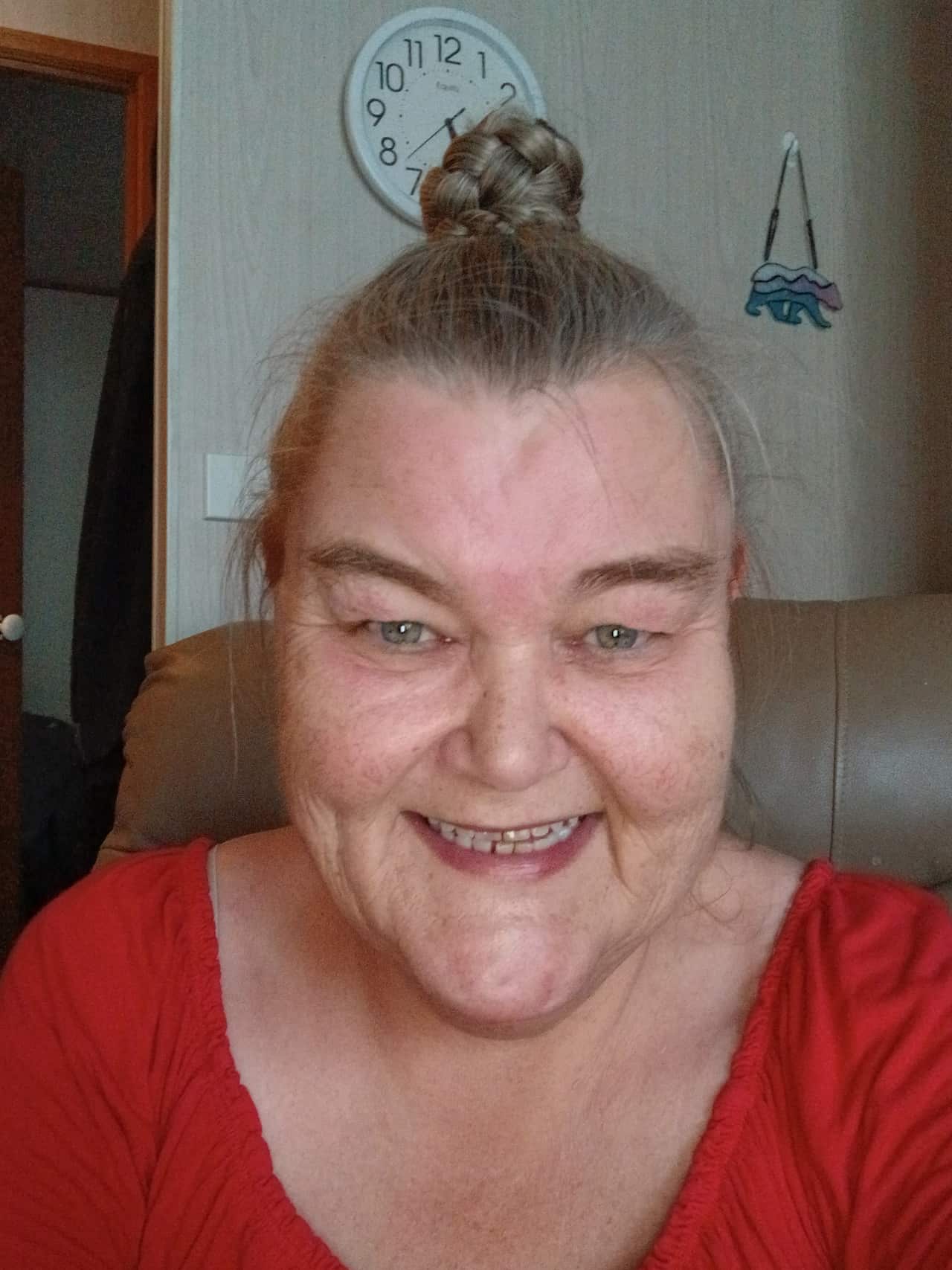
Because of my parents, I speak multiple languages, I eat pickled herring, and I burn the effigy of a witch on St Hans night in June to ward off evil spirits.
Though I am also an atheist because of them.
My Aussie kids share these Danish traditions.
I love Australia, but I do not love the ease with which Aussies criticise those they don't understand.
Watch your favourite Insight episodes around the clock on SBS On Demand's dedicated Insight channel. For the latest from SBS News, download our app and subscribe to our newsletter.

Insight is Australia's leading forum for debate and powerful first-person stories offering a unique perspective on the way we live. Read more about Insight

Have a story or comment? Contact Us







