
This audio is voiced by AI and may occasionally mispronounce words.
Share your feedback and help us improve this feature. Read more about how we use AI at SBS here.
Have you ever flirted to make a partner jealous? Do you envy a friend's life? Are people jealous of you? Can we embrace these emotions and use them for good? Watch Insight episode Jealousy on SBS On Demand.
Justin Andreas believes the jealousy he used to experience created a toxic environment in his romantic relationships.
"I was always afraid that if they got a taste of life without me, that they would realise they didn't really need me — and that's what led to feeling like I always needed to be around them," he told Insight.
The 21-year-old says his powerful emotions manifested in "always wanting to know where they were, who they were with, where they were going".
News that makes sense
Your trusted source for staying up-to-date with the world around you. Get free daily news updates and analysis, straight to your inbox.
Growing up, Justin says he blamed himself for the breakdown of his parents' marriage. He found it difficult to speak about these thoughts with anyone, which he says affected his self-worth.
"Stemming from that insecurity came those feelings of 'I'm never going to be good enough'. Ultimately, that insecurity is what leads to pretty intense jealousy."
With this jealousy impacting his relationships, Justin never truly believed that anyone could love him for who he is.
"My greatest fear was that my partner — or anyone around me — would see me the way that I saw myself."
'The queen of jealousy'
Unlike Justin, Kate Halfpenny, 59, doesn't know where her jealousy stems from and admits it's not an attractive quality.
But the self-dubbed "queen of jealousy" says she's been "awash" with the emotion her whole life and has often found herself jealous of family members.
"I love my brother to pieces. He's been my best friend forever, but there are days when I'm jealous of him, when I think my parents love him more than they love me," Kate told Insight.
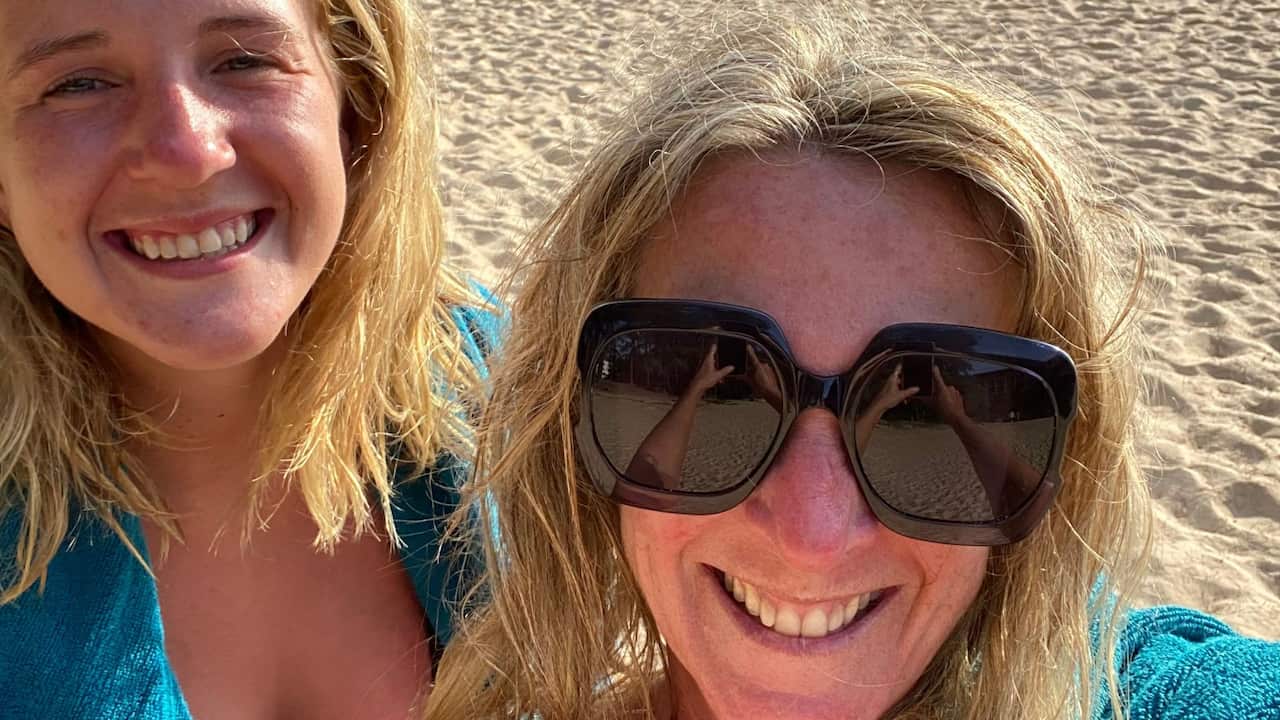
A few years ago, she also noticed a "twinge of jealousy" towards her daughter Sadie, before fully recognising and understanding what this emotion was.
"I realised that what I was envious of, was the possibilities that younger women like my daughter have in their 20s."
She says her jealousy and envy is not a bitterness or hatred towards others, but a yearning for something she wants — feelings that motivated her to write a book.
"I don't think that I would've written it if I hadn't had that inspiration of looking around and thinking 'that bloke's done it, I'm going to do it too'."
The difference between jealousy and envy
Clinical psychologist Angel Lee-Aube says jealousy can be caused by feelings of insecurity and questioning one's self-worth.
"We question our relationships and our abilities, and these feelings can lead us to fear losing something or someone that we hold really dear," Lee-Aube told Insight.
"Jealousy and envy are often perceived to be negative emotions because they are very tricky to feel."
The Sydney-based psychologist says jealousy and envy are normal feelings that everyone experiences from time to time.
She says the key difference between jealousy and envy is that former is the fear of losing something we already have, while the latter is when we want something another person has.
Lee-Aube gives these examples: "I might feel jealous when my partner is paying special attention to his co-worker, whereas I might be envious of a colleague who's just published a book or a friend of mine who has a very positive relationship with their parents, which I don't have."
Though jealousy and envy can lead to negative behaviours such as impulsivity and aggression, these emotions can also be harnessed for positive outcomes — like in Kate's case.
"Feelings of envy can be a massive motivator for us to strive for what we want," Lee-Aube said.
"When we can take a step back and be mindful towards these emotions and be curious about them, it can often tell us what we're missing or what's important to us."
Envious of good health
When Kim, 50, was admitted to a psychiatric unit during a severe depressive episode with bipolar disorder in 2025, she was glad at first to have the support and visits of her friends and family.
That appreciation soon transformed into another feeling.
"I started to feel very jealous and envious of everyone to the point where I didn't want to know what they were getting up to…" Kim told Insight.
"Even as simple as going to work, having dinner with their children — those little things."
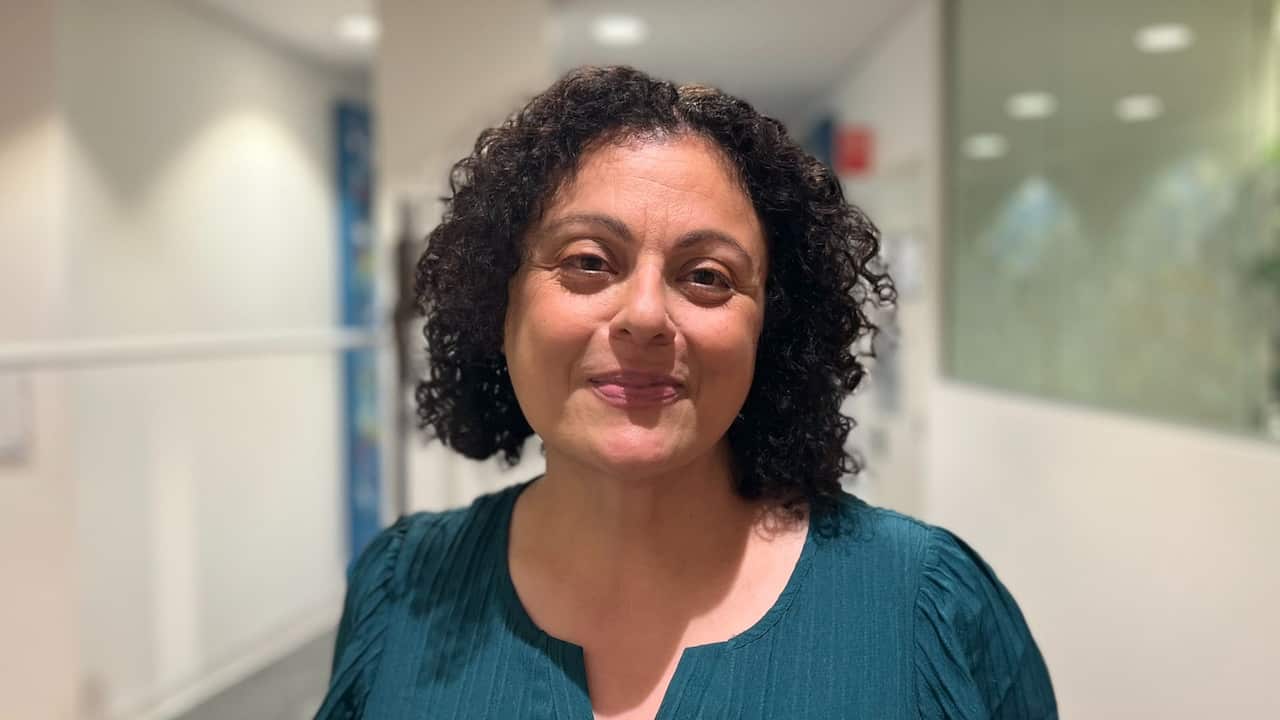
Kim says she was envious of their lives: their better mental health, freedom, and the perceived ability to do whatever they wanted.
"These strong, horrible feelings that you're feeling towards the most important people in your life was just so debilitating," she said.
Kim says she was disgusted by her own envy, but decided to do something about the way she felt.
"I started therapy, unpacking what I avoided all my life, and finally looking at that," she said.
"My relationships with everybody [are] so much better, stronger ... The jealousy — and all that — is gone."
Short-term and long-term fixes
Justin has learned to unpack his emotions with the help of therapy, meditation and time.
He wasn't sure if he could ever move past being a jealous partner, but says he now understands how to manage his feelings.
"I think a short-term fix for jealousy is constant reassurance," he said.
"But the long-term fix ... is just to love myself and to learn that you can be okay — you can be loved, you can trust people."
Justin says these lessons took a long time to learn but have had a huge impact on his self-esteem.
"Things that people say about me ... is starting to align with the way that I see myself.
"I can look in the mirror and see myself the way that other people say they see me."
For counselling, advice and support for men who have anger, relationship or parenting issues, call the Men's Referral Service on 1300 766 491.
For crisis and mental health support, contact Lifeline (13 11 14), SANE Australia (1800 187 263) or 13Yarn (139 276), a 24/7 Aboriginal & Torres Strait Islanders crisis support line.
Watch your favourite Insight episodes around the clock on SBS On Demand's dedicated Insight channel. For the latest from SBS News, download our app and subscribe to our newsletter.

Insight is Australia's leading forum for debate and powerful first-person stories offering a unique perspective on the way we live. Read more about Insight

Have a story or comment? Contact Us







