

The Pacific Australia Labour Mobility scheme, often known as the PALM scheme, allows eligible Australian businesses to hire workers from the Pacific for either short-term or long-term roles. But the scheme has been under scrutiny following media reports of worker exploitation and harsh working conditions, and advocates and unions have been urging the government to launch a reform.
Listen to Australian and world news, and follow trending topics with SBS News Podcasts.
TRANSCRIPT
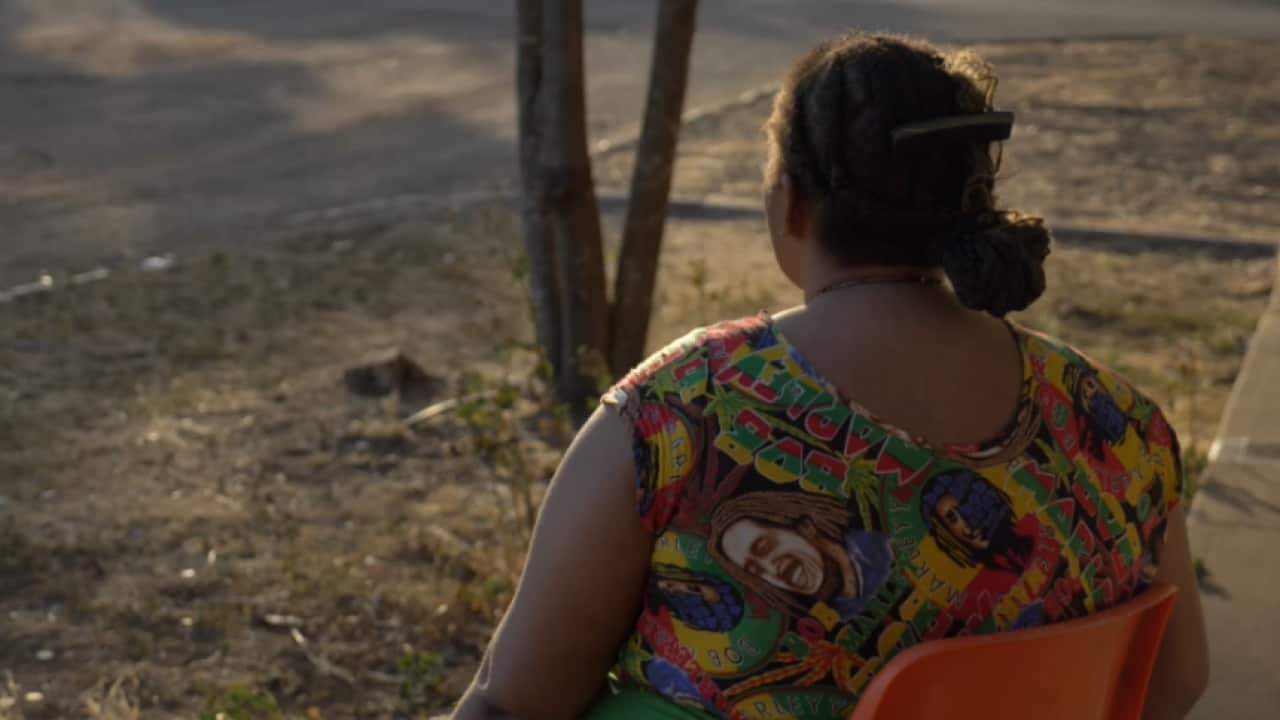
Ethel, not her real name, has worked long days to pick Australia's fruits and vegetables.
In August, the 33-year-old fell off a tractor while working on a farm in Leeton, a regional town of New South Wales.
"I fell over and I struggled to stand so I think, I don't know what is happening."
Despite the severe injury on her leg, there's no way for Ethel to seek government support.
That's not just because she's a migrant worker, but also because she's one of the over 7,000 workers who have disengaged from the Pacific Australia Labour Mobility scheme.
Often known as the PALM scheme, the government initiative offers temporary visas for workers from nine Pacific island nations and Timor-Leste to take short-term or long-term roles in Australia.
But the scheme has been under scrutiny in recent years, due to allegations of worker exploitation and harsh working conditions.
Ethel, who came from the Solomon Islands via the PALM scheme in 2022, says during her four-month work on a farm in northern Queensland, she was only left with around 200 dollars to send back to family.
That's because under the PALM scheme, employers could make deductions from the wages of workers for rent and transport.
"Family at home (were) asking for more money and we would send but we (were) left with nothing and that's why we left the PALM scheme."
Ethel left the PALM scheme and became a worker with no visa.
After her fall, she had no idea who she could turn to for help.
Paul Maytom is a former fruit picker who's now the president of the Leeton Multicultural Support Group.
He took Ethel to hospital where she underwent three surgeries, sorting out her paperwork to apply for hardship and pay for her medication.
Mr Maytom says he's met many workers who are in similar conditions as Ethel.
"The people that I've worked with over the last 18 months, they're people that either don't have enough money because they've got sick, or they got injured and there's no cover."
Once leaving the PALM scheme, many Pacific workers will either hold no visa or only be eligible for a bridging visa.
Mr Maytom says many people who turned to him for help claim to have suffered from exploitation.
And not everyone can feel safe to return home, like Constantino Waowao.
The 43-year-old from Solomon Island left the scheme due to mistreatment by his employer in 2022.
His sexual identity makes him scared of returning to Solomon Island, and since 2023, he's been on a bridging visa waiting to be granted a protection status.
"I'm gay, I will never go back, if I go back they will kill me, that's why I'm here".
Ken Dachi is from Welcoming Australia, a non-for-profit organisation that has supported dozens of disengaged workers in Leeton.
He says because of limited protections, disengaged workers are at significant risk of exploitation including underpayment, forced labour and deceptive recruitment.
"A certain percentage of the food we buy everyday is from the hands of a disengaged workers. It's exploited labour that's contributed to its coming to the shelf."
He says allowing workers to move between employers on the PALM scheme would lead to fewer disengaged workers.
Leeton has a reputation for welcoming newcomers, but Mr Dachi says their support systems aren't designed to manage the scale and complexity associated with widespread worker disengagement.
"Goodwill is not a strategy. Is it sustainable? No, there's donor fatigue, there's volunteer fatigue."
Justin Davidson is a fifth-generation family farmer who grows oranges in Leeton.
He wants a model that better protects and employs disengaged workers.
"I think everyone can acknowledge it is a problem and we need to address it, it's not sustainable."
Paul Maytom says there must be a safety net, such as interim health cover for disengaged workers, and an amnesty for the ghost workforce to be re-engaged into the scheme.
"I'm grateful for whatever support we can get but we can't keep on doing what we're doing, we must find a way forward."