Mai ia Mabo i le tulaga i aso nei: pule i fanua (native title)

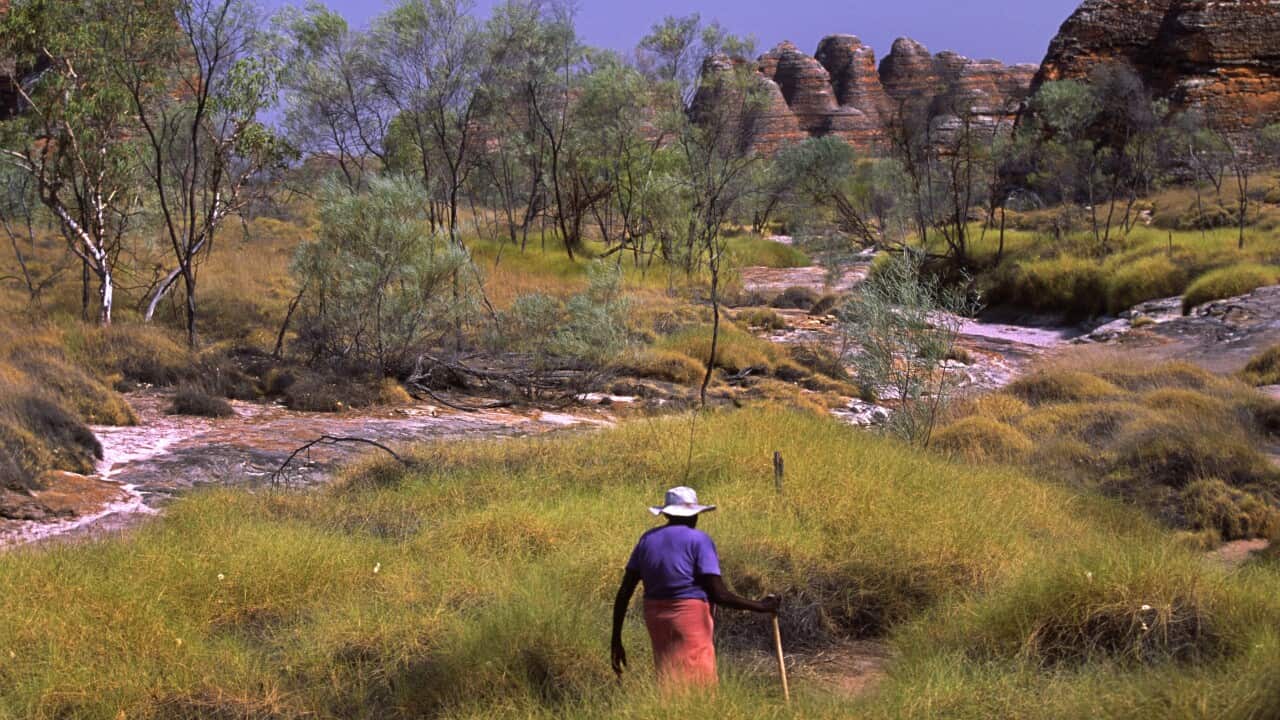
Australia - Bungle Bungles - Eco Tourism

Tamba Banks of the Jaru tribe, whose family once lived in the Bungle Bungles, [known to her people as Billingjal], is one of the traditional owners of the Purnululu national park. Credit: Barry Lewis/Corbis via Getty Images

E lauiloa le atunu'u o Ausetalia i tu ma aganu'u a ona tagata muamua. O se va'aiga lenei i le mata'upu i le pule ma aia a tagata muamua i fanua. O le a le uiga o le native title e pei ona amata mai le mata'upu na finauina e Mabo e tau i le Tulafono le Native Title Act ma mafua'aga e taua ai i tagata Ausetalia.


Key Points
  • Native title - o le aloa'ia lea i lalo o le tulafono o aia ma le pule e tagata Aboriginal ma Atumotu Torres Straits i fanua ma vai ona oa latou tu ma aganu'u na fa'aauau ai ia so'otaga.
  • Native title - e mafai ai e tagata muamua ona fa'aauau ona fa'atino a latou tu ma aganu'u e pei ona masani ai.
  • O le to'atele o tagata o loo nonofo ma aumau i taulaga ma ua fa'atauina o latou fale, e le a'afia ai ia meatotino i lalo o le native title.
LAPATA'IGA: O lenei ripoti e aofia ai ata ma suafa o tagata ua maliliu.
O le pule fa'asino (native title), aia i fanua (land rights) ma se feagaiga (treaty), o auala ia e tolu e opogi ai ma fa'amalosia so'otaga o tagata Aboriginal ma Atumotu Torres Straits ma o latou fanua ma 'ele'ele.

O le ripoti lenei o le a fa'asaga tonu i le mata'upu i le pule fa'asino, le native title, ma auala e 'ese mai ai i aia i fanua poo land rights.

Na fa'apefea ona amata le pule fa'asino (native title)?

I le 'ova i le 200 tausaga, na va'ai ai le to'atele o tagata i le atunu'u o Ausetalia o le terra nullius, o lona uiga o “fanua lē 'ainā”, ma le aloa’ia ai le tulaga fa’aletagata o tagata Aboriginal ma Atumotu Torres Straits na aumau i’inei ae le’i taunu’u mai papalagi.

O le va’aiga lenei na suia atoa i le mata’upu a Mabo i le Fa’amasinoga – le Mabo Case.

I le 1982, o se vaega o tagata Meriam na ta’ita’ia e le ali’i o Eddie Koiki Mabo na fa’auluina se tagi i le fa’amasinoga e aloa’ia ai la latou pule fa’asino pe o lo latou fa’asinomaga motu o le Murray Islands i le Torres Strait — o ni motu laiti i Matū o Queensland.

E lata i le 10 tausaga o fa’agasolo le mata’upu lenei i le fa’amasinoga. I le 1992, na aumai ai le fa’ai’uga a le Fa’amasinoga Maualuga, le High Court of Australia, e amana’ia ai le pule fa’asino (native title) a tagata Meriam i motu o le Murray Islands. O i’ina na tapē ma soloia atoa ai le finauga i fanua lē ‘ainā, ‘terra nullius’.

I le mae’a ai o le fa’ai’uga lena, na pasia ai e le Palemene Tele le Tulafono, le Native Title Act 1993.

I le Aso 15 o Novema 1993, na saunoa ai le palemia Paul Keating i le tali a lana faigamalo i le fa’ai’uga a le High Court i le mata’upu le ua fa’aigoaina o le Mabo decision.

“The Court's decision was unquestionably just. It rejected a lie and acknowledged a truth. The lie was terra nullius – the convenient fiction that Australia had been a land of no one. The truth was native title – the fact that the land had once belonged to Aboriginal and Torres Strait Islander Australians and that in some places a legal right to it had survived the 200 years of European settlement.”

O le a le uiga o le pule fa'asino (native title?

O le pule fa’asino (native title) e aloa’ia ai le tumau pea o aiā tatau a Tagata Muamua i ‘ele’ele ma vai e pei ona fa’aalia ma tu’u gutu ma tu’u taliga mai ia latou tū ma aganu’u. O aiā tatau nei e le tōina mai e le faigamalo pe tu’uina mai e auala i ni feutaga’iga – e aloa’ia i lalo o tulafono ma le fa’amasinoga.

E tele ina va’ai i le pule fa’asino (native title) o se “fuifui o aiā tatau”, ona e lē tasi ae ‘ese’ese aiā tatau o loo aofia ai. E ono aofia ai le aiā e fa’aaogāina ai fanua mo le tutuli o manu, faigā faiva, ma le tausiga o nofoaga e tapu i tagata muamua.

E aloa’ia ai le pule ma le aiā tu’u fa’atasi a tagata muamua i se alaalafaga e afua mai faiā ma so’otaga ma ‘ele’ele i lalo o tū ma aganu’u, ae lē o se pule tu-ma’oti e fa’aaogāina ai fanua mo se polofiti.

Peita’i, e lē suia e le pule fa’asino (native title) isi aiā tatau i fanua, e pei o le fa’aaogāina mo fa’ato’aga, maina, poo mana’oga o pulega fa’aitūmalo. I le tele o taimi, e va’ava’alua aiā ma pule nei ma le native title. O lona uiga, e iai taimi e fa’asoa fa’atasi ai e Tagata Muamua aiā tatau i fanua ma isi tagata e pei o le ‘au fai fa’ato’aga, kamupani maina, ma pulega fa’aitūmalo.

Mo tagata Aboriginal ma atumotu Torres Straits, e lē na o fanua e tāua ai le pule fa’asino (native title) – e tāua ona o le fa’asinomaga, aganu’u ma so’otaga.

E pei ona fa’amatalaina e Professor Peter Yu, o se ali’i Yawuru:

“What native title does is provide you with the opportunity to reframe the nature of fundamental rules that govern your community and relationship. So basically, that’s in terms of my own community. What it does do, also provides a reinvigorated foundation for learning and relearning languages, and song and dance, and cultural knowledge so that were able to continue the path of building succession capabilities in our family and in in our tribal groups.”
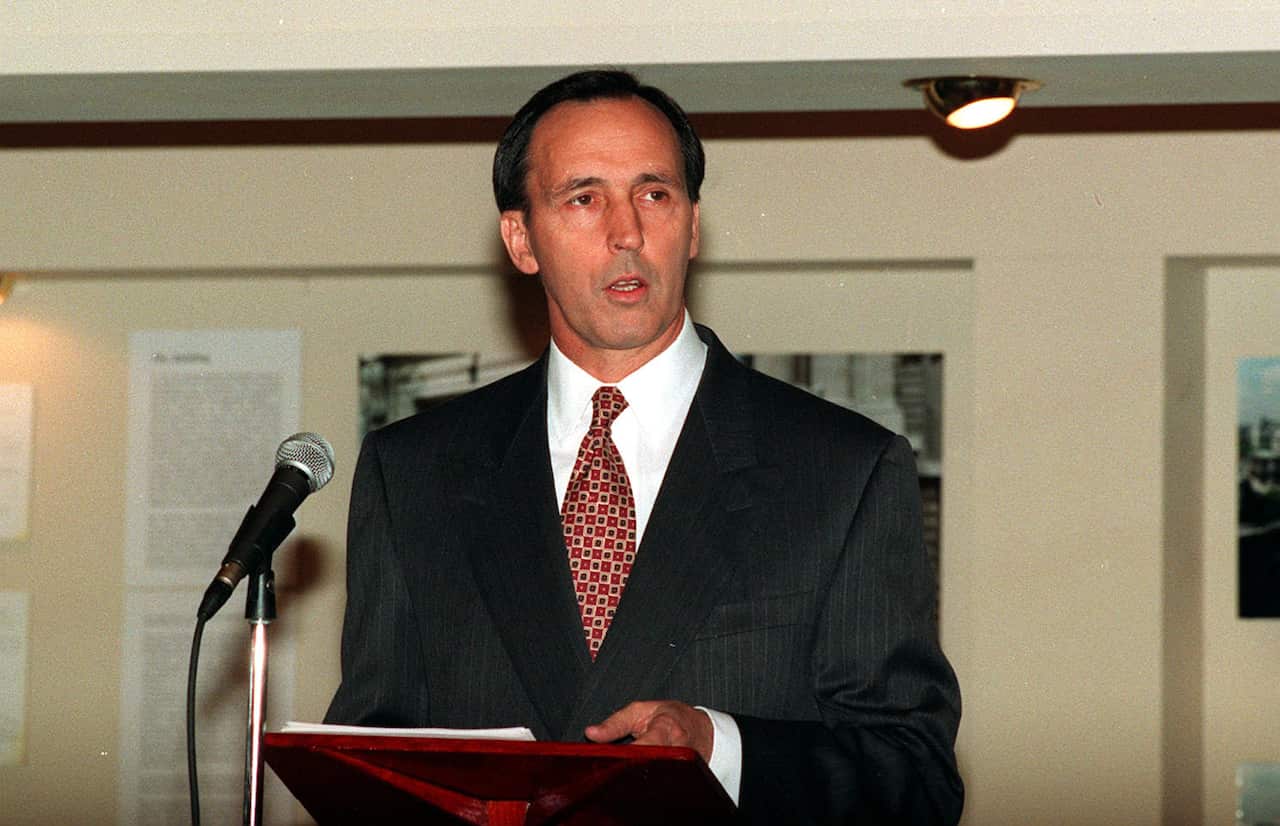
GettyImages-830426724.jpg
Australian Prime Minister Paul Keating (1993).

Aisea e lavelave ai mata'upu i le native title?

E faigofie ona aloa'ia.

Ae mo le fa'avaeina o le pule fa'asino (native title), e tatau i tagata muamua o se nu'u ma alaalafaga ona aumaia molimau e fa'amaonia ai le fa'aauau o so'otaga ma se fanua - e tele ina pasi mai auga tupulaga e auala i tala tu'u ma fagogo poo nisi fa'amaumauga.

E le gata i lea, o mata'upu i le tulafono e lavelave ona e le ogatasi le tele o faiga o tulafono aganu'u a tagata muamua ma le Fa'amasinoga e pei ona silafia ai e le to'atele o tagata.

E pei ona fa'amatalaina e le tama'ita'i loia o Gwynette Govardhan:

“You're trying to fit a traditional culture into a framework, we're just trying to stuff it in and try to make it work, when really there are inherently challenges in that which creates problems, because the system itself that we're trying to fit into has not been created, the framework has not been designed for that.”
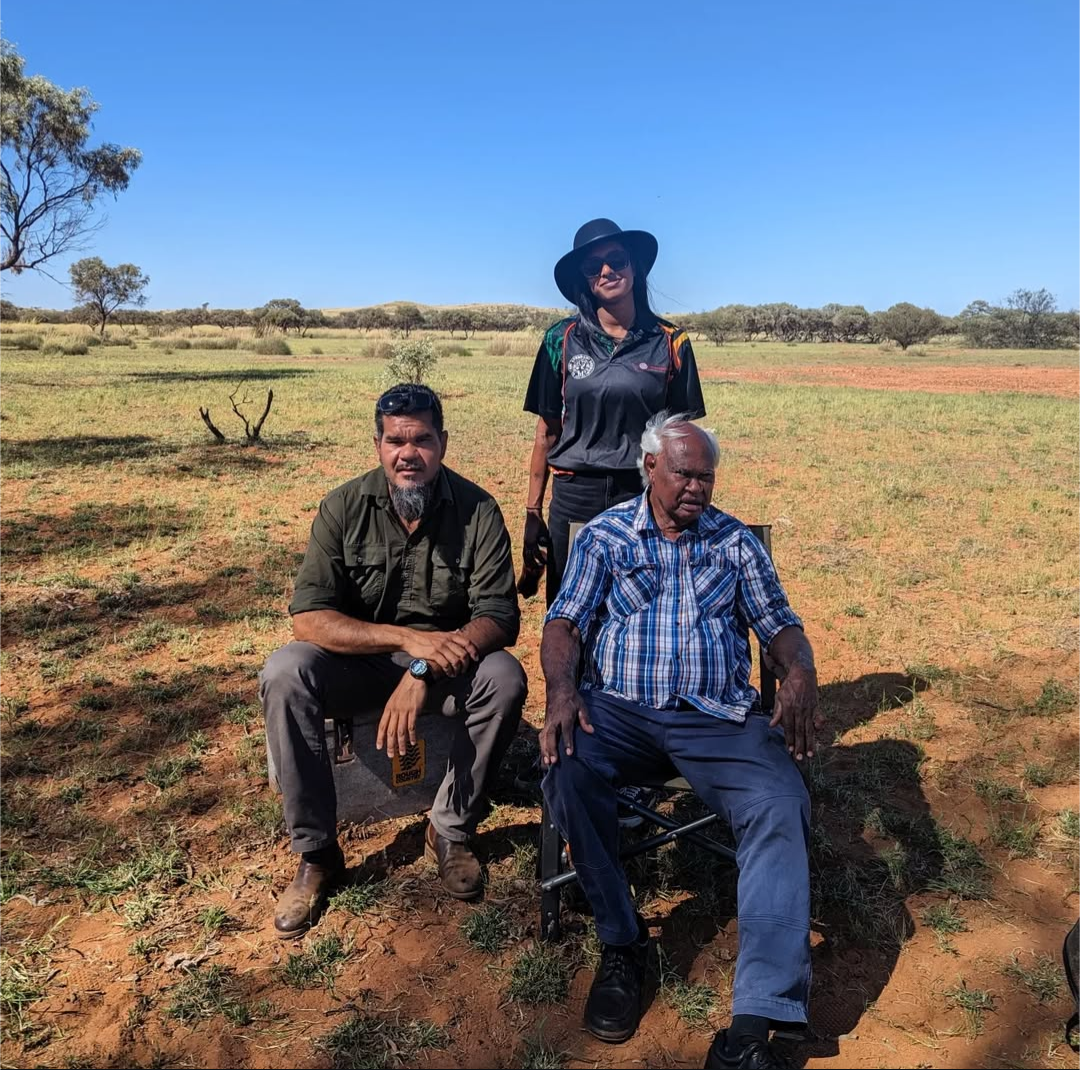
Gwynette Govardhan.png
Yinhawangka Law Men Marlon Cooke (left) and David Cox ('Barndu') (right) with Gwynette Govardhan on Yinhawangka Country during a field trip to collect evidence (stories and land markings) of cultural heritage.

O le a le aofa'i o 'ele'ele o Ausetalia o loo aofia i le native title?

Talu ona pasia le Tulafono le Native Title Act, o le aofa'i o 'ele'ele ua aofia i lalo native title ua aofia ai le 40 pasene o Ausetalia, e tele lava i nu'u maotua lea o loo tumau ma malosi ai so'otaga o tagata muamua le 'ele'ele ma fanua.

E tatau ona manatua, e 'ese'ese le pule fa'asino ma le pule tu-ma'oti i se fanua.

E pei ona fa'amatalaina e Gwynette Govardhan:

“I think it's really important to know, this is very generally speaking but something like native title rights and interests are really not going to affect people on a personal level...”
Gwynette Govardhan.jpg
Yinhawangka Country in the Pilbara region taken by Gwynette Govardhan during an on Country field trip.
Audio of Prime Minister Paul Keating’s 1993 address courtesy of the National Archives of Australia (NAA).

Subscribe to or follow the Australia Explained podcast for more valuable information and tips about settling into your new life in Australia.   

Do you have any questions or topic ideas? Send us an email to australiaexplained@sbs.com.au 
spk_0

SBS acknowledges the Traditional Custodians of Country and their connections and continuous care for the skies, lands and waterways across Australia.

spk_1

You're listening to Australia Explained, an SBS audio podcast helping you navigate life in Australia.

spk_2

Warning, this story contains the names of people who have passed.

spk_3

Native title continues to evolve with new agreements shaping how land, water, and heritage are protected for future generations across Australia.

spk_3

I'm Nikayah Hutchings, a proud Wanneroo Rongai woman, and today I'll be hosting this special episode of Australia Explained. Australia is known around the world for its rich and diverse First Nations cultures, but when it comes to native title and land rights, you might still wonder what they actually mean. So, what is native title, and how did it come about?

spk_3

Native title, land rights, and treaty are three different approaches used to strengthen this culture and keep Aboriginal and Torres Strait Islanders connected to the land. You can find out more about land rights and treaty in our previous episodes. This episode is about native title. We'll explain what it is, the history, and how it differs from land rights and what it means.

spk_3

For more than 200 years, Australia was declared terra nullius, meaning empty land, not recognising the Aboriginal and Torres Strait Islander peoples who lived here before white settlement.

spk_3

That changed with one historic legal case, the Mabo case. In 1982, a group of Meriam people led by Eddie Mabo began a legal case seeking recognition of their traditional ownership of the Murray Islands in the Torres Strait, a small group of islands just above the tip of Queensland at the very top of Australia. The case was lengthy, lasting nearly a decade.

spk_3

Then in 1992, the High Court of Australia made a landmark decision

spk_3

recognising that the Meriam people held native title over their lands, this ruling was historic. It overturned the long-held legal fiction of terra nullius. Following that decision, the Native Title Act 1993 was passed by the Federal Parliament. On 15 November 1993, then Prime Minister Paul Keating addressed the nation.

spk_3

Outlining the Australian government's response to the High Court's Mabo decision,

spk_4

The court's decision was unquestionably just. It rejected a lie and acknowledged the truth. The lie was terra nullius, the convenient fiction that Australia had been a land of no one. The truth was native title, the fact that the land had once belonged to Aboriginal and Torres Strait Islander Australians, and that in some places a legal right to it had survived the 200 years of European settlement.

spk_3

Native title is recognising that some First Nations peoples still have rights to their land and waters based on their traditional laws and customs. These rights are not given by governments or made through negotiation.

spk_3

They are recognised by Australian courts. Native title is often described as a bundle of rights because it includes many different rights, not just one. These rights can include using land and waters for hunting, fishing, ceremonies, and caring for important cultural places.

spk_3

It recognises collective or communal rights that stem from long-held cultural and spiritual traditions rather than private or commercial ownership. However, native title does not replace other land uses such as farming, mining, or local government activities.

spk_3

In many places, these uses exist alongside native title. This means First Nations peoples often share land rights with others, like farmers, miners, or councils. For Aboriginal and Torres Strait Islander communities, native title is about far more than land.

spk_3

It's about identity, culture, and belonging. Professor Peter Yu, Yawuru leader and academic, explains

spk_5

What native title does is provide you with the opportunity to reframe the nature of fundamental rules that govern your community and relationships. So that's basically in terms of my own community. What it does do is it also

spk_5

Provides a reinvigorated foundation for learning and relearning languages and song and dance and cultural knowledge so that we are able to continue the path of building succession capabilities in our families and in our tribal groups.

spk_3

But achieving recognition isn't simple. To establish native title, communities must show ongoing connection to the land, often through oral histories, stories, and records passed down through generations. The legal process is complex, and traditional law and custom don't always fit neatly into Western legal frameworks. Lawyer Gwynette Govardhan, who specialises in native title.

spk_3

And heritage law explains the challenges.

spk_6

We're trying to fit a traditional culture into like a framework. We're just trying to stuff it in and trying to make it work when really, and yeah, there's inherently challenges in that which creates problems because the system itself that we're trying to fit into has not been created. The framework has not been designed for that.

spk_3

Even so, native title has brought real and lasting change. It has helped communities revive their languages, restore traditional ways of caring for land and water, and take a stronger role in decisions about their traditional land and waters. Since the Native Title Act was introduced, native title now covers around 40% of Australia.

spk_3

Mostly in remote and regional areas where traditional connection to country has been maintained, but it's important to remember that this is different to land ownership. If you're living in a city or regional area, like many migrants, native title probably won't change your daily life, but understanding it is a step toward respect and reconciliation. Gwynette Govardhan again.

spk_6

I think it's really important to note, and this is very

spk_6

generally speaking, but something like native title rights and interests are really not going to affect people on a personal level. People think it's going to affect their life on like a day to day, and I can't really see it doing that.

spk_3

As Paul Keating said when reflecting on the Mabo decision, bringing native title into Australia's land management system was not just about justice for First Nations peoples. It was a step forward.

spk_3

For all Australians.

spk_4

We can move on to see Mabo is a tremendous opportunity. It is an opportunity to right an historic wrong, an opportunity to transcend the history of dispossession, an opportunity to restore the age-old link between Aboriginal land and culture, an opportunity to heal a source of bitterness, an opportunity to recognise Aboriginal culture as a defining element of our nationhood, and to make clear.

spk_4

This Australia, this modern, free, and tolerant Australia can be a secure and bountiful place for all, including the first Australians.

spk_3

For many First Nations peoples, native title is not just a legal process, it's a way to keep their ancestors' stories alive. For people new to Australia, understanding native title helps us see the deep connection First Nations peoples have with the land.

spk_3

A connection that's thousands of years old and still alive today. Native title continues to evolve with new agreements shaping how land, water, and heritage are protected for future generations across Australia. Land rights, treaty, and native title all have

spk_3

Legal and political processes, but all aim to recognise First Nations peoples' connection to country and support self-determination.

spk_5

We need to have our land, our culture, our language, and our community. We're not opposed to development, but we need to have this as the foundation.

spk_3

Thank you for listening to this episode written by me, Nikyah Hutchings. Australia Explained managing editor is Rosa Germian. Sound design and mix is by Maram Ismail.

spk_1

This was an SBS audio podcast. For more Australia explained stories, visit sbs.com.au/australiaexplained.

spk_2

Subscribe or follow the Australia Explained podcast for more valuable information and tips about settling into your new life in Australia. Do you have any questions or topic ideas? Send us an email to australiaexplained@sbs.com.au.

END OF TRANSCRIPT

Share
Follow SBS Samoan

Download our apps
SBS Audio
SBS On Demand

Listen to our podcasts
Independent news and stories connecting you to life in Australia and Samoan-speaking Australians.
A podcast series exploring the world of rugby league from a Samoan perspective.
Get the latest with our exclusive in-language podcasts on your favourite podcast apps.

Watch on SBS
SBS World News

SBS World News

Take a global view with Australia's most comprehensive world news service