آسٹریلیا میں اخلاقی ذمہ داری کے ساتھ انڈیجنس آرٹ اور دستکاری کیسے خریدیں

Australia Explained - Indigenous Art

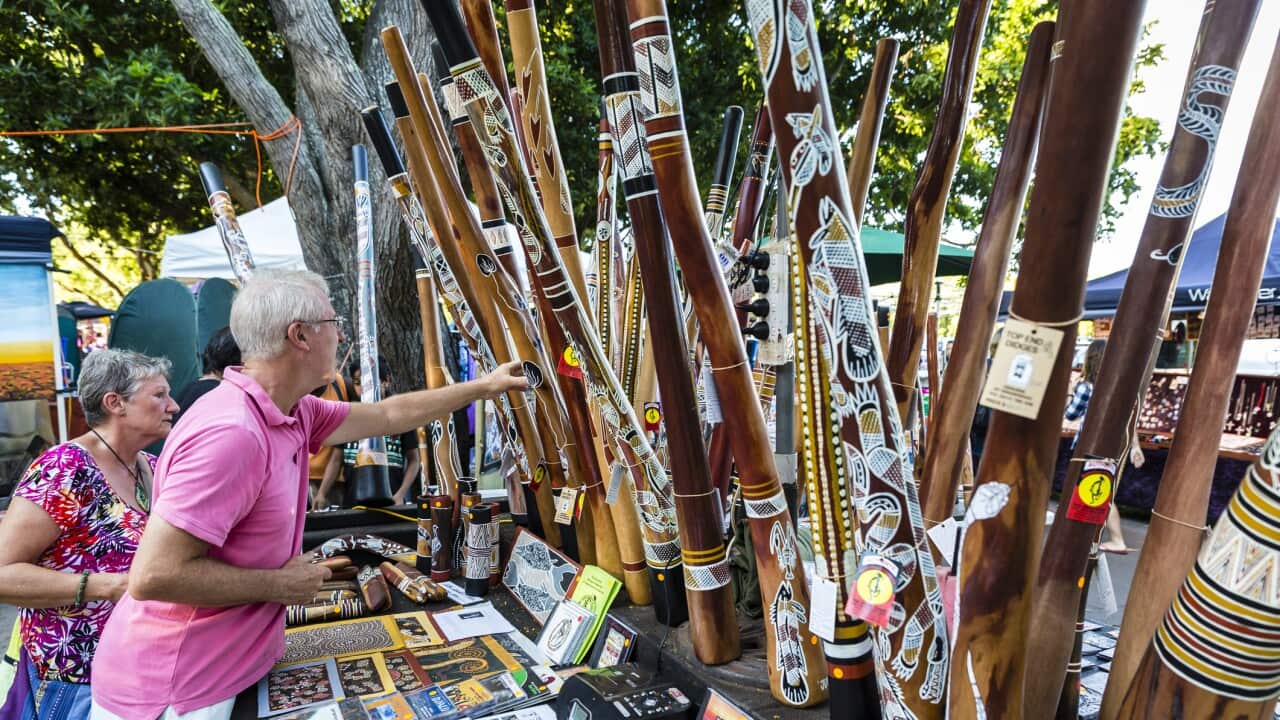
According to Productivity Commission estimates, three quarters of Indigenous-style souvenirs in the Australian market are made overseas. Credit: Richard I'Anson/Getty Images

ٹورس اسٹریٹ آئی لینڈر اور انڈیجنس آرٹ خریدنا ایک با معنی عمل ہے، لیکن آپ کو کیسے معلوم ہوگا کہ یہ اصلی اور اخلاقی ذمہ داری کے ساتھ خرید و فروخت کے لئے پیش کیا گیا ہے؟ آسٹریلیا میں جعلی/نقلی آرٹ اب بھی ایک مسئلہ ہے، اور اس حوالے سے تحفظات اب بھی تیاری کے مراحل پر ہیں۔ یہ گائیڈ آپ کو یہ سمجھنے میں مدد کرتا ہے کہ کیا تلاش کرنا ہے، کون سے سوالات پوچھنے ہیں، اور محفوظ طریقے سے کہاں خریدنا ہے۔ احتیاط سے انتخاب کر کے، آپ فرسٹ نیشنز کے فنکاروں اور ان کی کمیونٹیز کی مدد کر سکتے ہیں۔


Key Points
  • آسٹریلیا میں مقامی ثقافتی اور دانشورانہ املاک کے تحفظ کے لیے قانونی کوششیں جاری ہیں۔
  • ایب اوریجنل یا ٹورس اسٹریٹ آئی لینڈر آرٹ اور کرافٹ بیچنے والوں سے صحیح سوالات پوچھنا کلیدی حیثیت رکھتا ہے۔
  • فرسٹ نیشنز کے مستند آرٹ ورک کو خریدنا فنکاروں، کمیونٹیز اور صارفین کے لیے مشترکہ فوائد کا ترجمہ کرتا ہے۔

مستند فرسٹ نیشنز کے فن پاروں کو عام طور پر اہم ثقافتی اور فنکارانہ قدر سمجھا جاتا ہے۔

اس کی وجہ یہ ہے کہ وہ ثقافتی ورثے کا حصہ ہیں جو 60,000 سالوں سے نسلوں کے ذریعے منتقل ہوتے ہیں۔

کیا آسٹریلیا میں انڈیجنس فن اور دستکاری کو تحفظ حاصل ہے؟

انڈیجنس کلچرل اینڈ انیلیکچول پراپرٹی () ایب اوریجنل اور ٹوریس اسٹریٹ آئی لینڈر لوگوں کے روایتی علم اور ثقافتی اظہار کے تمام پہلوؤں کا احاطہ کرتا ہے۔

علامتیں اور ڈیزائن () کی سب سے زیادہ پہچانی جانے والی شکلیں ہیں۔

Australia Explained - Indigenous Art
A carved wooden fish from the Torres Strait Dauan Island community. Credit: Oliver Strewe/Getty Images

“ لیکن () آرٹ ورک کے صرف مادی اجسام سے زیادہ ہے،" سٹیفنی پارکن، کوانڈاموکا آئی پی کی وکیل، بتاتی ہیں۔

()میں وہ تمام چیزیں شامل ہیں جو آپ نہیں دیکھ سکتے، آرٹ ورک کے پیچھے کی کہانی، وہ تمام چیزیں جنہوں نے فنکار کو اس کام کو تخلیق کرنے اور اس طرح سے اپنی کہانی سنانے پر متاثر کیا ہے۔"

فن کا طرز عمل اور معنی کمیونٹیز کے درمیان نمایاں طور پر مختلف ہو سکتے ہیں، اس لیے مقامی سیاق و سباق کو سمجھنا ضروری ہے۔ 

آسٹریلوی حکومت نے()کے تحفظ کے لیے مخصوص قوانین متعارف کرانے کا عہد کیا ہے، جس میں "جعلی آرٹ، تجارتی سامان، اور تحائف سے ہونے والے نقصان کو دور کرنا بھی شامل ہے۔" یہ تحفظات اب بھی تیار ہو رہے ہیں۔

سٹیفنی پارکن انڈیجینس آرٹ کوڈ کی چیئر بھی ہیں، یہ ایک قومی تنظیم ہے جو 2007 میں سینیٹ کی انکوائری کے بعد قائم کی گئی تھی تاکہ کاروباری اداروں اور آرٹ ڈیلرز کے لیے رضاکارانہ صنعت کے ضابطہ اخلاق کے ذریعے فنکاروں اور ان کے فن کی حفاظت کی جا سکے

جعلی آرٹ کا مسئلہ کئی دہائیوں سے چل رہا ہے۔ یہ فنکاروں کے لیے صرف مالی پہلوؤں کو متاثر نہیں کر رہا ہے، بلکہ ثقافتی نقصان اور کمیونٹیز کے لیے اثرات بھی ہیں۔
Stephanie Parkin

میں ابوریجنل یا ٹورس اسٹریٹ آئی لینڈر آرٹ کو ذمہ داری سے کیسے خرید سکتا ہوں؟

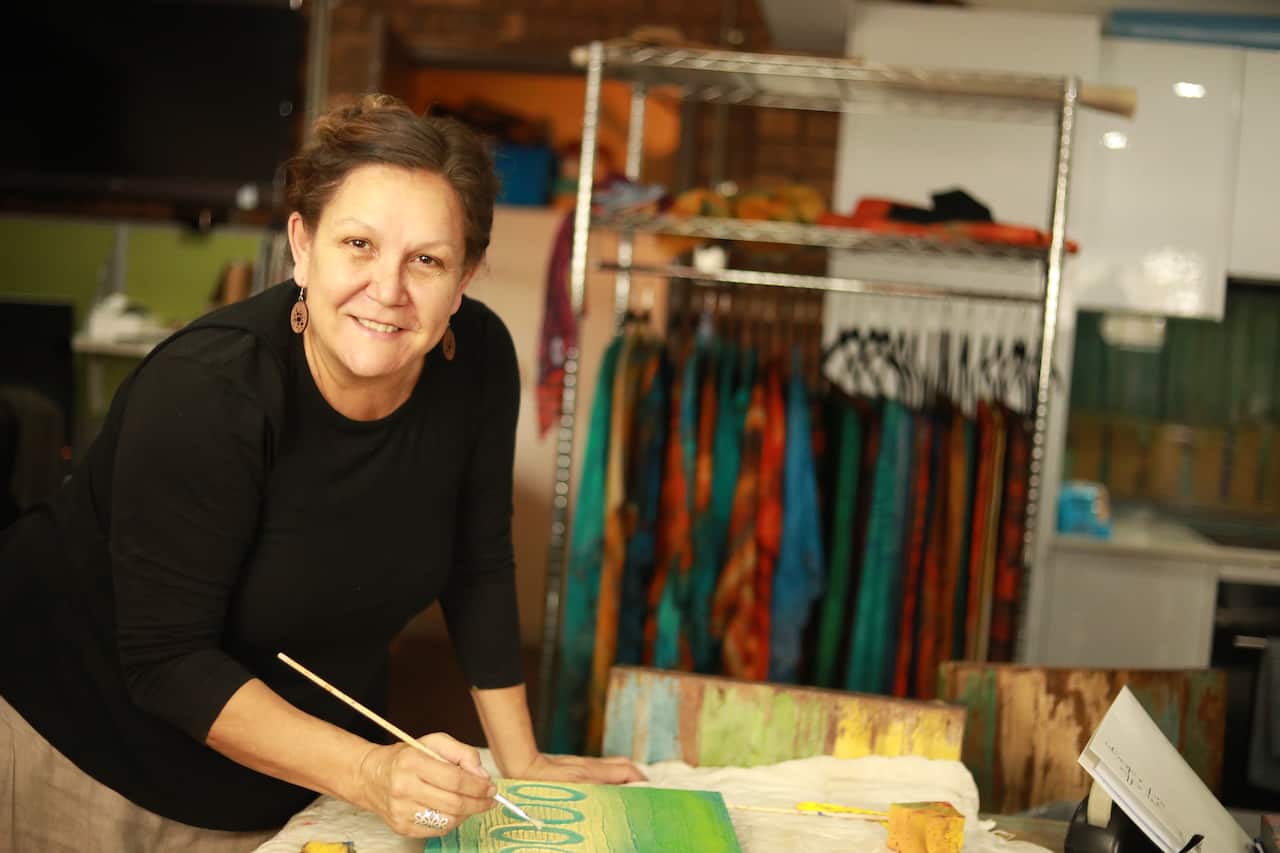
سریٹا فیلڈنگ وونارواہ قوم کی ایک فنکار، ڈیزائنر اور کاروباری خاتون ہیں جو انڈیجنس آرٹ کوڈ کے بورڈ آف ڈائریکٹرز میں خدمات انجام دیتی ہیں۔

وہ کہتی ہیں، "جب آپ آسٹریلیا میں مقامی لوگوں سے آرٹ کا کوئی نمونہ خرید رہے ہیں تو یہ واقعی ایک اخلاقی سفر اور ثقافتی سفر ہے۔"

محترمہ فیلڈنگ نے صارفین کے لیے تین اہم اقدامات کا خاکہ پیش کیا:

  •  کام کی صداقت کا اندازہ لگائیں۔
  • اخلاقی تجارتی چینلز سے جڑیں۔
  • صحیح سوالات پوچھیں۔
Saretta Fielding_at work 2_image Raymond Kelly.jpg
Saretta Fielding says asking the right questions is key. Credit: Saretta Fielding 2021/Raymond Kelly

میں مستند، اخلاقی طور پر تجارت شدہ دیسی آرٹ کہاں سے خرید سکتا ہوں؟

مستند ایب اوریجنل تخلیقات اور تجارتی سامان انڈیجنس فنکاروں کے ذریعہ ملک سے تعلق کے ساتھ بنایا جاتا ہے یا کسی فنکار کی اجازت سے دوبارہ تیار کیا جاتا ہے۔

اخلاقی چینلز کے ذریعے خریدنا اس بات کو یقینی بناتا ہے کہ معاشی منافع تخلیق کاروں اور ان کی برادریوں کو فائدہ پہنچاتا ہے۔

محترمہ پارکن کا کہنا ہے کہ اس کے بارے میں جاننے کے مختلف طریقے ہیں، بشمول فنکاروں سے براہ راست خریداری، انڈیجنس فن میلوں یا ملک بھر میں 100 سے زیادہ انڈیجنس آرٹ مراکز کے ذریعے یہ خریداری ممکن ہے۔

آپ کسی کاروبار، گیلری یا آرٹ ڈیلر کو بھی تلاش کر سکتے ہیں جو ان کے شاپ فرنٹ یا ویب سائٹ پرانڈیجنس آرٹ کوڈ کا سیاہ اور سرخ لوگو دکھا رہا ہو۔ یہ صارفین کو یقین دہانی کے طور پر فنکاروں کے ساتھ اخلاقی تجارت کے لیے رضاکارانہ وابستگی کی نشاندہی کرتا ہے۔

Aboriginal Art Co 02[36] copy.jpg
Any piece of Aboriginal and Torres Strait Islander art over $250 should come with a Certificate of Authenticity. Credit: Aboriginal Art Co.

میں انڈیجنس آرٹ یا کرافٹ بیچنے والوں سے کیا پوچھوں؟

چاہے آپ اصلی آرٹ خرید رہے ہوں یا لائسنس یافتہ ڈیزائن ری پروڈکشن، یہ ضروری ہے کہ آپ جانتے ہوں فنکار، فنکار کا ملک سے تعلق اور کن حالات میں اس کی تجارت کی جاتی ہے۔

آرٹسٹ ساریٹا فیلڈنگ کا کہنا ہے کہ "اس معلومات کا ہونا اور صحیح سوالات پوچھنے کے لیے آپ کا آگاہ ہونا واقعی پہلا قدم ہے۔"

وہ انڈیجینس آرٹ کوڈ کی ویب سائٹ پر دستیاب مشورے پر عمل کرنے کی تجویز کرتی ہے۔

آپ ان سوالات کے ساتھ شروع کر سکتے ہیں:

  • فنکار کون ہے؟
  • فنکار کہاں سے ہے؟
  • فنکار کو تنخواہ کیسے ملتی ہے؟
Australia Explained - Indigenous Art
Dot painting is one of the many forms of Aboriginal art, and varies from region to region. Credit: Marianna Massey/Getty Images

کیا تمام ایب اوریجنل اور ٹوریس آئلینڈر آرٹ ایک جیسے ہیں؟

ایب اوریجنل اور ٹوریس اسٹریٹ آرٹ کی اخلاقی خرید اس بات کو یقینی بناتی ہے کہ فنکار اور کمیونٹیز وسیع تر سامعین کے ساتھ اپنے ورثے کی گہرائی اور تنوع کا اشتراک جاری رکھ سکتے ہیں۔

اکثر جب آپ کسی فنکار کے کام کو خریدتے ہیں، تو یہ واقعی ایسی چیز ہوتی ہے جس سے ان کی برادریوں کو بھی فائدہ ہوتا ہے۔
Saretta Fielding

آسٹریلیا میں فرسٹ نیشنز آرٹ ہزاروں سال پر محیط ہے اور مسلسل ترقی کر رہا ہے۔

 یہ مختلف شکلوں اور طرزوں میں آتا ہےاور سینکڑوں مختلف زبانوں اور ثقافتوں کی یہ نمائندگی کرتا ہے۔

محترمہ فیلڈنگ نے نتیجہ اخذ کیا کہ اس غلط فہمی سے ہوشیار رہیں کہ "اایب اوریجنل فنکار سب ایک جیسے ہوتے ہیں" ۔

"ہم متنوع ہیں اور ہم علاقائی، دور دراز اور یہاں تک کہ شہروں میں رہتے ہیں۔ اور ہم مستند ایب اوریجنل آرٹ کو بازار میں لانے کے لیے کام کر رہے ہیں۔"

Subscribe to or follow the Australia Explained podcast for more valuable information and tips about settling into your new life in Australia.

Do you have any questions or topic ideas? Email australiaexplained@sbs.com.au

spk_0

SBS acknowledges the Traditional Custodians of Country and their connections and continuous care for the skies, lands and waterways across Australia.

spk_1

You're listening to Australia Explained, an SBS audio podcast helping you navigate life in Australia.

spk_2

Yiradhu marang, hello, I'm Lowanna Grant, proud Wiradjuri and Western Arrernte woman, and the executive producer of NITV Radio. Every month through Australia Explained, we share First Nations' perspectives and stories, and in this episode, we'll take a look at something that you might have on your wall or perhaps even on your fridge, Indigenous artwork.

spk_2

Did you know that 3 out of 4 souvenirs marked in Australia as Indigenous made or inspired have been found to be inauthentic? So how can you tell what's real, and why does it matter? In this episode, we'll hear from Indigenous leaders and experts about the impact of fake art, how to recognise ethical products and where you can find them. So you can feel confident buying First Nations art and craft products ethically in Australia.

spk_2

Buying First Nations artwork and crafts offers more than just a beautiful piece for yourself, it can also create real cultural, social, and economic impact. Behind many Aboriginal and Torres Strait Islander artworks and crafts, lies more than 60,000 years of cultural knowledge passed down through generations. Indigenous cultural and intellectual property, ICIP, describes

spk_2

the rights Indigenous people, including artists, have to their heritage and cultural practises. So what should buyers of Indigenous art know about this? We asked Stephanie Parkin, an intellectual property lawyer belonging to the Quandamooka People.

spk_3

Another word for ICIP is cultural heritage, and we refer to cultural heritage as a whole range of different things Traditional knowledge, information.

spk_3

stories, songs, languages that our ancestors created over many generations of living on this country, and yes, ICIP is more than just the physical piece of artwork that you might hang on the wall. ICIP includes all the things that you can't see, the story behind the artwork, all of the things that have influenced the artist to create that work and tell their story in that way.

spk_2

The Australian government has committed to introducing specific laws to protect First Nations knowledge and cultural expression,

spk_2

recognising the harm that fake art, merchandise, and souvenirs have had. It follows years of advocacy to stop the widespread sale of imitation products created by non-indigenous people and products featuring expressions of country without proper licencing, Ms Parkin says.

spk_3

It's fair to say that the issue of fake art has been around for a long time. It's decades really, so artists wanted something done and

spk_3

trying to raise awareness that fake art is not just impacting financial aspects for artists. There's also cultural damage and impacts.

spk_2

Stephanie Parkin is also chair of the Indigenous Art Code, a national organisation established after a Senate inquiry in 2007 to protect artists and their art through a voluntary industry code of conduct for businesses and art dealers.

spk_2

Ms Parkin says there are different pathways to buy Indigenous artwork, including directly from artists, Indigenous art fairs, or through more than 100 Indigenous art centres across the country. Looking for the black and red sphere logo of the Indigenous art code is one way to help ensure you are buying ethically.

spk_3

When a dealer or an art gallery has gone through the process of membership and once that membership

spk_3

has been approved by the Indigenous Art Code. They're then provided with logos that can be put on the art dealer's website or the shop front, and then that is for consumers to see that they've committed to ethical practises when dealing with artists.

spk_2

Saretta Fielding is an artist, designer, and businesswoman of the Wonaruah Nation who serves in the board of directors of the Indigenous Art Code.

spk_2

Purchasing a First Nations creation is ultimately an ethical and a cultural journey, she says, and it comes down to three key steps.

spk_4

People knowing how to ask the right questions, to connect with the right channels, and to gauge the authenticity of the work.

spk_2

Whether you're buying an original piece of art or a product with a licenced design reproduction, it's important to know who made it and

spk_2

under what conditions it is traded.

spk_4

Having that information and being equipped to ask the right questions, I think is really, really the first step, and that's something that is available on the Indigenous Art Code's website on how to ask the right questions about the artist, the artist's connection to country, or, you know, what is the artwork, the narrative is the artist fairly paid or how does that happen?

spk_2

Being a responsible buyer goes

spk_2

beyond ensuring First Nations artists receive a fair go. Ms Fielding concludes it also helps Aboriginal and Torres Strait Islander communities continue sharing the depth and diversity of their heritage more broadly.

spk_4

Because often when you purchase off an artist, that's really something that's benefiting their communities as well, knowing that there can be some misconceptions around Aboriginal artists all being

spk_4

the same, but you know, we're a very big country and we're diverse and we're across regional, remote and even living in cities and uh, yeah, working to bring authentic Aboriginal art to the marketplace.

spk_2

By buying ethically, you can get more than just a souvenir or a beautiful artwork. You can also play a part in protecting that cultural heritage and supporting the communities behind the work. It is a small decision that can make a lasting difference.

spk_5

Thanks for listening to this episode of Australia Explained, written by Zoe Thomaidou and hosted by Lowanna Grant.

spk_5

Australia Explained managing editor is Roza Germian.

spk_1

This was an SBS audio podcast. For more Australia Explained stories, visit SBS.com.au/Australiaexplained.

spk_6

Subscribe or follow the Australia Explained podcast for more valuable information and tips about settling into your new life in Australia. Do you have any questions or topic ideas, send us an email to australiaexplained@sbs.com.au.

END OF TRANSCRIPT

شئیر

Follow SBS Urdu

Download our apps

Watch on SBS

Urdu News

Watch now