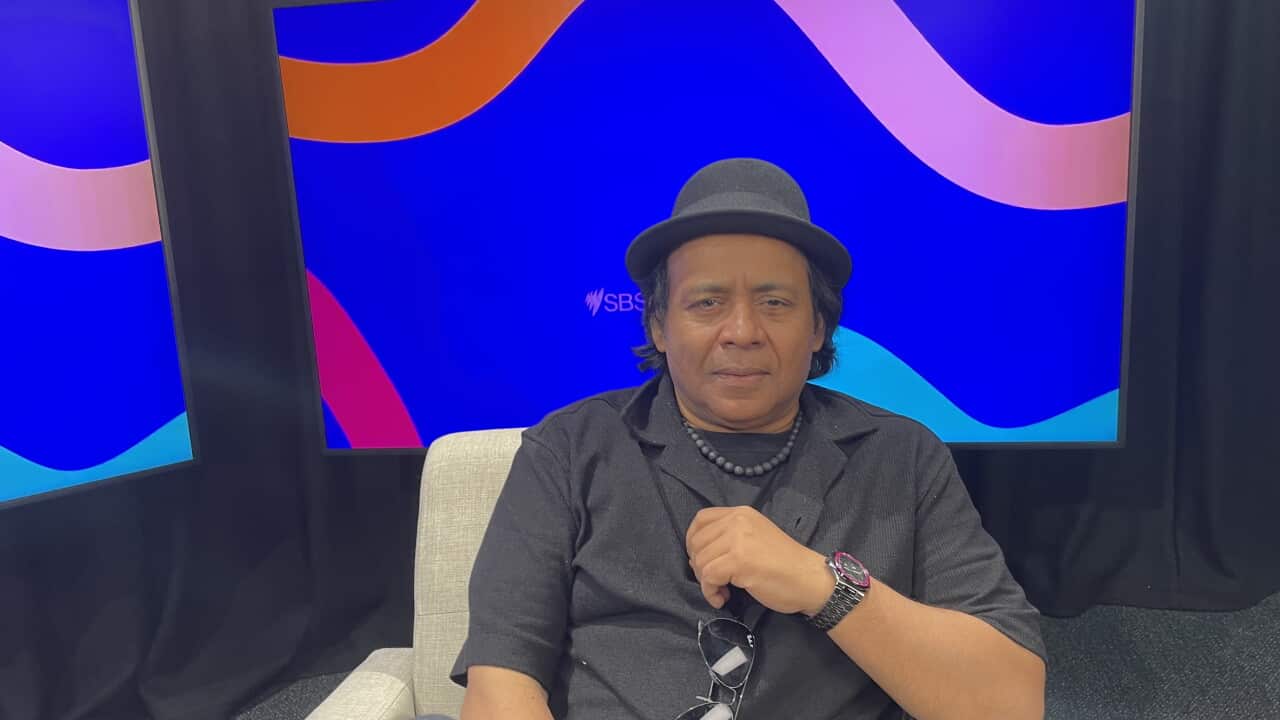

-SBS اردو SBS South Asian پر
-آسٹریلیا کی سب سے کم عمر نوجوان نسل جسے
Generation Z کے نام سے پکارا جاتا ہے،
پرانے Mobiles اور CDs دوبارہ استعمال کر
رہی ہے مگر کیوں؟ [موسیقی]
Analog devices ایک بار پھر مقبول ہو رہے
ہیں یہاں تک کہ سب سے زیادہ Technology سے
جڑی ہوئی نسل جسے Gen Z کہا جاتا ہے، اس
Technology کو دوبارہ اپنا رہی ہے جس کا
زمانہ انہوں نے کبھی دیکھا ہی نہیں. تفصیل
سنتے ہیں اس Podcast میں.
اجین شریف کی عمر چوبیس سال ہے اور وہ اپنے
فون کو Landline کی طرح استعمال کرتے ہیں.
وہ Social Media استعمال نہیں کرتے اور
موسیقی سننے کے لیے 16 GB Storage والا iPod
استعمال کرتے ہیں. گزشتہ اٹھارہ مہینے سے
وہ اسی طرز زندگی پر قائم ہیں.
The internet is so much more than social
media and
the subscription economy like streaming
websites.
over the past few years, I have come to
find
niches in the worldwide or web, but that I
really like. And it's like websites
that remind you of when we were kids and
say like if you'd had to
learn HTML coding in like year seven or
eight or something, and you were like kind
of okay, but kind of really bad at it,
and you made this ugly looking website.
People still make those websites, and they
make the coolest things ever.
I found this website where someone teaches
you how to code like a, a
JavaScript that will turn anything you
hover over into like hearts on any random
-website.
-ان کا خیال ہے کہ Social Media سے دوری کے
باعث ان کی ذہنی صحت بہتر ہوئی ہے اور سماجی
زندگی میں بھی بدلاؤ آیا ہے. حالانکہ ان کی
نسل کے کئی لوگ Online سماجی روابط پر
انحصار کرتے ہیں. Generation Z Social Media
کے سب سے زیادہ استعمال کرنے والوں میں
شامل ہے لیکن یہی نسل اب Dumb Phone خریدنے
-میں بھی سب سے آگے ہے.
-The grass is greener on the side with real
making significant changes to my
relationship to different technologies was
something I did out of curiosity,
of wanting to know what, how different
things could be. Then after maybe a month,
it's serious. Like this is, this is kind
of so good and I wanna keep this up
After about six months, it became just
like how I lived. Like I didn't even think
-about it.
-Generation Z پہلی Digital Native نسل ہے جس
کے بیشتر افراد نے Smartphones کے بغیر کی
دنیا نہیں دیکھی. اکیس سالہ Albert Malvey
کو ADHD کی تشخیص ہوئی ہے لیکن ان کا خیال
ہے کہ ان کی علامات ایک طویل عرصے کی فون کی
-لت سے مزید خراب ہو گئیں.
-Um, I see people like my roommate, her
phone died the other day, and then she
still went out of the house just without
her phone. And I was like, how the [beep]
do you do that? Like that's just such a
foreign concept to me, not being, not
having your phone with you at all times.
If I wasn't on social media during high
school, and I wasn't trying to fit in and
shape how people see me online compared to
like in real life, if it, if it wasn't
such a prominent part of my youth,
I think I'd be much better off and I
wouldn't be so dependent on my phone.
دو ہزار بائیس کی McKinsey Report کے مطابق
Generation Z Online اور Offline زندگی میں
فرق محسوس نہیں کرتی. بہت سے Digital Native
افراد کے لیے Social Media ہی حقیقت بن
جاتا ہے چاہے وہ حقیقت نہ بھی ہو. اکیس سالہ
Julian Khichan دس سال کی عمر میں انتہا
-پسند Online مواد کی طرف مائل ہو گئے تھے.
-It's very easy to listen to engaging
online personalities and join groups that
agree with you because you feel like
you're part of a community, which is a
nice feeling, especially when you're
and you're feeling a bit ostracized maybe
in your real life. So online,
you join this group that people agree with
you and you're part of a community. Even
when they start talking about toxic or
dangerous topics, you begin to rationalize
-that in your head.
-Doctor Brittany University of Sydney میں
Digital Media کی Lecturer ہیں. ان کا کہنا
ہے کہ Algorithms نے لوگوں کو ایک محدود
-Online دنیا میں قید کر دیا ہے.
-I do think that the reason why these
social clubs are becoming so big in Sydney
is because like we,
we have digital fatigue. We are yearning
to meet people and connect with people
offline. And I think that that's the
whole, that's the whole thing, right? Like
people aren't just looking for community,
but they're looking for connection that
feels like intentional and embodied.
گزشتہ ایک سال میں ایسے رجحانات سامنے آئے
ہیں جو Algorithm کے اثرات کو بھی Challenge
کرتے ہیں. جیسے Neutro, Digital Manualism
اور Coronet Offline کا تصور. دو ہزار
پچیس چھبیس کے ایک Survey کے مطابق اٹھارہ
سے پچیس سال کے چھہتر فیصد سے زائد آسٹریلین
نوجوانوں نے گرمیوں میں Digital Detox پر
غور کیا. چوبیس سالہ Ben Smith Sydney میں
ایک Analog Media Store میں کام کرتے ہیں
اور CDs پر موسیقی سنتے ہیں. Doctor
Brittany کہتی ہیں کہ ان کے طلباء بھی
Analog طرز زندگی کی طرف مائل ہو رہے ہیں.
روبرو میل جول کی خواہش نے سماجی قلبوں میں
اضافہ کیا ہے. تاہم Digital تھکن کا مطلب یہ
-نہیں کہ نوجوان مکمل طور پر Online دنیا-
-I do think that the reason why these
social clubs are becoming so big in Sydney
is because like we,
we have digital fatigue. We are yearning
to meet people and connect with people
offline. And I think that that's the
whole, that's the whole thing, right? Like
people aren't just looking for community,
but they're looking for connection that
feels like intentional and embodied. So
it's less about the rejection of
technology, um, and more kind of a
recalibration of how we want to live with
it. So I don't think we want to live
in media anymore. We want to live
alongside it.
نا چاہتے ہیں. Ajin Sharif کے مطابق Offline
وقت گزارنے سے ان کا Online دنیا سے تعلق
The internet is so much more than social
media and,
um, the subscription economy like
streaming websites.
Um, I feel like over the past few years, I
have come to find
niches in the worldwide or web, but that I
really like. And it's like websites
that remind you of when we were kids and
say like if you'd had to
learn HTML coding in like year seven or
eight or something, and you were like kind
of okay, but kind of really bad at it,
and you made this ugly looking website.
People still make those websites, and they
make the coolest things ever.
I found this website where someone teaches
you how to code like a, a JavaScript
turn anything you hover over into like
hearts on any random website.
SBS News کی Zoe Brook کے اس News Feature
کو اردو سامعین کے لیے Rehan Alvi نے پیش
END OF TRANSCRIPT