Kết nối với văn hóa bản địa là cách để cảm thấy 'thuộc về' nước Úc

Australia Explained: Indigenous Connections

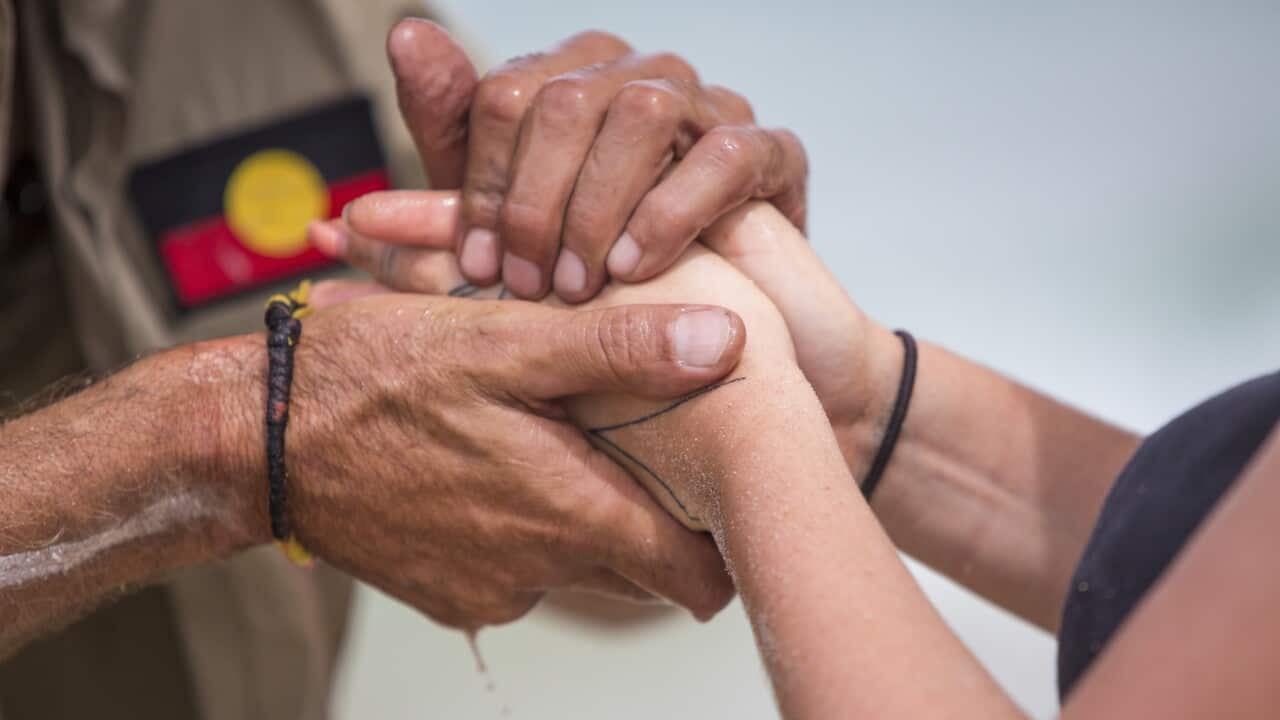
No matter where you live in Australia, you are on the lands and waters of Australia’s First Peoples. Credit: Matthew Micah Wright/Getty Images

Chuyển đến một đất nước mới luôn đi kèm cảm giác bỡ ngỡ, đặc biệt khi bạn muốn tìm hiểu về văn hóa của người Thổ dân và cư dân eo biển Torres, nhưng lại không biết phải bắt đầu từ đâu. Nhiều người lo lắng mình sẽ nói sai, hoặc sợ vô tình thiếu tôn trọng. Vậy “bước đầu tiên đúng đắn” để tìm hiểu sẽ như thế nào?


Chuyển đến một đất nước mới có thể khiến nhiều người choáng ngợp. Không ít di dân muốn tìm hiểu về văn hóa của người bản địa nhưng lại không biết “bắt đầu từ đâu cho đúng”. Một số lo sợ mình sẽ nói sai, trong khi người khác chỉ đơn giản là không biết bắt đầu từ đâu.

Vậy, một “bước đi đầu tiên” có ý nghĩa thực sự trông như thế nào?

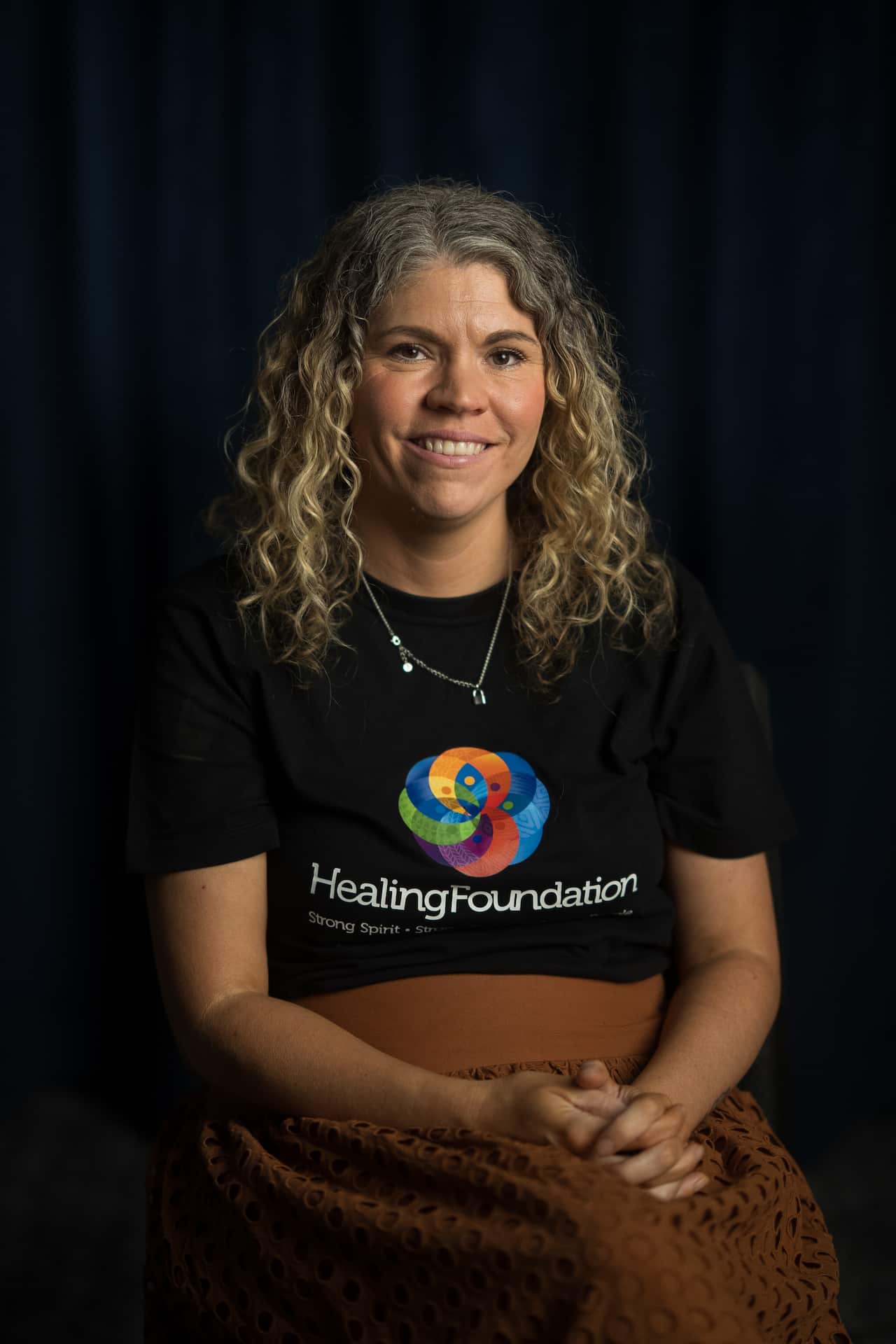
Chúng tôi hỏi Shannan Dodson, một phụ nữ Yawuru và là Giám đốc điều hành của tổ chức The Healing Foundation, để được hướng dẫn.

Bà cho biết hành trình tìm hiểu nên bắt đầu bằng việc hiểu rằng không có một “văn hóa bản địa” duy nhất. Mà thực tế, có rất nhiều.

“Việc tìm hiểu về câu chuyện của người Thổ dân và cư dân eo biển Torres như những cộng đồng độc đáo, sở hữu nền văn hóa liên tục lâu đời nhất thế giới, là điều quan trọng. Và cũng cần hiểu rằng không chỉ có một nền văn hóa đồng nhất. Thực tế có hàng trăm ngôn ngữ khác nhau trên khắp đất nước. Chỉ riêng việc tự tìm hiểu về sự phong phú này cũng đã rất quan trọng.”
Healing Foundation_Canberra-07 (1).jpg
“It's important for anyone living in Australia to understand that Indigenous people have cared for this Country for tens of thousands of years,” Shannan Dodson says. Photo: The Healing Foundation.
Bước đầu tiên này có thể thực hiện ngay trên mạng, theo tốc độ của bạn và bằng tiếng Anh đơn giản. Khi hiểu được sự đa dạng của các cộng đồng First Nations, bạn sẽ thấy tự tin hơn khi giao tiếp trực tiếp với mọi người.

Sau khi dành thời gian tìm hiểu sự đa dạng đó, bước tiếp theo là hiểu về Country – vùng đất mà bạn đang sống, làm việc và nuôi dưỡng gia đình mình.

“Điều quan trọng là cố gắng tìm sự kết nối với cộng đồng địa phương. Hiểu mình đang sống ở đâu và biết mình đang ở trên vùng đất của ai. Ngày nay, rất dễ để biết Chủ nhân truyền thống của khu vực mình. Và có nhiều cách để kết nối với họ, thông qua Hội đồng đất đai người Thổ dân, các trung tâm văn hóa hoặc những nhóm Thổ dân tổ chức sự kiện cộng đồng.”

Bạn chỉ cần tìm kiếm cụm từ “Traditional Owners” kèm tên vùng bạn đang sống để có thông tin đáng tin cậy. Trang web hội đồng địa phương cũng là nơi tốt để bắt đầu.

Nếu bạn sống ở vùng nông thôn, những trang web này thường liệt kê các lễ hội cộng đồng, tour tham quan, workshop hay sự kiện dành cho gia đình.
Australia Explained: Indigenous Connections
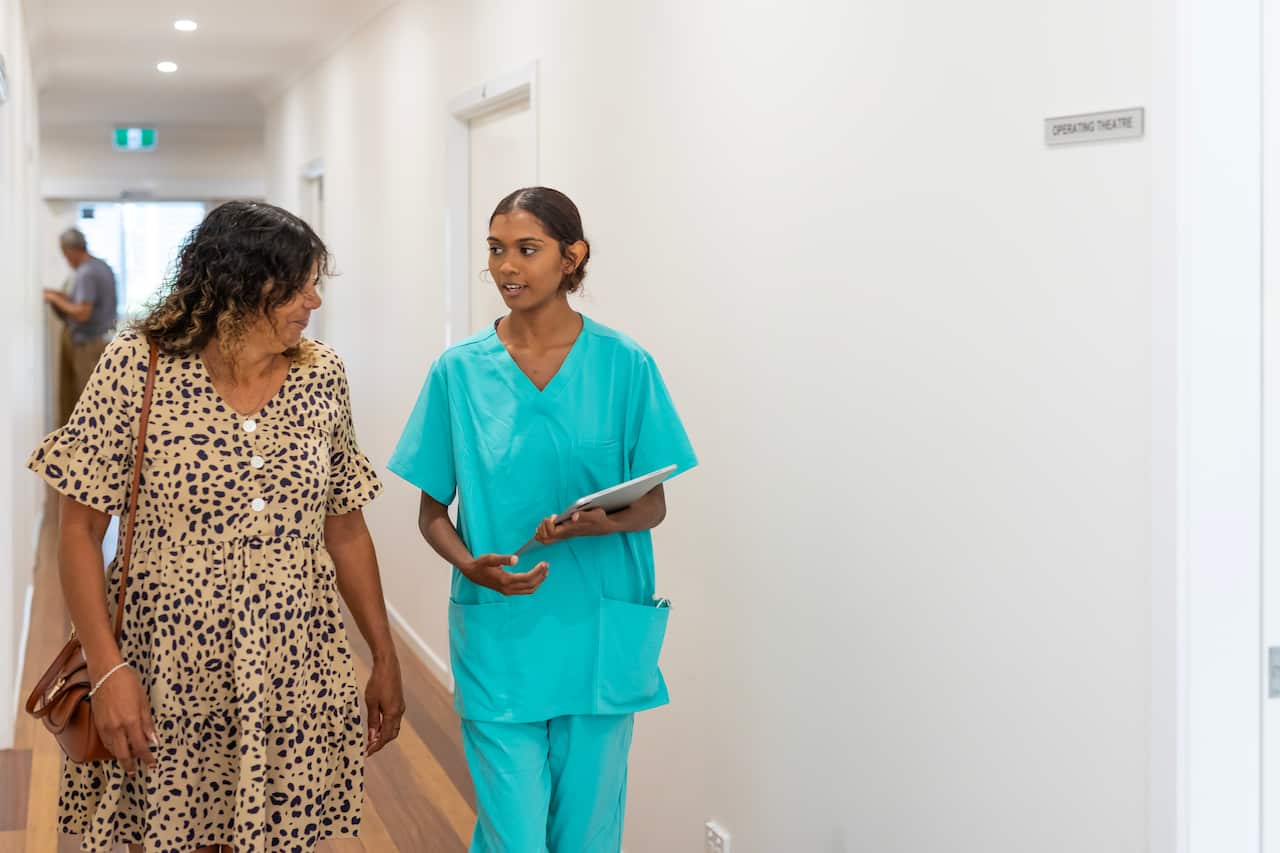
Some Indigenous organisations focus on issues specific to their state and territory while others work on nationwide Indigenous affairs, for example aged care. Credit: davidf/Getty Images
Ở cấp độ rộng hơn, mỗi tiểu bang và vùng lãnh thổ đều có các tổ chức của người bản địa cung cấp nguồn tài liệu riêng, giúp bạn tìm hiểu theo nhịp độ của mình.

Shannan Dodson cho biết có nhiều tổ chức quốc gia có thể hỗ trợ bạn trong hành trình này. Danh sách này không bao gồm tất cả, nhưng là một khởi đầu vững chắc.

“The Healing Foundation là tổ chức hỗ trợ những người sống sót từ Thế hệ bị đánh cắp và các tổ chức liên quan. Viện Nghiên cứu Người Thổ dân và cư dân eo biển Torres của Úc cũng có rất nhiều tài liệu về ngôn ngữ, văn hóa và lịch sử. Ngoài ra còn có Reconciliation Australia, nơi cung cấp thông tin về tiến trình hòa giải giữa người bản địa và phi bản địa.”

Bạn có thể cảm thấy thoải mái hơn khi tham gia các hoạt động cộng đồng. Shannan cho biết đây là một lựa chọn tuyệt vời.

Khắp nước Úc có rất nhiều sự kiện do cộng đồng tổ chức, chào đón mọi người từ mọi nền văn hóa.

“Có Tuần lễ NAIDOC vào tháng Bảy hằng năm, được tổ chức nhằm tôn vinh văn hóa người Thổ dân và cư dân eo biển Torres theo cách tích cực và rộng mở. Chúng ta cũng có Tuần lễ Hòa giải vào cuối tháng Năm đầu tháng Sáu. Và một trong những sự kiện lớn của tổ chức chúng tôi là lễ kỷ niệm ngày xin lỗi Thế hệ bị đánh cắp vào tháng Hai, cũng như Ngày Sorry Day vào tháng Năm.”
Australia Explained: Indigenous Connections
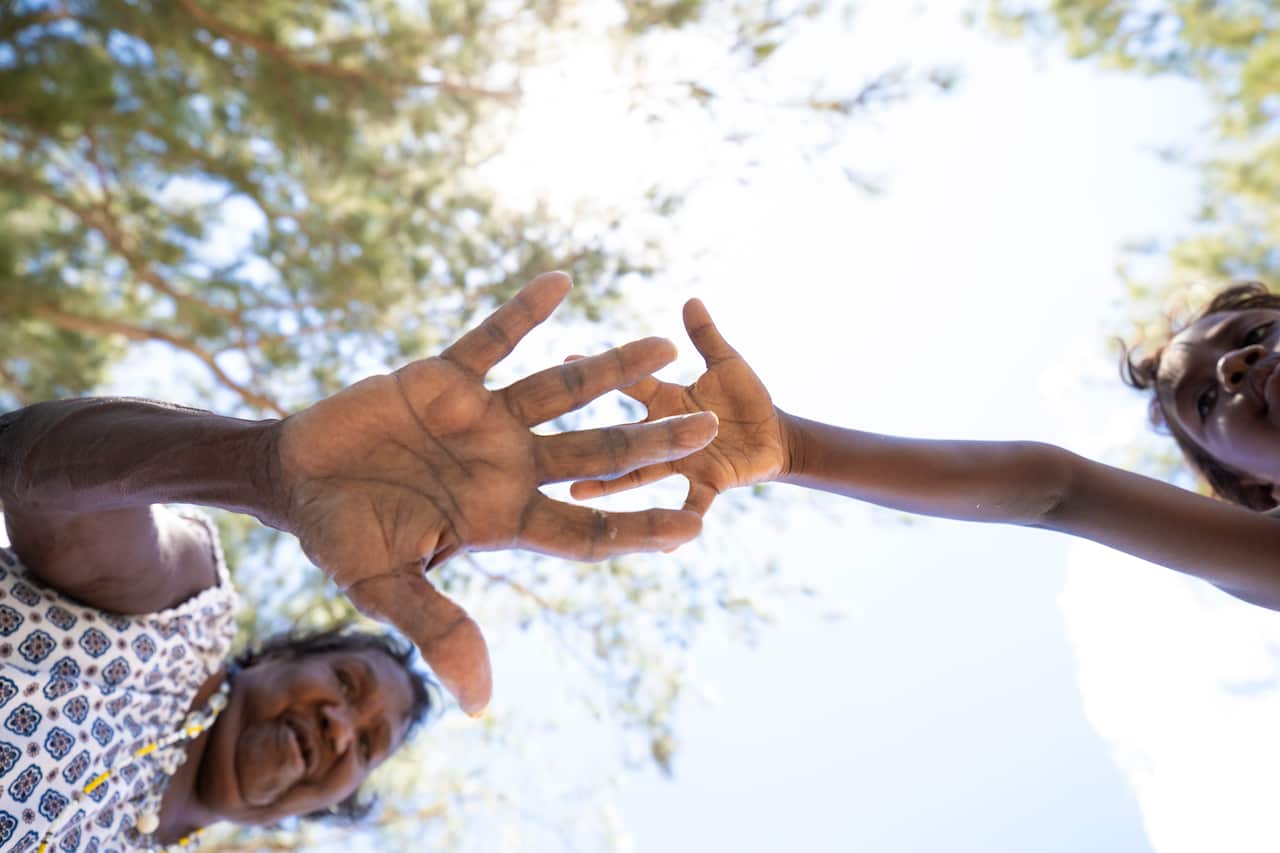
It’s easy to make mistakes if you come across a myth or stereotype around Aboriginal and Torres Strait Islander people and culture. Credit: WANDER WOMEN COLLECTIVE/Getty Images
Những sự kiện này thường có âm nhạc, nghệ thuật, nhảy múa, ẩm thực và kể chuyện — những hoạt động không đòi hỏi tiếng Anh cao và rất thân thiện với gia đình.

Anh Assefa Bekele từ cộng đồng Ethiopia tại Sydney, người có kinh nghiệm làm việc với cộng đồng bản địa, cho biết việc tìm hiểu văn hóa First Nations giúp nuôi dưỡng cảm giác thuộc về nơi này.

“Điều đó rất quan trọng. Tôi từng làm nhân viên liên lạc cộng đồng đa văn hóa ở New South Wales. Ai cũng cần cảm giác thuộc về, đặc biệt là những người đến từ nước khác, cũng như người bản địa - những người đã sống ở đây hơn 60.000 năm. Tốt hơn hết là cùng chia sẻ lịch sử, văn hóa, mọi điều… để xây dựng cảm giác gắn kết và cùng nhau phát triển.”
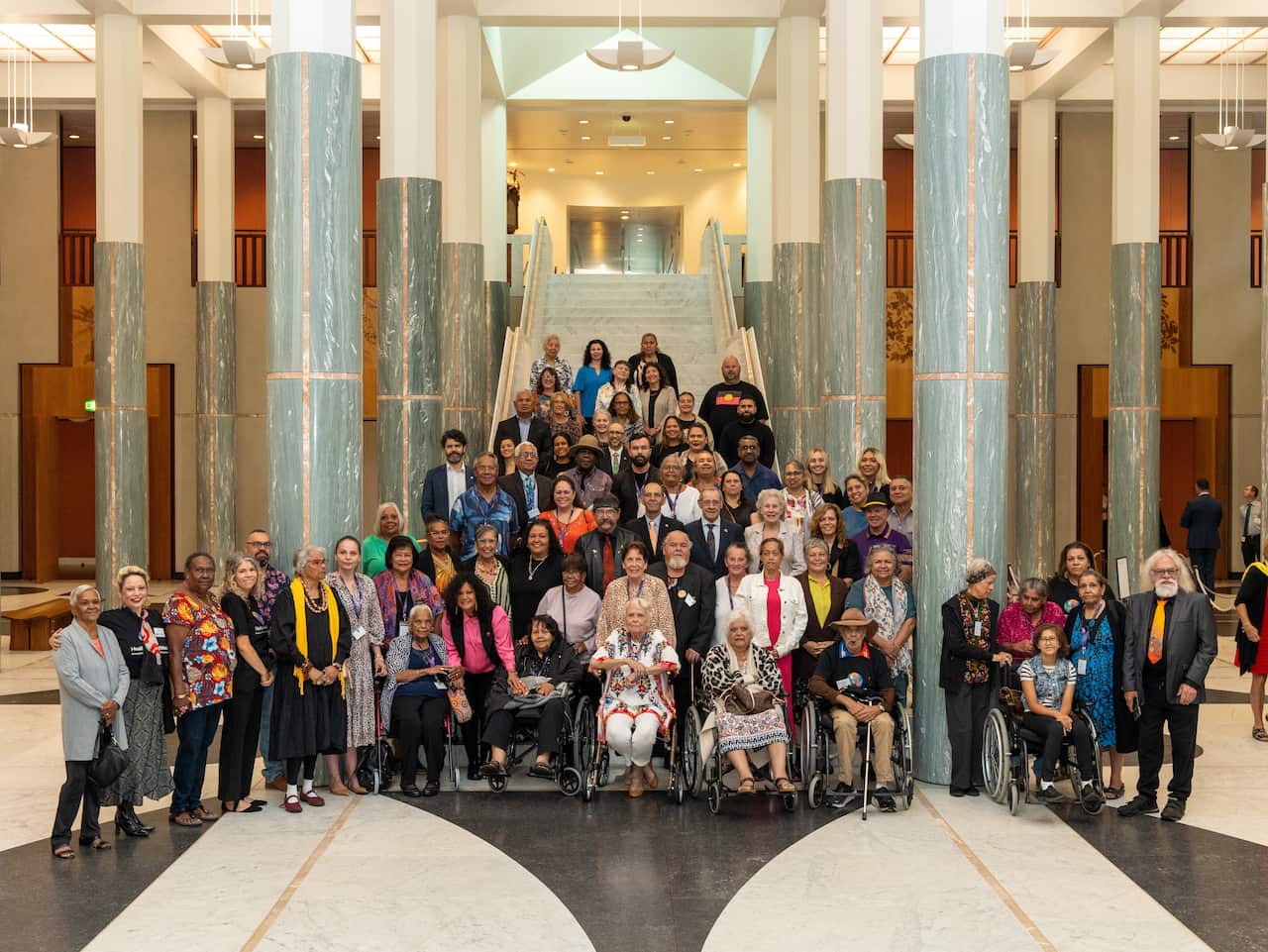
Survivors group shot.jpg
Group shot from the February 2025 anniversary of the National Apology to the Stolen Generations. It includes survivors, descendants, THF staff, Minister for Indigenous Australians Malarndirri McCarthy and other community members. Photo: The Healing Foundation
Tuy nhiên, đối với nhiều người mới đến, vẫn có nỗi lo mắc lỗi. Bà Dodson nói rằng điều này rất phổ biến, ngay cả với người nhập cư lẫn người Úc lâu năm.

“Tôi nghĩ đôi khi có nỗi sợ làm sai hoặc nói điều gì không đúng, và điều đó dễ hiểu. Nhưng nỗi sợ này không nên ngăn mọi người kết nối. Cốt lõi là cởi mở và đặt câu hỏi. Và hầu hết mọi người đều biết cách hỏi một cách tôn trọng, bất kể đối tượng là ai.”

Xây dựng mối quan hệ ý nghĩa đòi hỏi lòng tin và thời gian. Kỹ năng quan trọng nhất là lắng nghe, và điều đó không cần kiến thức đặc biệt.

Bất kể hành trình cũng đều bắt đầu từ một bước nhỏ, cô Dodson nói.

“Lời khuyên của tôi là hãy xuất hiện với trái tim và tâm trí rộng mở. Cộng đồng của chúng tôi rất chào đón và mong muốn chia sẻ về con người, lịch sử, văn hóa và cộng đồng của chúng tôi. Và nếu bạn sẵn sàng xuất hiện, đó chính là bước đầu tiên để xây dựng mối quan hệ tốt đẹp hơn.”

Dù bạn đã sống ở Úc sáu tháng hay sáu năm, việc kết nối với cộng đồng First Nations không phải là chuyện hoàn hảo. Điều quan trọng là bạn hiện diện, bạn tò mò, và bạn tôn trọng.

Với nhiều người mới đến, đây còn có thể là cách mạnh mẽ để cảm thấy gần gũi hơn với nơi mình đang gọi là “nhà”.
Đồng hành cùng chúng tôi tại SBS Vietnamese Facebook & SBS Vietnamese Instagram, và cập nhật tin tức ở sbs.com.au/vietnamese
Nghe SBS Tiếng Việt trên ứng dụng miễn phí SBS Audio, tải về từ App Store hay Google Play

spk_0

SBS acknowledges the Traditional Custodians of Country and their connections and continuous care for the skies, lands and waterways across Australia.

spk_1

You're listening to Australia Explained, an SBS audio podcast helping you navigate life in Australia.

spk_2

I'm Lowanna Grant, executive producer of NITV Radio, and I'll be your host for this special episode of the Australia Explained. If you're new to Australia, you might notice many references to traditional owners, country, or First Nations. Many people settling here want to understand what that means and how to engage in a respectful way. Taking those first steps can feel uncertain, but they're part of learning how to Place works and finding your footing.

spk_2

Australia's First Nations people have lived on and cared for this land for more than 60,000 years. Understanding and respecting this connection can help you feel more grounded as you settle into your new home. In this episode, we share simple and meaningful ways to start learning about First Nations cultures and communities, no matter where you live and no matter your English level or background.

spk_2

Moving to a new country can be overwhelming. Many migrants want to connect with indigenous cultures but feel unsure about the right way to start. Some worry about saying the wrong thing, while others simply don't know where to begin. So what does a meaningful first step actually look like? We asked Yawuru woman Shannan Dodson, the CEO of the Healing Foundation, to guide us. She says the journey begins with understanding that there is no

spk_2

single "indigenous culture", there are actually many.

spk_3

There is importance in being able to educate yourself around the story of Aboriginal and Torres Strait Islander people as a unique people that have the oldest continuing cultures in the world and understanding that there is not just one sort of homogeneous culture. There's hundreds of different languages across the country and even just to be able to educate yourself about.

spk_3

That vastness, I think is really important.

spk_2

This first step can be done online in your own time and in plain English. Learning about the diversity of First Nations peoples can make you feel more confident and prepared when you meet people face to face. Once you've taken some time to learn about this diversity, the next step is to understand the country you live on now, the land you walk on, work,

spk_2

and raise your family on.

spk_3

It's important to try and find some connections with your local community, understanding where you live and knowing what country you're on. It's very easy these days to find out who the traditional owners are in your area, and there are often ways to be able to connect with traditional owners or Aboriginal people in your area, whether it be through

spk_3

Aboriginal land councils or cultural centres or other Aboriginal groups that do community events.

spk_2

A simple search using the words traditional owners plus your suburb will often give you reliable results. Your local council website is another great place to start. If you're living in a regional area, these websites often list community festivals, local tours, workshops, or family-friendly events.

spk_2

For a broader view, every state and territory has indigenous organisations that offer culture-specific resources. These can help you learn at your own pace. Shannon Dodson adds that national organisations can also support you as you start your journey. The list is not exhaustive, but it's a solid place to begin.

spk_3

The Healing Foundation is an organisation that supports Stolen Generation survivors

spk_3

and stolen generation organisations. There's also the Australian Institute of Aboriginal and Torres Strait Islander Studies, which has a great amount of resources around language and culture and historical records. You also have Reconciliation Australia which has information about the reconciliation process in Australia and how we can better relationships between indigenous and non-Indigenous people.

spk_2

You might feel more comfortable joining group activities, Shannon says this is a great option.

spk_2

Across Australia, there are many community-led events that welcome people from all backgrounds.

spk_3

There's NIDOC Week every year in July, which was really born out of celebrating Aboriginal and Torres Strait Islander cultures in a really positive, open, and sharing way. We also have Reconciliation Week, end of May, early June.

spk_3

And one of the huge events for our organisation is the annual anniversary of the apology to the Stolen Generations in February, but also Sorry Day, which is in May.

spk_2

These events often include music, art, dance, food, and storytelling activities that don't require strong English skills and are often suitable for families. Assefa Bekele from the Sydney Ethiopian Community has experience working with the indigenous community.

spk_2

He explains how engaging with First Nations cultures can help you cultivate a sense of belonging.

spk_4

It's very important. I used to be a multicultural community liaison officer here in New South Wales. And there must be some sense of belonging for every individual, every citizen, particularly those who came from overseas and the Indigenous Australians who lived here for almost over 60,000 years.

spk_4

And it's better to share history, culture and everything, and really develop the sense of belonging and togetherness.

spk_2

However, for many new arrivals, there might be a fear of making mistakes. Ms Dodson says that many people, both migrants and long-term Australians, feel nervous about doing or saying the wrong thing.

spk_3

I think sometimes there is a fear of getting it wrong or saying the wrong thing, which I understand, but also I don't think that that fear should stop people from engaging because the whole point is to be open, to be asking questions, and most people would know how to do that in a respectful way with anyone. It doesn't matter if you're Aboriginal and Torres Strait Islander or anyone.

spk_2

Building meaningful relationships requires trust and takes time. Listening is the most important skill. No special knowledge needed, but it all starts with one step, Ms Dodson says.

spk_3

I think my advice is to show up, to have an open heart and an open mind. Our communities are very welcoming, and we are wanting to share about who we are, our history,

spk_3

our culture, our communities, and I think that if you can show up, that's the first step to building those better relationships.

spk_2

Whether you've been in Australia for 6 months or 6 years, connecting with Indigenous Australia is not about being perfect. It's about being present, being curious, and being respectful. For many new migrants, it can also be a powerful way to feel more at home.

spk_2

Thank you for listening to this episode of Australia Explained, written and produced by Zoe Thomaidou. Sound design and mix is by Maram Ismail, Australia Explained managing editor is Roza Germain, and I'm Luna Grant. Until next time.

spk_1

This was an SBS audio podcast. For more Australia explained stories, visit sbs.com.au/Australiaexplained.

spk_5

Subscribe or follow the Australia Explained podcast for more valuable information and tips about settling into your new life in Australia. Do you have any questions or topic ideas? Send us an email to australiaexplained@sbs.com.au.

END OF TRANSCRIPT

Share
Follow SBS Vietnamese

Download our apps
SBS Audio
SBS On Demand

Listen to our podcasts
Independent news and stories connecting you to life in Australia and Vietnamese-speaking Australians.
Ease into the English language and Australian culture. We make learning English convenient, fun and practical.
Get the latest with our exclusive in-language podcasts on your favourite podcast apps.

Watch on SBS
SBS World News

SBS World News

Take a global view with Australia's most comprehensive world news service