This audio is voiced by AI and may occasionally mispronounce words.
Share your feedback and help us improve this feature. Read more about how we use AI at SBS here.
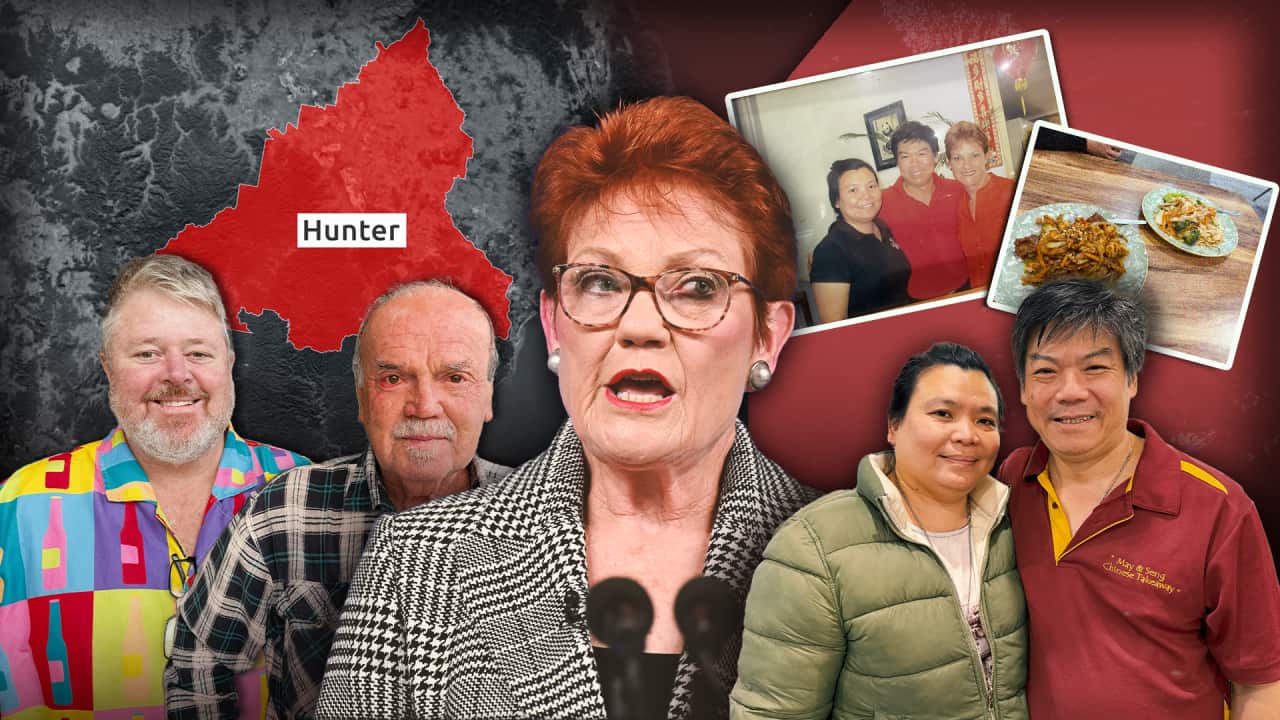
In the Labor stronghold of Hunter — a vast electorate in NSW that spans coal mines, wineries and national parks — change is in the air.
As SBS News chats to residents on the streets of Singleton, a town at the centre of the electorate near the picturesque vineyards of the Hunter Valley, and Morisset, a semi-rural suburb close to Lake Macquarie, there's clear support for One Nation and its leader, Pauline Hanson.
"Go Pauline," one shopper yells as they walk past our cameras in Morisset; another says "she's good, she's for Australia".
Even among those who don't support Hanson, many have noticed increased approval of the senator, who first rose to notoriety in the 1990s for her anti-immigration stance — controversially warning that Australia was "in danger of being swamped by Asians" — with some surprised to learn friends are supporters.
But One Nation has long been on the rise in Hunter. It was one of two electorates where the party's candidate finished in second position at the last federal election.
News that makes sense
Your trusted source for staying up-to-date with the world around you. Get free daily news updates and analysis, straight to your inbox.
Stuart Bonds, who ran as the One Nation candidate last year, secured 41 per cent of the vote in the seat once preferences were distributed. Labor's Dan Repacholi won with 60 per cent of the vote.
With One Nation's rapid ascendancy around the country — securing its first lower house seat in the Farrer by-election and, for the first time, surpassing both major parties in polls — RedBridge director of research and reputation, Simon Welsh, says "on paper" Hunter is an electorate the party should win.
[It] reaches into a regional area, it's got that outer suburban fringe, everything about it screams One Nation.
While One Nation is building support among many residents in Hunter, not all of its policies are striking a chord.
Growing support for Pauline Hanson
Many locals SBS News spoke with complained about people being "fed up" with the major parties amid rising cost of living pressures and housing unaffordability.
Even the local Chinese restaurant in the small village of Heddon Greta just outside the electorate, is known for supporting Hanson. A photo of its Malaysian Chinese owners with the One Nation leader was displayed on its walls for years.
Seng Lim, who owns and runs May & Seng Chinese Takeaway, says he didn't know much about Hanson's politics at the time they met, except that she was quite popular in Queensland.
She first visited the restaurant close to the city of Maitland on the Hunter River with a friend in 2011 and returned a number of times, including in 2013.
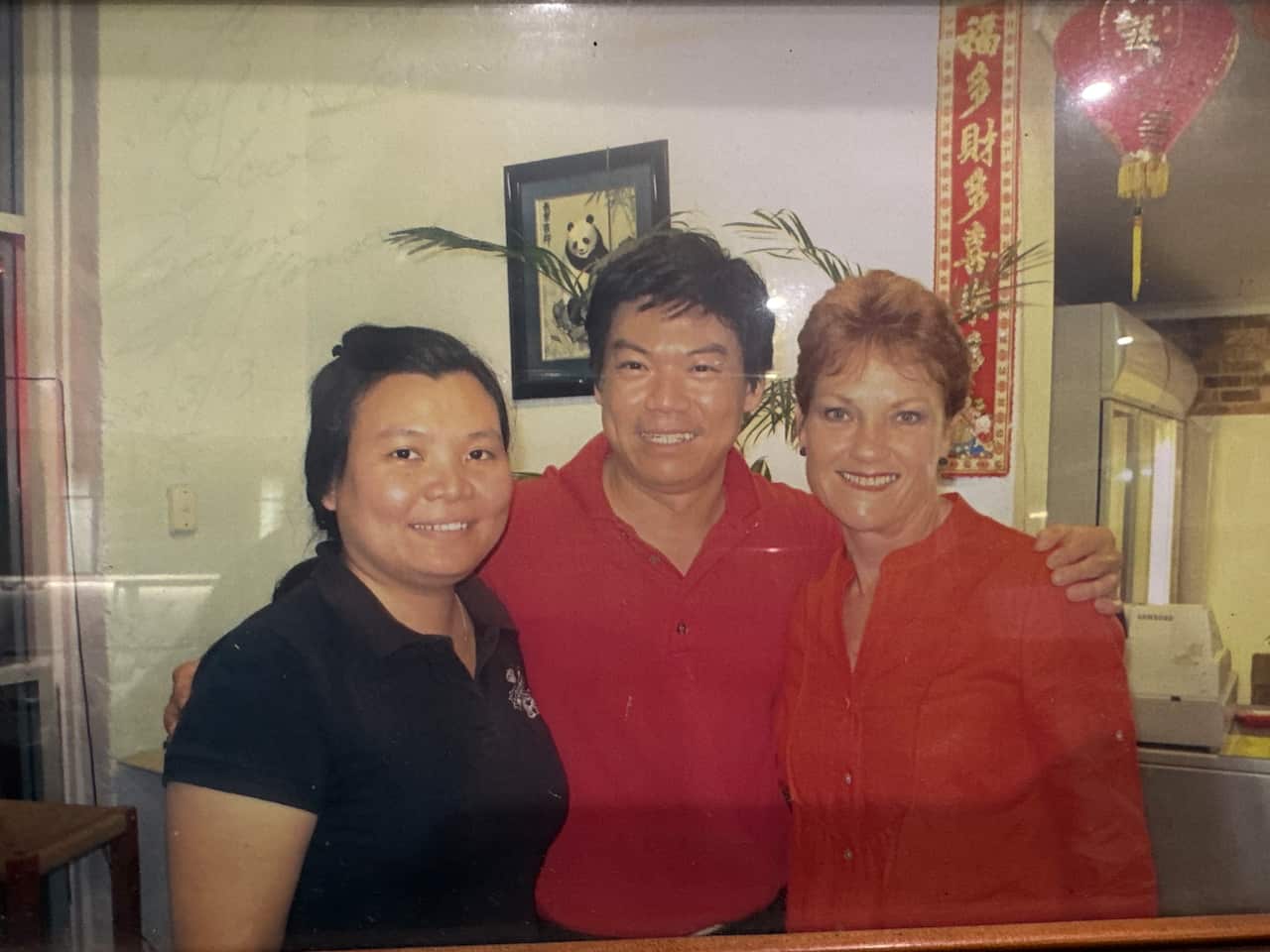
"She's very nice to me, and very nice to my wife and my children," he says.
Lim believes local support for Hanson is growing. He says many people ask about the signed photos he previously displayed but took down following a recent renovation.
"I think a lot of people here like her very much now," he says, later adding that Prime Minister Anthony Albanese is also "not bad".
"Last five years, he's done a very good job for this country."
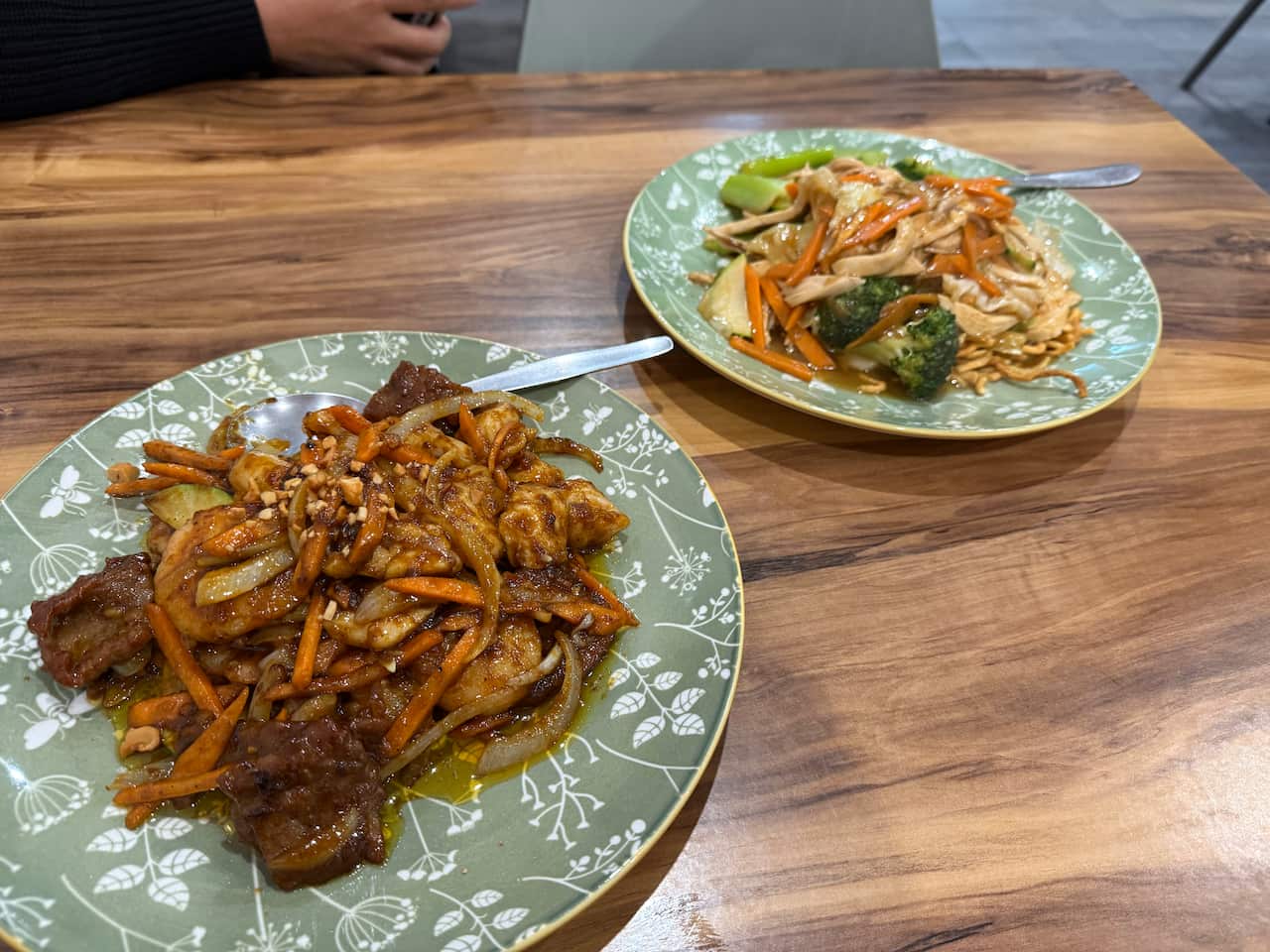
When asked whether he's worried about worsening racism due to the rise of One Nation, Lim says: "I don't think so because we always try to be nice to everybody."
"Everyone come in [is] just like family and that's why they give me so much business."
'Too much immigration' but support for multiculturalism
Last month, Hanson sparked a debate about the definition of multiculturalism after saying Australia's immigration policy had left the country in a "state of crisis".
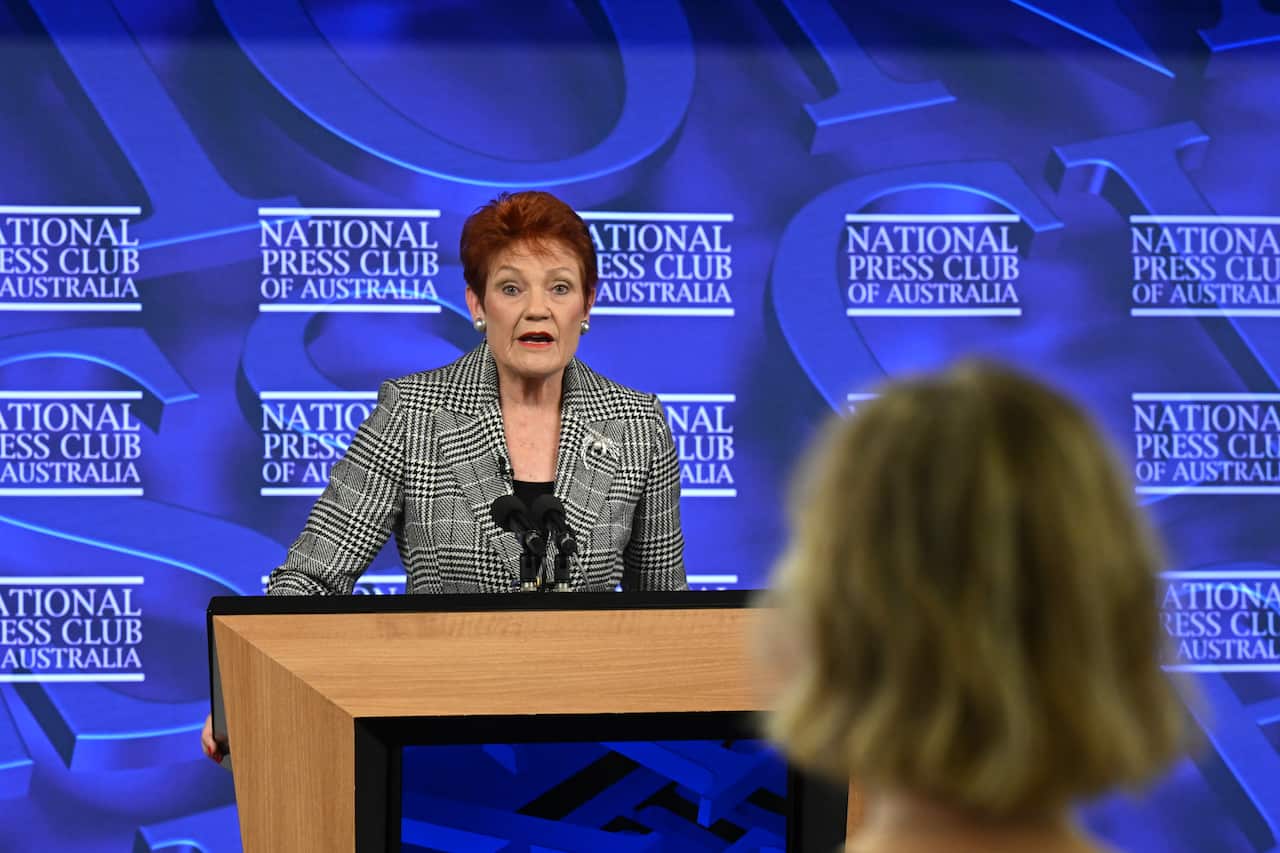
"At the centre of this crisis is the utterly flawed policy of multiculturalism," Hanson told reporters during a National Press Club address on 17 June.
"We cannot be a multicultural society."
"We are a multi-racial society, but we must be monocultural."
A week after her appearance, SBS News asked Hunter residents what they thought of her comments.
Robert, a Morisset resident and disenchanted Labor voter, agreed with some One Nation policies, including the party's claim that there's been "too much immigration".
"Too many people who've lived here for years are missing out because there's so many people coming in all the time," the 75-year-old tells SBS News.
"I agree with multiculturalism, but numbers need to be reduced."
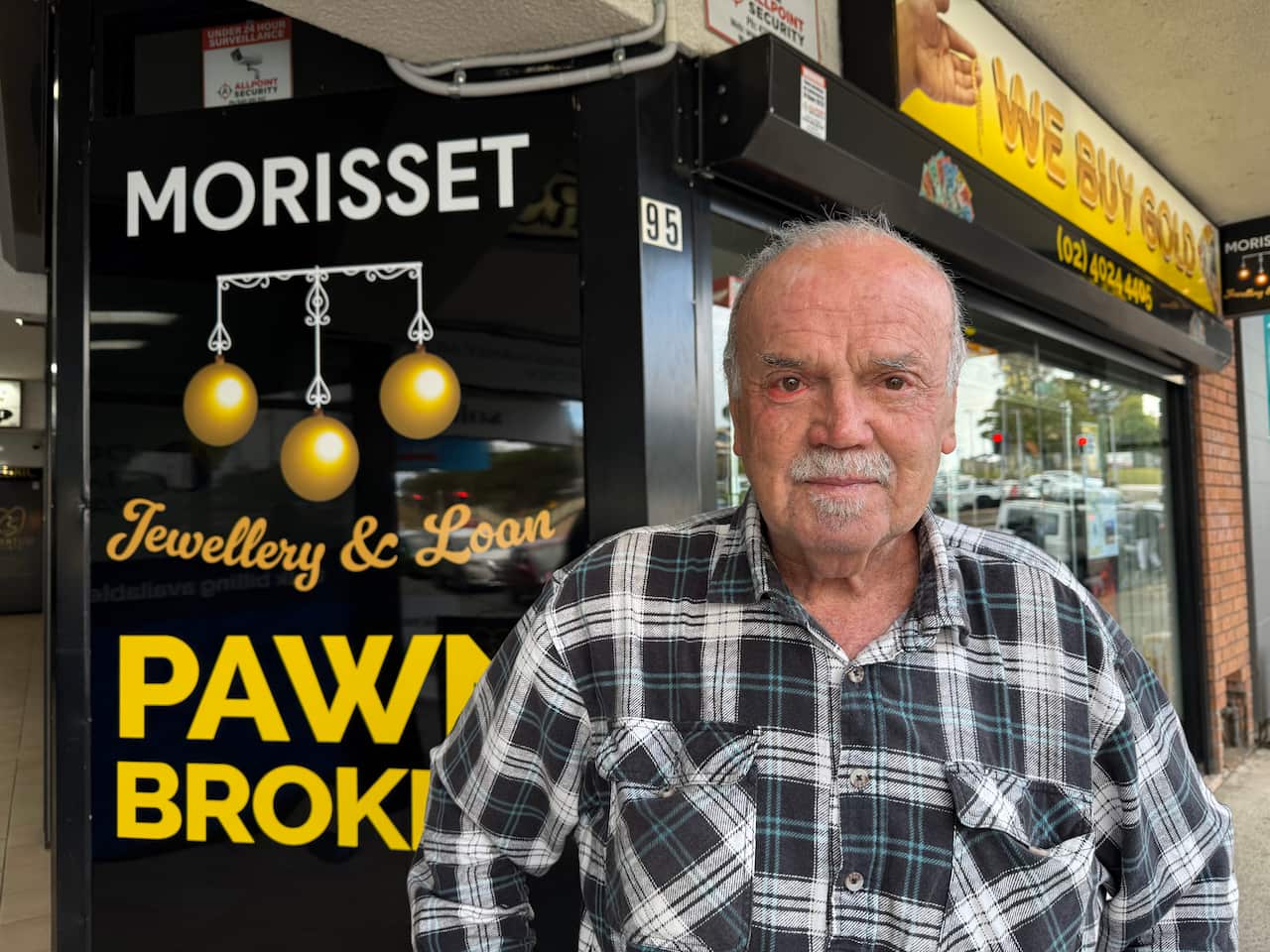
When asked what he thought about Hanson's comments on monoculturalism, Robert was among a number of supporters who expressed confusion over the term.
"Monocultural depends on what she means by that," he says.
[If] she means White Australia — no, I don't agree with that.
"But if she means that basically we're people who are assimilated and we're Australian people and we respect the Australian flag [then] yeah."
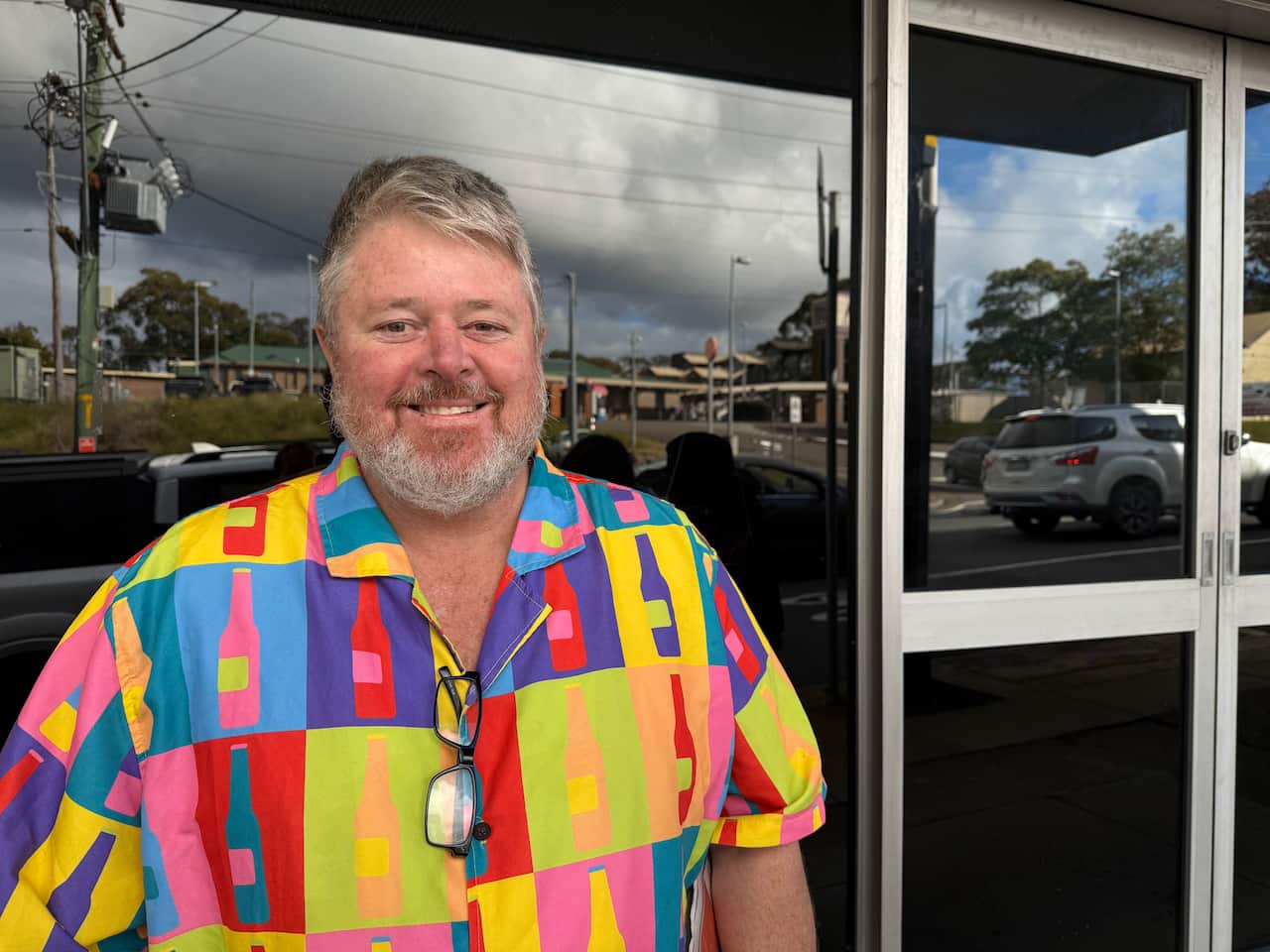
Long-time One Nation voter Justin, 56, says he missed Hanson's monoculture comments but believes Australia is multicultural.
"We have been for hundreds of years," he says.
"My girlfriend's from East Timor, so I'm happy if they're prepared to come here and work hard."
Concern about racist views
Kurt, who lives near Singleton, says he doesn't support any of the major parties at the moment and has no idea who he'll vote for.
He is anti-religion, and while he agrees with some of One Nation's policies, including its criticism of Islam, he is concerned about other facets of the party, including its relationship with billionaire mining magnate Gina Rinehart, who recently gifted the party a small plane.
Like others SBS News spoke to, Kurt is concerned about the party's rhetoric fuelling racism. While he doesn't necessarily believe Hanson is racist, he thinks many of her supporters are.
"I don't want any part of that," the 36-year-old says.
Andrew Jakubowicz, emeritus professor of sociology at the University of Technology Sydney, says it's important to remember that Hanson's monoculture comments were not made in a vacuum and follow remarks earlier this year that questioned whether there were any "good Muslims".
"What she's saying with monoculture is not that we want everyone to have the same culture," Jakubowicz says.
"What she's saying is 'we don't want Muslims here'."
Hanson has hit back at criticism of her comments and told the Senate on 24 June that the essential features of Australian monoculture would include "a fair go, tolerance, secular democracy, freedom of speech, religion and the rule of law".
"It means accepting our irreverence and larrikinism. Bring back Paul Hogan and Norman Gunston."
She dismissed suggestions she would try to ban foreign food and argued the Socceroos represented her vision of a monocultural Australia.
"People from different backgrounds and cultures and nations all wearing green and gold," she told parliament.

But Jakubowicz says what Hanson appears to be describing is actually multiculturalism.
Multiculturalism is the capacity of people to work together across differences to recognise their complementary strengths and move forward.
Monoculturalism, he says, is what happens in North Korea.
"You have a single head ... of the country dictating how people should behave and act, that's what monoculture is," he says.
"The monocultures that exist — like North Korea — are really not the sort of place I think that anybody in Australia would want to live in."
Polls show slide in support for Pauline Hanson
Following Hanson's Press Club comments, during which she also criticised paid parental leave, noted business complaints about not being able to sack people, supported nuclear energy and said SBS "would be gone" if she were in power, support for One Nation appears to have softened.
An Australian Financial Review/RedBridge Group/Accent Research poll conducted last week found One Nation's primary vote fell two points to 29 per cent, a drop echoed by the Guardian Essential poll, which found the party's primary vote had also dropped two points to 26 per cent.
While the declines for those two polls are within the margin of error, Welsh says there was also a significant drop of 10 percentage points in Hanson's net favourability rating.
He says it shows that critiques of One Nation's economic policies — such as Hanson's previous opposition to raising the minimum wage — may be hurting them.
"But that sort of prevailing disenchantment with the existing political system is such that those voters still don't feel like they've got somewhere else to go," Welsh says.
Monoculture comments could be a problem for One Nation
Welsh says data gathered from focus groups show people are concerned about the volume of immigration, which they believe is contributing to the housing crisis, traffic congestion and other issues. Despite that, he says the same people could be quite embracing, even defensive of multiculturalism.
Understanding that nuance is key. He says criticism of immigration could become problematic for One Nation if the party talks about it through a cultural frame, instead of focusing on quantity.
There is a fair chunk [of their supporters] that come from migrant communities [and who are] culturally, linguistically diverse.
"They get really uncomfortable when you start talking about cultural narratives of immigration or monoculture."
He says this raises questions about what monoculture means and how it would be enforced.
"Even the most entrenched One Nation voters say 'This ain't the 1950s anymore'," Welsh says.
"How are they going to make that happen? Because those days have gone."
The discussion is also taking place against a backdrop of rising anti-immigration sentiment globally, including ICE raids in the United States, and Welsh says potential voters may be concerned about being targeted.
I think the longer that [the concept of monoculture is] left undefined by One Nation — and what exactly does that mean in terms of a policy — the more problematic it's going to be.
The Guardian Essential poll, released on Wednesday, found only 20 per cent of respondents supported ending multiculturalism.
Jakubowicz hopes the government deals with the challenges of multiculturalism rationally, rather than inciting emotional fears and prejudices that appear to have emerged.
"We need to have institutions and we need to have networks which actually affirm the value of collaboration between communities," he says.
"We need to recognise where there's hurt and get on with it."
'Not the right person to run a country'
Other ideas raised by Hanson also had low support, with the Guardian Essential poll finding just 18 per cent supported reviewing workplace laws to give employers more power, and 25 per cent believed the renewables transition should be stopped to instead focus on fossil fuels.
Scepticism about One Nation's ability to deliver on its promises was also raised by Hunter residents SBS News spoke to last week.
Steven, a Singleton business owner who is critical of Labor, says Hanson is the type of person who "sits around at a barbecue having a beer ... talking about the government".
"That's not the right person to run a country," he tells SBS News.
A lot of people I know [are] talking about Pauline Hanson and possibly wanting to vote for her ... but I don't think they will.
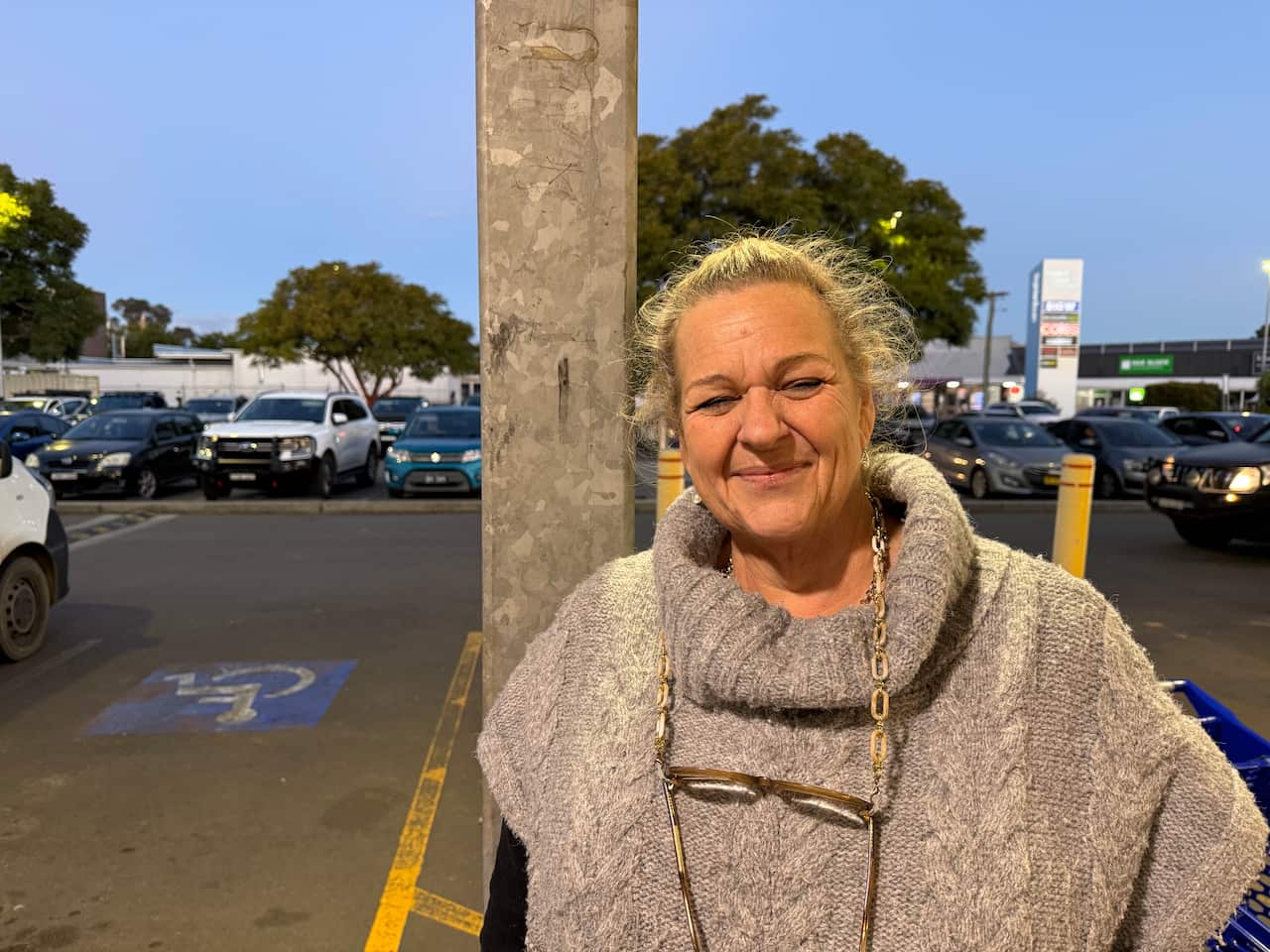
Other Singleton voters also remain unconvinced. Gail, 57, says she has not heard any "real grounded policies" from One Nation, while Niki, 38, says she doesn't think the party has "follow through" and doesn't trust Hanson.
"It's really quite frightening to think that something that's happening in America [such as the immigration crackdown under US President Donald Trump] could actually happen here in Australia as well," Gail says.
'We need a change'
At the same time, Labor does appear to be at risk of losing supporters to the party.
Phillipe, a Morriset resident and former Labor voter, says he will now vote for One Nation despite being supportive of multiculturalism.
"We need a change," the 73-year-old tells SBS News.
Former Labor voter Robert says he doesn't like Albanese.
"They were supposed to be an open government — transparent — and it turns out [they are] quite the opposite," he says.
When asked whether he is considering a vote for One Nation, he says: "Well, I can't vote Liberal and I can't vote Labor. So I've got to vote for someone else."
The 75-year-old clarifies that although he doesn't agree with all of One Nation's policies, he believes Hanson "speaks the truth" and that there's been too much immigration.
"There are too many people in Australia who are living in conditions that aren't ideal."
According to the Australian Bureau of Statistics, net overseas migration peaked post-COVID-19 pandemic, reaching nearly 538,000 people in 2022-23. Since then, it has dropped, falling to 429,000 in 2023-24 and 306,000 in 2024-25.
Robert tells SBS News he remains concerned about his grandkids' future and the cost of living, and doesn't agree with Australia's transition to renewables, saying "we have so much coal".
"I think people are just fed up with the way things are.
We need to stop selling off the country ... and get back to what [things] were like when I was young and you came out of school and there was a position available for you somewhere, whatever you wanted to try and do.
While support for One Nation may be growing among voters like Robert, fuelled by financial stress and disenchantment with the major parties, Welsh says polling can underestimate the impacts of a good local candidate.
"You've got Dan Repacholi there [in the Hunter]. I think he brings a certain value over and above the Labor brand.
"Will that be enough? I don't know. I think that's going to be a really fascinating thing to watch."
For the latest from SBS News, download our app and subscribe to our newsletter.







