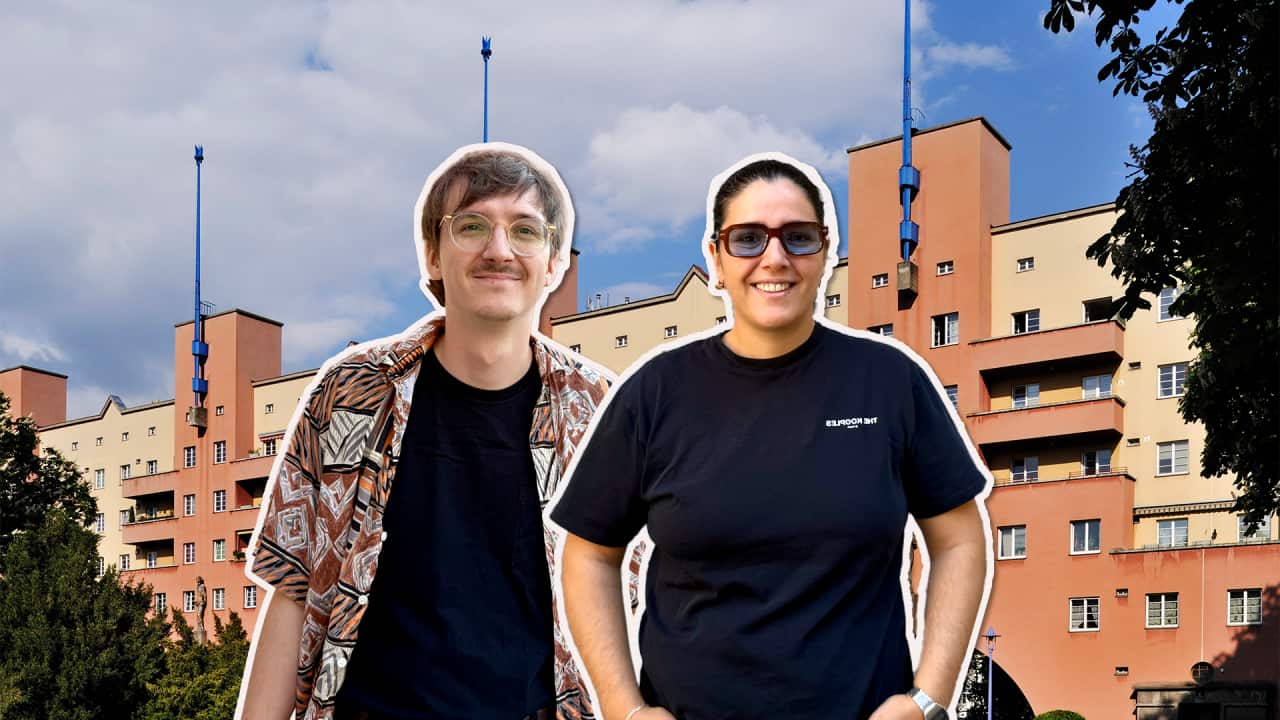
Watch Vienna: A Renters' Paradise on SBS On Demand.
In a desirable Viennese neighbourhood, within walking distance to a lively market square, bars and lush green spaces, an apartment block that looks like any other is nestled between rows of pastel-coloured, baroque apartment buildings.
It's a public housing block, known as a Gemeindebau, and Maximilian Schranz, 28, lives here with his partner Lisa, 24.
News that makes sense
Your trusted source for staying up-to-date with the world around you. Get free daily news updates and analysis, straight to your inbox.
"The area here is very nice," Schranz told SBS Dateline.
"I like it a lot personally — it's very green, a bit on the outskirts of the city, but very well connected."
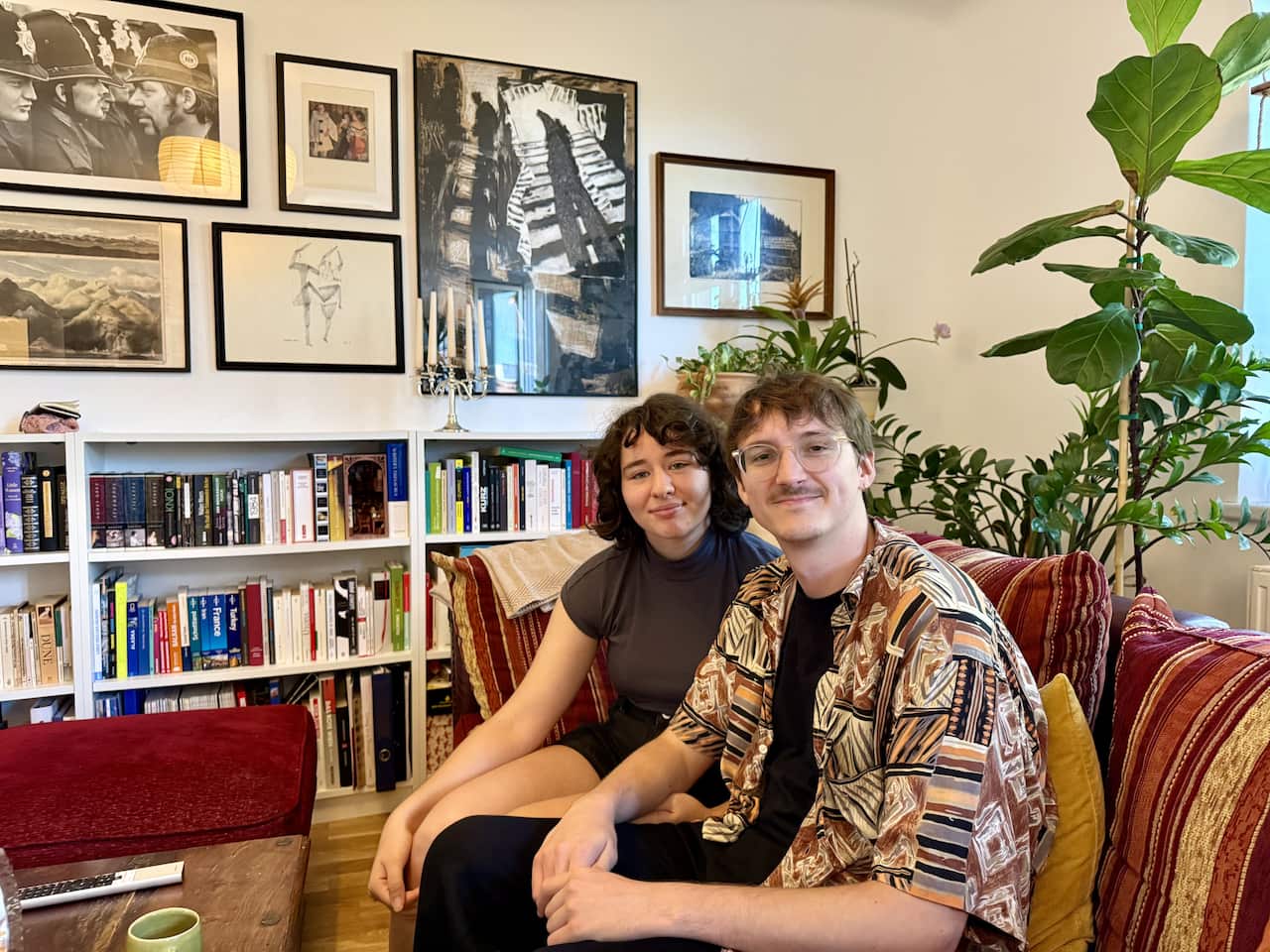
Their one-bedroom apartment is owned by the City of Vienna. It has high ceilings, with rooms flooded with natural light.
Schranz rents it under an affordable housing scheme that allows people under 30 years of age to access social housing.
The couple can live in the apartment for as long as they like and can also decorate it to their taste — they can even paint the walls.
Rents in city-owned public housing here are set by government legislation, with the current rate being 6.67 euros ($10.99) per square metre.
Private rentals are between 12-22 euros (about $19-35) per square metre, with the price also dependent on factors like location.
"We pay about 640 euros ($1,054.12) per month for this apartment," Schranz said.
"It's about a quarter of our income together ... For a similar apartment in private housing, I would maybe pay double."
How Vienna's housing market compares to Australia's
By comparison, analysis released in January by research company Cotality (formerly CoreLogic) shows rent in Australia has risen 2.5 times faster than wages over the past five years.
On average, rental households now spend a record high 33.4 per cent of their pre-tax income on rent, according to Cotality data.
According to the 2025 Priced Out report by national housing campaign Everybody's Home, an Australian earning $70,000 per year would need to spend 52 per cent of their income to meet the national median rent on an apartment.
In Australia, only 3.6 per cent of all dwellings are social housing, according to January data from the Productivity Commission's report on government services.
Separate analysis by the Australian Council of Social Services (ACOSS) in January also found that social housing only makes up 2 per cent of dwellings built each year. In the 1950s, it made up 22 per cent.
Vienna's public housing system "gives you freedom of mind", Schranz said.
"It leaves more money to spend on things that are important. For me personally, it's travelling, it's meeting people."
Fifty per cent of Vienna's population live in some form of social housing — either the government owned Gemeindebau or government-subsidised properties, which are dotted all around the city.
Some are even inside or adjacent to the first district or the Innere Stadt, Vienna's old town, which is home to iconic tourist attractions like The Hofburg Palace and St Stephen's Cathedral.
A 'renters' utopia'
Vienna's social housing system has led residents and international media to dub the city a 'renters' utopia'.
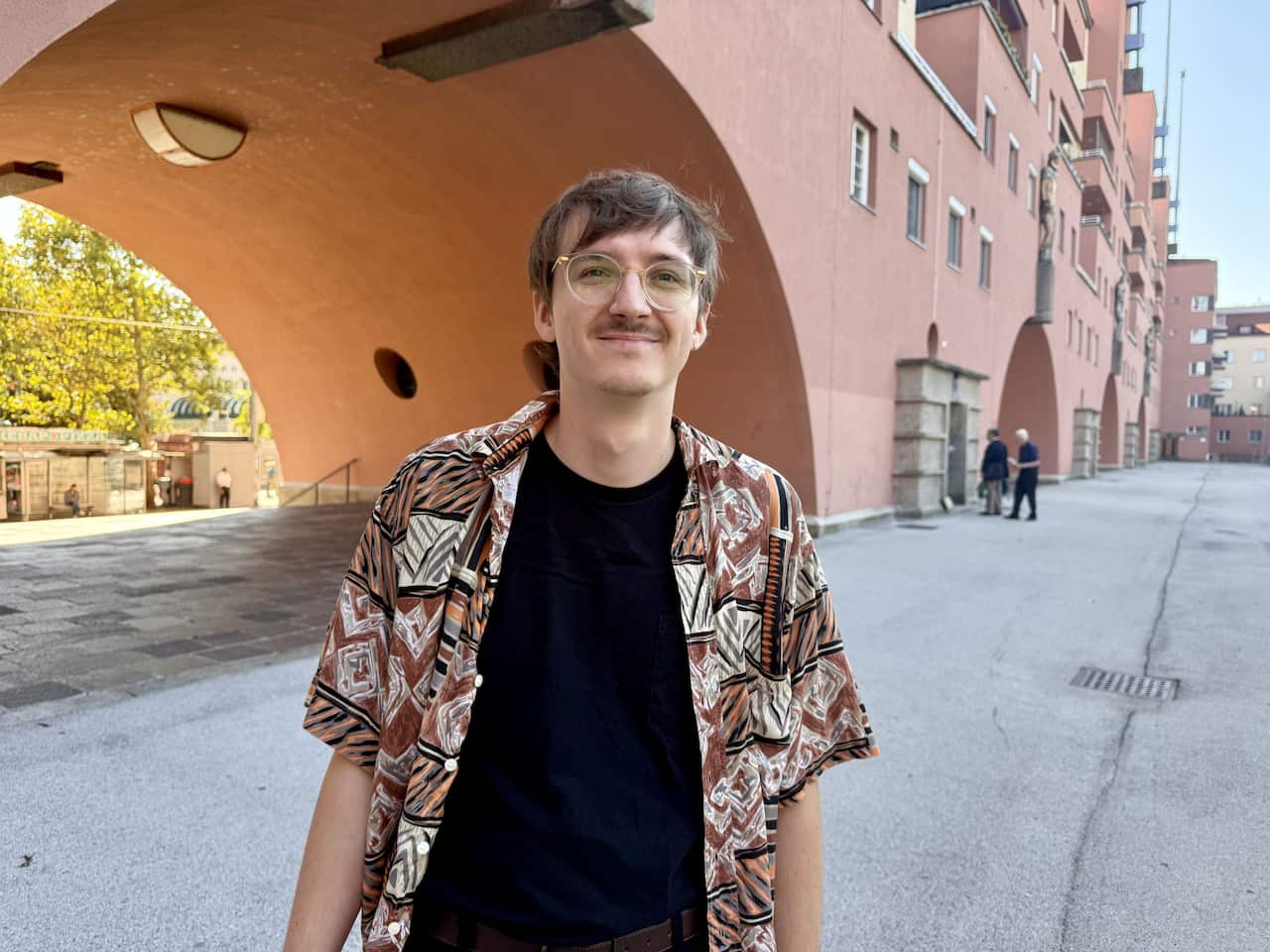
Schranz is passionate about its history, and as well as being an urban planner, he works as a historian and tour guide at one of Vienna's most recognisable social housing complexes, the Karl-Marx-Hof.
Completed in 1930, the Karl-Marx-Hof is often referred to as a "working-class palace". It's one of the world's longest continuous residential buildings, spanning more than a kilometre and holding more than 1,200 apartments.

It was built between World War One and Two, in what became known as the city's Red Vienna period — when it was governed by the Social Democratic Workers' Party.
As the city experienced a population boom, the city's government pledged to build 65,000 new apartments to cope with overcrowding.
"Most people lived or shared very poor substandard apartments, if they could have an apartment or afford an apartment," Schranz said.
"Those apartments didn't have any proper facilities; You didn't have running water, you didn't have your own toilet, you didn't have proper heating or electricity."
Serious illness was also frequent, and tuberculosis was known as 'the Viennese disease' in this period.
The Social Democrats funded the building program through a 1 per cent construction tax, and taxes on luxuries like champagne, automobiles and horse racing.
"They wanted to create a very fulfilling living environment for the people, giving them access to all the things that they would need [for] safe, sound, affordable and healthy housing."
Now, the city-owned apartments are managed by a government agency, Wiener Wohnen, which is known as the biggest municipal housing provider in Europe.
Applicants for both government-owned and subsidised social housing must be 18 years old, possess Austrian citizenship or have equivalent status, and must have lived in Vienna for two years.
As of 2026, the income threshold for applicants for city-owned and subsidised apartment sits at $4,377 euros ($7,197) a month, which equates to a little over 52,000 euros (about $85,000) a year.
According to Wiener Wohnen, incomes are checked only upon application and never again. This means renters can stay in ongoing contracts even if their income exceeds the initial threshold over time.
Why some say the system is 'not fair'
While Vienna's housing system was born from a period of socialism, Austrian federal politics have recently shifted to the right.
In the 2024 parliamentary elections, the far-right Freedom Party of Austria earned the highest portion of the vote but were unable to form government. Instead, a coalition of three centrist parties emerged.
In March 2025, the government temporarily suspended family reunification visas for refugees, citing overstretched social resources. This freeze has been extended and is in place until at least July this year.
Austria's asylum intake has been among the highest per capita in the European Union in recent years — but this trend is now on the decline.
Asylum seekers are not eligible for government housing until they've received asylum status, leaving many homeless.
Sam Alkadur and his family arrived in Vienna in 2022 after fleeing Syria. A former journalist, he said he was under pressure to join Bashar al-Assad's military forces and decided to leave out of fear.
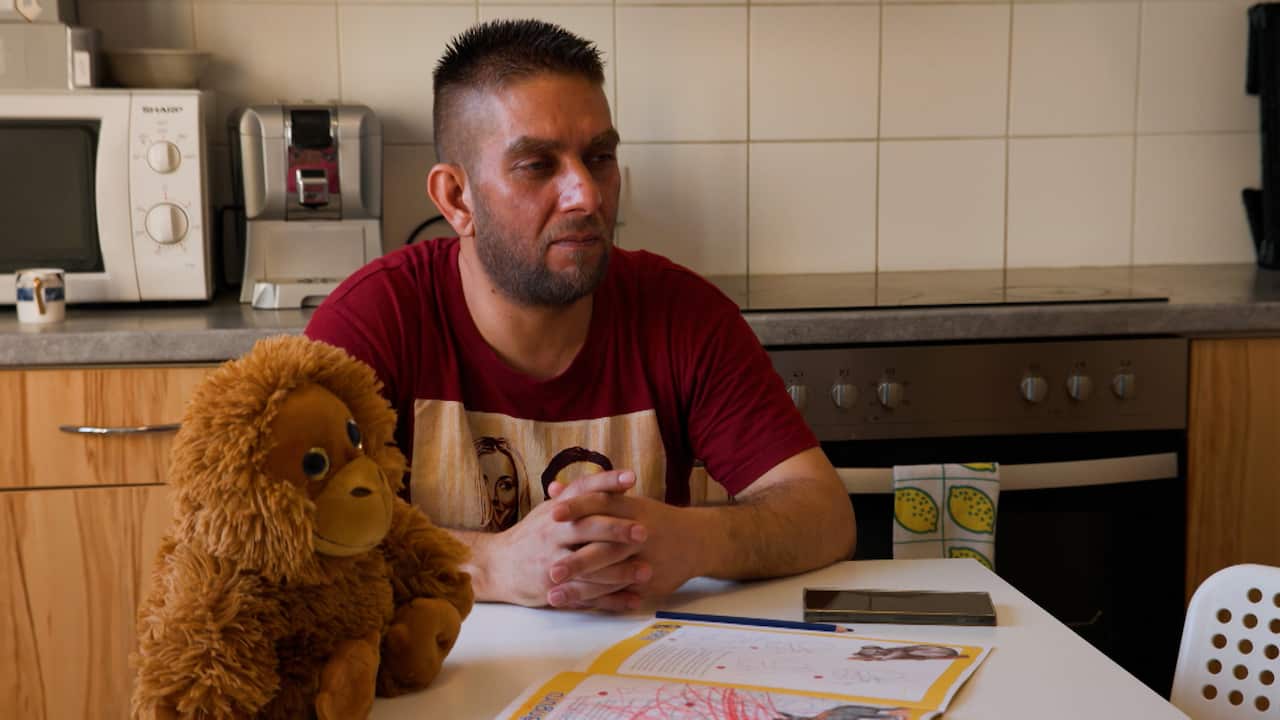
His family travelled through the forests of Bulgaria and Serbia, as well as Hungary, before reaching Austria. They have been living in limbo since.
"Neither I nor my wife had ever considered seeking asylum. But when she became pregnant and the war broke out in Syria, we were forced to seek asylum here," Alkadur told SBS Dateline.
He said that, while he and his family received temporary protection, they ended up homeless until a friend offered to let them stay with them in a small one-room house.
"They told us that housing in Vienna would be extremely difficult," he said.
Eventually, Alkadur turned to the not-for-profit Ute Bock Haus for help. The project provides short-term accommodation to asylum seekers and refugees.
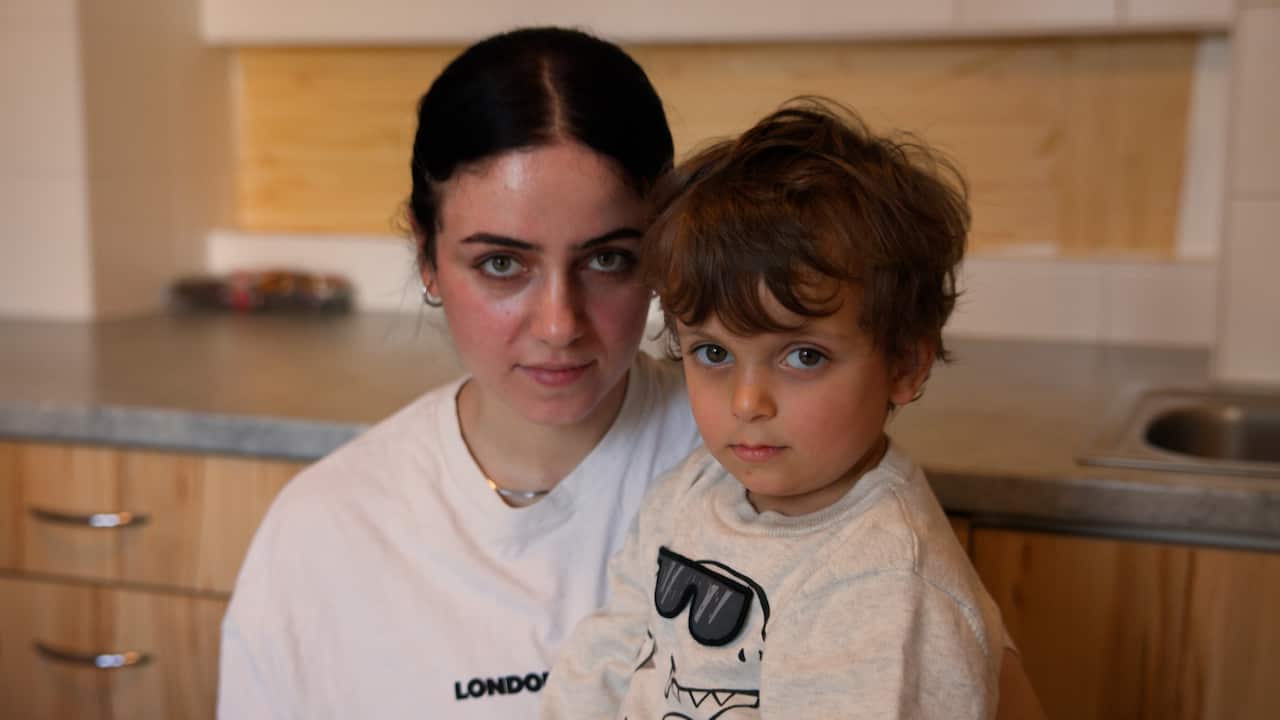
Shirin Behrends-Basha is the head of the organisation's residential care and is critical of the city's social housing system.
"It's so weak, because for someone to be entitled to a council apartment, they have to be entitled to asylum.
"They are dependent on the private market and suffer greatly."
Behrends-Basha said even with asylum status, people can get stuck in the queue for social housing for years. She believes the lack of regular income checks, which can see people hold onto their apartments for decades, is unjust.
"Of course it's not fair," she said.
"There are other people who need it much more."
How housing provides "a rich life"
Esra Osmen is the daughter of Turkish migrants and remembers the excitement her family felt when they moved into their social housing complex in Vienna.
"I can remember that my brother and me, we go in [to the apartment] and we said: 'Wow, this is not our new flat — there is so much space!'"
But she also recalls feeling "sadness" as a child, telling Dateline it often felt like "a struggle between the two cultures".
"The energy between the people who live here was not always good. The neighbours was not so nice, they don't say hi," she said.
Her grandfather would tell her to "always be thankful" to the Austrian people, and thankful for their apartment.
"And one time I say: 'Hey, I was grown up here, it's also my city. I have the Austrian citizen[ship]... I go to the school here; I make my doctorate here. I'm Austrian.'"
While Esra experienced discrimination in Vienna, she also credits the city's social housing system for giving her opportunities and pursuing a career in the arts.
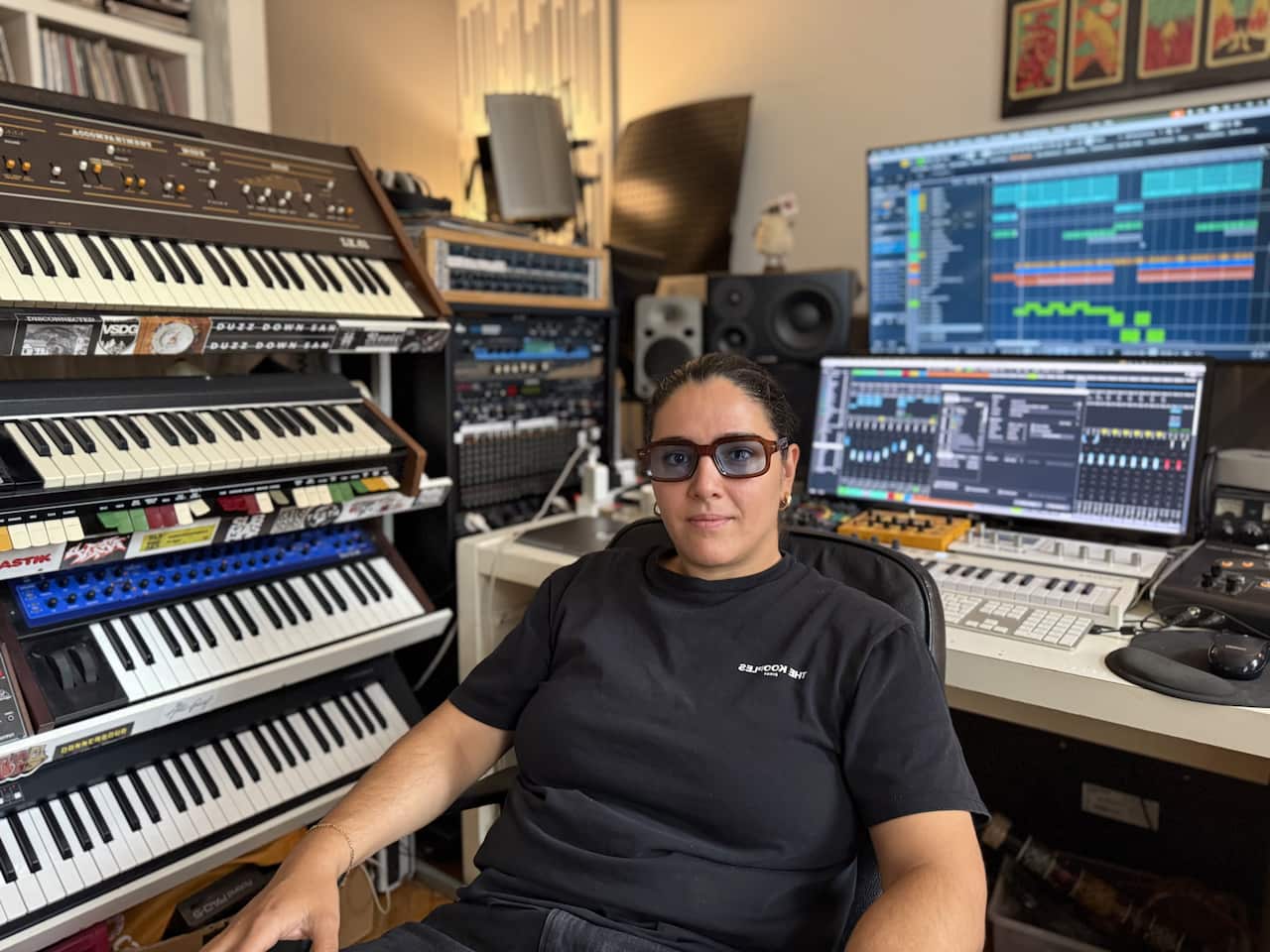
For Esra, Vienna has "two faces". "It's the face of pain and it's the face of opportunities".
She currently lives in a city-owned flat and pays approximately 350 euros ($577) a month in rent.
"I think Gemeindebau gives the people a right to live all the good," she said.
"I have a rich life, but I'm not rich ... I say this always — I have really everything. I don't have a lot of money, but I have everything."
Watch your favourite Dateline episodes around the clock on SBS On Demand's dedicated Dateline channel. For the latest from SBS News, download our app and subscribe to our newsletter.

Dateline is an award-winning Australian, international documentary series airing for over 40 years. Each week Dateline scours the globe to bring you a world of daring stories. Read more about Dateline

Have a story or comment? Contact Us







