
In the wake of the Bondi Beach terrorist attack over the weekend, the Albanese government is fast-tracking a suite of legislative reforms aimed at cracking down on hate speech and tightening migration laws to avert individuals with extremist views. While the government faces pressure to introduce harsher border policies, it has rejected calls for a Royal Commission, arguing that immediate executive action and enforcement are more urgent than a lengthy public inquiry.
Listen to Australian and world news, and follow trending topics with SBS News Podcasts.
TRANSCRIPT
As the week progresses, the political fall out of the Bondi shooting is unfolding.
Prime Minister Anthony Albanese says the the E-Safety Commissioner, the special envoy and the Department of Communications will work together to provide online safety advice to address antisemitism.
He is also announcing the disaster recovery funding arrangements triggered in response to the attack.
Mr Albanese says the Attorney General and Minister for Home Affairs will develop a package of legislative reforms to crack down on those who spread hate, division and radicalisation.
"The National Security Committee has agreed that changes will include the following five points. Agreed changes will include one, aggravated hate speech offense for preachers and leaders who promote violence. Secondly, increased penalties for hate speech promoting violence. Thirdly, making hate an aggravating factor in sentencing crimes for online threats and harassment. Fourthly, developing a regime for listing organisations whose leaders engage in hate speech promoting violence or racial hatred, and fifthly, developing a narrow Federal offense for serious vilification based on race and or advocating racial supremacy."
The Minister for Home Affairs will also have new powers to cancel or reject visas for those who spread hate and division in this country.
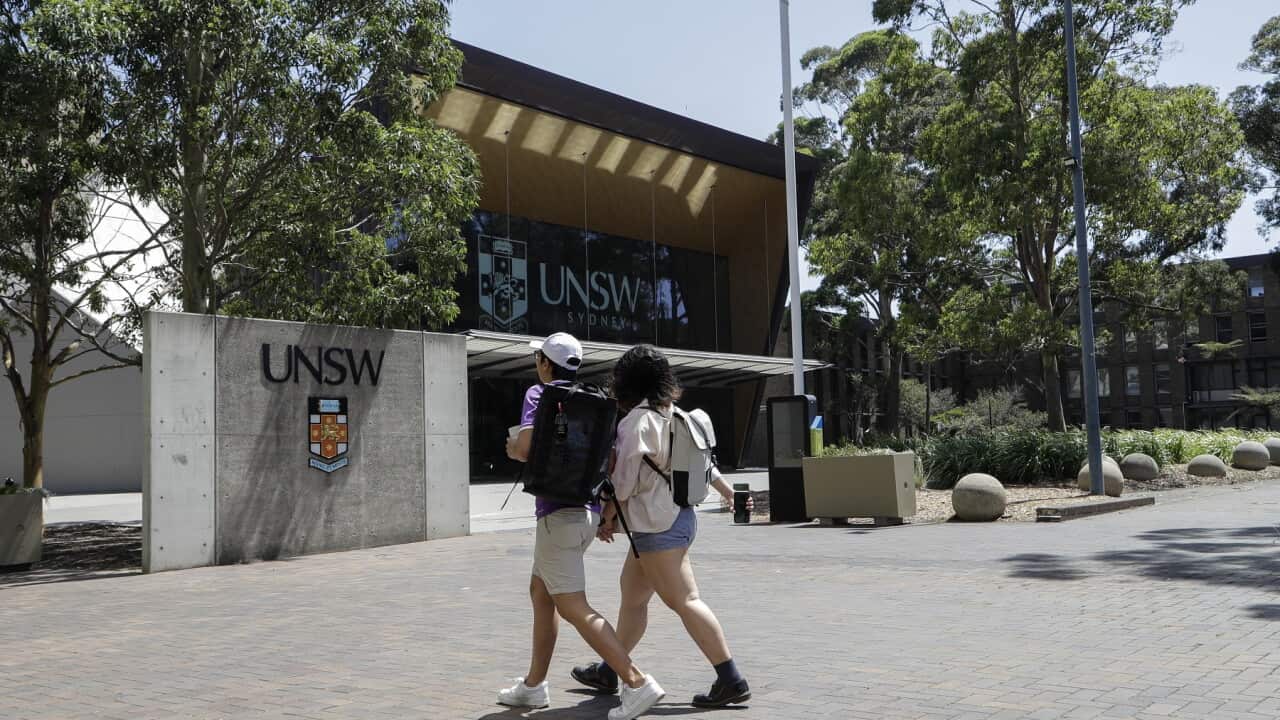
Chancellor of the University of New South Wales David Gonski has agreed to lead a 12 month Task Force, and consult with the envoy on antisemitism in education.
Earlier this year, the Jewish Council of Australia slammed a new definition of antisemitism in universities, warning it would silence legitimate criticism of Israel.
Special Envoy Jillian Segal helped the Group of Eight (Go8) universities develop the definition, which Universities Australia then adopted.
The definition identifies antisemitism as discrimination or violence that prevents Jewish people from participating equally in society, while also classifying speech as antisemitic if it calls for the elimination of the state of Israel or characterises Zionism as inherently racist.
Former Attorney general, and Labor MP Mark Dreyfus says the special envoy's approach to universities needs to be adopted.
"What happened on Australian university campuses in early 2024 meant that Jewish students and Jewish staff at Australian universities didn't feel safe. Some universities responded, I think, appropriately, others did not. They didn't act nearly fast enough, and we need to make sure that never occurs again."
The federal government says it intends to strengthen migration laws to ensure people with antisemitic views cannot visit or emigrate to Australia.
Assistant Immigration Minister Matt Thistlethwaite is using the Bondi attack to institute a range of new migration restrictions.
He is confirming the government will release its full response within weeks, signalling a shift toward harsher border policies.
"We'll have a look at our migration settings to make sure that they're appropriate and that they can weed out and stop people who have antisemitic or racist views that may incite violence into Australia and ensure that people like that. Can't migrate to our country."
Shadow Attorney General Andrew Wallace argues that Australia’s migration laws are already severe enough.
He says the government should focus on strict enforcement rather than writing new legislation.
"Section 36 1c of the migration act enables the government, it enables the home affairs minister to take action now already for people who are - he considers to not be a fit and proper person. So this is not a question so much of the suitability of our current laws. This comes down to a fundamental failure of political action and leadership from the Prime Minister, the home affairs minister, and just about everybody else."
As far as a Royal Commission goes Mr Dreyfus says that Royal Commissions are often slow, and that Australians want action.
This was mirrored by Treasurer Jim Chalmers who said the government should be focused on investigations and not delayed by a Royal Commission.
Mr Wallace says the Coalition is supportive of a Royal Commission but it shouldn't come at the cost of present day enforcement.
"The Coalition supports a Royal Commission. We need to get to the bottom of what has gone on here. But you know, Royal commissions can take two and a half years for an outcome. Then there's obviously a period for the government to respond. Australians want action today."