

Listen to Australian and world news and follow trending topics with SBS News Podcasts.
TRANSCRIPT
The Israeli military says it has recovered the remains of the last hostage held in Gaza.
Twenty-four-year old police officer Ran Gvili was killed fighting Hamas militants on October 7, 2023, and his body was taken over the border into the Gaza strip, where it remained for 840 days.
His remains, which Israeli officials say were found in a cemetery in Gaza's north, have now been escorted from the Gaza border to the forensics institute in Tel Aviv.
Mr Gvili's sister says it's a hugely emotional day for her and her family.
Hebrew then English vo: "I feel an insane sense of relief. I feel relieved. I'm sad. I'm very sad that it ended this way but it had to end at some point. And I'm so happy that he's coming back home. Rani is on his way, Rani is coming."
Mr Gvili was one of the 251 hostages seized and taken to Gaza by militants during the October 7, 2023 attack.
When Israel and Hamas agreed to a ceasefire deal in October, 48 hostages remained in Gaza, 28 of them believed dead, including Mr Gvili.
Handing over all the remaining living and dead hostages was a core commitment of the first phase of the deal.
Israeli Prime Minister Benjamin Netanyahu has hailed the return of Mr Gvili's remains as a major Israeli military success.
"He was the first to come in, he's the last to leave. A hero of Israel. Rani is back. There are no more hostages in Gaza. Tremendous achievement for our heroic forces, our soldiers, our commanders, none like them.”
Hamas' armed wing said it had provided mediators with "all the details and information" about Gvili's location.
In a statement, Hamas spokesperson Hazem Qassem said the discovery of Gvili's remains confirms Hamas' commitment to the peace plan.
The statement in part reads:
"We will continue to uphold all aspects of the agreement, including facilitating the work of the national Gaza administration and ensuring its success"
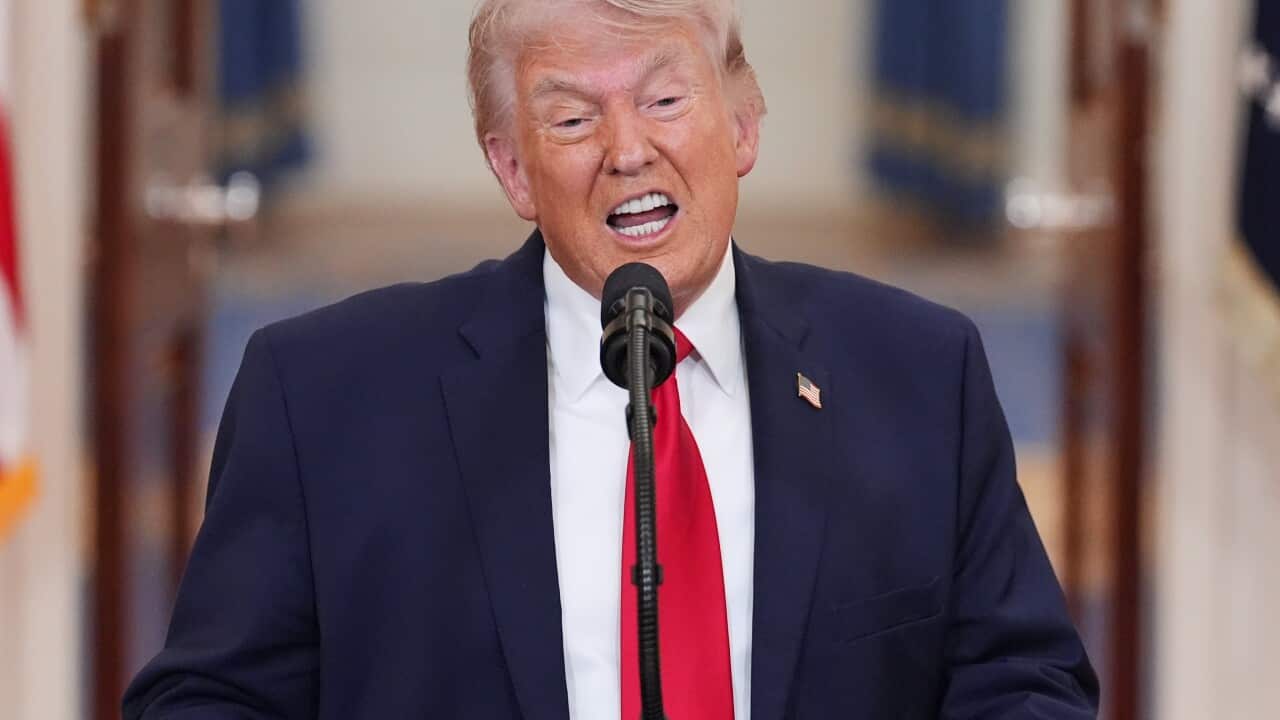
In a post on social media, US President Donald Trump congratulated his own administration for their part in finalising the hostage return, praising what he called his "team of Champions."
White House Press Secretary Karoline Leavitt says it marks a momentous step in the US-led plan to end the war.
“This is a huge foreign policy feat for the President of the United States, for the State of Israel, and frankly for the whole world. The President made the impossible possible. And so, it's great news for the president, for United States for our allies, and also for peace in the Middle East."
There are hopes the return of Mr Gvili's remains will now pave the way for the Rafah Crossing between Gaza and Egypt to be opened.
The crossing is the main route in and out of Gaza for the more than 2 million Palestinians who live there, and has been mostly closed since May 2024.
It was supposed to have opened last October during the initial phase of the peace plan, but Israel said it would only do so when all living hostages were returned, and all deceased hostages accounted for.
On Sunday, Israel said it would allow a "limited reopening" of the crossing for pedestrians after Mr Gvili's body was recovered.
Speaking from Gaza City, Palestinian writer Mustafa Ibrahim says he hopes the recovery will mean the ceasefire can finally progress to the next phase.
Arabic then English VO: "The announcement by the Israeli army that it had identified the body of the Israeli hostage Ran Gvili, was received with joy by Palestinians, since he was, according to the Israeli claim, the reason for obstructing the opening of the Rafah crossing and for blocking the move to the second phase of Gaza's ceasefire deal, which dragged on for more than three months."
The ceasefire's next phase includes what are expected to be challenging steps, including transitioning to a new governance structure in Gaza and the disarmament of Hamas.
The hope that the return of Mr Gvili will mean substantive progress toward peace is one echoed by the United Nations.
UN Secretary-General spokesman Stephane Dujarric calls on both sides to honour their agreement.
"The Secretary-General urges all parties to move forward in good faith, and without delay with subsequent phases, facilitate sustained and unhindered humanitarian access, including through the Rafah crossing, and uphold international humanitarian law. The United Nations will continue to support the full implementation of the agreement. "