

Almost 99 per cent of Australians diagnosed with cancer incur out-of-pocket expenses, even when accessing public care. That's the shocking finding from the Cancer Council Australia’s latest national survey, which suggests the financial burden arises from both direct medical costs and indirect expenses at every stage of the cancer journey. The cost of accessing care and treatment hits First Nations communities especially hard, with Indigenous Australians ultimately facing a higher mortality rate for blood cancer.
Listen to Australian and world news, and follow trending topics with SBS News Podcasts.
TRANSCRIPT
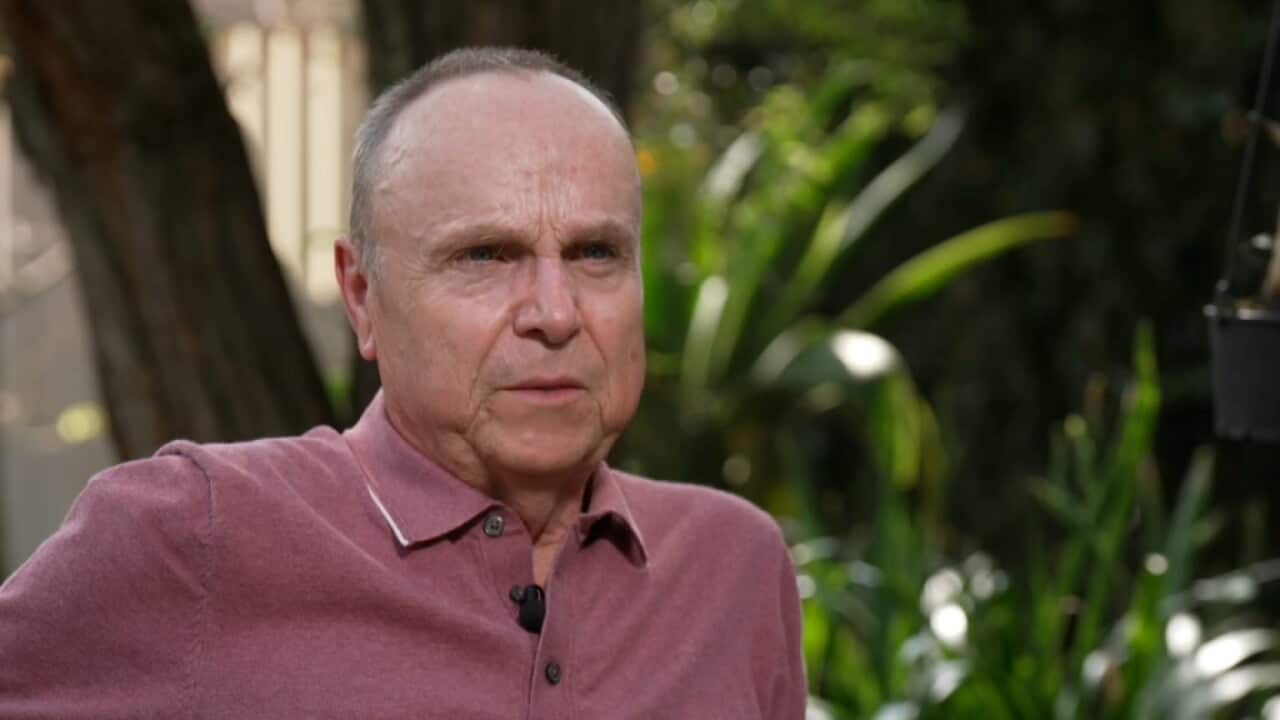
For Jackie Henderson, being diagnosed with cancer was a shock.
"It was, because before I started getting this, I thought I was a healthy 78 kilos. Then it was down to 53 kilos. So I was at a loss as to why I was losing the weight. It was a bit daunting."
Finding out she had an aggressive and fast-growing type of non-Hodgkin lymphoma was one thing.
The next challenge was dealing with the logistics - and the cost - of being unwell.
"I'm not eligible for a pension or Centrelink benefits, so I've had to use my superannuation to cover for operations. I pay into a private fund, but other mob don't have that luxury so they've got to wait for the public system. But in saying that too, it's a huge cost. I have to pay for the specialised surgeon, the anaesthetist, hospital costs, out of pocket expenses, then medication."
Jackie is not alone in feeling the weight of a cancer diagnosis.
The public healthcare system covers a range of care for cancer patients.
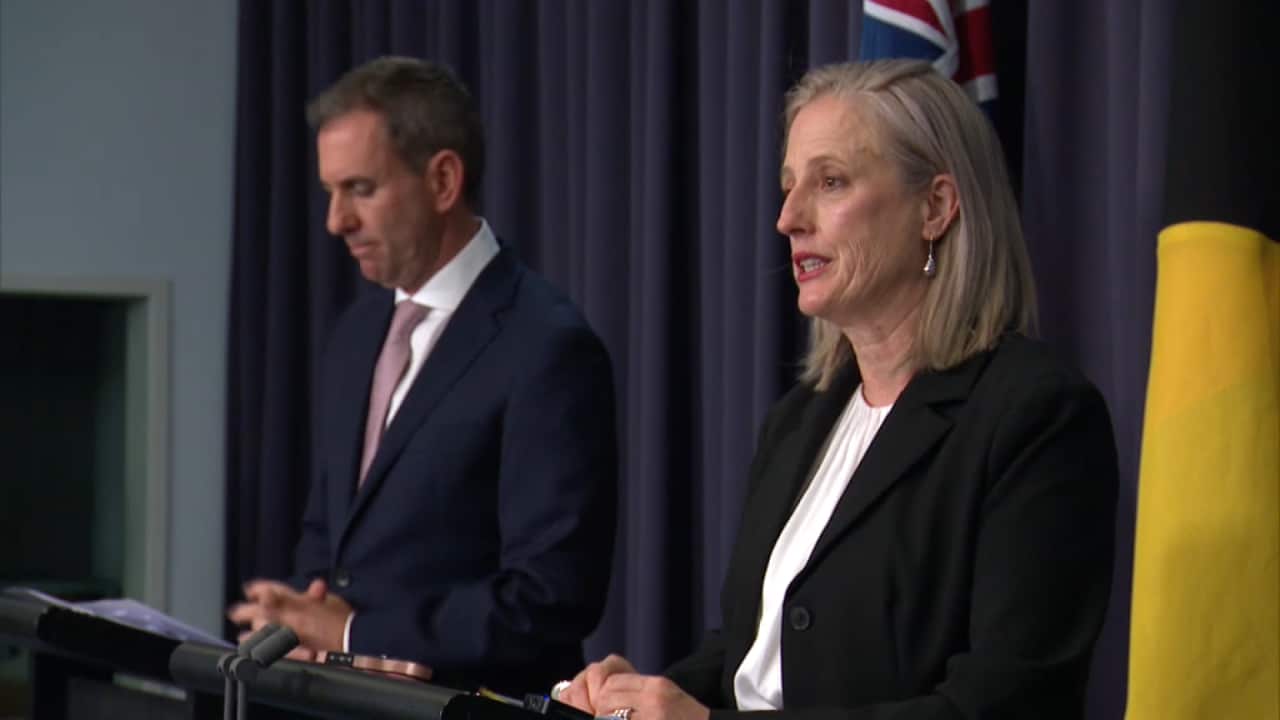
But McCabe Centre director Hayley Jones says the Cancer Council of Australia's new research shows 99 percent of those diagnosed with cancer face significant out of pocket expenses, even if they're accessing public treatment services.
"This can include both direct costs - such as the cost of surgical treatment and medications - as well as indirect costs, which include loss of income that they experience due to missing out on working."
The Cancer Council analysis has found that loss of income or disruption to employment is the most common financial cost, affecting more than one-third of Australians diagnosed with cancer.
And Hayley Jones says to make matters worse, this loss of income is not always temporary.
"The results of their treatment, even if they are cured from their cancer - given that we have such great survivorship rates now in Australia - it may mean that they are living for a much longer time, but it might mean they are living with other health effects that prevent them from returning to work."
Bill Stavreski from the Leukaemia Foundation says blood cancer - the kind that Jackie was diagnosed with - is among the most expensive.
"On average, each family - each patient - is out of pocket close to $8000... It doesn't mean that every patient and family will experience that. But for some - and one in 10 - they experience out of pocket expenses of more than $20,000."
One of the factors that typically makes cancer treatment even more costly is the patient's distance from treatment centres.
The picture gets even worse for First Nations communities who the Foundation says face substantial barriers to treatment and care compared to non-Indigenous Australians.
The Leukaemia Foundation has released its own study showing three in every four Indigenous Australians diagnosed with blood cancer during the survey period lived in rural or regional Australia.
Bill Stavreski says the lack of options close by leaves many with little choice but to travel sometimes thousands of kilometres away - by themselves, away from their support networks.
"Treatment for blood cancer generally will last weeks, if not months. So that means being on your own - potentially maybe a family member. But it also means looking for accommodation. And we know that accommodation - and transport - is quite expensive."
The Foundation's study paints an even more dire picture, finding First Nations patients are dying at a rate that's five times higher than the rest of the population.
"There was minimal information out there, and the commissioning of this research was really to focus on how dire the situation is. We knew it was relatively dire; we didn't know how severe it was."
Advocates like Bill and Hayley are calling for government action, seeing the prevalence of cancer and the cost of dealing with it as a national public health and equity issue.
Ms Jones says financial counselling is one option that could help patients and their families, but there are also other practical measures to consider.
"We think all Australians undergoing cancer treatment should be connected to financial support early so that they can receive the best cancer care without fear of the financial impact... Ensuring that people have access to enough leave when they're dealing with cancer, which is often a condition that changes over time. People can use up a lot of their leave quite quickly... The other issue that we're very conscious of is that employment law - annual leave entitlements - only apply to people with a permanent job. There are a lot of people in casual work or the gig economy who don't have those protections."
Mr Stavreski says it's an especially urgent situation because of the rising rates of cancer in Australia.
"It's the third most common cancer in Australia... Blood cancer has increased by close to 70 percent over the last two decades. Back in 2006 it was close to 10,500 Australians were diagnosed. Last year, more than 20,000."
Meanwhile, Jackie Henderson still considers herself one of the lucky ones, because she's had the support of her husband in attending appointments and undergoing chemotherapy and immunotherapy.
She has a message for others daunted by the prospect of dealing with cancer themselves.
"If they feel there's changes in their body - for whatever reason - don't stall. Go and get it checked."