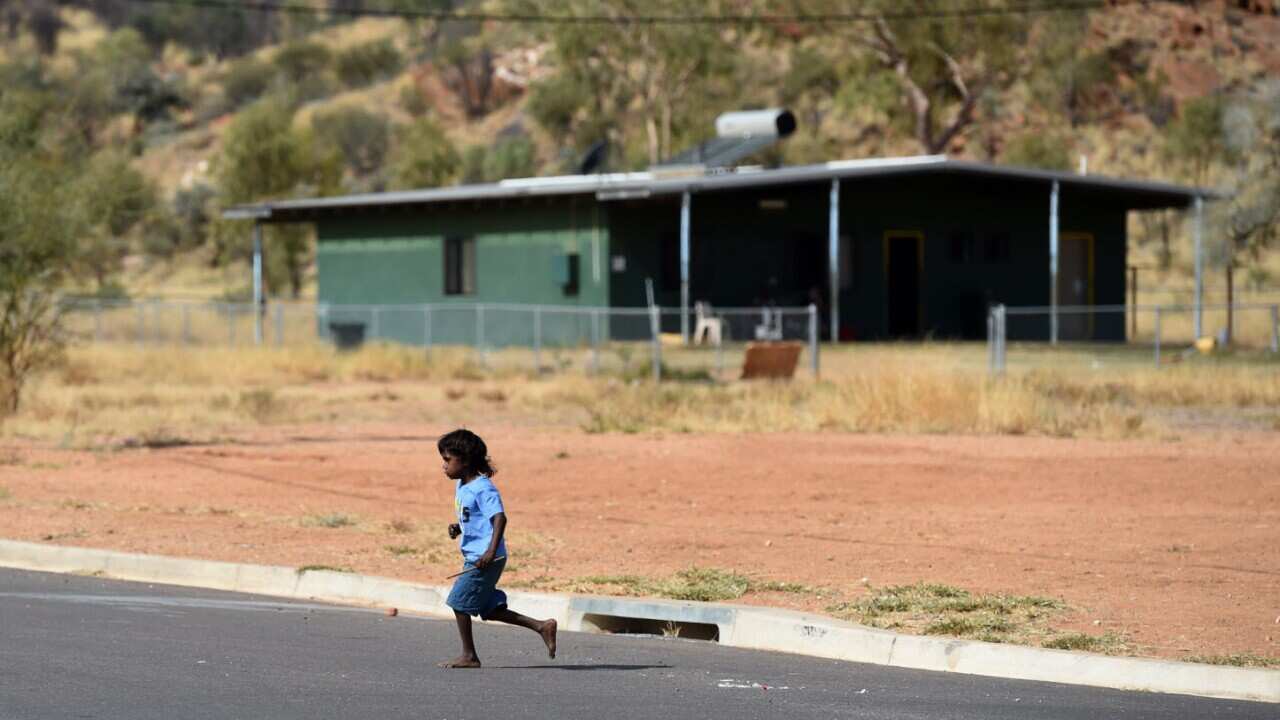
Remote communities are homed to some of the nation's poorest households - but they're also the areas most impacted by the rising cost of living.
Aboriginal people in remote communities are paying $4/litre of diesel, double the price of metropolitan areas. With worsening fuel costs, comes an uptick in the prices of essential items and food insecurity.
Currently many in remote communities are supported by the remote area allowance, a federal government low-cost essential subside scheme. However, there's rising concern the scheme falls short in today's climate.
"The subsidy helps, but fuel prices will quickly errode those savings," Central Land Council General Manager and Wardaman woman, Dr Josie Douglas said.
"Prices for key items like fresh food will rise sharply, and families will struggle to keep up."
The scheme has been in place since 1984 and comes in the form of a supplementary payment to income support recipients in remote areas.
More than half of allowance recipients live in the Northern Territory and are supported by the weekly payment of $9.10 for singles, $15.60 for couples and $3.65 per child.
Since 2000, remote communities have faced living costs 40 per cent higher than capital cities. Yet, the remote area allowance has only increased twice in its 42 years - the last increase being over 25 years ago.
The CLC say the payment has failed to keep pace with reality and are pushing for an increase to support their communities facing poverty and insecurity.
“With fuel prices hitting our people so hard, it’s time for the government to raise it,” Dr Douglas said.
“Cost of living pressures are being felt nationwide, but low-income families in remote communities are bearing the brunt.”
The nation is facing rising fuel prices, with Energy Minister Chris Bowen saying it would be "sensible" for many to consider working from home to ease pressure on national supply.
Bowen's comments echo the recommendations of the International Energy Agency who have encouraged working from home, using public transport, and reducing highway speeds by 10km/hr.
No such order has been put in place in any jurisdiction yet. Some are opposed, with NSW Premier Chris Minns saying it "wouldn't make much of a difference".
"Most of our employees are nurses, paramedics, police officers, firefighters. We just can't issue that order," he said on Monday.
Article updated on 27/3 to change 'remote rental allowance' to 'remote area allowance'.